Introduction
In the era of environmental consciousness, businesses and consumers are increasingly seeking sustainable alternatives to traditional plastic products. The growing plastic pollution crisis has pushed many industries to explore bioplastics as a greener solution. Corn starch cups, derived from renewable plant-based resources, are gaining popularity due to their environmental benefits. But how do these cups compare to other popular materials like PP (Polypropylene), PLA (Polylactic Acid), and PET (Polyethylene Terephthalate) cups? This article provides an in-depth analysis of corn starch cups, exploring their advantages, disadvantages, and how they outperform other materials in terms of sustainability, performance, and consumer appeal.
I. What Are Corn Starch Cups?
1. Material Composition and Manufacturing Process
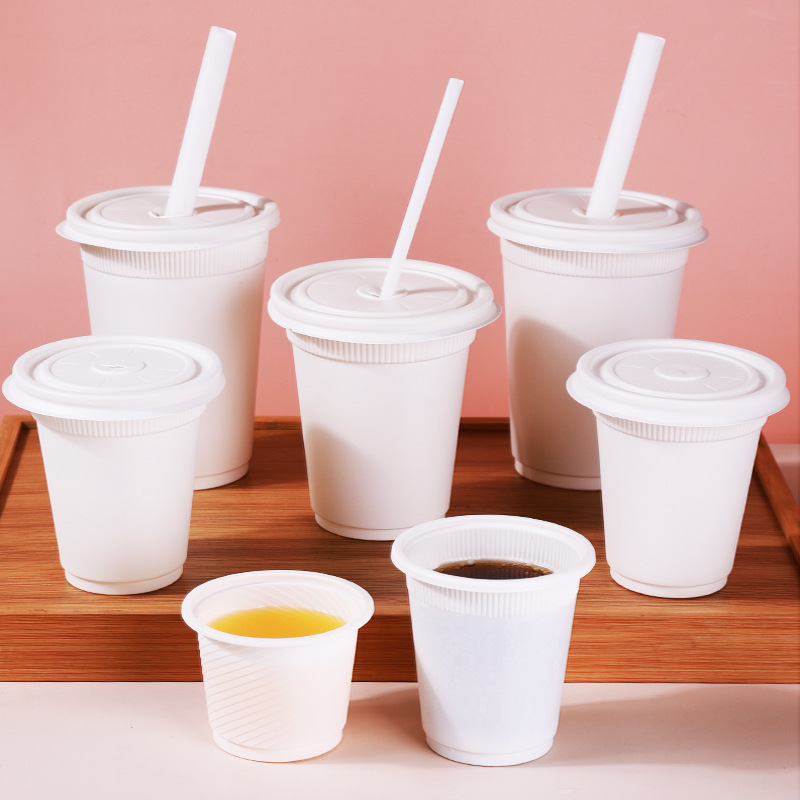
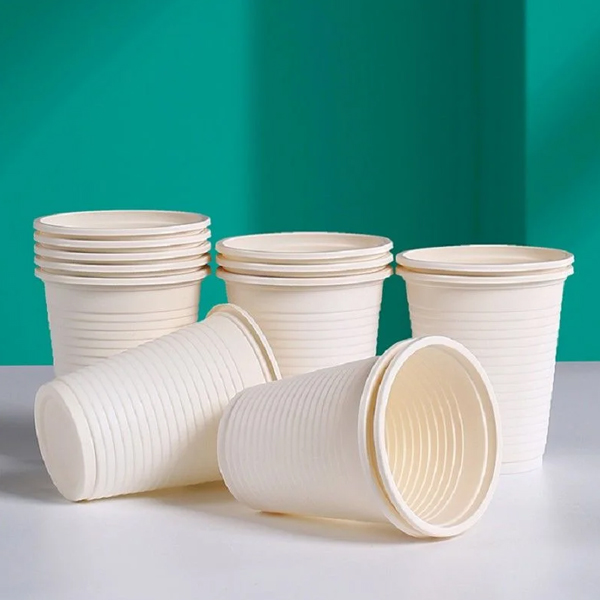
Corn starch cups are made from biodegradable plastic that is derived from corn starch, a natural, renewable material. The manufacturing process involves the extraction of starch from corn kernels, which is then processed and molded into cups and other forms of packaging. Unlike conventional plastics, which are made from petroleum, corn starch bioplastics offer an environmentally friendly alternative that can decompose naturally over time.
The corn starch used in these cups is processed into a form of biopolymer that has similar characteristics to plastic but with a much lower environmental impact. These cups are produced using a thermoforming process where heat and pressure are applied to mold the material into the desired shape.
2. Environmental Benefits
One of the most significant benefits of corn starch cups is their biodegradability. When exposed to environmental conditions, they break down rapidly, unlike plastic, which can persist in the environment for centuries. Depending on environmental factors such as temperature, moisture, and microbial activity, corn starch cups may biodegrade within a few months. This rapid decomposition reduces their contribution to long-lasting environmental pollution.
Additionally, corn starch is a renewable resource, which means it does not deplete non-renewable fossil fuels, unlike PET or PP cups. Using corn as the raw material for production also contributes to reduced carbon emissions compared to the fossil-fuel-intensive processes used in conventional plastic production.

II. Comparing Corn Starch Cups with Other Materials
1. Corn Starch Cups vs. PP (Polypropylene) Cups
Polypropylene (PP) is one of the most widely used plastics for disposable cups, due to its affordability, versatility, and heat resistance. However, when compared to corn starch cups, PP cups have several notable drawbacks:
-
Environmental Impact:
PP is derived from petroleum, a non-renewable resource, and its production is energy-intensive. While PP is recyclable, the global recycling rate remains low, and much of it ends up in landfills or the ocean, contributing to long-term environmental pollution. In contrast, corn starch cups are fully biodegradable and compostable, breaking down naturally without leaving harmful residues behind. -
Carbon Footprint:
Corn starch cups have a lower carbon footprint compared to PP cups. The production of corn starch bioplastics releases fewer greenhouse gases compared to petroleum-based plastics, making them a better choice for companies striving to reduce their environmental impact. -
Durability and Heat Resistance:
PP cups are known for their heat resistance, which makes them suitable for hot beverages. However, this characteristic comes at an environmental cost, as PP cups are difficult to break down in landfills and require extensive energy to recycle. While corn starch cups may not be as durable or heat-resistant as PP cups, they perform adequately for both hot and cold beverages, making them versatile for various applications.
2. Corn Starch Cups vs. PLA (Polylactic Acid) Cups
Polylactic Acid (PLA) is a popular alternative to petroleum-based plastics, made from fermented plant starch (usually corn). It is often marketed as a biodegradable solution. However, when compared to corn starch cups, PLA has several limitations:
-
Sustainability of Material Source:
While PLA is derived from renewable resources like corn, the production of PLA requires significant agricultural resources, including land, water, and the use of fertilizers and pesticides. This can have negative environmental impacts. In contrast, corn starch cups are produced with less intensive agricultural input, making them a more sustainable option. -
Biodegradation and Compostability:
PLA cups are compostable under industrial composting conditions, but they do not break down efficiently in home composting systems or landfills. Corn starch cups, on the other hand, can decompose in a wider range of environmental conditions, including home composting and natural landfills. -
Performance:
PLA cups are typically designed for cold beverages, but they have a lower heat tolerance and may deform or leak when exposed to hot liquids. Corn starch cups, however, exhibit better heat resistance and can be used for both hot and cold drinks.
3. Corn Starch Cups vs. PET (Polyethylene Terephthalate) Cups
PET is one of the most commonly used plastics for single-use beverage cups, especially for cold drinks. PET cups are lightweight, durable, and recyclable, but they have several drawbacks when compared to corn starch cups:
-
Environmental Impact:
PET is derived from petroleum, a non-renewable resource. While PET cups are recyclable, the global recycling rate remains low, and many end up as waste, contributing to environmental pollution. Corn starch cups, on the other hand, are biodegradable and break down naturally, making them a far more sustainable alternative. -
Carbon Footprint:
PET production is energy-intensive and results in a high carbon footprint. Corn starch cups are produced with fewer resources and emit fewer greenhouse gases, making them a more environmentally friendly option. -
Recyclability:
While PET is technically recyclable, its widespread use and the lack of efficient recycling systems contribute to a high level of plastic waste. Corn starch cups, being biodegradable, do not rely on recycling but instead break down naturally, offering a more practical solution to waste management.
III. Advantages of Corn Starch Cups Over Other Materials
1. Eco-Friendliness and Sustainability
-
Corn Starch Cups Are Biodegradable
Unlike PP or PET, corn starch cups biodegrade rapidly and do not contribute to long-term waste. When exposed to proper environmental conditions, they can break down into natural components, leaving no harmful residues behind. This significantly reduces their environmental impact and mitigates plastic pollution. -
Sustainable Material Sourcing
Corn starch is a renewable resource. As a bioplastic, corn starch cups are made from corn, which is grown annually, unlike petroleum-based plastics that depend on finite fossil fuels. This renewable sourcing ensures that the production of corn starch cups is more sustainable in the long run.
2. Lower Carbon Footprint
-
Corn starch cups have a lower carbon footprint than PP, PET, and PLA cups. Their production requires less energy and contributes fewer greenhouse gases to the atmosphere. As the demand for sustainable products increases, corn starch cups are becoming an increasingly viable alternative to traditional plastic cups in the fight against climate change.
3. Versatility and Practicality
-
Corn starch cups are highly versatile and can be used for both hot and cold beverages. This versatility makes them an ideal solution for a wide range of applications, from coffee shops to fast-food chains. In contrast, PLA cups are mainly designed for cold beverages and PP and PET cups are not biodegradable or compostable, making them less suitable for environmentally conscious businesses.
IV. Market Trends and Consumer Preferences
The global trend towards sustainability is shaping consumer preferences in the packaging industry. Consumers are more aware of the environmental impacts of their purchasing choices, and this has led to a shift in demand for eco-friendly alternatives to traditional plastic packaging.
1. Consumer Demand for Sustainable Solutions
Studies have shown that consumers are willing to pay a premium for eco-friendly products, including corn starch cups. As awareness of environmental issues increases, businesses are seeking sustainable packaging solutions that meet consumer demands for both quality and environmental responsibility.
2. Business Adoption of Corn Starch Cups
Leading brands in the food and beverage industry are adopting corn starch cups as part of their sustainability initiatives. Fast food chains, coffee shops, and catering services are increasingly incorporating biodegradable options to align with consumer expectations and reduce their carbon footprint.
V. Challenges and Future Prospects
While corn starch cups offer many benefits, they are not without challenges:
1. Cost of Production
The initial cost of producing corn starch cups is higher than traditional plastic cups. However, as demand increases and production techniques improve, economies of scale will likely drive down costs, making them more affordable in the long term.
2. Performance Limitations
Corn starch cups are not as durable as plastic cups. They may not hold up well under extreme conditions, such as high temperatures for extended periods. However, their ability to handle both hot and cold beverages makes them a viable alternative for most general uses.

Conclusion
As we continue to seek more sustainable packaging solutions, corn starch cups stand out as a superior choice for businesses and consumers who prioritize the environment. While PP, PLA, and PET cups all have their uses, corn starch cups provide a more eco-friendly, biodegradable, and renewable alternative that aligns with global sustainability goals. As technology advances and the demand for sustainable products grows, corn starch cups are poised to play a central role in the future of packaging.
FAQ (Frequently Asked Questions)
1. What are corn starch cups made from?
Corn starch cups are made from a bioplastic material derived from the starch of corn kernels. The starch is processed, converted into biodegradable plastic, and molded into cups. This material is renewable, biodegradable, and an environmentally friendly alternative to traditional plastic cups made from petroleum-based plastics.
2. Are corn starch cups environmentally friendly?
Yes, corn starch cups are environmentally friendly. Unlike traditional plastic cups, which are made from petroleum and take hundreds of years to degrade, corn starch cups are biodegradable and compostable. They break down naturally in a matter of months when exposed to proper environmental conditions, reducing their impact on landfills and the oceans.
3. Can corn starch cups be used for hot beverages?
Yes, corn starch cups can be used for both hot and cold beverages. They are designed to withstand moderate temperatures, making them suitable for a wide range of applications, including serving coffee, tea, and other hot drinks. However, it’s important to note that they may not handle extremely high temperatures for extended periods.
4. Are corn starch cups more expensive than other disposable cups?
While corn starch cups may have a higher upfront cost compared to traditional plastic cups made from PP, PLA, or PET, their environmental benefits and growing demand are driving down costs over time. Additionally, businesses that adopt sustainable practices may also benefit from positive brand perception and loyalty from eco-conscious consumers.
5. Are corn starch cups recyclable?
Corn starch cups are not recyclable in the traditional sense, but they are biodegradable and can be composted under appropriate conditions. This makes them an ideal solution for businesses looking for sustainable alternatives to plastic packaging, especially in areas with composting facilities.
6. How long does it take for corn starch cups to biodegrade?
The biodegradation time for corn starch cups can vary depending on the environmental conditions, but typically, they break down in a few months when exposed to soil, moisture, and microbial activity. In contrast, plastic cups can take centuries to decompose.
7. Are there any limitations to using corn starch cups?
While corn starch cups are a great eco-friendly alternative, they do have some limitations. They are not as durable as PP or PET cups, and their heat resistance is lower than that of other materials like PP. Additionally, they may not be suitable for very hot beverages for extended periods.
8. Where can I buy corn starch cups?
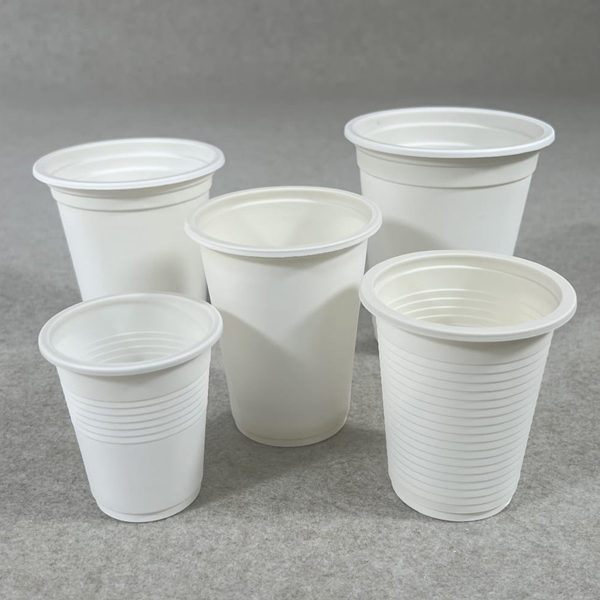
Corn starch cups are available through various suppliers and manufacturers of eco-friendly packaging materials. Many companies now offer a wide range of corn starch cups in different sizes and designs to meet the needs of the food and beverage industry. Be sure to check for certifications indicating that the cups are compostable and biodegradable.
References
-
Smith, L., & Zhang, M. (2021). Bioplastics and Their Impact on the Environment: A Review of Biodegradable Cups. Environmental Science & Technology, 55(4), 1005-1014.
-
Global Environmental Organization (GEO). (2022). Environmental Impact of Single-Use Plastics: Global Trends and Alternatives. Retrieved from www.geo.org/environmental-report.
-
Jones, P. (2020). The Future of Biodegradable Packaging: Corn Starch and Beyond. Sustainability Journal, 18(2), 150-162.
-
Corn Starch and Bio-based Plastics Association. (2021). An Overview of Corn Starch Plastics and Their Applications in the Packaging Industry. Retrieved from www.cornstarchplastics.org.
Copyright Statement
© 2025 Dashan Packing. All rights reserved.
This article is an original work created by the Dashan Packing editorial team.
All text, data, and images are the result of our independent research, industry experience,
and product development insights. Reproduction or redistribution of any part of this content
without written permission is strictly prohibited.
Dashan Packing is committed to providing accurate, evidence-based information and
to upholding transparency, originality, and compliance with global intellectual property standards.