
Quick Summary
Japan’s food packaging regulations are highly structured and enforcement-oriented. Compliance is not about material names or generic certificates—but about aligning materials, additives, usage conditions, and documentation with the Japanese Food Sanitation Act and its Positive List system. Importers are legally responsible for ensuring packaging safety in real use, and failure often stems from documentation mismatches, unclear usage conditions, or assumptions from other markets. This guide provides practical insights to avoid common compliance pitfalls and source packaging that passes Japanese inspections without delays.
Japan is often described as a “quietly strict” market for food packaging. Unlike regions where enforcement relies heavily on visible audits or publicized penalties, Japan operates through a system of preventive control, conservative interpretation, and documentation discipline. Products that fail rarely do so because of dramatic violations; they fail because assumptions were made, details were overlooked, or documentation did not fully align with actual use conditions.
For overseas suppliers and importers, understanding Japan’s food packaging regulations requires more than reading summaries or relying on certificates issued for other markets. It requires understanding how Japanese authorities think, what they prioritize, and where compliance risks most commonly arise in real-world sourcing.
This article provides an in-depth, practical explanation of Japan’s food packaging regulatory system, focusing on plastics and fiber-based materials such as PP, PET, CPET, RPET, PLA, cornstarch-based materials, and bagasse. It is written specifically for importers, brand owners, and professional buyers who need operational clarity—not legal abstraction.
1. Why Japan Treats Food Packaging Differently From Many Other Markets
Japan’s regulatory philosophy is shaped by three core factors:
-
High consumer sensitivity to food safety
-
Long-established domestic manufacturing standards
-
A strong expectation of importer accountability
In Japan, food packaging is not viewed as a secondary or auxiliary product. It is considered a direct extension of the food itself. As a result, regulators expect packaging safety to be demonstrated with the same seriousness as food safety.
This mindset leads to a regulatory environment where:
-
Generic compliance claims are viewed with skepticism
-
Documentation consistency is critical
-
Foreign standards are not automatically accepted
-
Importers are expected to fully understand what they are placing on the market
For overseas suppliers unfamiliar with this environment, the challenge is rarely the material itself—it is aligning intent, documentation, and application in a way that satisfies Japanese expectations.
2. The Legal Foundation: Japan’s Food Sanitation Act (FSA)
All food-contact materials in Japan are regulated under the Food Sanitation Act . This law governs food, food additives, and what Japan refers to as Utensils, Containers, and Packaging (UCP).
Packaging products fall squarely under this category and are regulated based on a single fundamental principle:
Utensils, containers, and packaging must not pose a risk to human health by transferring harmful substances to food or altering its properties.
This principle may appear similar to regulations in the US or EU, but its application in Japan is more conservative. Japanese authorities do not rely on broad interpretations or risk tolerance assumptions. Instead, they expect compliance to be demonstrated under clearly defined conditions.
3. The Positive List System: How Japan Controls Plastics in Contact With Food
One of the most important developments in Japan’s packaging regulations is the implementation of the Positive List (PL) system for synthetic resins.
Under this system:
-
Only explicitly listed base polymers may be used
-
Only permitted additives may be incorporated
-
Use conditions must align with those specified in the list
This applies to:
-
PP
-
PET and CPET
-
RPET
-
PLA and other bio-based plastics
-
Modified or blended plastic formulations
Why the Positive List Changes Everything
In many markets, compliance is based on whether a substance is not prohibited. In Japan, compliance is based on whether a substance is explicitly allowed.
This means:
-
A material widely used elsewhere may still require verification
-
Additives matter as much as the base polymer
-
Minor formulation changes can affect compliance status
For importers, this creates a higher documentation burden—but also a clearer framework once properly understood.
4. Compliance Is Application-Specific, Not Material-Based
A common mistake made by overseas suppliers is assuming that material approval automatically applies to all use cases.
In Japan, compliance is always evaluated in the context of:
-
Food type (oily, aqueous, acidic)
-
Contact temperature
-
Contact duration
-
Single-use or repeated use
For example:
-
A PP tray compliant for cold food storage may not be compliant for microwave reheating
-
A PET container acceptable for short-term contact may not be suitable for prolonged storage
-
A bagasse container may pass dry food use but fail oily food applications without coating assessment
Japanese regulators expect importers to define how the packaging is actually used, not how it is theoretically capable of being used.
5. Polypropylene (PP): Widely Accepted, Often Misapplied
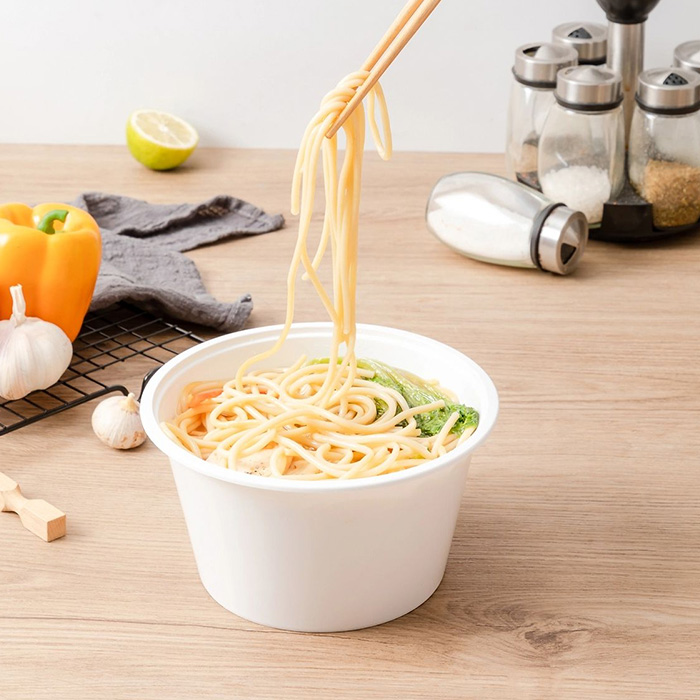
PP is one of the most commonly used food packaging materials in Japan, particularly for:
-
Ready meals
-
Takeout containers
-
Microwave-safe trays
Why PP Is Favored
-
High heat resistance
-
Chemical stability
-
Relatively predictable performance
-
Established regulatory history in Japan
Where Compliance Risks Arise
Despite its acceptance, PP-related compliance issues still occur due to:
-
Undisclosed additives
-
Assumptions about microwave performance
-
Lack of clarity around maximum temperature exposure
-
Applying one test report to multiple tray designs
Japanese authorities often request clarification not on whether PP is used, but how it is used.
6. PET and CPET: Clear Distinctions Matter in Japan
 |
 |
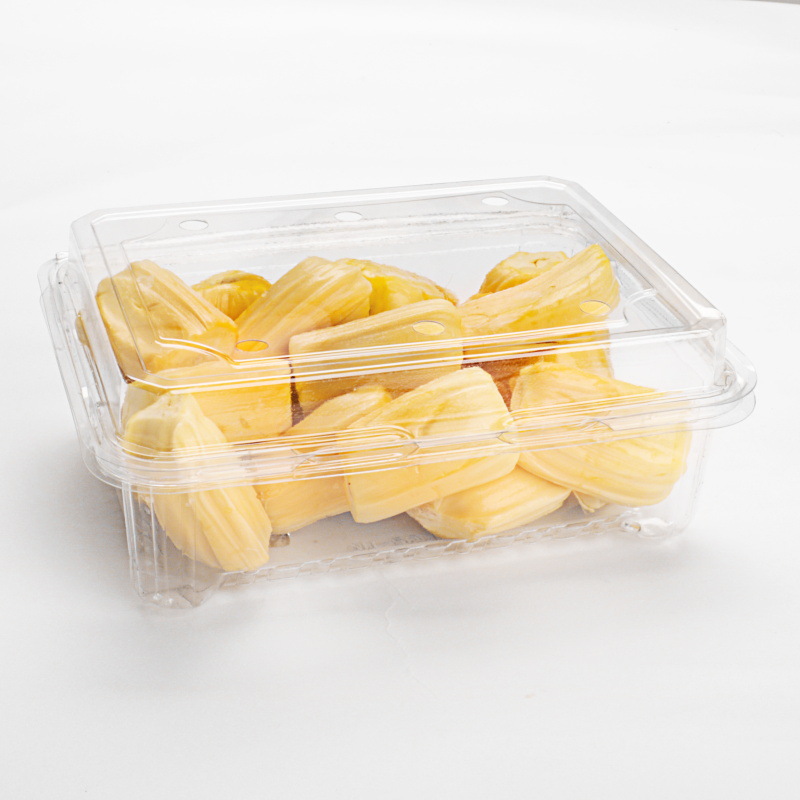
PET and CPET are treated as related but distinct materials in Japan.
PET
PET is commonly used for:
-
Cold food containers
-
Beverage cups
-
Clear lids and display packaging
Compliance risks arise when:
-
PET is exposed to higher-than-expected temperatures
-
PET packaging is repurposed for hot filling
-
Usage conditions are not clearly defined
CPET
CPET is used for:
-
Oven-ready meals
-
Airline catering trays
-
Applications requiring high thermal stability
Japanese regulators expect CPET products to:
-
Be clearly differentiated from PET
-
Have documentation aligned with high-temperature use
-
Avoid ambiguous product descriptions
Confusion between PET and CPET is a frequent source of compliance delays.
7. RPET: Accepted, but Evaluated Conservatively

Japan allows recycled plastics in food-contact applications, but applies more conservative scrutiny than many other markets.
Key concerns include:
-
Source contamination
-
Recycling and decontamination processes
-
Traceability of recycled content
-
Consistency between batches
Importers using RPET should expect:
-
Additional documentation requests
-
More detailed explanations of recycling processes
-
Closer attention from inspectors
RPET compliance in Japan is not impossible—but it requires discipline and transparency.
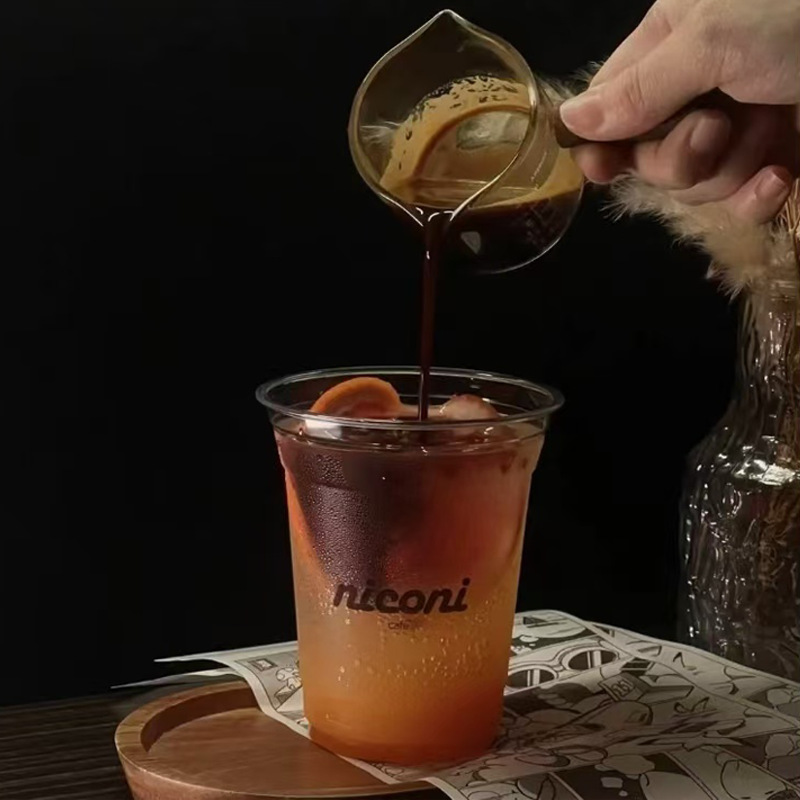
8. PLA and Bio-Based Plastics: Sustainability Does Not Reduce Scrutiny
 |
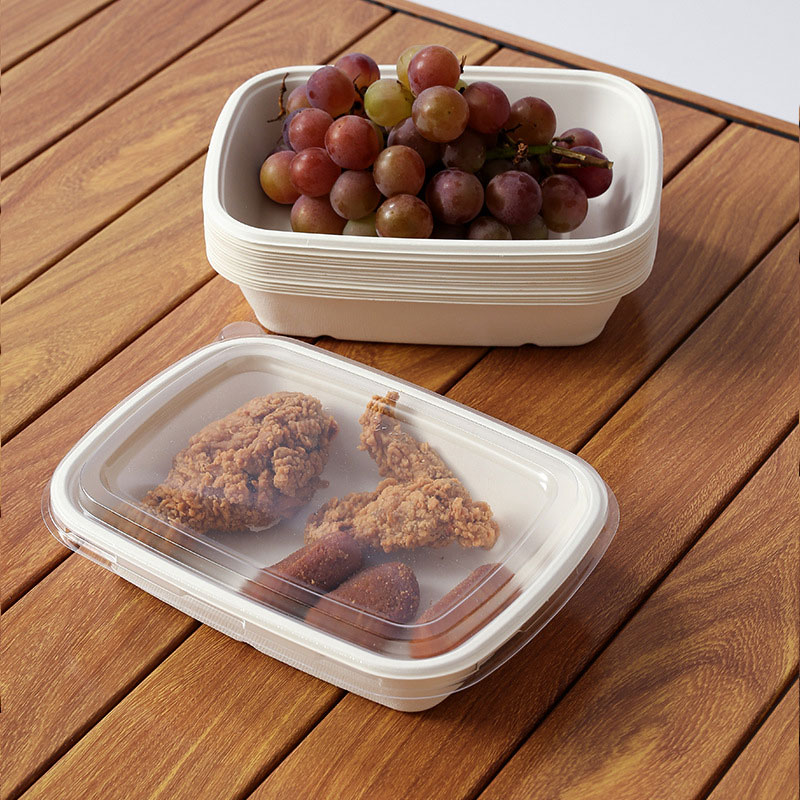 |
PLA is permitted in Japan, but it is often misunderstood by overseas suppliers.
Common Misconceptions
-
That biodegradable materials face fewer regulatory hurdles
-
That PLA is suitable for hot food
-
That compostability implies safety
In reality:
-
PLA must comply with the same safety standards as conventional plastics
-
Heat resistance limitations are closely evaluated
-
Additives and processing aids must still appear on the Positive List
Japanese regulators treat sustainability claims as marketing concepts, not safety justifications.
9. Cornstarch-Based Plastics: Formulation Is Critical

Cornstarch-based materials vary widely in composition.
Some are:
-
Blends with PP or PLA
-
Modified starch composites
-
Additive-heavy formulations
From a regulatory perspective, Japan evaluates these materials based on:
-
Actual polymer composition
-
Additives used
-
Intended food-contact conditions
Simply labeling a product as “cornstarch-based” carries no regulatory weight in Japan.
10. Fiber-Based Packaging: Bagasse and Paper Are Not Automatically Safe
Bagasse packaging is increasingly popular in Japan due to sustainability goals. However, fiber-based materials are not exempt from food-contact regulations.
Key regulatory concerns include:
-
Additives used in molding
-
Oil- and water-resistant coatings
-
Migration under heat
-
Odor and taste transfer
Uncoated bagasse may be acceptable for certain dry or semi-dry foods but problematic for oily or hot foods.
Japanese authorities often request usage limitation clarity, not just material composition.
11. Documentation: The Silent Gatekeeper of Compliance
In Japan, documentation quality can determine market access even when the product itself is safe.
Authorities expect:
-
Clear product descriptions
-
Consistent naming across documents
-
Application-specific compliance statements
-
Alignment between test reports and actual products
Common documentation-related failures include:
-
Reusing reports across different SKUs
-
Inconsistent material descriptions
-
Missing additive disclosure
-
Outdated compliance statements after design changes
These issues often lead to customs delays or requests for clarification.
12. Importer Responsibility Under Japanese Law
Under the Food Sanitation Act, the importer is legally responsible for ensuring compliance.
This includes:
-
Verifying supplier claims
-
Maintaining compliance records
-
Responding to inquiries from authorities
-
Taking corrective action when issues arise
Overseas manufacturers are rarely the first point of enforcement. Importers must be prepared to defend compliance decisions.
13. How Experienced Importers Manage Regulatory Risk in Japan
Professional buyers adopt a preventive strategy:
-
Define usage conditions precisely
-
Request Japan-specific compliance documentation
-
Avoid assumption-based material substitutions
-
Retest when materials or designs change
-
Work with manufacturers familiar with Japanese expectations
In Japan, compliance is a continuous process, not a one-time approval.
14. The Role of an Experienced Manufacturer
For importers sourcing packaging for Japan, an experienced manufacturer adds value by:
-
Understanding Positive List implications
-
Disclosing additive composition transparently
-
Aligning materials with realistic usage scenarios
-
Maintaining stable production and documentation systems
For PP trays, CPET meal trays, PET/RPET containers, and bagasse food packaging, this alignment significantly reduces compliance uncertainty during scaling.
15. Final Perspective: Why Japan Rewards Discipline
Japan is not an impossible market. It is a disciplined one.
Buyers who succeed in Japan do so because they:
-
Respect regulatory intent
-
Avoid shortcuts
-
Treat packaging as part of food safety, not a commodity
When approached correctly, Japan offers long-term stability, strong trust, and high standards that elevate both products and suppliers.
FAQ
1. What law governs food packaging compliance in Japan?
Japan regulates food packaging under the Food Sanitation Act (食品衛生法), which covers all food-contact materials and requires that packaging does not transfer harmful substances or alter food properties.
2. Does “FDA compliant” or “EU compliant” guarantee compliance in Japan?
No. Japan’s regulatory system is independent and requires its own Positive List evaluations, usage definitions, and documentation. Foreign compliance claims alone are not accepted as proof of compliance in Japan.
3. What is the Positive List system and why does it matter?
Japan’s Positive List specifies which base polymers and additives are permitted for food contact and under what conditions. A material or additive must be on the list to be legally used in packaging for the Japanese market.
4. Are recycled plastics like RPET allowed in Japan?
Yes, but Japan reviews recycled plastics more conservatively than many other markets. Importers must provide detailed documentation of recycling processes, contamination control, and traceability for RPET.
5. Does “biodegradable” or “compostable” packaging face the same scrutiny?
Yes. Definitions such as biodegradable or compostable (e.g., PLA, bagasse) do not reduce safety requirements. They must still comply with the same basic food-contact rules and be evaluated based on actual use conditions.
6. Who is responsible for compliance when importing packaging into Japan?
The importer is legally responsible for ensuring that all imported food packaging complies with Japanese regulations and that supporting documentation is accurate and application-specific.
Conclusion
Japan’s food packaging regulations require more than material compliance claims—they demand precise alignment between materials, usage conditions, and documentation. Importers who understand the Food Sanitation Act and Positive List system reduce regulatory risk, avoid clearance delays, and build long-term supply stability in the Japanese market.
References
-
Food Sanitation Act (Japanese Ministry of Health, Labour and Welfare)
https://www.mhlw.go.jp/english/ -
Positive List System for Food Contact Materials (Japanese FSL)
https://www.mhlw.go.jp/english/ -
FDA Food Contact Substances (U.S. FDA) — For comparative context (not Japan-specific)
https://www.fda.gov/food/food-ingredients-packaging/food-contact-substances-fcs -
EU Food Contact Materials Regulation (EC) No 1935/2004
https://food.ec.europa.eu/safety/chemical-safety/food-contact-materials_en -
Plastic Industry Polymer Guides (e.g., PlasticsEurope) — For material property context
https://plasticseurope.org/knowledge-hub -
European Bioplastics — PLA and Bioplastics Overview — Sustainability context
https://www.european-bioplastics.org/bioplastics/materials/
Copyright Statement
© 2026 Dashan Packing. All rights reserved.
This article is an original work created by the Dashan Packing editorial team.
All text, data, and images are the result of our independent research, industry experience,
and product development insights. Reproduction or redistribution of any part of this content
without written permission is strictly prohibited.
Dashan Packing is committed to providing accurate, evidence-based information and
to upholding transparency, originality, and compliance with global intellectual property standards.