

Unlock the advantages of ventilated food containers for your restaurant, catering, or retail business. From crispy fried foods to fresh fruits, discover why ventilation makes all the difference in food service packaging.
What Are Ventilated Food Containers?
Ventilated food containers are packaging solutions with built-in vents or perforations that let air and steam flow out. Unlike airtight packaging that traps moisture, vented containers prevent sogginess and help maintain the texture of food.
For fresh produce such as grapes, berries, or mushrooms, ventilation allows natural ethylene gas to escape—slowing ripening and extending shelf life. For hot foods, vented lids release steam, preventing condensation and keeping fried or baked items crispy.
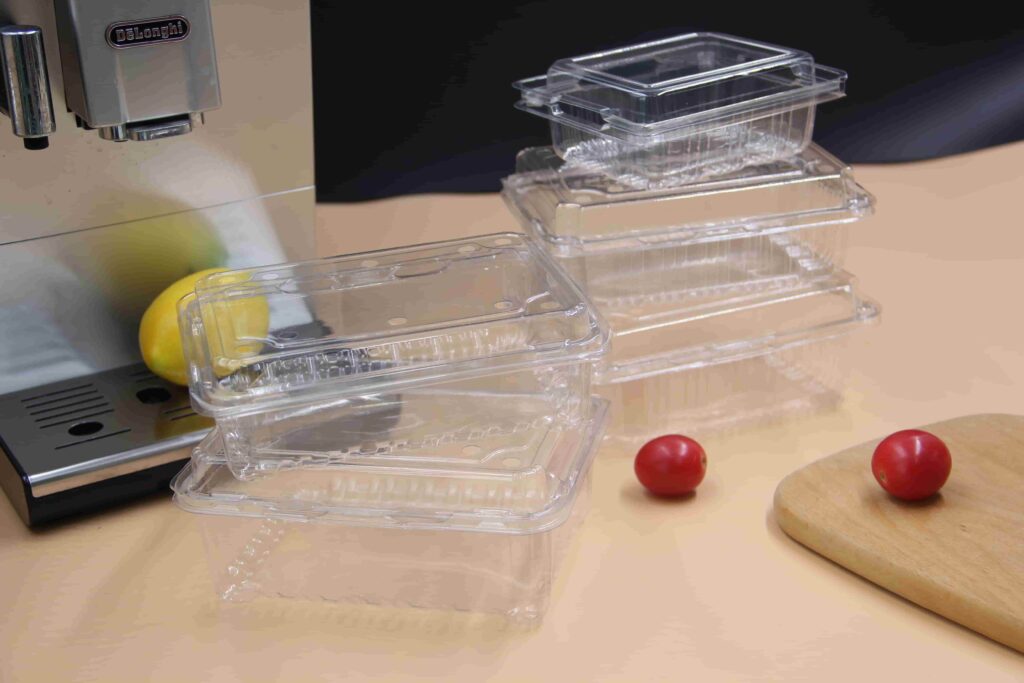
Types of Ventilated Food Containers
1. Plastic Ventilated Containers
-
Polypropylene (PP) Containers: Durable, microwave-safe, and widely used for takeout meals. Vent holes in PP lids allow steam release during reheating, keeping food safe and evenly heated.
-
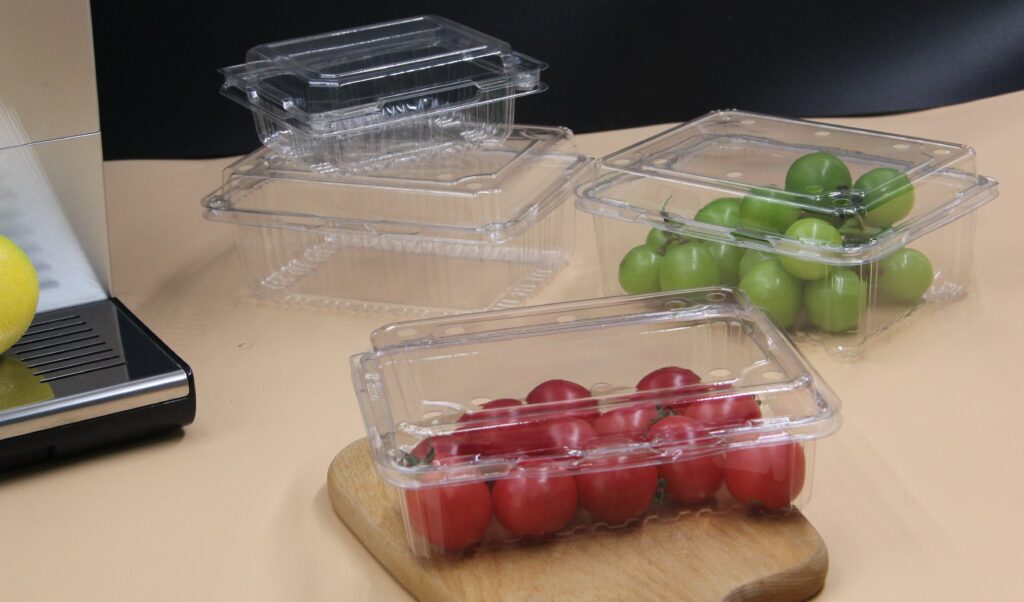
Polyethylene Terephthalate (PET) Containers: Best for cold foods like salads, fruit, or desserts. PET containers offer excellent clarity, making food look fresh and appealing, while small ventilation points help maintain freshness.
2. Eco-Friendly Ventilated Containers
-
Bagasse (Sugarcane Pulp) Containers: 100% compostable, heat-resistant, and microwave-safe. Many bagasse clamshells or trays feature subtle vent designs, making them a sustainable choice for hot and crispy foods.
3. Specialized Designs
-
Vented Clamshell Containers: Popular for burgers, sandwiches, fried chicken, and baked goods. Available in PP and bagasse.
-
Produce Containers: Designed with ventilation holes for grapes, berries, mushrooms, and vegetables to prolong shelf life.
-
Small Vent Boxes: Ideal for side dishes, snacks, or fruit portions.
-
Soup Containers with Vent Lids: Some soup cups use micro-vents to release pressure while keeping contents secure.
Advantages of Ventilated Containers
-
Keeps Food Crispy: Essential for fried foods and baked goods.
-
Better Microwave Heating: Safe reheating without splatters.
-
Reduces Condensation: Improves food visibility and presentation.
-
Extends Freshness: Produce stays plump and appealing longer.
-
Enhances Customer Satisfaction: Food arrives in its best condition.
Disadvantages to Consider
-
Faster Cooling: Heat escapes quicker than with airtight containers.
-
Potential Spillage: Requires careful design for liquid-rich foods.
-
Not Suitable for All Foods: Airtight containers remain better for soups, sauces, or freezer storage.
Application Scenarios
Ventilated containers are best for:
-
Hot Food Takeout – Fries, fried chicken, roasted veggies, and burgers.
-
Baked Goods – Bread, pies, pastries, and pizza.
-
Microwave Meals – Meal prep and safe reheating with vented lids.
-
Fresh Produce – Grapes, berries, mushrooms, and green beans.
-
Catering & Storage – Stackable vented boxes for bulk food handling.
Ventilated vs. Airtight Containers
| Feature | Airtight Containers | Ventilated Containers |
|---|---|---|
| Airflow | None | Controlled airflow |
| Moisture | Traps moisture | Releases excess moisture |
| Heat Retention | Strong | Moderate |
| Leak Resistance | High | Moderate |
| Ideal For | Soups, liquids, freezer storage | Crispy foods, produce, baked goods |
| Microwave Use | Lid removal needed | Safe reheating with vents |
How to Choose the Right Vented Food Container
-
Vent Placement – Ensure vents release moisture but prevent spills.
-
Material Selection – Use PP and PET for versatility, or bagasse for eco-friendly branding.
-
Supplier Reliability – Partner with trusted packaging manufacturers to ensure quality.
-
Size & Stackability – Match container sizes with your menu and optimize for transport.
Conclusion
Ventilated food containers are essential for businesses that want to keep meals tasting fresh and looking appetizing. From fried dishes to fresh produce, they help maintain quality during delivery, storage, and reheating. By choosing the right vented packaging—whether PP, PET, or bagasse—restaurants and catering services can improve customer satisfaction while supporting sustainability.
👉 Looking for high-quality ventilated food containers? Xiamen Dashan Packaging offers customizable PP, PET, and eco-friendly bagasse solutions designed for modern foodservice needs. Contact us today to find the best packaging for your business.
FAQ – Ventilated Food Containers
Q1: What foods are best stored in ventilated containers?
A: Ventilated containers are best for fried foods, baked goods, fresh produce like grapes and berries, and hot meals that benefit from steam release.
Q2: Can ventilated containers be used in the microwave?
A: Yes. Many PP containers with vented lids are microwave-safe, allowing steam to escape during reheating for safe and even heating.
Q3: Are ventilated containers eco-friendly?
A: Yes. Bagasse (sugarcane pulp) ventilated containers are biodegradable and compostable, offering a sustainable alternative to plastic.
Q4: What is the difference between airtight and ventilated containers?
A: Airtight containers trap moisture and are best for soups, sauces, or freezer storage. Ventilated containers release moisture, keeping foods crispy and produce fresh.
Q5: How do I choose the right ventilated food container for my business?
A: Consider food type, container material (PP, PET, or bagasse), vent placement, stackability, and whether your supplier can provide consistent quality.
References
-
U.S. Department of Agriculture (USDA) – Food Safety and Storage
https://www.fsis.usda.gov/ -
Institute of Food Technologists – Food Packaging Innovations
https://www.ift.org/ -
Packaging Strategies – Trends in Food Packaging
https://www.packagingstrategies.com/ -
Food and Agriculture Organization (FAO) – Food Packaging and Preservation
https://www.fao.org/ -
National Restaurant Association – Sustainable Foodservice Packaging
https://restaurant.org/
Disclaimer & Copyright Notice
This article is created by the Dashan Packing editorial and research team.All information presented here is for educational and industry reference purposes only.Some data and standards cited in this article are sourced from publicly available materials,official regulatory documents, or third-party publications, which are properly credited where applicable.
All rights to third-party trademarks, images, and content belong to their respective owners.If any copyrighted material has been used inadvertently, please contact us at [email protected].We respect intellectual property rights and will promptly remove or revise any material upon verification.