

Quick Answer: Key Compliance Trends for 2026
In 2025 and 2026, U.S. food packaging regulations are experiencing the most dramatic shift in a decade, rapidly tightening toward three main pillars: high recyclability, uncompromising material safety, and zero chemical risks. To successfully import packaging into the US, buyers must strictly navigate beyond basic FDA standards for Food Contact Substances (FCS). The new baseline requires mandatory chemical safety testing (specifically certified PFAS-free documentation), adherence to Extended Producer Responsibility (EPR) programs, and compliance with a growing wave of state-level restrictions on single-use materials and misleading “green” labeling.
Why This Matters: The Real Costs of Non-Compliance in 2026
For food brands, restaurant chains, and packaging wholesalers, treating regulatory compliance as an “afterthought” is a guaranteed path to severe financial loss. The U.S. market has moved from voluntary green initiatives to strict legal enforcement. Sourcing non-compliant packaging from overseas can trigger a cascade of business disruptions:
[Mini Case Study: The $150,000 “Forever Chemical” Disaster]
In late 2025, a mid-sized U.S. eco-packaging distributor imported two high-cube containers of bagasse (sugarcane fiber) plates from a low-cost manufacturer. Although the supplier provided an “FDA-Compliant” certificate from 2023, they failed to provide a 2025-certified Total Organic Fluorine (PFAS) test.
The Outcome: Upon arrival at the Port of Long Beach, California, the shipment was flagged for a random spot check. Lab results detected intentionally added PFAS used for grease resistance—a direct violation of California’s strict health codes.
Immediate Impact: The entire $150,000 shipment was denied entry and ordered for destruction at the importer’s expense.
Long-term Damage: The distributor faced a $25,000 state fine and lost a major contract with a national salad chain that required “Clean Packaging” verification.
Direct Risks of Non-Compliance:
-
Customs Clearance Failures & Port Holds: U.S. Customs and Border Protection (CBP) is increasingly scrutinizing imported food contact materials. Shipments lacking proper, updated FDA documentation or failing spot-checks for restricted chemicals like PFAS or Lead are frequently held or destroyed.
-
Mass Recalls and Retailer Rejection: Major e-commerce giants (like Amazon) and national retail chains (like Whole Foods) now operate as their own gatekeepers. If a product on the shelf is found to contain banned substances, the recall costs and platform de-listing can bankrupt a supplier.
-
Legal Penalties & Brand Damage: States like CA and NY actively fine companies for using restricted materials. In the age of social media, a public scandal involving unsafe chemicals in your food packaging can permanently damage consumer trust.

Key Regulations: Navigating the Federal vs. State Landscape
You don’t need to be an attorney, but as an importer, you must understand that the U.S. operates on a two-tiered legal system governing food packaging. Complying with one does not guarantee compliance with the other.
1. The Federal Level (FDA Baseline)
The U.S. Food and Drug Administration (FDA) regulates any material intended to come into contact with food under the Federal Food, Drug, and Cosmetic Act.
-
Food Contact Substances (FCS): Every component of your packaging—the resin, the colorants, the adhesives, and the coatings—must be approved. Materials must be classified as GRAS (Generally Recognized As Safe) or have a specific Food Contact Notification (FCN).
-
Migration Limits: The FDA mandates that packaging materials must not transfer (migrate) harmful levels of substances into the food under intended use conditions (e.g., high heat in a microwave).
-
GMP (Good Manufacturing Practices): Your overseas supplier must prove the packaging is produced in a sanitized, controlled environment to prevent accidental contamination.
2. The State Level (The Real Challenge for 2025-2026)
State laws are moving much faster and are significantly stricter than federal guidelines. A product that passes FDA standards might still be illegal in California or New York. Key trends include:
-
The War on PFAS (“Forever Chemicals”): Over 12 states (including CA, NY, WA, and CO) have enacted strict bans on intentionally added Per- and Polyfluoroalkyl Substances (PFAS) in food packaging. Historically used to make paper and bagasse grease-resistant, these chemicals are now the biggest compliance trap for importers.
-
Extended Producer Responsibility (EPR): States like Maine, Oregon, and California (via SB 54) are shifting the financial burden of recycling onto producers and importers. Brands must now track their packaging footprint and pay fees based on how recyclable or compostable their materials actually are.
-
Truth in Labeling Laws: You can no longer slap a “recyclable” chasing-arrows symbol on a product unless it meets strict, local criteria for being processed in municipal facilities.

Material Options: 2026 Compliance Comparison
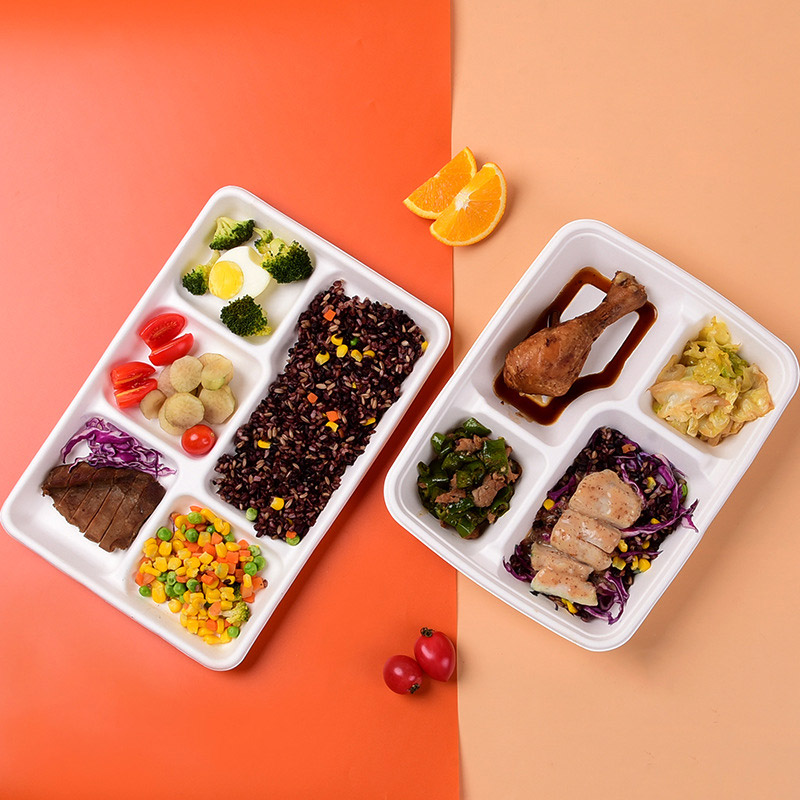
Selecting the right material requires balancing cost, performance, and legal risk. Here is how the most common materials stack up against 2026 regulations:
| Material Type | Best Use Cases | Regulatory Risk Level | Compliance Focus & Strategy |
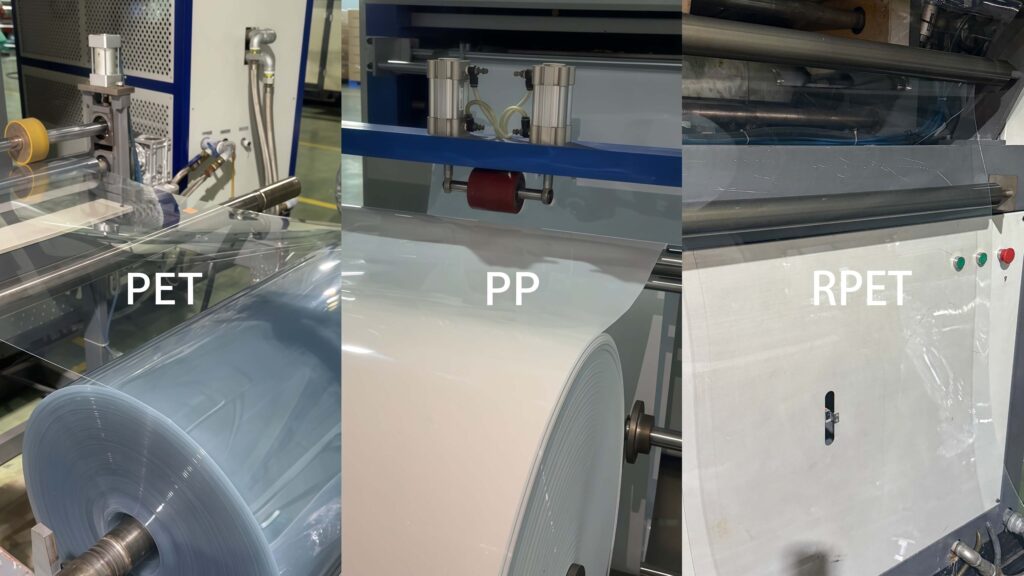
| PET / rPET | Cold beverage cups, transparent deli containers, fruit clamshells. | Low – Medium | Must ensure basic FDA compliance. For recycled PET (rPET), you need strict tracing and FDA “No Objection Letters” (NOL) to prove the recycled resin is safe for food contact. |
| PP (Polypropylene) | Microwave-safe takeout boxes, hot food containers, heavy-duty tubs. | Low | Generally highly accepted. Requires thorough migration testing to ensure no chemical leaching occurs at high temperatures (microwave use). |
| Bagasse (Sugarcane) | Eco-friendly takeout clamshells, plates, heavy-duty catering bowls. | Medium – High | High alert for PFAS. While environmentally highly favorable, you must secure certified, third-party PFAS-free testing reports to pass stringent state-level bans. |
| PLA (Corn Starch) | Cold drink lids, compostable straws, clear deli boxes. | Medium | Must meet ASTM D6400 industrial compostability standards. High risk of “greenwashing” fines if state rules on “compostable” labeling are not strictly followed. |
Common Buyer Mistakes in the Import Process
Even experienced buyers make critical errors when adapting to the new regulatory landscape. Avoid these costly pitfalls:
-
Assuming “Eco-Friendly” Means “Chemically Safe”: This is the most common mistake. A bagasse bowl that biodegrades in 90 days can still fail customs and trigger state fines if it was manufactured using PFAS-based grease repellents. Compostability does not equal chemical safety.
-
Accepting Outdated Test Reports from Factories: Regulatory testing standards update almost annually. Relying on a factory’s generic SGS test report from 2022 is a massive risk. Customs expects tests that reflect the current year’s legal thresholds.
-
Ignoring Local Market Realities: Buying one unified packaging solution for the entire U.S. is becoming difficult. Selling a specific bioplastic product might be perfectly legal in Texas but face heavy labeling restrictions or EPR fees in California.
-
Treating Packaging as a Commodity, Not a Liability: Chasing the absolute lowest unit price in China often means buying from factories that cut corners on certified raw materials or skip necessary chemical testing, transferring all the legal risk directly to you, the importer.
Supplier Checklist: What to Verify Before Placing an Order
Do not wire a deposit until your packaging manufacturer can provide a comprehensive compliance package. A reliable partner should readily supply:
-
[ ] Declaration of Compliance (DoC): A formal, signed document explicitly stating the product meets specific FDA 21 CFR standards for your intended use case.
-
[ ] Recent Third-Party Test Reports: Unredacted lab results from internationally recognized bodies (SGS, Intertek, TUV) dated within the last 12 months, covering heavy metals and overall migration.
-
[ ] PFAS-Free Certification: Specifically required for any molded fiber, paper, or bagasse products claiming grease resistance. Ask for an “Total Organic Fluorine” test.
-
[ ] Detailed Material Specifications: Clear documentation of the exact resins, pulps, additives, and color masterbatches used in production.
-
[ ] Production Quality Certifications: Evidence of factory audits like ISO 9001, BRCGS, or equivalent, proving they maintain stable, hygienic production environments.

FAQ: Navigating US Packaging Laws in Real Time
1. Is plastic food packaging completely banned in the US?
No. While specific single-use items (like EPS foam/Styrofoam or single-use plastic bags) are banned in many states and municipalities, highly recyclable plastics like PET and PP remain perfectly legal and widely used, provided they meet FDA safety standards and adhere to local truth-in-labeling laws regarding recycling symbols.
2. What is the most critical document to have ready for US Customs?
The Declaration of Compliance (DoC) proving FDA standards is paramount. This should be accompanied by accurate Bills of Lading and commercial invoices that clearly detail the material composition of the goods.
3. What exactly does “PFAS-free” mean for food packaging?
It means the packaging is manufactured without intentionally adding per- and polyfluoroalkyl substances. These chemicals were traditionally used to make paper plates and bowls resist water and hot grease. They are now heavily restricted due to strong links to severe health risks and environmental persistence.
4. Can I use the exact same packaging for both the US and the EU markets?
Not always. While both regions maintain incredibly strict standards (FDA in the US vs. EFSA in the EU), their testing methodologies, specific chemical thresholds, and focus areas differ. You cannot simply use an EU compliance certificate to clear US customs. Always ask your supplier for market-specific test reports.
5. How do I verify if my overseas supplier’s compliance claims are actually true?
Never accept screenshots or heavily cropped documents. Always request full, unredacted third-party lab reports. Verify the date, ensure the specific product tested matches what you are buying, and confirm the testing facility is an accredited, internationally recognized laboratory.
Practical Takeaway & Conclusion
Succeeding in the U.S. food packaging market in 2025 and 2026 requires fundamentally shifting your procurement strategy. The era of simply hunting for the “lowest price per unit” is over. Today, successful buyers need manufacturing partners who deeply understand shifting legal frameworks, proactively conduct rigorous material testing, and guarantee production stability batch after batch. Risk control is now your primary cost control.
Whether you are looking to import highly recyclable, high-clarity [ Internal Link: PET cups] or are actively exploring fully compliant, genuinely PFAS-free [ Internal Link: food containers] for the West Coast market, working with a highly knowledgeable factory is the only way to mitigate your import risks.
Don’t let unexpected compliance issues freeze your supply chain. Learn more [ Internal Link: about us] and our strict, export-ready quality control processes, or [ Internal Link: contact us] today to discuss your 2026 packaging strategy with our compliance experts.
References & Authoritative Sources
To ensure your supply chain remains fully compliant, Dashan bases its manufacturing and material standards on the latest guidelines from the following regulatory bodies:
-
U.S. Food and Drug Administration (FDA): Title 21 of the Code of Federal Regulations (CFR) – Food and Drugs, Parts 170-199.
-
California Legislative Information: SB-54 Solid waste: reporting, packaging, and plastic food service ware (EPR Guidelines).
-
U.S. Environmental Protection Agency (EPA): Guidelines on Per- and Polyfluoroalkyl Substances (PFAS) restrictions.
-
ASTM International: ASTM D6400 – Standard Specification for Labeling of Plastics Designed to be Aerobically Composted in Municipal or Industrial Facilities.
(Note: The regulatory landscape is subject to change. Always consult with legal counsel or a certified testing laboratory for the most current compliance requirements for your specific state or market.)
Copyright & Legal Disclaimer
© 2026 Dashan Packing. All rights reserved.
This comprehensive regulatory guide is an original work created by the Dashan Packing compliance and editorial teams.
All text, compliance checklists, material comparison data, and regulatory interpretations are the result of our independent research, deep export industry experience, and ongoing monitoring of U.S. packaging laws. Reproduction, scraping, or redistribution of any part of this content—including the comparison tables and compliance frameworks—without explicit written permission is strictly prohibited.
Dashan Packing is committed to empowering global importers with accurate, evidence-based information and to upholding transparency, originality, and compliance with global intellectual property standards.
(Note: The information provided in this article is for educational and strategic planning purposes only and does not constitute formal legal advice. Importers should always consult with certified legal counsel or testing laboratories for specific compliance rulings.)