

Quick Summary
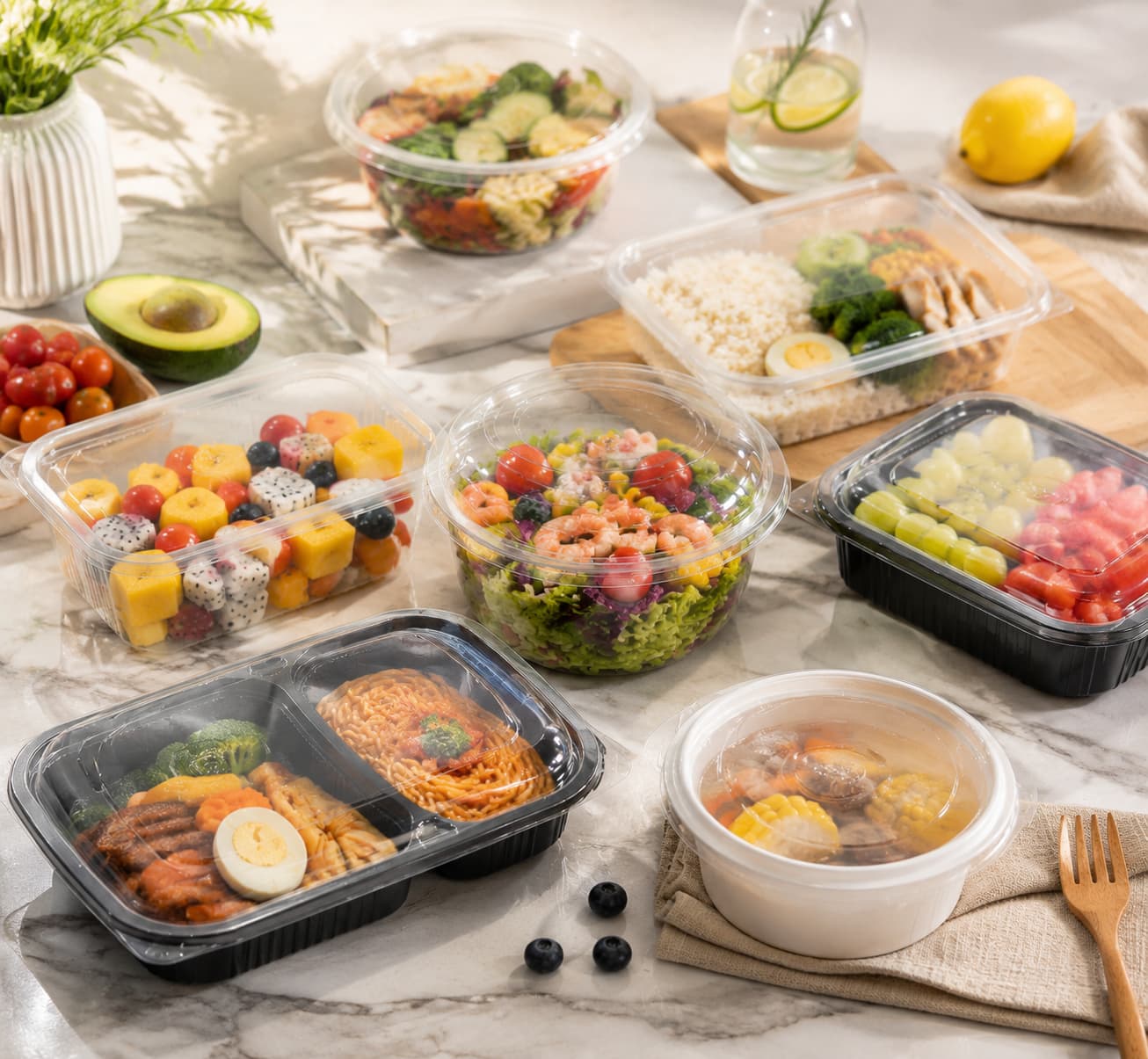
Migration limits are a cornerstone concept in food packaging safety, defining the maximum legally permitted amount of substances that can transfer from packaging materials into food. These limits are carefully established by regulatory authorities like the FDA in the U.S., EFSA in the EU, and other national food safety agencies, based on scientific research and toxicological studies. The goal is to ensure that any chemical migration from packaging materials—such as PET cups, PP trays, or CPET meal containers—is so minimal that it poses no risk to human health. This article explores migration limits in depth, including their purpose, scientific basis, testing methodologies, regulatory context, and significance for both manufacturers and consumers.
Explore DaShan’s FDA-compliant PET and PP packaging: [DaShan Packaging ]
What Are Migration Limits and Why Do They Exist?
A migration limit refers to the maximum amount of a substance—such as plasticizers, stabilizers, additives, or colorants—that is legally allowed to migrate from a food packaging material into the food it contains. These limits are expressed in precise units, typically mg/kg of food or µg/cm² of packaging surface area, depending on the jurisdiction and type of material. Migration limits exist because even materials deemed safe can release trace amounts of chemicals under specific conditions, such as exposure to heat, acidic foods, or prolonged storage. Without defined limits, it would be impossible to regulate packaging safety, leaving consumers vulnerable to long-term health risks from cumulative chemical exposure.
Regulatory agencies establish these limits through rigorous toxicological evaluation, which considers acute and chronic toxicity, mutagenicity, reproductive effects, and organ-specific impacts. Authorities then incorporate large safety margins to account for uncertainties, including variability in consumer behavior, environmental conditions, and product usage. The outcome is a stringent regulatory framework that ensures even worst-case scenarios result in negligible chemical transfer. For manufacturers and importers, understanding and complying with migration limits is essential not only to meet legal requirements but also to protect brand reputation and maintain consumer trust.
Scientific Basis of Migration and Risk Assessment
Migration from packaging occurs when molecules diffuse from the material into the food matrix. The rate of migration depends on several factors:
- Temperature: High heat accelerates chemical movement. For example, PET and CPET trays used for hot meals must be carefully evaluated to ensure migration remains within safe limits.
- Contact Time: The longer food is in contact with the packaging, the higher the potential for migration. Products stored for weeks require stricter material verification.
- Food Type: Acidic, oily, or alcoholic foods can interact differently with packaging, potentially enhancing chemical transfer.
- Material Composition: Additives, colorants, and polymer structures all influence migration behavior.
Risk assessment combines these factors with toxicological data to define the migration limit. The process involves estimating consumer exposure based on typical portion sizes and frequency of consumption, then applying safety factors to ensure the resulting limits are conservative. This scientific rigor guarantees that even in extreme conditions, consumers remain fully protected, and the packaging is deemed safe for everyday use.
Regulatory Framework and Compliance
Migration limits are enforced worldwide through legislation, such as:
- FDA 21 CFR 177.1630 (U.S.): Governs PET and other plastic materials for food contact, specifying chemical purity, extraction limits, and testing requirements.
- EU Regulation 10/2011 (EU): Sets specific and overall migration limits for plastics in contact with food, including detailed testing protocols.
- National Standards: Many countries adopt similar safety thresholds based on FDA or EFSA guidance.
Compliance requires manufacturers to provide certificates of analysis (COA), batch traceability, and documentation of testing procedures. Importers and retailers must verify that their packaging meets all relevant limits to avoid customs delays, product recalls, or fines. Companies like DaShan ensure their PET, PP, and CPET products are fully compliant, performing extensive migration and extraction testing under simulated use conditions, including hot, cold, acidic, and fatty foods. This proactive approach guarantees both legal compliance and consumer safety, building confidence for international clients.
Learn more about DaShan’s FDA-compliant PET and CPET packaging

Testing Methods for Migration Limits
Migration testing is critical for validating compliance. Common testing methods include:
- Specific Migration Testing: Quantifies individual substances that may leach into food simulants, such as ethanol, water, or acetic acid.
- Overall Migration Testing: Measures the total amount of all substances migrating from the packaging into the simulant.
- Simulated Use Conditions: Packaging is exposed to extreme conditions (temperature, time, and food type) to mimic real-world use.
Certified laboratories use analytical techniques like HPLC, GC-MS, or ICP-MS to detect chemicals at microscopic levels. Only products passing these rigorous tests are approved for consumer use. This ensures that even trace amounts of migrated substances remain well below regulatory limits, reinforcing the safety of everyday food and beverage packaging.
Migration Limits Across Different Packaging Materials
Different materials behave differently with respect to migration:
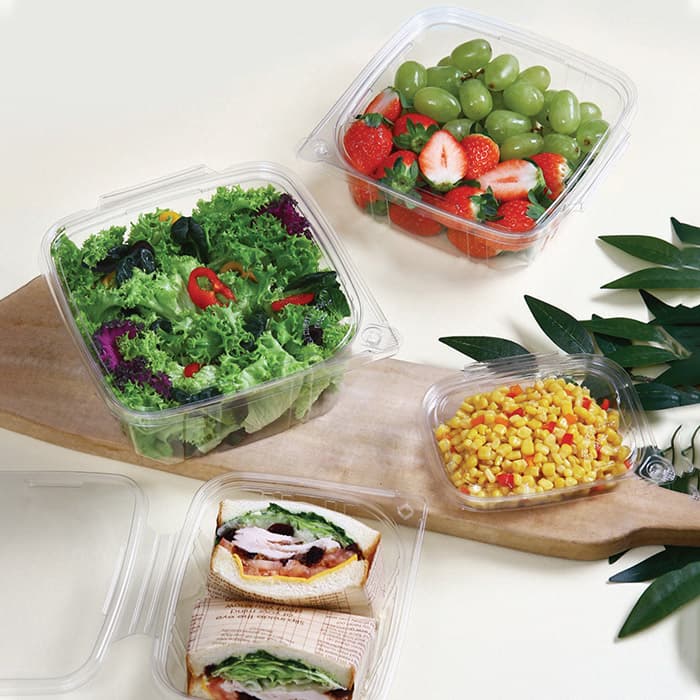
- PET (Polyethylene Terephthalate): Highly inert and transparent, widely used for cups, fruit trays, and salad containers. Exhibits extremely low migration potential under normal use conditions.
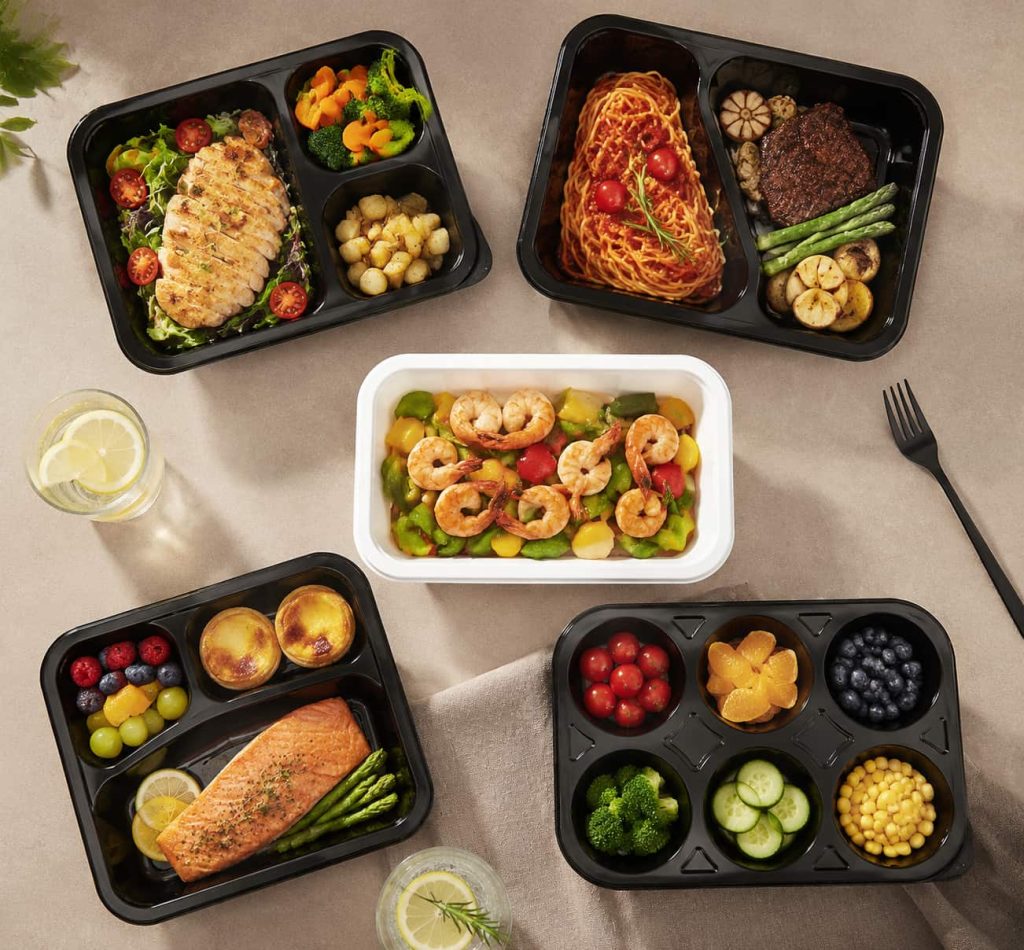
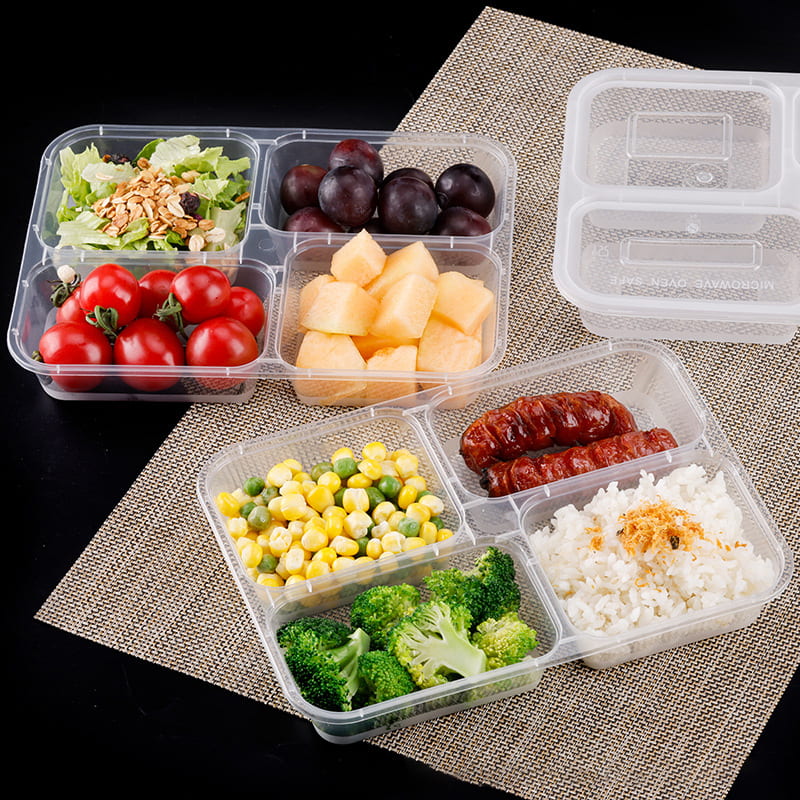
- PP (Polypropylene): Flexible and durable, used in multi-compartment meal trays. Moderate chemical resistance; migration testing focuses on additives.
- CPET (Crystallized PET): High heat resistance, ideal for ready-meal trays. Migration tests ensure colorants and stabilizers remain below limits under high-temperature conditions.
Material selection, process control, and reliable supplier certification are all essential to ensure migration remains within legal and safe thresholds.
Our product highlight: [DaShan PET, PP, CPET Trays]
Importance for Consumers and Brands
Migration limits protect consumer health while enabling brands to communicate safety and quality. When packaging complies with global migration limits, companies can confidently market products as food-grade, safe, and reliable, reinforcing brand trust. For consumers, these limits ensure that even in hot, cold, acidic, or fatty foods, the packaging will not compromise safety or taste.
By understanding migration limits, manufacturers, regulators, and consumers participate in a collaborative safety ecosystem, where scientific standards guide design, production, and regulation, ensuring that every packaged meal, salad, or beverage is safe, reliable, and enjoyable.
Conclusion
Migration limits are a critical safety parameter in modern food packaging. They define the threshold for chemical transfer from materials into food, ensuring consumer safety under all realistic conditions. Through scientific risk assessment, rigorous testing, and compliance with international standards, manufacturers like DaShan guarantee that PET, PP, and CPET trays and cups are safe, durable, and legally compliant. These practices protect consumers, support global trade, and strengthen brand reputation, establishing confidence in every packaged meal and beverage.
Contact DaShan for FDA-compliant and tested PET, PP, and CPET packaging solutions
Frequently Asked Questions (FAQ)
1. What is a migration limit in food packaging?
A migration limit defines the maximum legally allowed amount of substances that can transfer from packaging materials into food. This ensures that any chemical migration is extremely low and poses no risk to human health.
2. Why are migration limits important?
Migration limits protect consumer safety by controlling chemical transfer from packaging materials like PET, PP, and CPET. They also help manufacturers comply with regulations, avoid recalls, and maintain brand reputation.
3. How are migration limits determined?
Regulatory authorities determine limits using toxicological studies, exposure assessments, and safety margins. Factors like food type, contact time, and temperature are considered to ensure limits are safe under all realistic conditions.
4. Which materials are subject to migration limits?
All food contact materials can be subject to migration limits, including PET cups, PP trays, CPET meal containers, and plastic lids. Each material is tested according to its chemical composition and intended use.
5. How is compliance with migration limits tested?
Compliance is verified through specific migration tests, total migration tests, and simulated use conditions. Laboratories use analytical techniques such as HPLC, GC-MS, and ICP-MS to measure chemical transfer.
6. What is the role of manufacturers like DaShan?
Companies like DaShan ensure that all packaging materials meet migration limits, perform rigorous testing, provide Certificates of Analysis (COA), and support regulatory compliance for international markets.
References
- FDA, Guidance for Industry: Use of Food Contact Materials, 2023. https://www.fda.gov/food/packaging-food-contact-substances-fcs
- EFSA, Scientific Opinion on Food Contact Materials, 2022. https://www.efsa.europa.eu/en/topics/topic/food-contact-materials
- European Commission, Regulation (EU) No 10/2011 on plastics in contact with food, 2021. https://eur-lex.europa.eu/legal-content/EN/TXT/?uri=CELEX%3A32011R0010
- DaShan Packaging, PET, PP, and CPET Food Packaging Compli
Copyright Notice
© 2026 DaShan Packaging. All rights reserved.
All content in this article, including text, images, tables, and other materials, is the intellectual property of DaShan Packaging. No part of this publication may be reproduced, distributed, transmitted, or used in any form without prior written permission from DaShan Packaging.