

Quick Summary
This article explores how transparent PP cups and inner white outer colored PP cups reflect two distinct packaging strategies in the beverage industry—one focused on showcasing the product, and the other on reinforcing brand identity. By analyzing real usage scenarios, material advantages of PP, and evolving consumer preferences, it explains why more brands are rethinking their packaging choices. The article also highlights how combining both cup types can help businesses balance visual appeal, customer experience, and long-term brand building.
In today’s beverage market, a cup is no longer just a container. It has quietly become part of the product itself.
Walk into any modern tea shop or scroll through social media, and you’ll notice something interesting: customers are not only buying drinks, they are also buying how those drinks look in their hands, in photos, and on their feeds. Packaging has evolved into a visual language—one that communicates freshness, quality, and brand identity within seconds.
Among the many packaging options available, two types of PP cups are rapidly gaining attention: transparent PP cups and inner white outer colored PP cups. At first glance, the difference seems simple. But in reality, each represents a completely different business strategy.
This article breaks down how these two cup types function in real-world scenarios—and how to choose the right one for your brand.
The Rise of Visual Packaging in the Beverage Industry
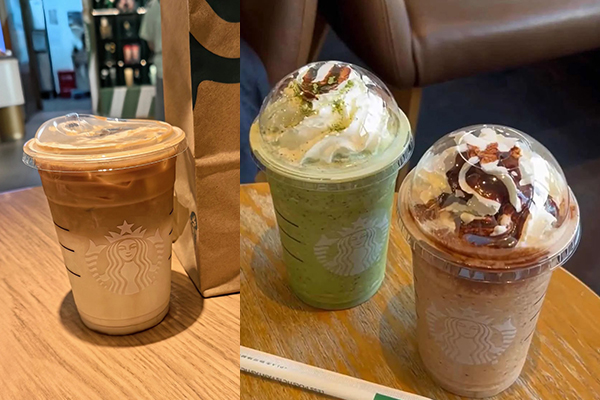
The beverage industry has shifted dramatically over the past decade. What used to be a product-driven market is now heavily influenced by visual appeal and brand storytelling.
Consumers today are more likely to try a drink because it looks good. Bright fruit layers, creamy textures, and vibrant colors all play a role in driving impulse purchases. At the same time, strong branding helps businesses stand out in a crowded market where dozens of similar drinks compete for attention.
This shift has created two dominant packaging directions:
- Visibility-driven packaging, where the product itself is the star
- Brand-driven packaging, where the cup reinforces identity and recognition
Transparent and colored PP cups sit at the center of these two approaches.
Two Different Logics: Show the Product vs Build the Brand
Understanding the difference between these two cup types is less about materials and more about marketing logic.
Transparent PP Cups: Selling the Product Itself
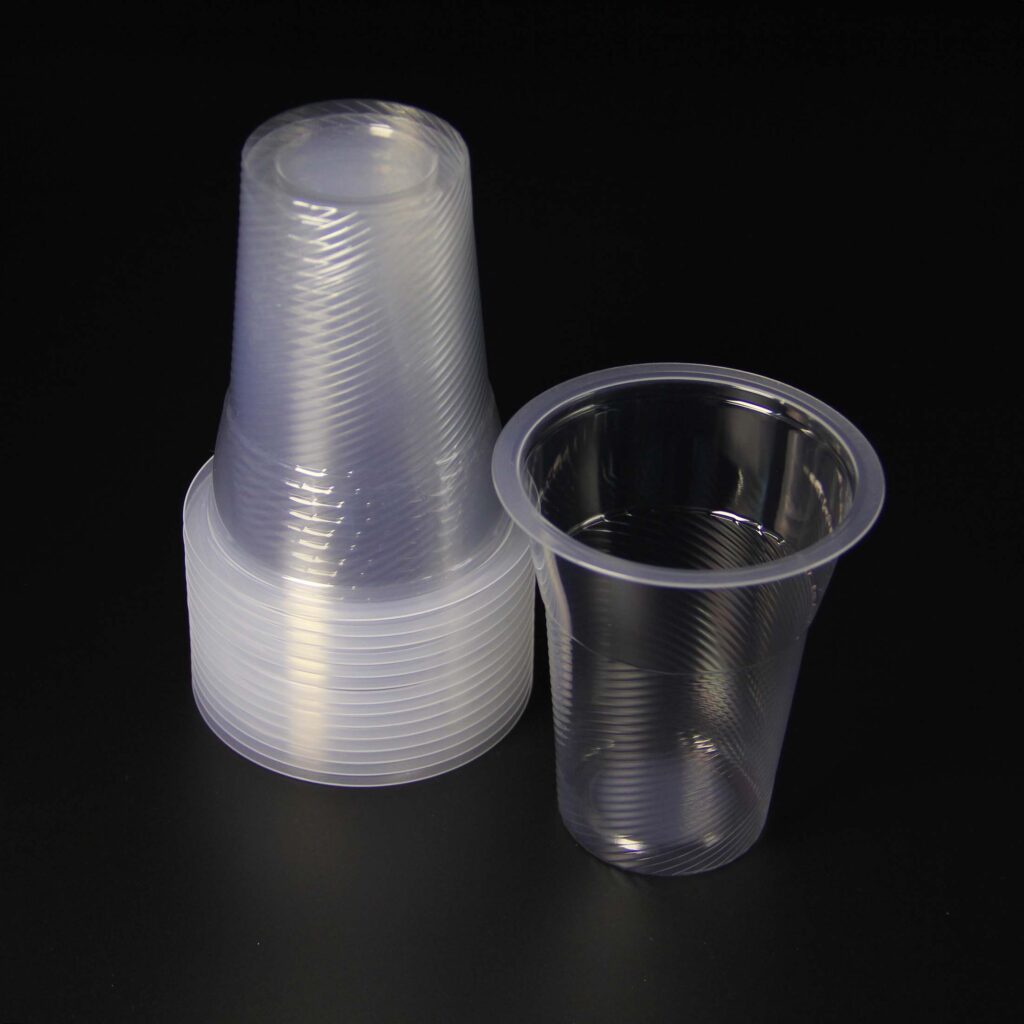
Transparent PP cups are designed to showcase what’s inside. Every layer, color, and texture becomes part of the customer experience.
This is especially effective for drinks like fruit tea, bubble tea, iced beverages, and desserts. The visual presentation creates an immediate emotional response—freshness, flavor, and quality are all communicated without a single word.
In many cases, the cup itself becomes a silent salesperson. Customers see the product before they taste it, and that visual trigger often leads directly to purchase.
Transparent cups are particularly effective in:
- High-traffic retail environments
- Grab-and-go scenarios
- Social media-driven brands
They support impulse buying and help turn products into shareable content.
Inner White Outer Colored PP Cups: Selling the Brand
In contrast, inner white outer colored PP cups focus less on the product and more on the brand behind it.
The white inner layer ensures a clean, food-safe appearance, while the colored exterior delivers strong visual consistency. Whether it’s red, blue, yellow, or green, the outer color becomes part of the brand identity.
This type of cup is commonly used by coffee chains and established beverage brands that prioritize recognition over product visibility. Customers may not see the drink inside—but they instantly recognize where it came from.
Colored cups are especially effective for:
- Coffee and hot beverages
- Chain stores and franchise systems
- Brands with established visual identity guidelines
They help create a more professional and cohesive brand image, which can justify higher pricing and build long-term customer loyalty.
How Brands Actually Use These Cups in Practice
In real-world applications, the choice is rarely random. It reflects how a business positions itself.
A typical fruit tea shop, for example, will often choose transparent cups to highlight the freshness of its ingredients. The visual appeal becomes part of the product experience.
On the other hand, a coffee brand is more likely to use colored cups to maintain consistency across locations. Customers don’t need to see the coffee—they trust the brand.
Interestingly, many fast-growing chains are now using both.
Cold drinks are served in transparent cups to attract attention, while hot drinks are served in colored cups to reinforce brand identity. This hybrid approach allows brands to balance short-term sales with long-term recognition.
Why PP Material Is Becoming the Preferred Choice

Beyond appearance, material selection is another critical factor. Polypropylene (PP) is increasingly favored in the beverage packaging industry for several reasons.
First, PP offers excellent heat resistance. Unlike some alternatives, it can safely handle both hot and cold beverages, making it highly versatile.
Second, it provides a stable and food-safe structure, meeting international safety standards. This is particularly important for brands operating in multiple markets.
Third, PP is recyclable, aligning with the growing global focus on sustainability. While no single material is perfect, PP represents a practical balance between performance, safety, and environmental considerations.
Compared to PET, which is typically used for cold drinks, PP expands usability by supporting hot beverages without compromising structural integrity.
The Overlooked Factor: Customer Experience
While visual appeal and branding are important, customer experience often plays an equally critical role in packaging decisions.
The thickness and rigidity of a cup affect how it feels in hand. A flimsy cup can undermine the perceived quality of a drink, while a sturdy one enhances it.
For hot beverages, insulation becomes essential. Double-layer or thicker PP cups help reduce heat transfer, making them more comfortable to hold.
Even small details—such as lid fit, drinking experience, and cup balance—can influence whether a customer returns.
In this sense, packaging is not just about appearance. It directly shapes how customers interact with a product.
How to Choose the Right Cup for Your Business
Choosing between transparent and colored PP cups ultimately comes down to your business model.
If your goal is to highlight the product itself and encourage impulse purchases, transparent cups are the stronger option. They turn your drinks into visual assets.
If your priority is building a recognizable and consistent brand, colored cups offer greater long-term value. They reinforce identity and professionalism.
For many businesses, the most effective strategy is not choosing one over the other, but combining both. Using different cups for different product lines allows you to maximize both visibility and branding.
Customization: Where Real Differentiation Happens
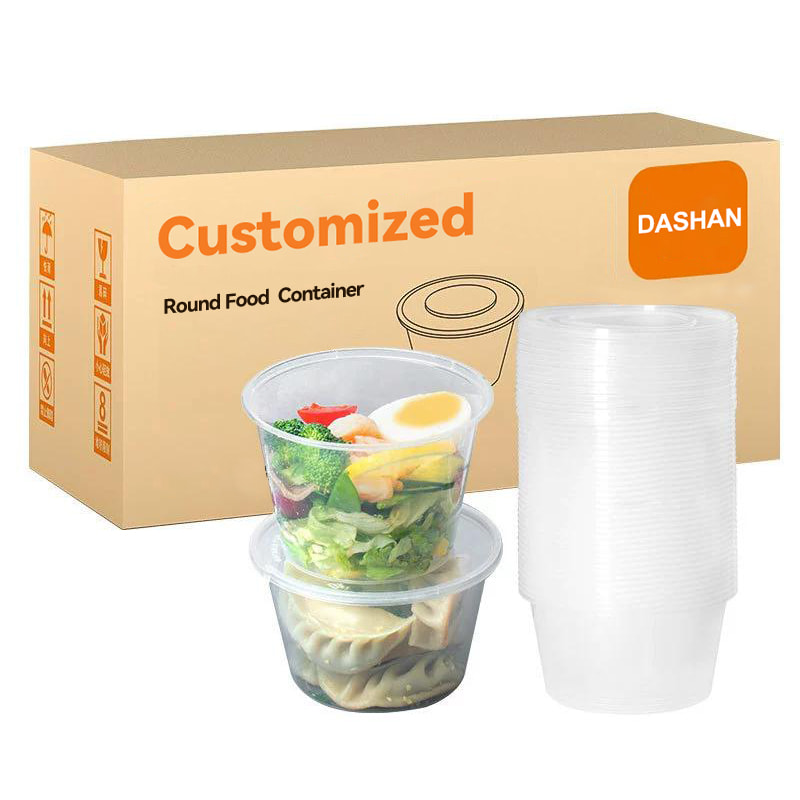
No matter which type of cup you choose, customization is where real competitive advantage lies.
From size and color to printing and lid compatibility, tailored packaging allows brands to stand out in subtle but meaningful ways. Even small adjustments can create a distinct look and feel that customers remember.
For growing brands, investing in customized packaging is often one of the most cost-effective ways to elevate perceived value.
This is why many brands eventually turn to experienced partners like DASHAN when they are ready to standardize and scale their packaging.
FAQ
1. Is PP a safe material for both hot and cold beverages?
Yes. Polypropylene is widely approved for food contact use and can typically withstand temperatures up to around 100–120°C, making it suitable for both hot coffee and cold drinks without deformation or chemical migration risks under normal use.
2. When should I choose PP over PET cups?
Choose PP when your product line includes hot beverages or when you need higher temperature resistance. PET is generally limited to cold applications and may deform under heat, while PP offers broader usability.
3. Do colored PP cups affect food safety or taste?
No. In inner white outer colored PP cups, the inner layer remains food-contact safe and neutral. The outer color layer is designed for branding and does not interact with the beverage.
4. Which cup type is more cost-effective in the long run?
Transparent cups typically have lower upfront costs and are ideal for high-volume sales. Colored cups may have higher unit costs due to customization, but they can increase brand value and allow for premium pricing, improving long-term margins.
5. How do I decide between product visibility and brand consistency?
It depends on your business model. If your sales rely on visual appeal (e.g., fruit teas, layered drinks), prioritize transparency. If you operate a chain or franchise, consistent branding through colored cups is usually more important.
6. Can I use both transparent and colored cups in one brand system?
Yes, and this is increasingly common. Many brands use transparent cups for cold drinks to enhance visual appeal, and colored cups for hot beverages to maintain brand identity and improve user experience.
7. What are the key factors when selecting a cup supplier?
Beyond price, evaluate production consistency, customization capability, regulatory compliance, lead time, and export experience. These factors directly impact scalability and brand reliability.
Conclusion: Packaging as a Silent Sales Tool
In a competitive beverage market, packaging does more than hold a drink—it communicates value, attracts attention, and builds recognition.
Transparent PP cups and inner white outer colored PP cups are not competing solutions. They are tools designed for different purposes.
One helps sell the product.
The other helps build the brand.
Understanding when and how to use each is what separates ordinary packaging from strategic packaging.
References
- European Commission
EU Food Contact Materials – Plastics Regulation Overview
👉 Official regulatory portal, covering the overall regulatory framework for plastic food contact materials. - European Commission
Plastic Food Contact Materials & Safety Requirements
👉It is clearly stated that plastics must meet safety assessment and migration restriction requirements. - European Union
Commission Regulation (EU) No 10/2011 Official Text
👉 The core regulations specify the composition and safety standards for plastics that come into contact with food. - Intertek
EU 10/2011 Food Contact Plastics Compliance Guide
👉Practical interpretation of regulations, including compliance testing and market access requirements. - Smithers
EU Food Contact Regulations Explained
👉 Explaining how migration testing can demonstrate food safety in plastic packaging - Finnish Food Authority
Plastic Regulation (EU) 10/2011 Explained
👉 Provide detailed information on the substance list and migration limits (SML/OML).
Copyright Statement
© 2026 Dashan Packing. All rights reserved.
This article is an original work created by the Dashan Packing editorial team.
All text, data, and images are the result of our independent research, industry experience,
and product development insights. Reproduction or redistribution of any part of this content
without written permission is strictly prohibited.
Dashan Packing is committed to providing accurate, evidence-based information and
to upholding transparency, originality, and compliance with global intellectual property standards.