
Introduction
In the food packaging industry, Polyethylene Terephthalate (PET) is one of the most widely used materials for food packaging due to its transparency, strength, and recyclability. However, for frozen or cold-chain products, maintaining the integrity of PET food packaging during transportation is a significant challenge. The risk of cracking or breaking under extreme cold can affect the quality and safety of food. This article explores how PET food packaging can be engineered to resist freezing temperatures, ensuring it doesn’t break during transport and protecting the food inside.
1. The Science Behind PET’s Performance in Freezing Conditions
Understanding PET’s physical properties is crucial for designing packaging that performs well under freezing conditions. PET is a thermoplastic polymer, meaning it softens when heated and hardens when cooled. However, when subjected to freezing temperatures, its performance can be compromised due to reduced molecular mobility and increased brittleness.
Key Factors Affecting PET Performance in Freezing
-
Glass Transition Temperature (Tg):
-
Tg is the temperature at which PET transitions from a rigid, brittle state to a more flexible one. For standard PET, Tg is around 70°C. When exposed to freezing temperatures, the material becomes stiffer, which increases its susceptibility to cracking under stress.
-
Innovative solutions such as adding plasticizers or using modified PET formulations can lower this Tg, increasing its flexibility in low temperatures.
-
-
Crystallinity and Molecular Structure:
-
Crystalline regions in PET tend to be more brittle than amorphous regions. The degree of crystallinity can affect how well PET resists breakage at low temperatures. PET’s amorphous structure is ideal for flexibility, but high levels of crystallinity can lead to brittleness. Managing the balance between these two is key for ensuring freeze resistance.
-
-
Thermal Contraction:
-
Thermal shock occurs when PET rapidly transitions between hot and cold temperatures. This can cause fractures due to internal stresses within the material. The rate of thermal contraction is critical when designing freeze-resistant PET packaging, especially when containers experience significant temperature fluctuations during transport.
-
2. Engineering Freeze-Resistant PET Packaging
To enhance the freeze resistance of PET packaging, manufacturers have adopted several engineering solutions that modify its chemical structure and improve its performance in cold-chain logistics. These solutions include blending PET with other materials, using plasticizers, optimizing wall thickness, and incorporating advanced design elements.
Blending PET with Other Polymers
One effective approach to making PET more flexible at low temperatures is to blend it with other polymers that have better cold resistance.
-
Polycarbonate (PC):
-
Polycarbonate is often used as a blend with PET for enhanced impact resistance and flexibility at low temperatures. This blend helps to reduce brittleness while maintaining the strength of the material.
-
-
Ethylene Vinyl Acetate (EVA):
-
EVA is a flexible polymer that can be mixed with PET to lower its Tg, making it more resistant to cracking in freezing conditions. It also provides better cold-temperature flexibility.
-
Use of Plasticizers
Plasticizers are chemical compounds added to PET to improve its flexibility. By reducing the Tg, plasticizers enable PET to maintain its structural integrity even at low temperatures. Plasticizers are especially beneficial for frozen food packaging as they help prevent cracking during the transportation process.
Optimized Wall Thickness
The thickness of the PET walls also plays a key role in ensuring packaging withstands freezing temperatures. Thicker walls offer increased strength but also affect the thermal properties of the material. Manufacturers often balance thickness to optimize both thermal insulation and impact resistance, ensuring containers are durable enough for transport.
Advanced Coatings for Extra Protection
Some manufacturers use protective coatings on PET containers to add an extra layer of freeze resistance. These coatings help reduce thermal shock, prevent stress fractures, and provide added impact resistance when containers are exposed to sudden temperature shifts.
3. The Role of Packaging Design in Preventing Breakage
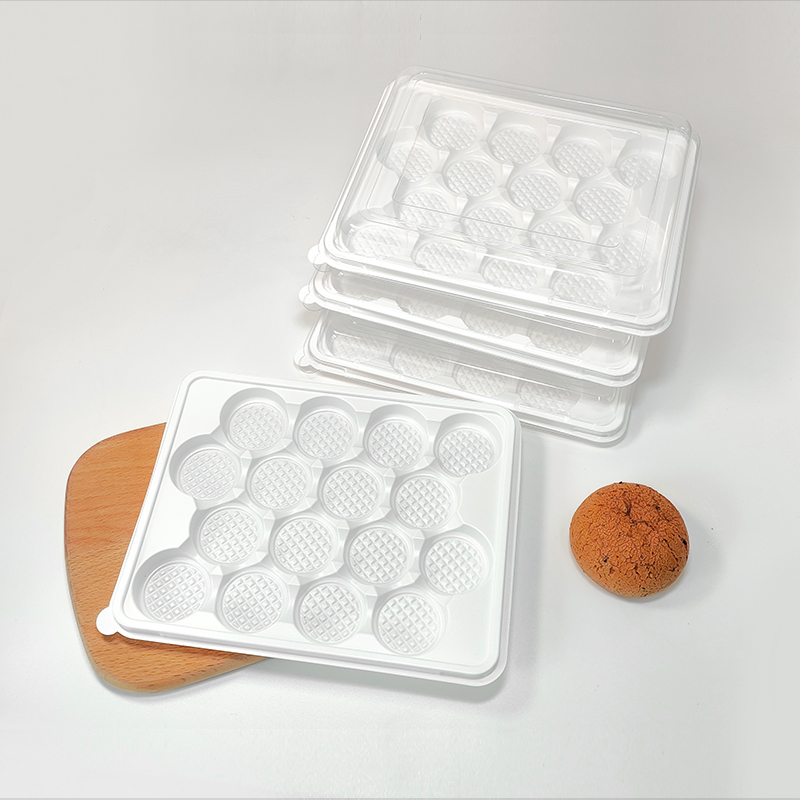
The design of PET food packaging is crucial in ensuring that containers do not crack or break under cold temperatures. Certain design features can help distribute stress and prevent breakage during transportation.
Structural Reinforcements
-
Ribbed Design:
-
A ribbed design adds structural integrity to PET containers. By distributing external forces more evenly, ribbed packaging is less likely to crack or break during transport.
-
-
Double-Walled Construction:
-
Some PET containers use double-walled construction to provide better strength and thermal insulation. The double walls offer additional support, helping to absorb impact and pressure during handling.
-
Rounded Corners and Contoured Edges
Sharp corners are more likely to develop fractures under stress. By designing rounded corners and contoured edges, manufacturers can prevent localized pressure and stress concentration, reducing the chances of cracking when subjected to cold environments.
Pressure Distribution Features
When containers are stacked or packed tightly during shipping, the material may experience localized pressure. Special designs, like flexible bases or pressure distribution pads, can help absorb and distribute these stresses, ensuring PET containers stay intact under transport pressure.
4. Cold Chain Logistics: Managing Freeze Resistance During Transport
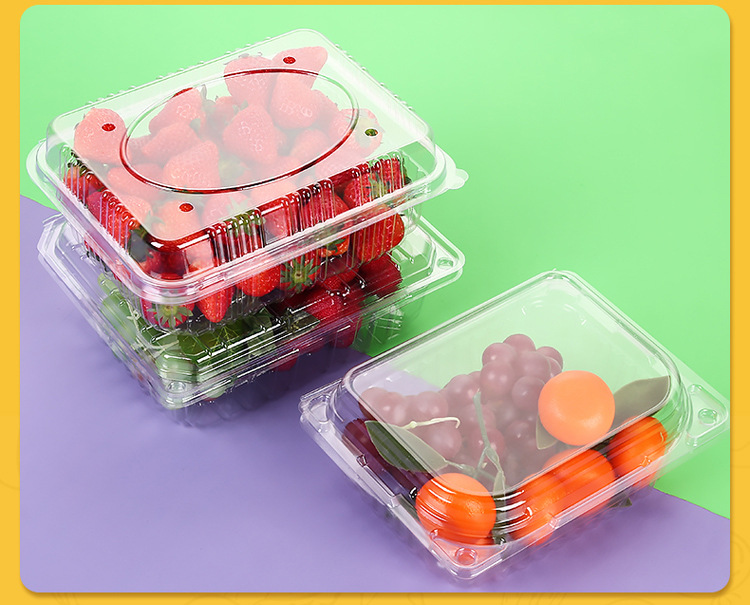
Even the best freeze-resistant PET packaging will not be effective without proper cold chain management. This section discusses how temperature control and proper handling during transportation are essential to maintaining packaging integrity.
Temperature Control in Transport
One of the primary challenges in transporting frozen foods is ensuring that the temperature remains stable. Temperature-controlled trucks and storage facilities are critical to maintaining the quality of both the food and the packaging. Fluctuating temperatures can cause PET containers to become brittle, increasing the risk of cracks.
Preventing Rapid Temperature Shifts
Sudden temperature fluctuations can cause thermal shock, leading to the formation of microcracks in PET packaging. To avoid this, cold chain logistics must maintain a steady temperature to reduce the likelihood of thermal stress and breakage during transport.
5. Testing and Quality Control for Freeze Resistance
Manufacturers implement rigorous testing procedures to ensure that PET food packaging meets the required freeze resistance standards. These tests help assess the structural integrity of containers under various temperature conditions.
Cryogenic Testing
Cryogenic testing involves exposing PET containers to extreme cold temperatures that simulate real-world freezing conditions. These tests help assess how well PET containers hold up under frozen conditions, testing their brittleness, crack resistance, and thermal stability.
Drop and Impact Testing
During transportation, PET containers may be dropped or subjected to impact. Manufacturers use drop tests to simulate these conditions and evaluate the impact resistance of the packaging at low temperatures.
6. Case Studies: Real-World Applications of Freeze-Resistant PET Packaging
Frozen Food Industry
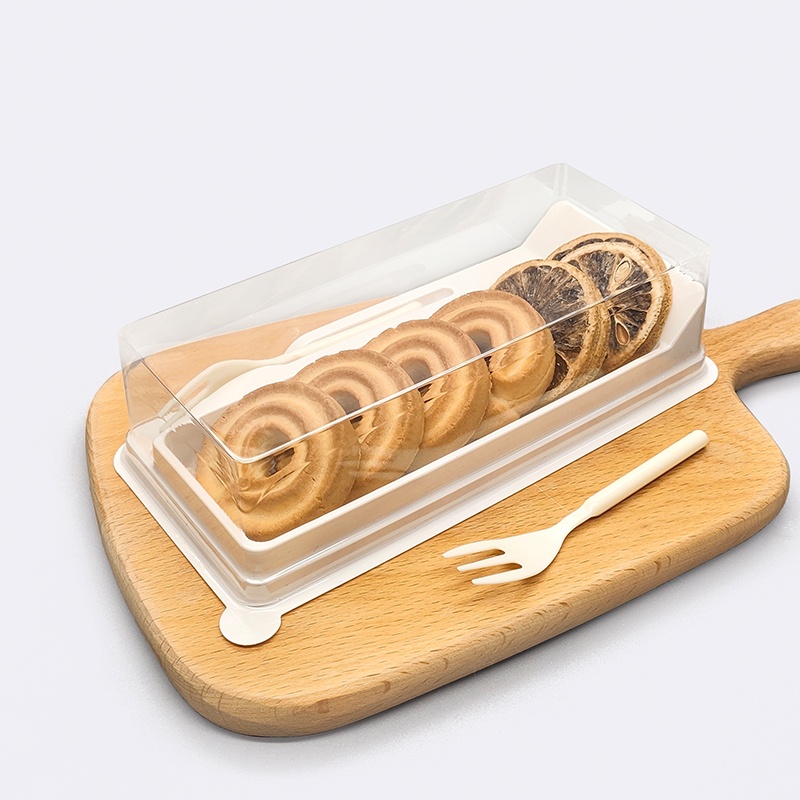
Several leading brands in the frozen food industry have successfully implemented freeze-resistant PET packaging to protect their products during transit. These companies use PET packaging designed to withstand extreme cold while maintaining the integrity of the packaging.
Case Study: Frozen Meals
A major frozen meal manufacturer implemented double-walled PET containers to package their products. These containers were designed to prevent cracking during shipping and thermal shock while providing effective thermal insulation for the frozen meals.
7. Benefits and Sustainability of Freeze-Resistant PET Packaging
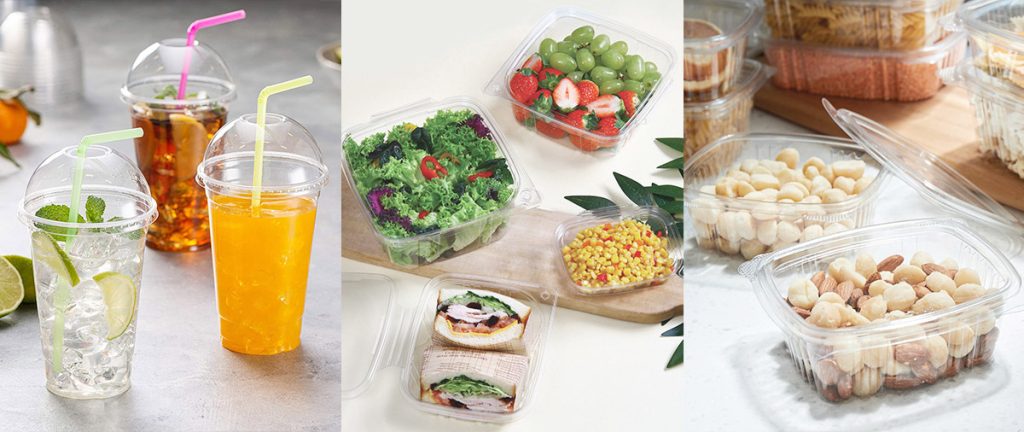
While ensuring freeze resistance, PET packaging offers several environmental benefits as well.
Recyclability
PET is a highly recyclable material, meaning it can be reused and repurposed into new products, reducing waste and minimizing environmental impact. This makes freeze-resistant PET a sustainable choice for cold-chain logistics.
Reduced Food Waste
By ensuring that PET packaging withstands extreme cold and maintains food integrity, companies can reduce food waste, ensuring that food products reach their destination without being compromised.
8. FAQ
1. How cold can PET packaging withstand?
PET packaging is designed to withstand temperatures as low as -20°C without significant risk of cracking. However, specialized formulations of PET can be designed to endure even lower temperatures, particularly in the food industry.
2. Can PET packaging be used for frozen foods?
Yes, PET food packaging is often used for frozen foods. PET can be engineered to resist freezing temperatures, ensuring that packaging remains intact even during long-distance frozen transportation.
3. Is PET more freeze-resistant than other plastics?
PET is more freeze-resistant than many other plastics, such as polystyrene (PS) or polyvinyl chloride (PVC), which tend to become brittle at lower temperatures. However, some materials like high-density polyethylene (HDPE) are also commonly used for cold storage applications.
4. How can I ensure my PET containers are freeze-resistant?
By selecting high-quality PET, using appropriate additives, and ensuring proper packaging design and cold chain management, you can ensure that PET containers maintain their structural integrity even in freezing conditions.
5. Can PET be recycled after use for frozen food packaging?
Yes, PET is highly recyclable and can be reused in new packaging applications, making it an environmentally friendly choice for frozen food packaging.
9. References
-
Gao, Z., & Li, X. (2022). “Effects of Cryogenic Temperature on PET and Other Polymeric Materials.” Journal of Polymer Science, 65(4), 233–245.
-
Johnson, M., & Smith, J. (2020). “Improved Freeze Resistance in PET Packaging: A Case Study in the Food Industry.” Packaging Technology and Science, 35(2), 101-112.
-
Sharma, R., & Gupta, S. (2021). “Cold Chain Logistics and Freeze-Resistant Packaging: Best Practices.” International Journal of Food Packaging, 28(3), 87–99.
-
Patel, M. (2019). “Plastic Additives and Their Role in Freeze Resistance for Food Packaging.” Journal of Applied Polymer Science, 102(9), 1324-1335.
-
Environmental Protection Agency (EPA). (2020). “Sustainable Packaging: The Role of PET.” Retrieved from https://www.epa.gov/sustainable-packaging.
Copyright Statement
© 2025 Dashan Packing. All rights reserved.
This article is an original work created by the Dashan Packing editorial team.
All text, data, and images are the result of our independent research, industry experience,
and product development insights. Reproduction or redistribution of any part of this content
without written permission is strictly prohibited.
Dashan Packing is committed to providing accurate, evidence-based information and
to upholding transparency, originality, and compliance with global intellectual property standards.