

Quick Summary:
This article compares PP, PET, and PLA packaging materials. PP is durable, heat-resistant, and ideal for hot food containers. PET is clear and strong, perfect for cold food and beverages. PLA is eco-friendly and biodegradable, best for cold items but not suitable for hot foods. Each material has unique strengths, and their best use depends on factors like heat resistance, clarity, and environmental impact.
Introduction:
When it comes to choosing the right packaging material, three options often stand out: PP (Polypropylene), PET (Polyethylene Terephthalate), and PLA (Polylactic Acid). Each material has its own strengths, applications, and limitations. Understanding their differences can help you make more informed decisions when selecting the best packaging for your business needs. Whether you are considering PP food packaging for durability, PET food packaging for clarity, or PLA cups with lids for eco-friendliness, it’s important to weigh the pros and cons of each material.
In this comprehensive guide, we’ll compare PP with PET and PLA, delve into their respective benefits, and explore how they are used in different industries. By the end of this article, you’ll have a clear understanding of which material is the best fit for your packaging needs.
What is PP (Polypropylene)?
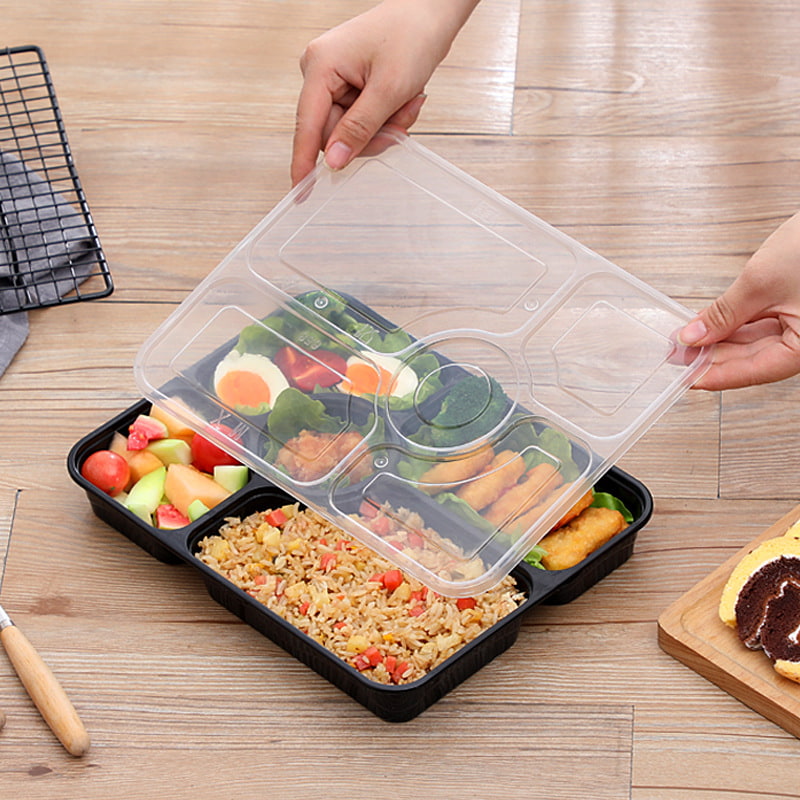
PP is a thermoplastic polymer widely used for various packaging applications. PP food packaging solutions, such as PP cups and PP takeaway food containers, are known for their excellent heat resistance and durability. PP is not only versatile but also has a high resistance to chemical corrosion, making it ideal for packaging food items that require protection from oils and hot foods.
Key Benefits of PP:
| Property | PP (Polypropylene) |
|---|---|
| Heat Resistance | Up to 120°C, ideal for hot food packaging |
| Durability | High resistance to stress, great for multi-use containers |
| Chemical Resistance | Resists acids, bases, and organic solvents |
| Recyclability | Recyclable in most regions |
| Transparency | Less clear than PET |
For packaging solutions that prioritize heat resistance and durability, such as PP food packaging, PP cups, and takeaway food containers, check out our full range here.
What is PET (Polyethylene Terephthalate)?
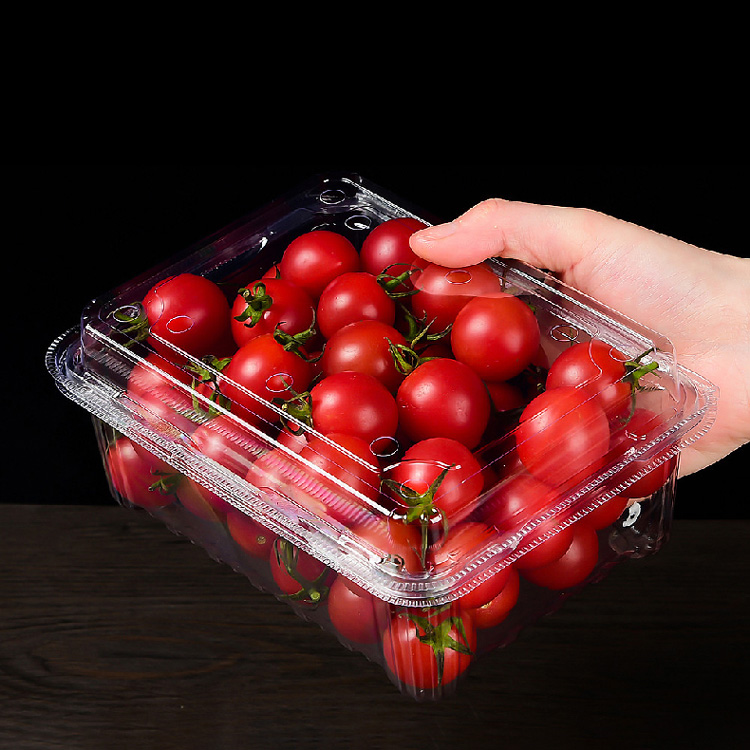
PET is another widely used polymer, especially known for its clarity and strength. It’s commonly used in PET food packaging because of its excellent ability to display products clearly, making it the go-to option for beverage containers, food trays, and more. The material is easy to recycle and provides a barrier to moisture and oxygen, helping extend the shelf life of products.
Key Benefits of PET:
| Property | PET (Polyethylene Terephthalate) |
|---|---|
| Transparency | High clarity, ideal for showcasing products in food packaging |
| Strength | Strong, providing resistance to impact and moisture |
| Lightweight | Reduces shipping and handling costs |
| Recyclability | One of the most widely recycled plastics globally |
| Durability | Suitable for cold food and beverages |
For a wide range of clear and strong packaging options, such as PET food trays and more, visit our PET food packaging page.
What is PLA (Polylactic Acid)?
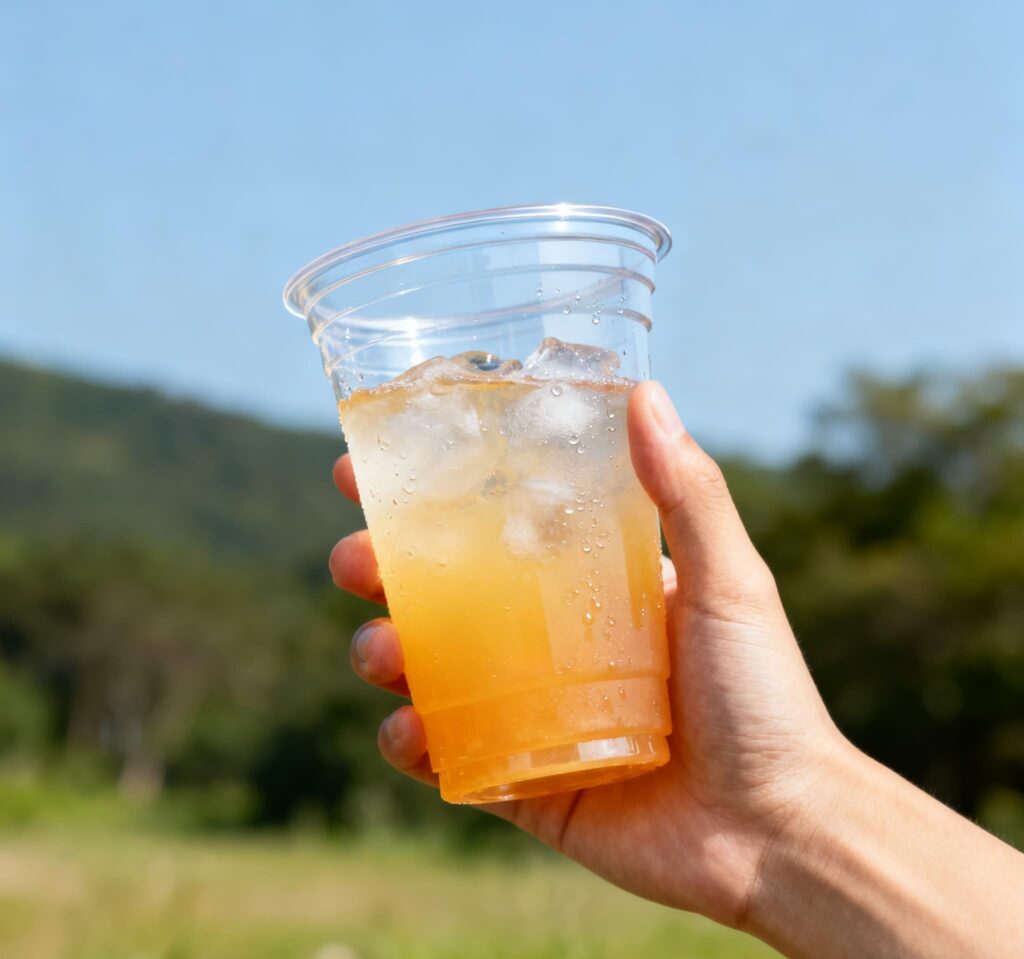
PLA is a biodegradable alternative to petroleum-based plastics. Made from renewable resources like corn starch or sugarcane, PLA is an eco-friendly material that’s increasingly used in packaging applications. PLA cups with lids are commonly used for cold beverages, and the material is favored for its sustainability and biodegradability.
Key Benefits of PLA:
| Property | PLA (Polylactic Acid) |
|---|---|
| Eco-friendly | Made from renewable resources, compostable in industrial facilities |
| Biodegradable | Breaks down over time, reducing waste in landfills |
| Non-Toxic | Safe for food contact, plant-based material |
| Carbon Footprint | Lower emissions during production compared to traditional plastics |
| Heat Resistance | Lower compared to PP, best for cold food and beverages |
For sustainable packaging options like PLA cups with lids, visit our PLA cups with lids page.
How Do PP, PET, and PLA Compare in Packaging?
| Material | Durability | Heat Resistance | Environmental Impact | Transparency | Best Uses |
|---|---|---|---|---|---|
| PP | Highly durable | Up to 120°C | Recyclable, lower carbon footprint than PET | Less clear than PET | Hot food containers, PP takeaway food containers |
| PET | Strong, impact-resistant | Moderate | Recyclable, high carbon footprint | Clear and glossy | Cold food and beverage containers, PET food trays |
| PLA | Less durable, biodegradable | Low, best for cold food | Compostable, eco-friendly | Slightly cloudy | Cold food and beverages, PLA cups with lids |
Durability
When it comes to durability, PP holds the upper hand. Its high heat resistance, chemical resistance, and flexibility make it ideal for packaging that must withstand stress, such as PP takeaway food containers and PP food packaging used in a variety of foodservice environments.
PET is also durable but lacks the heat resistance of PP, which can limit its application in high-temperature situations. However, PET’s clarity and strength make it the preferred choice for cold food and beverages.
PLA, while biodegradable, is less durable than both PP and PET, especially in high-heat or greasy conditions. This makes PLA cups more suited for cold food and beverages.
Environmental Impact
PLA clearly stands out when it comes to sustainability. As an eco-friendly, biodegradable material, PLA packaging is a great option for businesses aiming to reduce their environmental footprint. However, it requires industrial composting to break down efficiently, which is not always available in certain regions.
PP and PET are both recyclable but are more challenging to decompose compared to PLA. However, PP has a lower carbon footprint during production compared to PET.
Transparency and Appearance
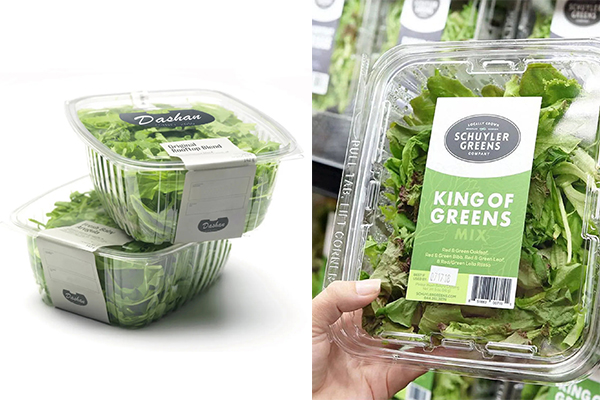
For clear packaging that showcases the contents, PET is the clear winner. It provides excellent clarity and a glossy finish, making it perfect for products where appearance matters.
PP is somewhat less transparent but still offers a clean, professional look, especially for containers that don’t require visibility of the product inside.
PLA, on the other hand, is generally less clear than PET, but it still offers an acceptable level of transparency for many products, particularly in eco-conscious markets.
Applications in the Food Industry
Each material has its strengths when it comes to different food packaging applications.
-
PP Food Packaging is ideal for take-out containers, hot food trays, and deli containers due to its durability and heat resistance. For example, PP takeaway food containers and PP compartments food containers are staples in the foodservice industry.
-
PET Food Packaging is preferred for cold food packaging, such as deli trays, salad containers, and beverage bottles. It’s also commonly used for PET food trays in retail settings.
-
PLA Cups are widely used for cold beverages, desserts, and snacks. Products like PLA cups with lids are great for ice cream parlors, juice bars, and cafes.
FAQs (Frequently Asked Questions)
-
What are the main differences between PP, PET, and PLA?
-
PP is durable, heat-resistant, and chemical-resistant, ideal for hot food packaging. PET is clear and strong, suitable for cold food and beverages, while PLA is an eco-friendly, biodegradable option suitable for cold items.
-
-
Can PLA hold hot food?
-
No, PLA is best for cold food and beverages due to its lower heat resistance compared to PP.
-
-
Is PET recyclable?
-
Yes, PET is highly recyclable and widely accepted by recycling programs.
-
-
Which material is best for takeaway food containers?
-
PP is ideal for takeaway containers due to its heat resistance and durability.
-
-
Is PLA compostable?
-
PLA is compostable in industrial facilities but may not break down in standard landfill conditions.
-
-
Which material is most eco-friendly?
-
PLA is the most eco-friendly option, being biodegradable and derived from renewable resources.
-
-
How do I choose between PP, PET, and PLA for my business?
-
Consider the temperature needs, environmental impact, and transparency requirements of your product when choosing between PP, PET, and PLA.
-
References
Copyright Statement
© 2025 Dashan Packing. All rights reserved.
This article is an original work created by the Dashan Packing editorial team.
All text, data, and images are the result of our independent research, industry experience,
and product development insights. Reproduction or redistribution of any part of this content
without written permission is strictly prohibited.
Dashan Packing is committed to providing accurate, evidence-based information and
to upholding transparency, originality, and compliance with global intellectual property standards.