

Introduction
Overview of Global Packaging Waste
Packaging waste is a growing global concern, with increasing amounts of packaging material being generated every year. The rapid rise in e-commerce, food delivery services, and consumer goods packaging has contributed to a surge in packaging waste. In 2023 alone, the European Union (EU) generated a total of 79.7 million tonnes of packaging waste, while California faced a significant challenge with 8.5 million tonnes of single-use packaging waste going to landfills.
Importance of Plastic Recycling
Recycling is vital to managing the ever-growing volume of packaging waste. As plastic continues to dominate the packaging sector, its environmental impact has been widely scrutinized. The focus has been on developing recycling systems that can effectively process plastic packaging, especially materials like polyethylene terephthalate (PET) and recycled PET (RPET), which are central to the food packaging industry.
Focus on PET and RPET in Food Packaging
PET is one of the most commonly used materials in food packaging, known for its strength, transparency, and recyclability. RPET, which is made from post-consumer recycled PET, has gained attention for its role in the circular economy and as an eco-friendly alternative to virgin plastic. This blog will explore the current recycling rates for PET and RPET, the challenges faced in recycling these materials, and their role in sustainable food packaging.

Global Packaging Waste Data (EU and California)
EU Packaging Waste Data (2023)
The European Union’s packaging waste statistics for 2023, released by Eurostat, show that the EU generated 79.7 million tonnes of packaging waste in total, which equals 177.8 kg per person. This represents a slight decrease of 4.7% compared to 2022, which is promising, but there is still much work to be done in improving recycling rates.
Breakdown of Waste by Material Type
| Material Type | Percentage of Total Packaging Waste | Tonnes (Million) |
|---|---|---|
| Paper and Cardboard | 40.4% | 32.2 |
| Plastic | 19.8% | 15.8 |
| Glass | 18.8% | 15.0 |
| Wood | 15.8% | 12.6 |
| Metal | 4.9% | 3.9 |
| Other Materials | 0.2% | 0.16 |
| Total | 100% | 79.7 Million |
Source: Eurostat, 2023
Recycling Rates: Achievements and Challenges
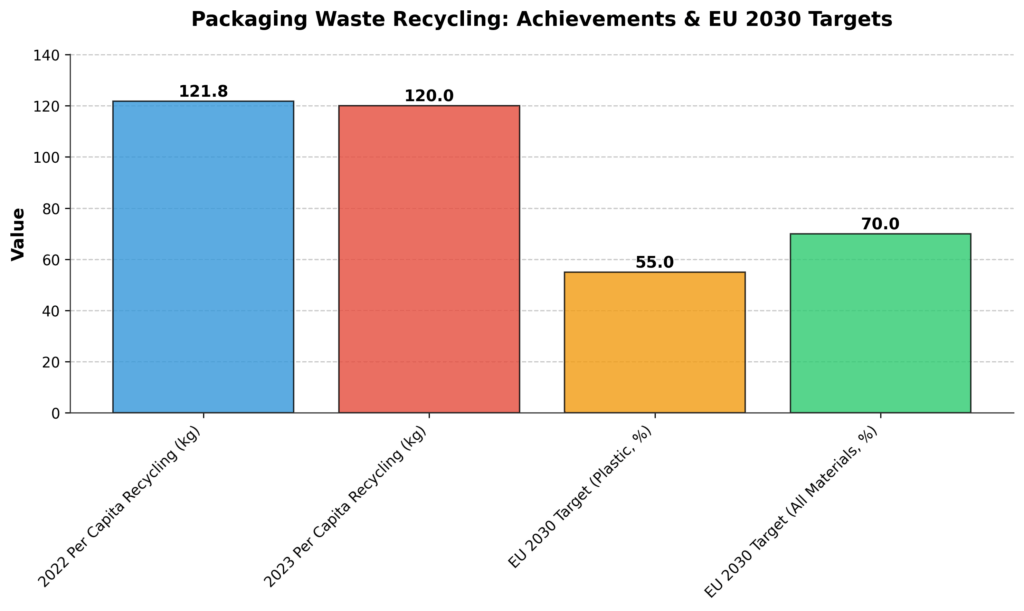
In 2023, an average of 120.0 kg of packaging waste per person was recycled, which represents a 1.5% decrease from the previous year. This is a reminder that while progress is being made, there are still many challenges in achieving effective recycling.
The EU has set a goal of recycling at least 70% of all packaging waste by 2030, with specific targets for different materials. Notably, plastic packaging has a lower target of 55%, but only a few countries have reached or exceeded this target.
California’s Single-Use Packaging Waste
On the other side of the Atlantic, California has been facing its own challenges with packaging waste. In 2023, California’s Department of Resources Recycling and Recovery (CalRecycle) reported that 8.5 million tonnes of single-use packaging waste were disposed of in landfills.
Material Composition in California Landfills
| Material Type | Percentage of Total Waste | Tonnes (Million) |
|---|---|---|
| Paper and Fiber | 46.5% | 3.95 |
| Plastic | 36.9% | 3.14 |
| Wood and Other Organic | 9.6% | 0.82 |
| Metal | 5.1% | 0.43 |
| Glass | 1.8% | 0.15 |
| Ceramic | 0.1% | 0.01 |
| Total | 100% | 8.5 Million |
Source: CalRecycle, 2025
Plastic constitutes nearly 37% of California’s landfill waste, showing the growing need for a robust recycling infrastructure to tackle this problem. Like the EU, paper and fiber materials are also a major part of the waste stream, but plastic still poses a significant challenge for both recycling and landfill diversion.
Role of Plastic Packaging in Recycling
Plastic Waste in the EU: A Focus on PET and RPET
Plastic packaging waste in the EU has been on the rise, with PET and RPET being the primary materials used for food and beverage packaging. In 2023, the average person generated 35.3 kg of plastic packaging waste, of which 14.8 kg was recycled.
PET and RPET’s Share in Plastic Waste
| Plastic Type | Waste Generated (kg/person) | Recycled (kg/person) | Recycling Rate (%) |
|---|---|---|---|
| PET | 25.6 | 11.2 | 43.7% |
| RPET | 9.7 | 3.6 | 37.1% |
| Other Plastics | 10.0 | 4.3 | 43.0% |
| Total Plastic | 35.3 | 14.8 | 41.9% |
Source: Eurostat, 2023
PET and RPET’s role in food packaging is crucial, as these materials are transparent, lightweight, durable, and suitable for direct food contact, making them ideal for packaging liquids, ready-to-eat meals, and fresh produce. Despite their recyclability, the challenge lies in improving the collection, sorting, and processing of plastic packaging, especially when it is contaminated with food residues.
Plastic Packaging in California
In California, plastic packaging waste has also been a significant contributor to landfills. The state’s focus on recycling has seen some progress, but the figures show that much work remains to divert plastic packaging waste from landfills.
PET and RPET’s contribution to California’s packaging waste is significant, as many food and beverage products in the state are packaged in PET bottles, trays, and cups. However, California’s recycling rates for plastic have been slower than expected, and the state faces challenges in enhancing its infrastructure to process these materials.
Recycling Challenges for Plastic Packaging
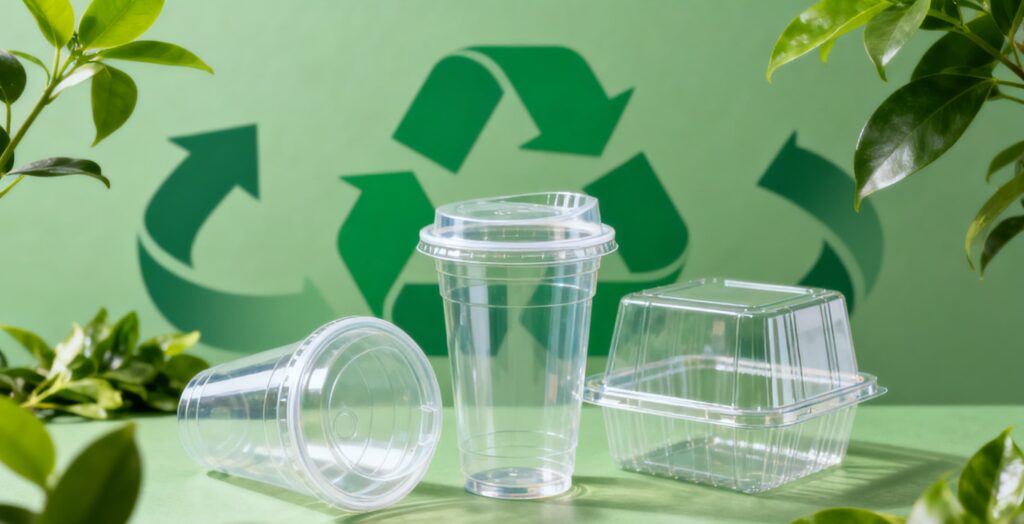
Recycling plastic packaging, particularly PET, faces a variety of challenges, including contamination from food waste, lack of consumer participation in sorting, and insufficient infrastructure for processing recycled materials. A major issue is downcycling, where recycled plastics are often converted into lower-quality products, such as textiles or construction materials, instead of being reused for food-grade packaging.
PET and RPET in Food Packaging: Role and Impact
PET in Food Packaging
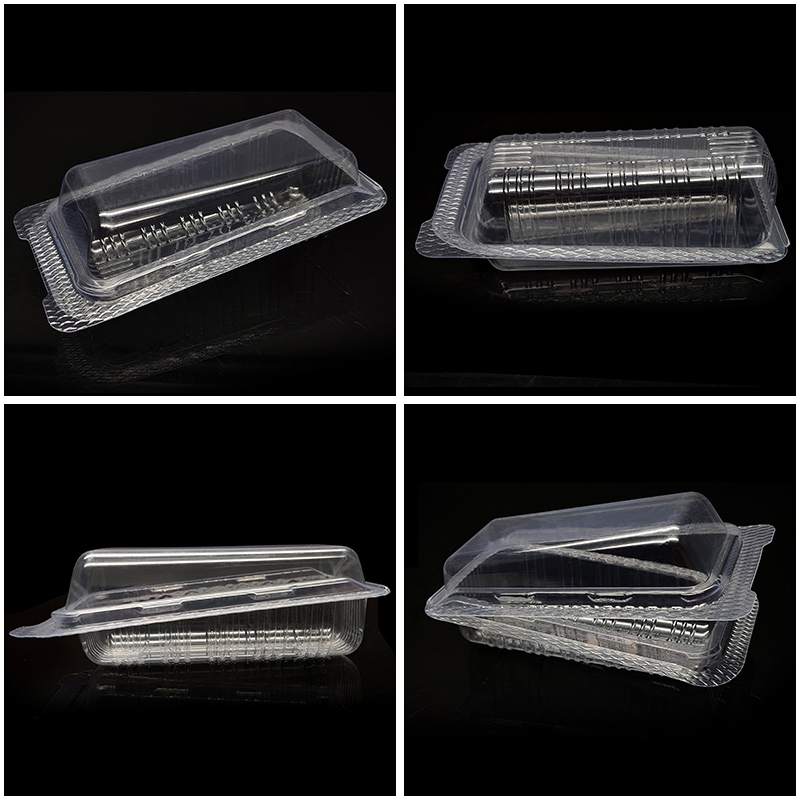
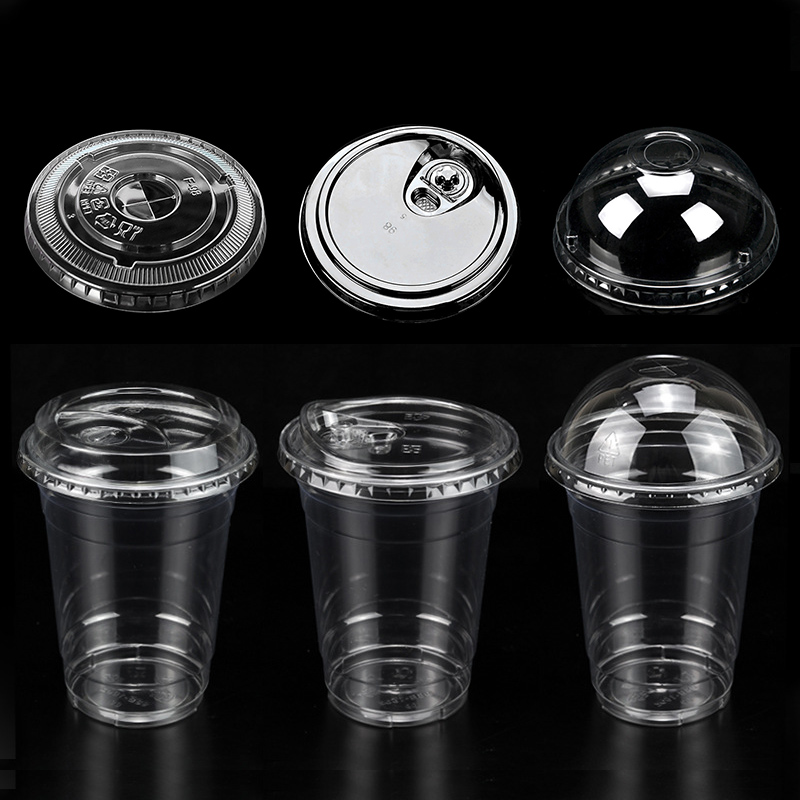
PET is a popular choice for food packaging due to its lightweight, strength, and clarity. It is commonly used for bottles, trays, containers, and cups. PET’s recyclability is one of its greatest advantages, but it faces challenges in being recycled back into the same high-quality material used in food packaging.
Recycling Rates in the EU and California
The EU has made progress in PET recycling, but still falls short of its 55% recycling target for plastic by 2030. PET recycling in California is similarly challenging, as the state’s recycling systems have struggled to keep up with the growing demand for recycled materials.
RPET in Food Packaging
RPET is made from recycled PET products and is increasingly used in the food industry as a sustainable alternative to virgin PET. RPET has the advantage of reducing the need for new plastic production, conserving resources, and lowering carbon emissions.
RPET’s Role in Circular Economy
The use of RPET in food packaging contributes to the circular economy by reusing materials that would otherwise end up in landfills. By recycling PET into RPET, the food packaging industry can reduce its environmental footprint and help meet sustainability targets.
Comparison of PET vs. RPET Recycling Rates
| Region | PET Recycling Rate (%) | RPET Recycling Rate (%) |
|---|---|---|
| EU | 43.7% | 37.1% |
| California | 41.0% | 35.0% |
Source: Eurostat, 2023 & CalRecycle, 2025
RPET has a slightly better recycling rate than PET due to its focus on post-consumer plastic. However, RPET still faces challenges in being recycled back into food-grade material. Overcoming these challenges is critical for improving the overall sustainability of plastic packaging in the food industry.
Recycling Challenges and Downcycling
Challenges in Plastic Packaging Recycling
Recycling plastic packaging faces significant challenges, including the following:
-
Contamination: Food residues and other contaminants make plastic harder to recycle.
-
Lack of Collection Infrastructure: Many regions still lack the necessary systems for collecting and sorting recyclable materials.
-
Technological Limitations: Not all plastic can be recycled into the same quality material due to limitations in sorting and processing technology.
Downcycling: The Fate of Non-PET Packaging
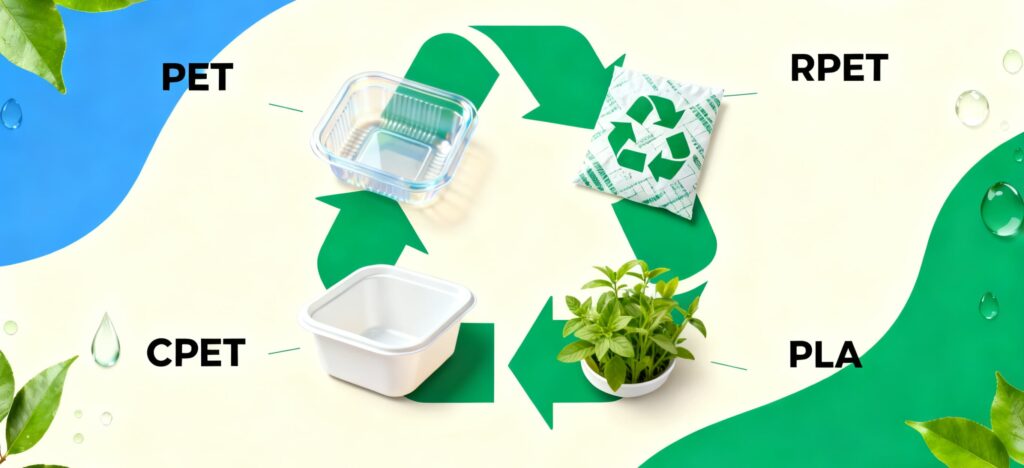
Downcycling occurs when plastic materials are recycled into lower-quality products, such as clothing or construction materials. This process limits the potential for closed-loop recycling and the use of plastic packaging in the same applications. As a result, materials like PLA, PP, and PS often face downcycling rather than being recycled into food-grade materials.
Current and Future Trends
Sustainability Trends in Food Packaging
As the demand for sustainable packaging grows, the food industry is increasingly turning to alternative materials, including biodegradable plastics, paper-based packaging, and compostable materials. However, PET and RPET continue to dominate due to their excellent properties and recyclability.
Global Recycling Regulations and Targets
Both the EU and California have set ambitious recycling targets. By 2030, the EU aims to recycle 70% of packaging waste, with specific targets for different materials. California has also introduced extended producer responsibility (EPR) laws, requiring manufacturers to take responsibility for the recycling of their packaging materials.
Sustainability Targets and Regulations
EU’s Packaging Waste Directive: Recycling Targets
| Material Type | Target Recycling Rate by 2030 (%) |
|---|---|
| Paper and Cardboard | 85% |
| Glass | 75% |
| Plastic | 55% |
| Metal (Ferrous) | 80% |
| Aluminium | 60% |
| Wood | 30% |
Source: EU Packaging Waste Directive
California’s Single-Use Packaging Waste Regulations
California has enacted various laws to reduce single-use plastic packaging, including stricter recycling laws and mandates for producers to take responsibility for their packaging waste. These regulations are expected to drive improvements in recycling rates and encourage the adoption of sustainable packaging.
Conclusion
The growing issue of packaging waste, particularly plastic, is a global challenge. While PET and RPET play critical roles in food packaging, they also face significant challenges in recycling, including contamination, downcycling, and limitations in recycling technology. However, with continued innovation in recycling systems, stricter regulations, and a commitment to sustainability, the future of plastic packaging can be more circular and eco-friendly.
FAQ Section
-
What is PET and how is it recycled?
PET (Polyethylene Terephthalate) is a type of plastic commonly used in food packaging, especially for beverages. It is highly recyclable, but the process involves sorting, cleaning, and reprocessing the material. -
How does RPET differ from PET?
RPET (Recycled PET) is made from post-consumer PET products. It helps reduce waste by recycling PET bottles and containers back into new packaging materials. -
What are the benefits of using RPET in food packaging?
RPET reduces the demand for virgin plastic, lowers carbon emissions, and helps close the loop in the recycling process. -
What challenges do we face in recycling plastics?
Contamination, lack of infrastructure, and technological barriers prevent plastics from being efficiently recycled. -
How can we improve plastic recycling rates globally?
Improved waste collection systems, better sorting technologies, and increased public awareness are essential to improving global recycling rates.
References
-
Eurostat (2023) – Packaging Waste in the EU. Available at: https://ec.europa.eu/eurostat
-
CalRecycle (2025) – Single-Use Packaging and Plastic Waste in California. Available at: https://www.calrecycle.ca.gov
-
EU Packaging Waste Directive – Recycling and Sustainability Targets. Available at: https://ec.europa.eu/environment/waste/packaging.htm
Copyright Statement
© 2025 Dashan Packing. All rights reserved.
This article is an original work created by the Dashan Packing editorial team.
All text, data, and images are the result of our independent research, industry experience,
and product development insights. Reproduction or redistribution of any part of this content
without written permission is strictly prohibited.
Dashan Packing is committed to providing accurate, evidence-based information and
to upholding transparency, originality, and compliance with global intellectual property standards.