

Introduction
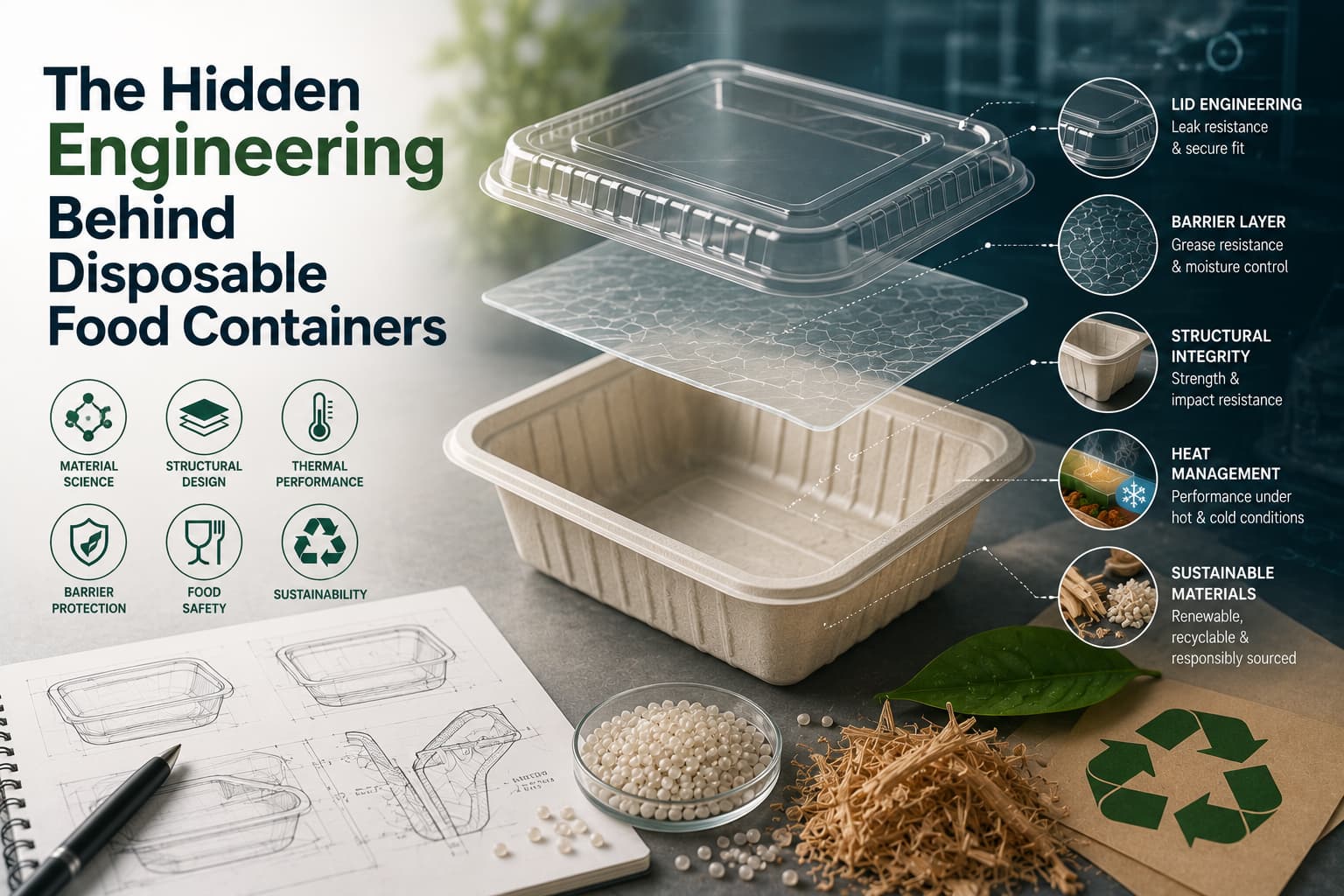
Disposable food containers are among the most common products in modern food service. Every day, millions of containers are used to package ready meals, fresh produce, airline catering, takeaway food, desserts, and beverages. To consumers, they appear simple—lightweight, inexpensive, and designed for a single purpose.
Behind this apparent simplicity, however, lies an impressive level of engineering.
A well-designed disposable food container must perform consistently under a wide range of conditions. It needs to protect food during transportation, maintain structural integrity under heat or cold, prevent leaks, optimize storage and shipping efficiency, comply with food-contact regulations, and increasingly, support recycling and sustainability goals. All of these requirements must be achieved while remaining economical enough for large-scale production.
The challenge is that these objectives often compete with one another. Increasing wall thickness may improve strength but also increases material consumption and transportation costs. Designing a tighter lid can improve leak resistance but may reduce user convenience. Selecting a material with superior heat resistance may compromise transparency or increase manufacturing costs.
For packaging engineers, every disposable food container represents a series of carefully balanced design decisions rather than a simple plastic product.
This article explores the hidden engineering principles that shape modern disposable food containers and explains why engineering has become one of the most important competitive advantages in food packaging.
Engineering Begins with Understanding the Food
Before a packaging engineer selects a material or creates a mold, the first question is surprisingly simple:
What is the container expected to protect?
Different foods create completely different engineering requirements.
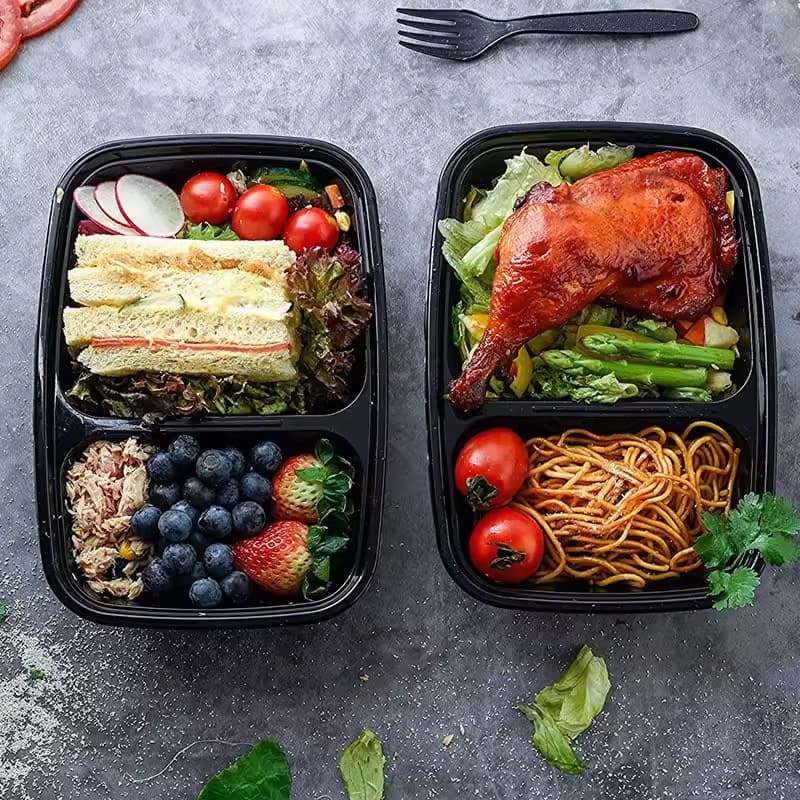
A microwave-ready meal generates high temperatures that require dimensional stability during heating. Fresh berries demand excellent visibility while minimizing condensation. Hot soups require leak-resistant sealing and thermal resistance. Frozen meals must withstand low temperatures without becoming brittle, while airline catering trays must remain lightweight yet strong enough to survive handling throughout a complex logistics chain.
Therefore, food packaging design always starts with understanding the application rather than the material.
Packaging engineers evaluate factors such as:
- Food temperature
- Moisture content
- Oil and grease resistance
- Transportation distance
- Shelf-life expectations
- Consumer usage habits
- Storage environment
Only after these conditions are fully understood can the engineering process begin.
Material Engineering: Every Polymer Has a Purpose
Consumers often compare packaging materials by asking which one is “better.” Engineers ask a different question:
Which material performs best for this specific application?
Every polymer represents a balance of mechanical performance, thermal behavior, optical properties, processing efficiency, and recyclability.
PP: Built for Heat and Durability
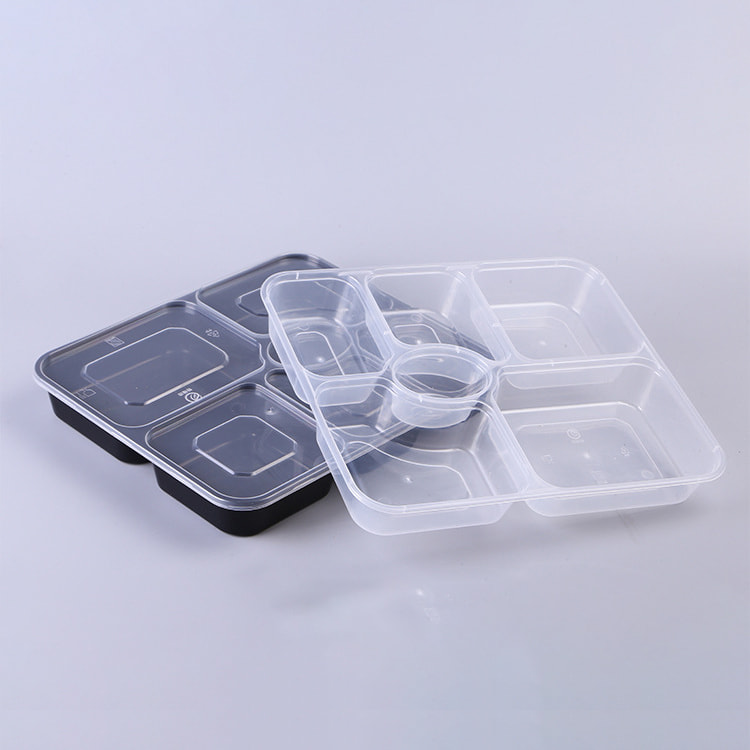
Polypropylene (PP) is widely used in hot food packaging because of its excellent heat resistance and mechanical stability.
Its engineering advantages include:
- High dimensional stability during microwave heating
- Excellent fatigue resistance for reusable applications
- Good chemical resistance against oils and sauces
- Lightweight construction
- Established recycling systems in many markets
These characteristics make PP particularly suitable for:
- Ready-meal containers
- Takeaway boxes
- Airline meal trays
- Microwaveable food packaging
- Reusable foodservice containers
Rather than being selected simply because it is economical, PP is chosen because its material properties match demanding foodservice environments.
PET: Designed for Product Presentation
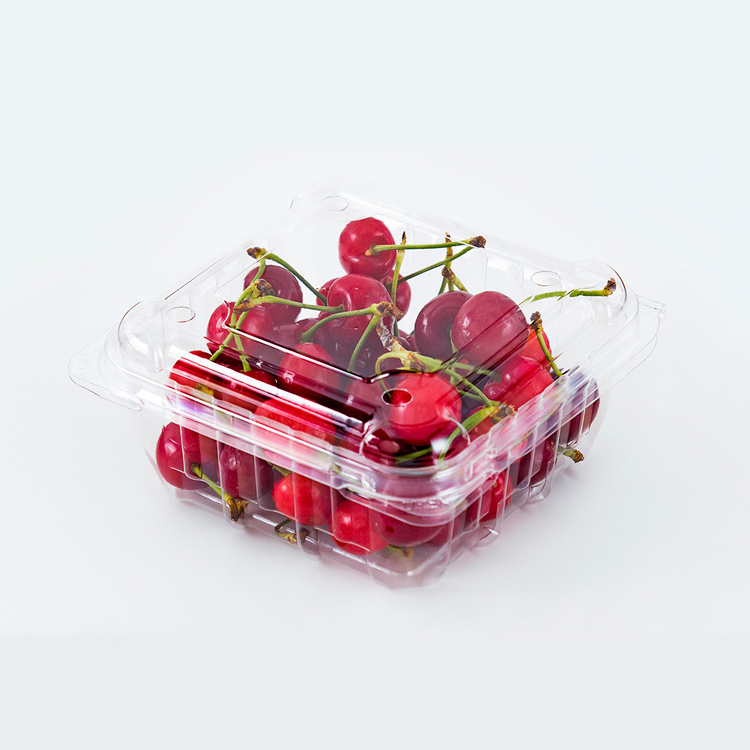
For chilled and fresh foods, transparency often becomes a critical design objective.
Polyethylene terephthalate (PET) offers exceptional optical clarity while maintaining good strength and lightweight performance.
PET is commonly selected for:
- Fruit packaging
- Salad containers
- Bakery packaging
- Cold prepared meals
- Fresh produce packaging
Its transparency enhances product visibility, helping consumers evaluate freshness before purchase. At the same time, PET benefits from mature recycling infrastructure in many countries, making it an important material within circular packaging systems.
Material selection, therefore, is never about choosing the “best” polymer. It is about selecting the most appropriate material for the product’s intended use.
Structural Engineering: Strength Without Extra Material
One of the greatest misconceptions about disposable food containers is that strength comes primarily from thicker plastic.
In reality, structural design often contributes more to performance than additional material.
Packaging engineers use geometry to improve stiffness while minimizing weight.
Common structural features include:
- Reinforcing ribs to increase rigidity
- Rolled edges that improve compression strength
- Rounded corners that distribute stress more evenly
- Ribbed bases that reduce deformation
- Optimized sidewall angles that improve stacking stability
These design elements enable a container to withstand handling, stacking, and transportation while using less material than a simple flat-wall design.
This principle—achieving more performance with less material—is one of the foundations of modern packaging engineering.
Precision Engineering Makes Leak Resistance Possible
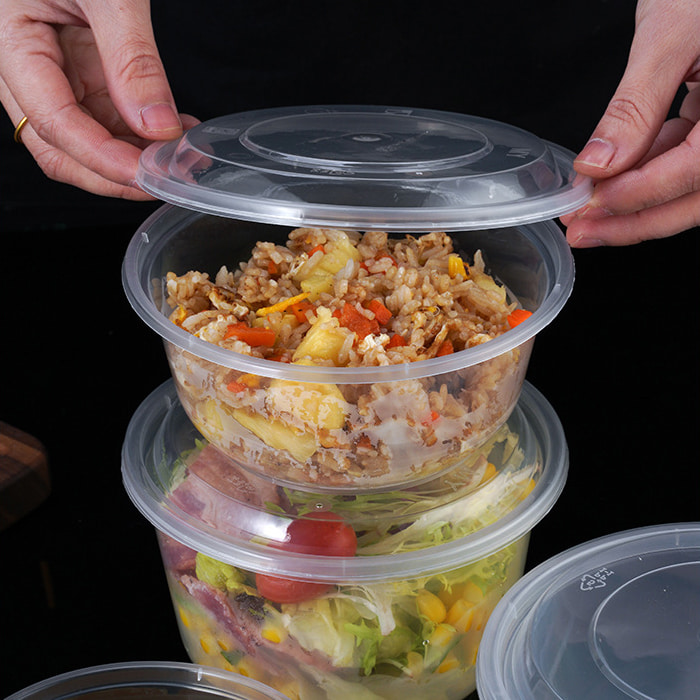
Leak prevention is often perceived as a feature of the lid alone. In reality, it is the result of multiple engineering disciplines working together.
A leak-resistant container depends on the precise interaction between the container and the lid. Even small variations in dimensions can affect sealing performance.
Engineers carefully optimize factors such as:
- Lid engagement geometry
- Sealing edge dimensions
- Material flexibility
- Manufacturing tolerances
- Snap-fit force distribution
Modern molds are manufactured with extremely high precision to ensure that every lid fits consistently across thousands or even millions of production cycles.
The goal is not merely to create a tight seal but to achieve reliable sealing while maintaining ease of opening for consumers.
Why Stackability Is an Engineering Priority
One feature that consumers rarely notice—but logistics professionals value immensely—is stackability.
A container that stacks efficiently reduces transportation costs, improves warehouse utilization, and minimizes product damage during distribution.
Engineers analyze:
- Vertical load distribution
- Nesting depth
- Sidewall geometry
- Compression resistance
- Pallet stability
Even minor improvements in stackability can significantly increase the number of containers transported per shipment, reducing fuel consumption and overall logistics costs.
For high-volume foodservice operations, these engineering optimizations create measurable economic benefits throughout the supply chain.
Engineering for Real-World Conditions
Food containers rarely experience ideal laboratory conditions.
Instead, they encounter rapid temperature changes, vibration during transportation, mechanical impacts, moisture, grease, and repeated handling.
Packaging engineers therefore evaluate performance under realistic operating environments.
A container may need to:
- Withstand microwave heating
- Maintain rigidity with hot foods
- Resist cracking during refrigeration
- Perform in freezer storage
- Survive transportation vibrations
- Preserve sealing integrity during delivery
These requirements demonstrate why packaging engineering extends well beyond material selection.
It is ultimately about ensuring reliable performance throughout the product’s entire lifecycle.
Manufacturing Engineering: Turning Design into Consistency
Even the best packaging design has little value if it cannot be manufactured consistently.
Mass production introduces its own engineering challenges.
Mold design must ensure uniform material distribution, efficient cooling, dimensional accuracy, and high production efficiency.
Manufacturing engineers continuously optimize:
- Mold precision
- Injection or thermoforming parameters
- Cooling efficiency
- Cycle time
- Quality inspection
- Dimensional consistency
These factors directly influence product quality, production capacity, and manufacturing cost.
Behind every disposable food container lies a highly engineered production process that combines automation, precision tooling, and continuous quality control.
Sustainability Has Become an Engineering Discipline
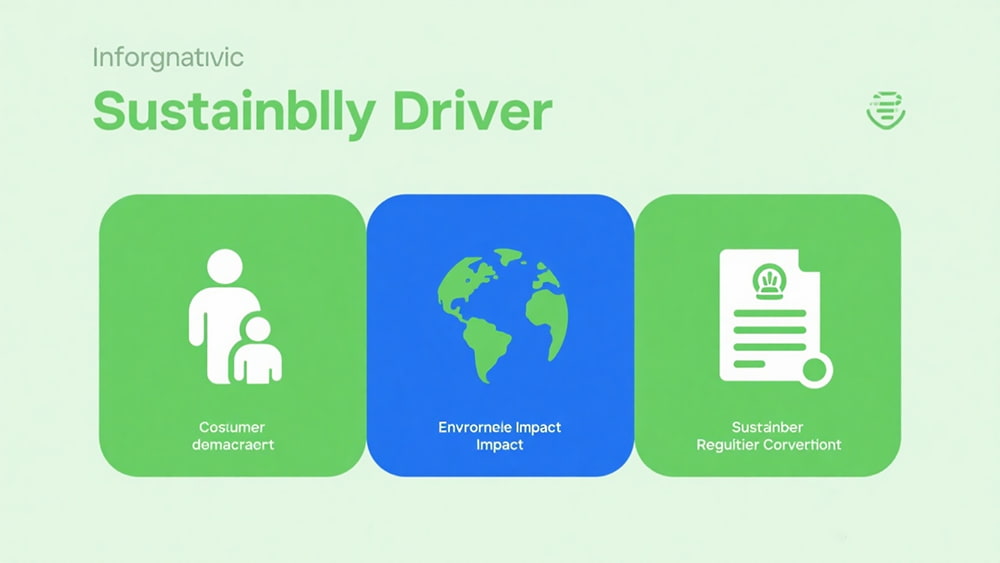
Perhaps the biggest transformation in food packaging over the past decade is that sustainability is no longer treated as an environmental initiative alone.
It has become an engineering challenge.
Modern packaging must be designed not only for performance but also for recyclability and resource efficiency.
This shift has accelerated several engineering trends:
Design for Recycling
Containers are increasingly designed using mono-material structures that simplify recycling processes.
Lightweight Engineering
Advanced structural design allows manufacturers to reduce material usage while maintaining performance.
Material Optimization
Engineers continuously evaluate materials that provide the best balance between functionality, cost, and environmental performance.
Circular Design Thinking
Packaging is increasingly evaluated across its entire lifecycle—from production and transportation to collection, recycling, and reuse.
Engineering decisions made during product development now have long-term environmental and commercial consequences.
Engineering Creates Value Across the Supply Chain
The benefits of engineering extend far beyond the manufacturing facility.
An optimized food container can reduce material consumption, improve transportation efficiency, minimize product damage, and simplify warehouse operations.
For food brands and distributors, these improvements translate into lower operating costs and greater supply chain reliability.
This is why leading packaging manufacturers increasingly invest in engineering expertise rather than focusing solely on production capacity.
Packaging is no longer just a container—it is an integrated component of logistics, sustainability, food safety, and operational efficiency.
Why Engineering Expertise Matters When Choosing a Packaging Partner
As packaging requirements become more complex, manufacturers are expected to deliver more than consistent production.
Customers increasingly seek partners capable of supporting product development, structural optimization, and application-specific packaging solutions.
With extensive experience in food packaging manufacturing, DASHAN combines engineering expertise with practical production capabilities to develop PP and PET packaging solutions tailored to different food applications and market requirements. From microwaveable meal containers and airline catering trays to PET fruit packaging and reusable foodservice products, every design is developed with careful consideration of functionality, manufacturability, logistics efficiency, and sustainability.
By integrating engineering into every stage of product development, packaging suppliers can help customers achieve not only better packaging performance but also stronger long-term competitiveness.
Conclusion
Disposable food containers may appear simple, but their performance is the result of sophisticated engineering.
Every rib, corner, sealing edge, material choice, and production parameter is carefully optimized to balance strength, food safety, cost, manufacturability, logistics efficiency, and environmental responsibility.
As food packaging continues to evolve, engineering is becoming the invisible force behind innovation. Future containers will not simply use different materials or comply with new regulations—they will be designed more intelligently, perform more efficiently, and contribute more effectively to sustainable packaging systems.
For businesses selecting food packaging solutions, understanding the engineering behind the product offers a valuable perspective. The true value of a disposable food container lies not only in what it holds, but in the expertise, precision, and innovation engineered into every detail long before it reaches the consumer’s hands.
FAQ
1. Why is engineering important in disposable food container design?
Engineering ensures that disposable food containers perform reliably throughout their entire lifecycle. Factors such as material selection, structural design, heat resistance, leak prevention, stackability, and manufacturing precision all contribute to protecting food while improving transportation efficiency and reducing material waste.
2. Why are different materials used for different food packaging applications?
Each packaging material has unique performance characteristics. PP is commonly chosen for hot meals and microwaveable packaging because of its heat resistance and durability, while PET is preferred for fresh foods due to its excellent transparency, strength, and recyclability. Material selection depends on the specific requirements of the food product rather than one material being universally better than another.
3. How do food containers achieve high strength without using more plastic?
Modern food containers rely on structural engineering instead of simply increasing material thickness. Features such as reinforcing ribs, rolled edges, rounded corners, and optimized sidewall geometry improve rigidity and compression strength while reducing overall material consumption.
4. Why is stackability an important part of packaging engineering?
Well-designed stackable containers improve warehouse storage, transportation efficiency, and automated production processes. Better stackability allows more products to be packed into each shipment, helping reduce logistics costs and minimize the risk of damage during distribution.
5. How does DASHAN apply engineering expertise to food packaging solutions?
DASHAN develops PP and PET food packaging by combining material science, structural optimization, precision manufacturing, and practical application experience. From microwaveable PP meal containers and airline catering trays to PET fruit packaging, every product is designed to deliver reliable performance, efficient production, and long-term sustainability for global food packaging markets.
References
- Food Packaging Forum – Packaging Materials and Food Contact Science
https://www.foodpackagingforum.org - World Packaging Organisation (WPO)
https://www.worldpackaging.org - Institute of Packaging Professionals (IoPP)
https://www.iopp.org - PMMI – The Association for Packaging and Processing Technologies
https://www.pmmi.org - Smithers – Packaging Industry Market Research and Technical Insights
https://www.smithers.com - Plastics Industry Association
https://www.plasticsindustry.org - SPE (Society of Plastics Engineers)
https://www.4spe.org - DASHAN Food Packaging Solutions
https://www.dashanpacking.com
Copyright Statement
© 2026 Dashan Packing. All rights reserved.
This article is an original publication by the Dashan Packing team based on industry research, market analysis, and packaging expertise. Unauthorized reproduction, distribution, or copying of this content is prohibited without prior written permission.
Dashan Packing is committed to delivering reliable, original, and professional information for the global food packaging industry.