

Quick Summary
The shift toward sustainable packaging solutions has never been more critical as the world faces growing environmental challenges. Governments, businesses, and consumers alike are increasingly prioritizing eco-friendly alternatives to traditional plastic packaging. PET (Polyethylene Terephthalate), RPET (Recycled PET), CPET (Crystallized PET), and PLA (Polylactic Acid) have emerged as key players in the food packaging industry. These materials offer various benefits, from enhanced recyclability to biodegradability, providing viable solutions to reduce the environmental impact of food packaging.
Introduction: Why Sustainable Packaging Matters
Packaging accounts for a significant portion of global plastic waste, contributing to the ever-growing landfill crisis and ocean pollution. PET, RPET, CPET, and PLA are gaining momentum globally as sustainable alternatives to traditional food packaging materials like styrofoam, PVC, and polystyrene. With stricter regulations in place, particularly in Europe and North America, and increased consumer awareness, food packaging is undergoing a major transformation.
Countries around the world are adopting new policies that encourage the use of these sustainable materials, and many food service providers are switching to RPET, PLA, and CPET to meet both regulatory requirements and consumer demands for environmentally responsible packaging.
What Are PET, RPET, CPET, and PLA?
Before delving into the specifics of their use in food packaging, it’s important to understand what these materials are and why they’re gaining popularity.
-
PET (Polyethylene Terephthalate): A commonly used plastic in packaging, especially for beverages, snacks, and ready-to-eat meals. It is lightweight, transparent, and strong, making it ideal for packaging liquids and solid food.
-
RPET (Recycled PET): Created by recycling post-consumer PET products, RPET is a sustainable alternative to PET as it reduces the need for virgin plastic production. RPET can be used to create new food containers, cutting down on carbon emissions and plastic waste.
-
CPET (Crystallized PET): A form of PET that has been heat-treated to improve its heat resistance. CPET is ideal for food packaging in the ready-to-eat and airline catering industries, as it can withstand the high temperatures associated with heating and reheating food.
-
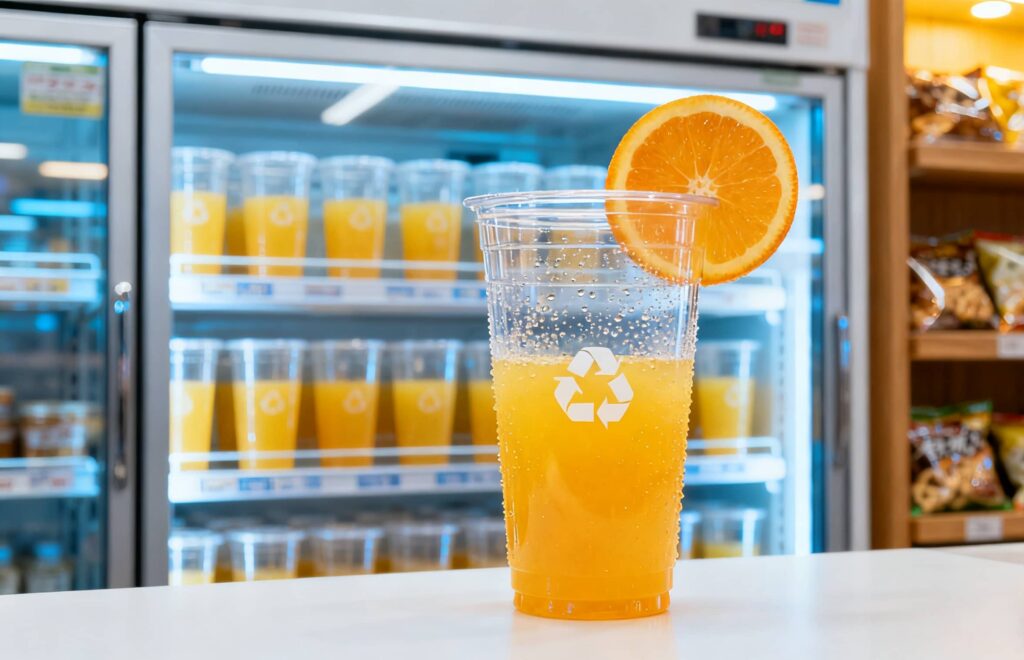
PLA (Polylactic Acid): A biodegradable plastic made from renewable plant resources like corn and sugarcane. PLA is compostable under industrial composting conditions and is commonly used for cold food packaging, especially in eco-friendly takeout cups, containers, and utensils.
PET, RPET, CPET, and PLA: Advantages for Food Packaging
1. Environmental Sustainability
PET, RPET, CPET, and PLA all play a significant role in reducing the environmental impact of food packaging. For instance, RPET helps close the recycling loop by using recycled material to produce new containers, thereby reducing the need for virgin plastic production. PLA, made from renewable resources, offers a biodegradable solution to plastic waste. However, each material comes with its own set of advantages:
-
PET is highly recyclable and can be reused indefinitely, making it ideal for beverage bottles, food containers, and packaging for ready-to-eat meals.
-
RPET significantly reduces carbon emissions since it eliminates the need for new PET production. This also lowers the overall energy consumption associated with manufacturing.
-
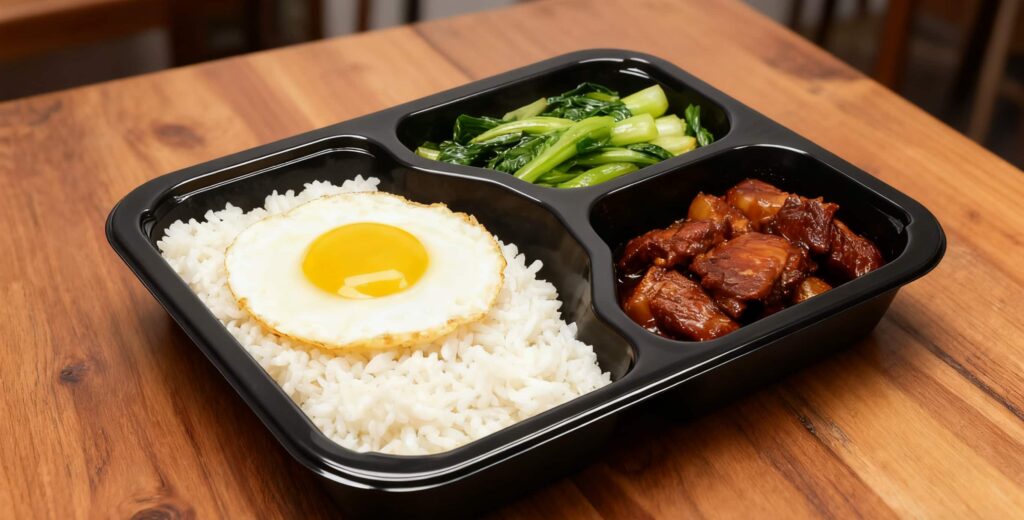
CPET is durable and resistant to high temperatures, making it suitable for microwave-ready meals and airline food packaging, reducing food waste and ensuring safety during transportation.
-
PLA is compostable and provides a renewable and biodegradable option for eco-conscious businesses and consumers.
2. Packaging Efficiency
In addition to their environmental benefits, these materials provide optimal packaging solutions in terms of both functionality and efficiency.
-
PET packaging is incredibly lightweight, which helps reduce shipping costs and minimizes the carbon footprint of transporting food.
-
RPET offers similar durability to PET but with the added benefit of reducing plastic waste.
-
CPET containers can withstand microwave reheating and freezing without compromising food safety, making them ideal for airline meals and quick-service restaurants.
-
PLA provides clear, aesthetically appealing containers that are perfect for cold drinks, salads, and desserts, which are increasingly popular in the takeout and fast-casual dining sectors.

3. Food Safety and Freshness
Food safety is a top priority when selecting food packaging materials. PET, RPET, CPET, and PLA have been extensively tested and certified for food safety.
-
PET containers are food-safe and comply with regulations set by the FDA and EU, making them ideal for direct contact with food and beverages.
-
RPET retains the same food-safe properties as PET and is commonly used for beverage and food containers, helping preserve freshness while reducing environmental harm.
-
CPET is designed to handle high temperatures, making it perfect for airline and ready-to-eat meals that require reheating. Its ability to withstand extreme conditions makes it a go-to material for both cold and hot food packaging.
-
PLA, while ideal for cold items, is a biodegradable option that decomposes naturally in industrial composting environments, providing a safe alternative to petroleum-based plastics.
Global Trends and Policies Supporting Sustainable Food Packaging
Around the world, countries are increasingly adopting policies that encourage or mandate the use of sustainable packaging solutions like PET, RPET, CPET, and PLA.
1. European Union
The European Union (EU) has been a global leader in advancing sustainable packaging regulations. The EU’s Circular Economy Action Plan, implemented as part of the European Green Deal, includes stringent rules on plastic waste, encouraging the recycling and reuse of materials like RPET. By 2025, all PET bottles in the EU must contain at least 25% recycled material. Additionally, the EU’s Single-Use Plastics Directive, effective from 2021, mandates reductions in the use of single-use plastic items, including those made from PLA.
2. United States
In the United States, the use of RPET and PLA is becoming more widespread due to growing consumer demand for eco-friendly alternatives. While federal regulations have yet to mandate large-scale changes, several states and cities have implemented their own packaging regulations. For example, California’s legislation on single-use plastics encourages the use of RPET and other recycled materials in food packaging. At the same time, PLA is being promoted for its compostability and biodegradability in states like Oregon and New York.
3. Japan
Japan is known for its advanced recycling systems, and RPET has become a standard material for beverage bottles and food containers in the country. Japan’s focus on sustainability is evident through the implementation of policies that require manufacturers to incorporate a higher percentage of recycled materials in packaging. Meanwhile, PLA is also gaining traction as an eco-friendly alternative for foodservice packaging, especially in the growing takeout and delivery sectors.
4. Canada
Canada has been proactive in encouraging the use of PLA and RPET for food packaging. In 2020, Canada banned single-use plastics, including plastic straws and stir sticks, which has led to an increased demand for biodegradable alternatives like PLA. RPET is also being adopted by major Canadian companies, as it supports the country’s circular economy goals and reduces plastic waste.
Comparative Analysis: PET, RPET, CPET, PLA vs. Traditional Materials
When compared to traditional plastic packaging materials like polystyrene and PVC, PET, RPET, CPET, and PLA offer several advantages.
1. PET vs. Polystyrene (PS)
-
PET is stronger, more flexible, and more recyclable than PS.
-
PS containers can leach harmful chemicals into food, whereas PET is non-toxic and safe for food contact.
2. RPET vs. PVC
-
RPET is a more sustainable alternative to PVC, which is not as easily recyclable and has more harmful environmental effects.
-
RPET offers similar durability and clarity to PVC, but with a lower carbon footprint.
3. CPET vs. Aluminum
-
CPET containers are more lightweight and cost-effective than aluminum containers, and they offer better food preservation with their heat-resistant properties.
-
Aluminum is harder to recycle in some regions, whereas CPET can be easily recycled in systems that handle PET.
4. PLA vs. Paper Packaging
-
PLA offers better moisture and grease resistance than paper, making it a superior choice for packaging greasy foods like pizza or fried items.
-
Paper packaging often requires additional coatings (e.g., plastic) for moisture protection, which makes it less sustainable than PLA.
Challenges and Considerations in Adopting Sustainable Food Packaging
While the transition to PET, RPET, CPET, and PLA is undoubtedly beneficial, there are still several challenges that need to be addressed.
1. Cost
The production costs of PLA and RPET can be higher than that of traditional plastic. This is especially true for PLA, as its biodegradability and limited supply chains can lead to higher prices. However, as demand for sustainable packaging rises, costs are expected to decrease.
2. Consumer Awareness
While many consumers are aware of the importance of recycling, not all are informed about the benefits of RPET, PLA, and CPET. Increased education and awareness campaigns are crucial in helping the public understand the advantages of these materials.
3. Composting Infrastructure
PLA requires industrial composting facilities to break down, which are not always available in all regions. This can lead to confusion over the disposal of PLA packaging and reduce its effectiveness in waste management.
FAQ
1. What are the main differences between PET and RPET?
-
PET is virgin plastic, while RPET is made from recycled PET. RPET reduces the need for new plastic production and helps minimize waste.
2. Can PLA be recycled?
-
PLA is compostable but cannot be recycled through standard plastic recycling systems. It requires industrial composting facilities.
3. Is CPET safe for microwave use?
-
Yes, CPET is heat-resistant and is commonly used for microwave-safe food containers.
4. What are the main environmental benefits of RPET?
-
RPET helps reduce plastic waste by using recycled materials, and its production requires less energy compared to virgin PET.
5. How do PET and PLA compare for food packaging?
-
PET is ideal for high durability and transparency, while PLA is better for cold food items and offers a biodegradable alternative.
Conclusion
The adoption of PET, RPET, CPET, and PLA in food packaging is an essential step toward reducing environmental impact and promoting sustainability across the globe. These materials offer multiple benefits, including recyclability, biodegradability, and low carbon footprints. As more countries enact regulations encouraging the use of sustainable packaging, the demand for these materials will continue to grow.
For businesses and consumers alike, choosing PET, RPET, CPET, and PLA food packaging is not just an eco-friendly option but a necessary move for a greener future.
References
-
Food and Drug Administration (FDA) – Bioplastics in Food Packaging
https://www.fda.gov/food/food-labeling-nutrition/bioplastics-food-packaging -
European Commission – Plastic Packaging Regulation
https://ec.europa.eu/environment/circular-economy/ -
Environmental Protection Agency (EPA) – Recycling and Waste Management Regulations
https://www.epa.gov/smm/sustainable-materials-management -
International Organization for Standardization (ISO) – ISO 18604:2013 – Packaging and the Environment
https://www.iso.org/standard/63555.html -
European Bioplastics – PLA and Its Role in Food Packaging
https://www.european-bioplastics.org/ -
TÜV Austria – OK Compost Certification for PLA
https://www.tuv.at/en/ -
Xiamen Dashan – PET, RPET, CPET, PLA Packaging Solutions
https://www.dashanpacking.com -
MarketsandMarkets – Global Bioplastics Market Report
https://www.marketsandmarkets.com -
Plastic Waste Reduction Strategies in Europe – A Policy Overview
https://www.europeanpolicybriefing.eu/ -
The Ellen MacArthur Foundation – Circular Economy and Plastic Packaging
https://www.ellenmacarthurfoundation.org/
Disclaimer & Copyright Notice
This article is created by the Dashan Packing editorial and research team.All information presented here is for educational and industry reference purposes only.Some data and standards cited in this article are sourced from publicly available materials,official regulatory documents, or third-party publications, which are properly credited where applicable.
All rights to third-party trademarks, images, and content belong to their respective owners.If any copyrighted material has been used inadvertently, please contact us at angel@chndashan.com.We respect intellectual property rights and will promptly remove or revise any material upon verification.