

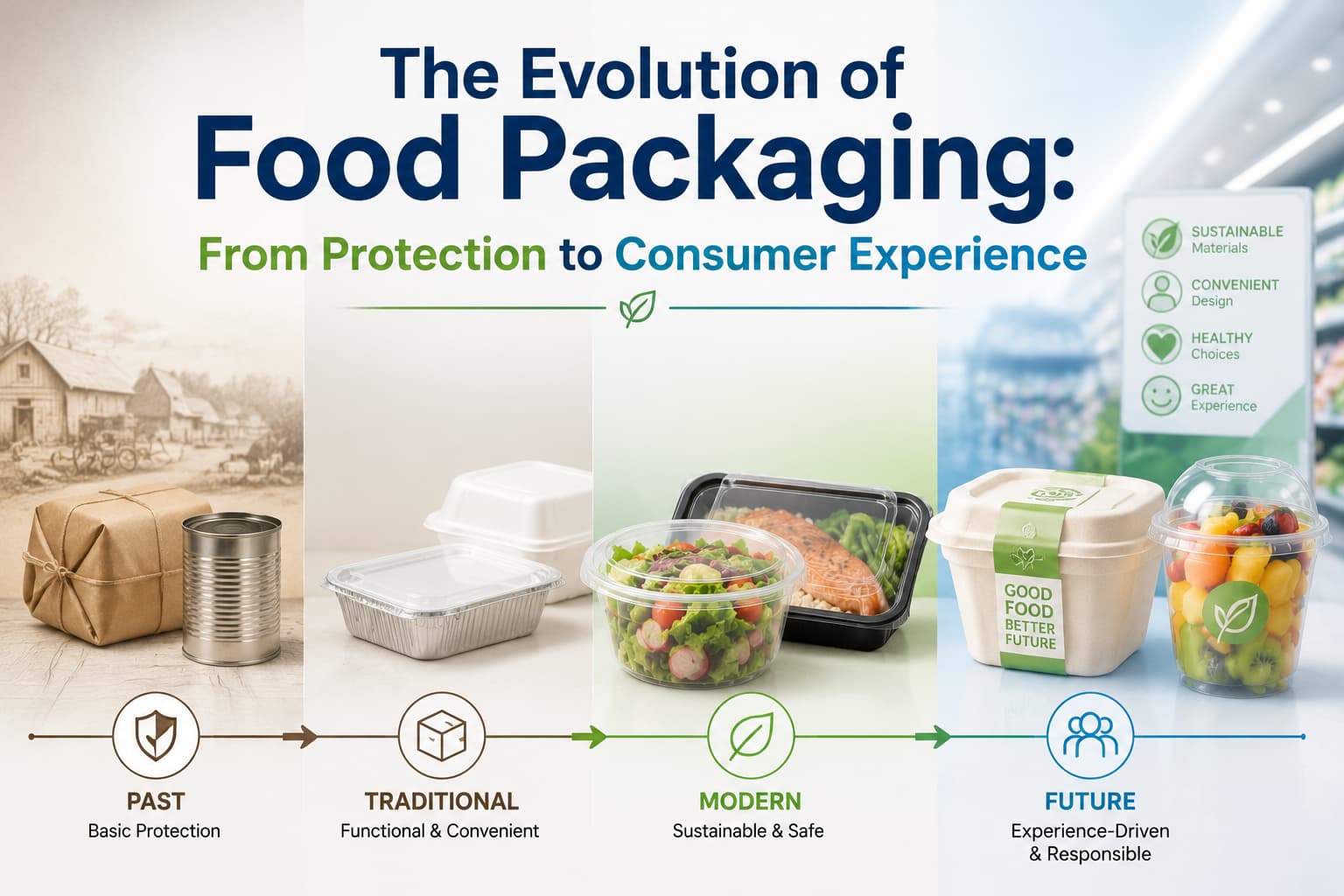
Introduction: How Food Packaging Has Transformed Over Time
Food packaging has always played an essential role in protecting food products, but its purpose has changed dramatically over the past century. What was once considered a simple protective barrier has evolved into a sophisticated solution that influences food safety, convenience, sustainability, brand image, and consumer purchasing decisions.
In the early stages of food distribution, packaging was primarily designed to prevent contamination, extend shelf life, and make transportation easier. The main goal was functional protection—keeping food safe until it reached consumers.
However, the modern food industry operates in a much more complex environment. Global supply chains, changing consumer lifestyles, growing demand for convenience foods, and increasing sustainability expectations have transformed the role of packaging.
Today, food packaging must do much more than contain products. It needs to:
- Protect food quality throughout the supply chain
- Improve consumer convenience
- Enhance product visibility
- Support brand differentiation
- Reduce environmental impact
- Meet increasingly strict global regulations
For retailers and food manufacturers, packaging has become a strategic business tool. A well-designed package can influence purchasing decisions, reduce food waste, improve operational efficiency, and create a stronger connection between brands and consumers.
This evolution has also changed the expectations placed on packaging manufacturers. Suppliers are no longer only producing containers—they are developing complete packaging solutions that combine material science, design, functionality, and compliance.
From transparent PET containers that showcase fresh products to heat-resistant PP packaging for ready meals and CPET trays for airline catering, modern packaging reflects the changing needs of the global food industry.
This article explores how food packaging has evolved from a basic protective function into a key element of consumer experience and business innovation.
The First Stage: Food Packaging Was Designed Mainly for Protection
The Primary Purpose of Early Food Packaging
The earliest forms of food packaging focused on one fundamental goal: protecting food.
Before modern supply chains existed, food preservation was a major challenge. Without effective packaging, products were vulnerable to:
- Contamination
- Moisture loss
- Physical damage
- Microbial growth
- Reduced shelf life
Traditional packaging materials such as glass, metal, and paper-based solutions were widely used because they provided basic protection and improved storage capability.
For example:
- Glass containers helped preserve liquids and sauces
- Metal cans allowed long-term storage of processed foods
- Paper packaging provided simple protection for dry products
At this stage, packaging design was mainly driven by practical requirements rather than consumer experience.
The important questions were:
- Can the food remain safe?
- Can it survive transportation?
- Can it be stored for longer periods?
Appearance, convenience, and sustainability were secondary considerations.
The Growth of Modern Food Distribution Changed Packaging Needs
The expansion of supermarkets, international trade, and global food distribution created new challenges for packaging.
Food products began traveling longer distances and passing through more complex supply chains.
Packaging needed to become:
- Lighter
- Stronger
- More flexible
- More cost-efficient
This period marked the rapid growth of plastic packaging.
Compared with traditional materials, plastic offered several advantages:
Lightweight Design
Plastic packaging reduced transportation weight and improved logistics efficiency.
Flexible Manufacturing
Manufacturers could create packaging in different shapes, sizes, and structures.
Cost Efficiency
Plastic provided reliable protection at a competitive cost.
These advantages helped accelerate the development of modern food packaging.
Materials such as PET (Polyethylene Terephthalate) and PP (Polypropylene) became increasingly important because they provided excellent performance for different food applications.
The Rise of Plastic Packaging and Specialized Food Solutions
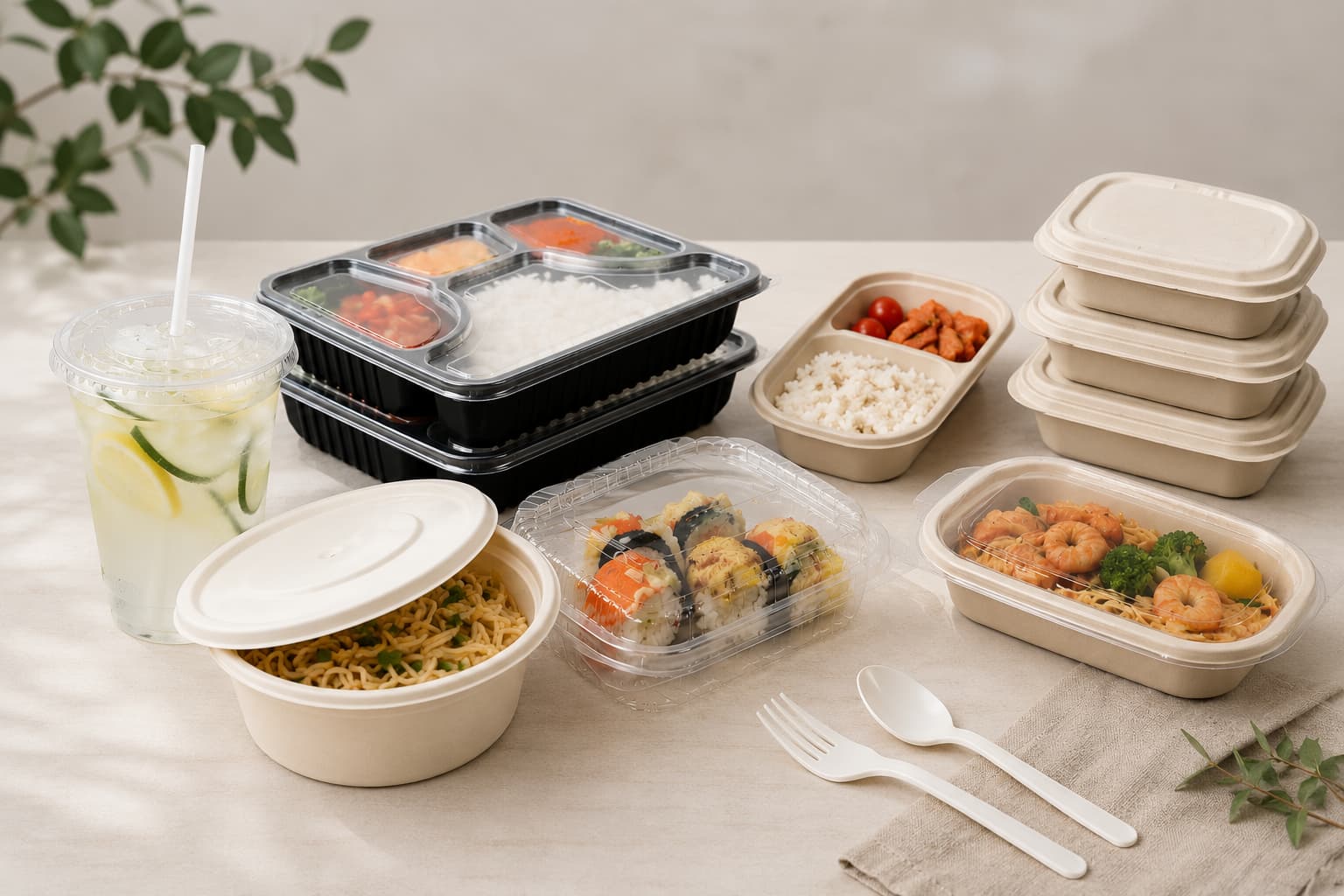
PET and PP Expanded the Possibilities of Food Packaging
Modern food packaging is no longer based on one universal material. Different foods require different packaging characteristics.
PET and PP became two of the most widely used materials because they solve different packaging challenges.
PET Packaging: Improving Product Visibility
PET changed the way fresh food products are displayed.
Its high transparency allows consumers to see:
- Product freshness
- Color quality
- Portion size
- Overall appearance
This makes PET especially suitable for:
- Fresh fruits
- Salads
- Bakery products
- Desserts
- Cold food packaging
In retail environments, visual presentation has become increasingly important. Transparent PET packaging allows products to become their own marketing tool.
Consumers can immediately evaluate product quality, creating greater confidence during purchase.
PP Packaging: Supporting Convenience and Ready Meals
The growth of ready-to-eat food created demand for packaging that could handle more demanding conditions.
PP became widely used because of its:
- Heat resistance
- Durability
- Lightweight structure
- Microwave compatibility
Common applications include:
- Ready meals
- Rice dishes
- Noodles
- Soups
- Takeaway food
As lifestyles became faster and more convenience-focused, PP packaging helped food companies deliver products that were easy to store, heat, and consume.
CPET: Meeting Advanced Heating Requirements
Certain applications require even higher temperature performance.
CPET packaging was developed for products that require:
- Freezing
- Storage
- Oven reheating
It is widely used in:
- Airline catering
- Premium ready meals
- Frozen food applications
This demonstrates how food packaging has evolved from simple protection into specialized engineering solutions designed around specific food processes.
Packaging Became Part of the Consumer Experience
The biggest change in modern food packaging is that it is no longer only evaluated by manufacturers. Consumers now directly interact with packaging and judge products based on their packaging experience.
Packaging influences:
- First impressions
- Perceived quality
- Convenience
- Brand trust
A successful package must protect the product while also creating a positive consumer experience.
Visual Presentation Influences Purchasing Decisions
In supermarkets and retail environments, consumers often make purchasing decisions within seconds.
Packaging appearance can determine whether a product attracts attention.
Clear packaging has become especially important for fresh food categories.
For example:
A PET salad container allows customers to see:
- Fresh ingredients
- Portion size
- Product arrangement
This transparency creates a perception of freshness and quality.
Similarly, fruit packaging allows shoppers to check the condition of berries, grapes, or cut fruits before purchase.
Packaging has therefore become an important communication tool between brands and consumers.
Convenience Has Changed Packaging Design
Modern consumers increasingly value convenience.
The growth of:
- Takeaway food
- Meal preparation services
- Ready-to-eat meals
- Convenience stores
has created new packaging requirements.
Consumers expect packaging to be:
- Easy to open
- Easy to carry
- Leak resistant
- Microwave compatible
- Suitable for different portion sizes
For food businesses, packaging convenience directly affects customer satisfaction.
A container that protects food but creates inconvenience during use may negatively impact the overall product experience
The Rise of Functional Food Packaging: Beyond Basic Protection
As the food industry becomes more advanced, packaging is expected to do more than simply contain products. Modern packaging must actively solve challenges throughout the entire food supply chain, including transportation, storage, retail display, and consumer use.
This shift has created the concept of functional food packaging—packaging designed with specific performance features to improve food quality, safety, and convenience.
Functional packaging focuses on solving practical problems such as:
- Maintaining freshness
- Preventing leakage
- Improving shelf appearance
- Supporting temperature requirements
- Reducing food waste
For food manufacturers and retailers, choosing the right packaging is no longer only about size or appearance. Packaging performance has become a key factor affecting product success.
Anti-Fog Technology Improves Fresh Food Presentation
Fresh food categories have some of the highest packaging requirements because appearance directly influences purchasing decisions.
Products such as:
- Fresh salads
- Fruits
- Vegetables
- Ready-to-eat meals
need packaging that maintains visibility throughout storage and display.
One common challenge is condensation.
When cold products move through different temperature environments, moisture can accumulate inside the package. This creates fogging on the lid or container surface, making the product appear less fresh.
Anti-fog packaging technology helps solve this issue by reducing condensation and maintaining package clarity.
Benefits include:
- Better product visibility
- Improved shelf presentation
- Increased consumer confidence
- Reduced product rejection caused by poor appearance
For supermarkets and fresh food retailers, anti-fog solutions have become an important packaging innovation because visual quality directly affects sales performance.
Barrier Packaging Helps Protect Food Quality
Another major development in food packaging is the improvement of barrier performance.
Certain foods require additional protection against:
- Oxygen
- Moisture
- Light
- External contamination
High-barrier packaging helps maintain product quality by slowing down unwanted changes during storage.
Applications include:
- Fresh meat products
- Prepared meals
- Dairy products
- Premium ready-to-eat foods
For example, high-barrier PP packaging is increasingly used for food products that require stronger protection while maintaining heat resistance and recyclability.
By extending product quality and reducing spoilage, advanced packaging can also contribute to reducing food waste.
Packaging Design Improves Transportation Efficiency
Modern packaging must perform beyond the retail shelf.
Before reaching consumers, food products may pass through multiple stages:
Food production → Warehouse → Transportation → Retail display → Consumer
Each stage creates potential risks.
Poor packaging design can lead to:
- Crushed products
- Leakage
- Damaged appearance
- Increased waste
Therefore, packaging engineers focus on:
- Structural strength
- Stackability
- Lid security
- Space efficiency
For example:
PET fruit containers need enough rigidity to prevent delicate products from being damaged during transportation.
PP meal containers require strong structures to maintain shape during distribution.
Efficient packaging design improves logistics performance while reducing unnecessary material usage.
Sustainability Is Redefining the Future of Food Packaging
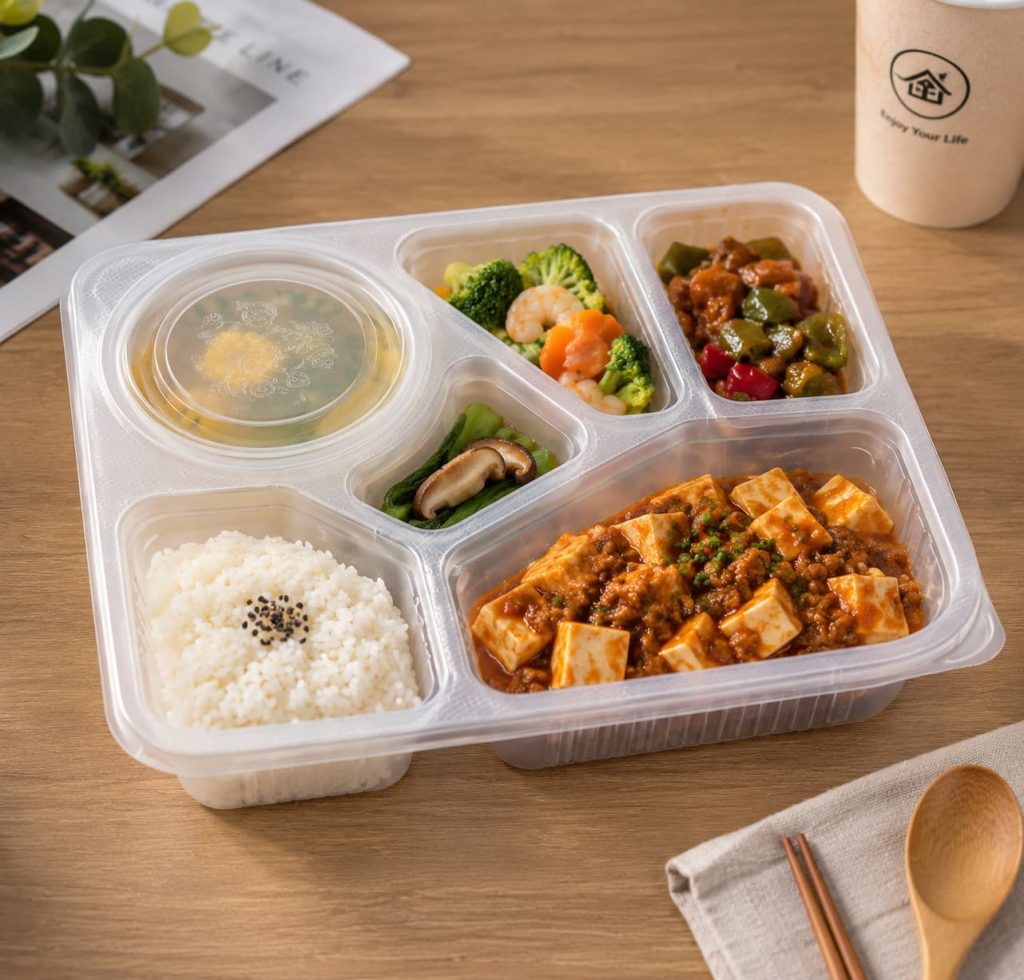
While functionality remains essential, sustainability has become one of the strongest forces shaping the future of food packaging.
Governments, retailers, and consumers worldwide are placing greater emphasis on:
- Recycling
- Reduced plastic waste
- Circular economy solutions
- Responsible material selection
As a result, packaging manufacturers are developing solutions that balance environmental goals with food safety and performance.
From Single-Use Thinking to Circular Packaging Systems
Traditional packaging decisions often focused mainly on:
- Cost
- Convenience
- Protection
Today, companies are considering the complete lifecycle of packaging:
Raw materials → Production → Usage → Collection → Recycling
This lifecycle approach encourages manufacturers to design packaging that creates less environmental impact while maintaining performance.
Examples include:
- Recyclable PET packaging
- RPET recycled packaging
- Lightweight PP containers
- Compostable foodservice products
RPET and Recycled Materials Are Becoming More Important
Recycled PET (RPET) has become an important material option for sustainable food packaging.
It combines several advantages:
- Recycled content
- High transparency
- Good mechanical strength
- Compatibility with recycling systems
RPET is commonly used for:
- Salad containers
- Fruit packaging
- Retail food containers
For brands and retailers, RPET provides an opportunity to improve sustainability performance while maintaining the attractive appearance consumers expect from clear packaging.
Alternative Materials Are Expanding Packaging Choices
In addition to recyclable plastics, alternative materials are also gaining attention.
Examples include:
Bagasse Packaging
Made from sugarcane fiber, bagasse packaging is commonly used for:
- Takeaway containers
- Plates
- Foodservice applications
Advantages:
- Renewable raw material
- Compostable under suitable conditions
- Suitable for disposable foodservice products
PLA and Cornstarch-Based Packaging
These materials are often used for:
- Cups
- Cutlery
- Small food containers
They provide additional options for businesses looking to explore compostable packaging solutions.
However, sustainable packaging selection should always consider the complete system, including:
- Product requirements
- Food safety
- Local waste infrastructure
- Recycling availability
A material is only truly sustainable when it fits the real-world application.
Packaging Has Become a Powerful Brand Communication Tool
Modern consumers do not only evaluate the food inside the package. They also judge the brand through the packaging experience.
Packaging communicates:
- Product quality
- Brand values
- Sustainability commitment
- Market positioning
For food brands, packaging has become an important part of marketing strategy.
Premium Packaging Creates Product Differentiation
In competitive retail environments, many products compete for consumer attention.
Packaging helps brands stand out through:
- Unique shapes
- Clear presentation
- Better functionality
- Customized designs
For example:
A premium salad brand may use transparent PET packaging to emphasize freshness.
A high-quality ready meal brand may choose strong PP containers to communicate reliability and convenience.
The right packaging reinforces the product message before consumers even taste the food.
OEM and ODM Enable Customized Packaging Solutions
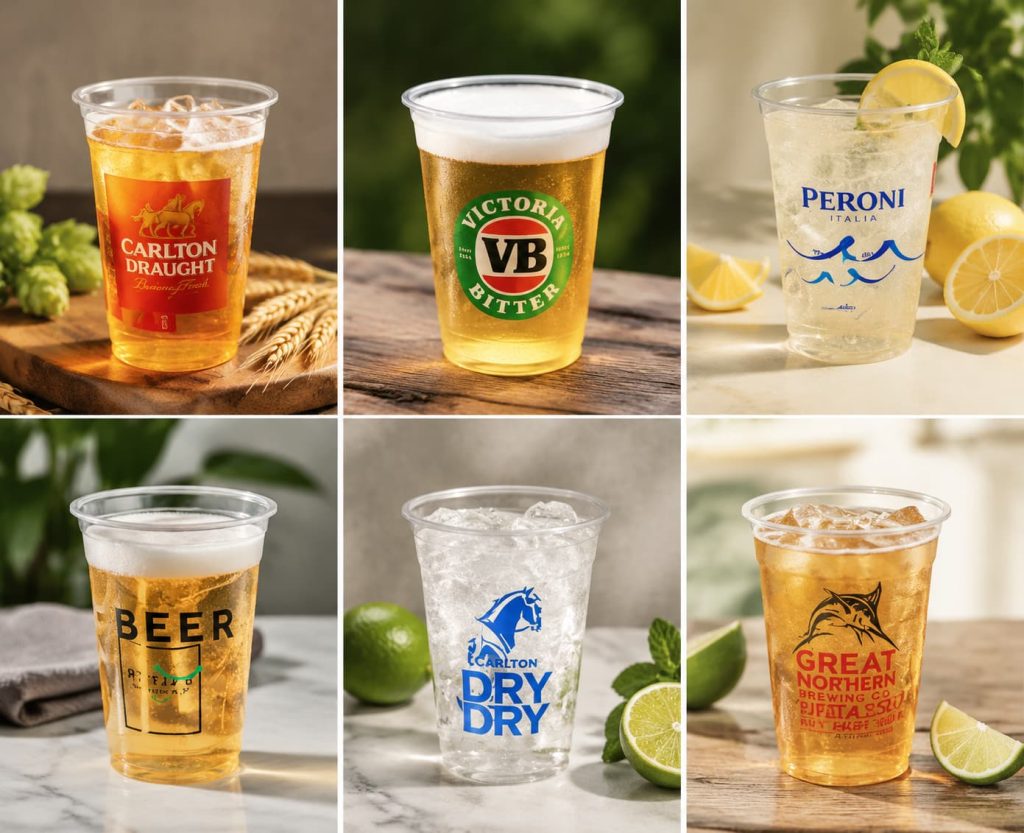
As food brands become more specialized, standard packaging options may not always meet their needs.
OEM and ODM services allow companies to develop packaging based on:
- Product dimensions
- Portion requirements
- Retail environment
- Brand positioning
Customization options may include:
- Container size
- Shape design
- Lid structure
- Material selection
- Packaging appearance
This flexibility allows brands to create packaging solutions that better match their market strategy.
How Packaging Manufacturers Support the Future of Food Packaging
The evolution of food packaging has changed the role of packaging suppliers.
Modern manufacturers are no longer only producing containers. They are becoming technical partners that help businesses solve packaging challenges.
A professional packaging supplier should provide support in several key areas.
Material Expertise
Different food categories require different packaging solutions.
Experienced suppliers help customers select suitable materials:
| Material | Suitable Applications |
|---|---|
| PET | Fresh fruits, salads, desserts, cold foods |
| PP | Ready meals, hot food, microwave products |
| CPET | Airline meals, oven-ready products |
| RPET | Sustainable retail packaging |
| Bagasse | Foodservice and takeaway applications |
Compliance Support
Global food packaging markets require strict compliance.
Professional suppliers should support customers with:
- Food contact documentation
- Migration testing information
- Material specifications
- Quality certifications
This is especially important for exporters entering markets such as:
- Europe
- United States
- Japan
- South Korea
- Australia
How DASHAN Supports the Future of Food Packaging
As consumer expectations and global packaging requirements continue to evolve, DASHAN focuses on providing food packaging solutions that combine functionality, design, and compliance.
DASHAN offers a wide range of packaging solutions, including:
PET Packaging Solutions
Designed for:
- Fresh fruits
- Salads
- Bakery products
- Desserts
Key advantages:
- High transparency
- Attractive presentation
- Strong protection
PP Packaging Solutions
Designed for:
- Ready meals
- Takeaway food
- Microwave applications
Key advantages:
- Heat resistance
- Durability
- Multiple capacity options
CPET Packaging Solutions
Designed for:
- Airline catering
- Frozen meals
- Oven-ready foods
Key advantages:
- High-temperature performance
- Reliable food protection
Sustainable Packaging Solutions
Including:
- RPET packaging
- Compostable packaging options
- Recyclable material solutions
Through OEM and ODM capabilities, DASHAN works with food brands, retailers, and distributors to develop packaging solutions based on specific market requirements.
FAQ
1. How has food packaging changed over time?
Food packaging has evolved from focusing mainly on protection and preservation to providing convenience, sustainability, and enhanced consumer experiences.
2. Why is PET packaging popular for fresh food products?
PET packaging offers excellent transparency, allowing consumers to see product quality, freshness, and appearance before purchase.
3. Why is PP commonly used for ready meals?
PP provides excellent heat resistance, durability, and microwave compatibility, making it suitable for hot food and ready-to-eat meals.
4. How is sustainability influencing food packaging development?
Sustainability is driving the adoption of recyclable materials, recycled content packaging such as RPET, and alternative materials such as bagasse and PLA.
5. What should companies consider when choosing a food packaging supplier?
Companies should evaluate material expertise, customization capabilities, compliance support, production quality, and experience serving international markets.
Conclusion: Food Packaging Will Continue to Evolve
The evolution of food packaging reflects the changing relationship between products, brands, retailers, and consumers.
From early packaging designed only for protection to today’s advanced solutions focused on convenience, sustainability, and consumer experience, packaging has become an essential part of the food industry.
Future food packaging will continue moving toward:
- Better functionality
- More sustainable materials
- Improved consumer convenience
- Stronger brand communication
The most successful packaging solutions will not only protect food but also create value throughout the entire supply chain.
For food manufacturers, retailers, and brands, choosing the right packaging partner will become increasingly important as the industry continues to evolve.
References
- European Commission – Food Contact Materials
https://food.ec.europa.eu/plants-and-pesticides/food-contact-materials_en - U.S. Food & Drug Administration (FDA) – Packaging & Food Contact Substances
https://www.fda.gov/food/packaging-food-contact-substances-fcs - Food Packaging Forum
https://www.foodpackagingforum.org - World Packaging Organisation (WPO)
https://www.worldpackaging.org - Ellen MacArthur Foundation – Circular Economy and Packaging
https://ellenmacarthurfoundation.org - DASHAN Food Packing
https://www.dashanpacking.com
Copyright Statement
© 2026 Dashan Packing. All rights reserved.
This article is an original publication by the Dashan Packing team based on industry research, market analysis, and packaging expertise. Unauthorized reproduction, distribution, or copying of this content is prohibited without prior written permission.
Dashan Packing is committed to delivering reliable, original, and professional information for the global food packaging industry.