

Quick Summary
Compostable packaging is often promoted as a greener alternative to plastic, but its real environmental impact depends on raw materials, production energy, disposal systems, and user behavior. In practice, compostables reduce plastic pollution only when industrial composting infrastructure exists. Otherwise, they may create new waste challenges rather than solving old ones.
Introduction: Why Compostable Does Not Automatically Mean Sustainable
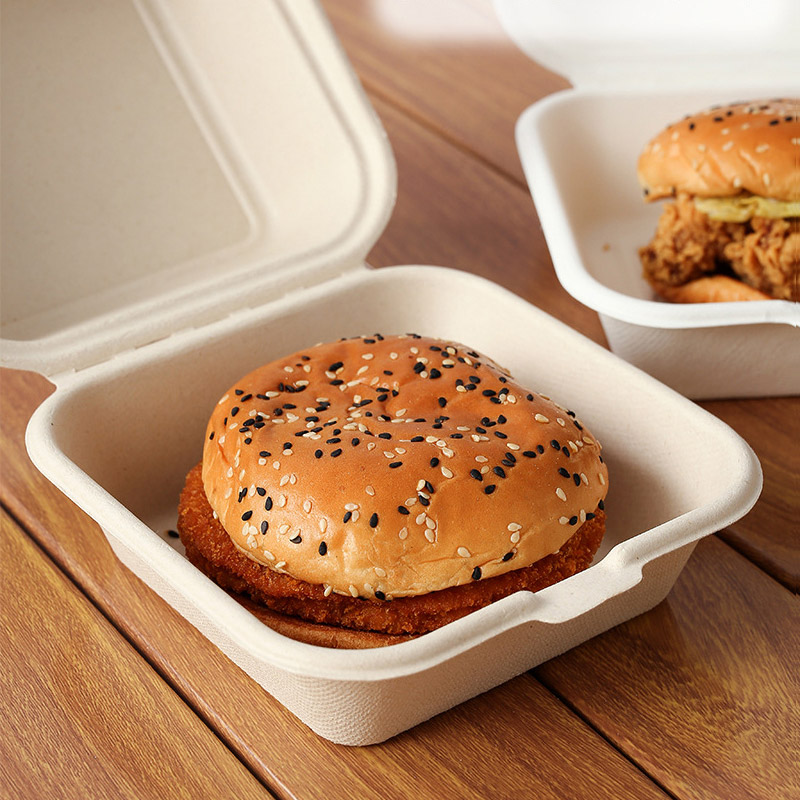
Compostable packaging is often presented as a clear environmental upgrade over conventional plastics. For food brands, foodservice operators, and packaging buyers, the appeal is obvious: plant-based materials, reduced reliance on fossil resources, and the promise of natural decomposition after use.
However, sustainability in packaging is rarely defined by a single attribute. Compostability alone does not guarantee lower environmental impact. In many cases, compostable packaging introduces a new set of trade-offs that are frequently overlooked during material selection.
From infrastructure limitations to performance-related waste, compostable materials can create environmental consequences that offset their intended benefits. Understanding these trade-offs is essential for making responsible packaging decisions—especially in real-world foodservice environments.
This article examines the environmental advantages and limitations of compostable packaging, focusing on how material performance, waste systems, and usage conditions shape actual sustainability outcomes.
What “Compostable Packaging” Really Means
Industrial vs Home Compostable Materials
One of the most common misconceptions about compostable packaging is the assumption that it will naturally break down in any environment. In reality, most compostable food packaging is designed for industrial composting, not home composting.
Industrial composting facilities operate under controlled conditions:
-
Sustained high temperatures
-
Specific humidity levels
-
Active microbial environments
Without these conditions, compostable materials may degrade very slowly—or not at all. In regions lacking industrial composting infrastructure, compostable packaging often ends up in landfills or incinerators, following the same disposal path as conventional plastics.
Home compostable materials exist, but their availability is limited, and performance requirements for food packaging make them unsuitable for many applications.
Common Compostable Materials in Food Packaging
Compostable packaging is not a single material category. It includes a range of materials with different environmental profiles and functional limits:
-
Paper-based packaging with compostable coatings
Each material presents a unique balance between renewability, performance, and environmental impact.
Environmental Benefits of Compostable Packaging
Renewable Feedstocks and Reduced Fossil Dependence
Most compostable packaging materials are derived from renewable resources such as corn, sugarcane, or agricultural byproducts. This reduces reliance on fossil fuels and aligns with long-term goals of lowering carbon dependency.
For materials like bagasse, which utilize agricultural waste, compostable packaging can contribute to more efficient resource use by repurposing byproducts that might otherwise be discarded or burned.
Reduced Long-Term Plastic Persistence
Traditional plastics can persist in the environment for decades or longer. Compostable materials are designed to break down into organic matter under the right conditions, potentially reducing long-term environmental accumulation.
For food-contaminated packaging—such as plates, bowls, or cutlery used for oily or sauced foods—compostability offers an alternative end-of-life pathway where recycling is impractical.
The Hidden Environmental Trade-Offs
Composting Infrastructure Limitations
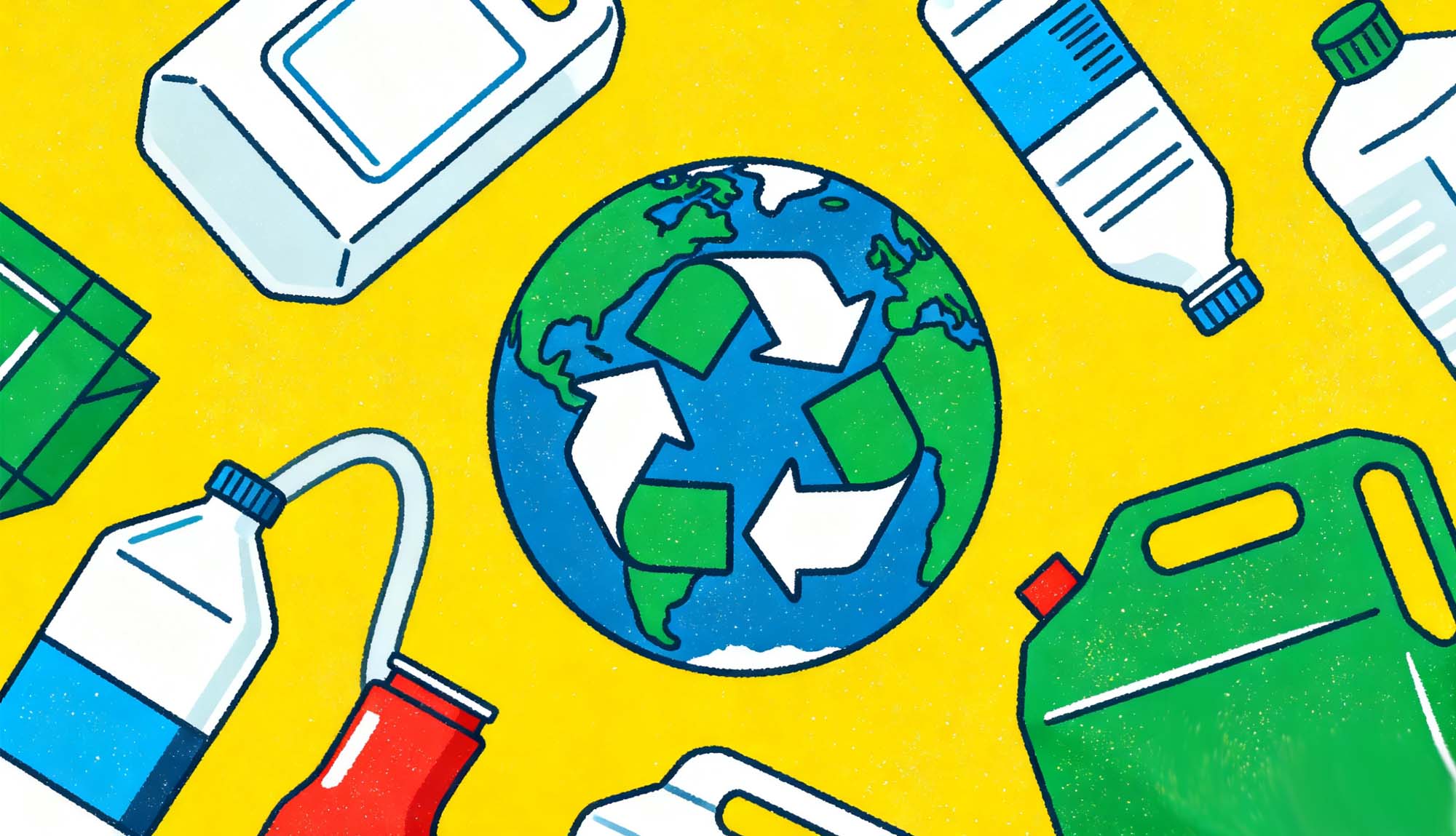
One of the most significant environmental trade-offs of compostable packaging is the mismatch between material design and waste infrastructure.
Globally, industrial composting capacity remains limited. Even in regions with composting programs, acceptance criteria vary widely. Many facilities reject compostable plastics due to concerns about contamination, processing time, or incomplete degradation.
When compostable packaging is landfilled:
-
Decomposition slows dramatically
-
Methane emissions may occur
-
Environmental benefits are significantly reduced
In incineration scenarios, compostable materials offer little advantage over conventional plastics.
Contamination of Recycling Streams
Compostable plastics such as PLA visually resemble PET and other recyclable plastics. When incorrectly sorted, they can contaminate recycling streams and reduce the quality of recycled materials.
This contamination risk creates tension between compostable and recyclable systems. In regions where recycling infrastructure is well-established but composting is not, compostable packaging can inadvertently undermine overall waste efficiency.
Performance-Related Waste
Environmental impact is not determined solely by material origin—it is heavily influenced by functional performance.
Compostable materials often have:
-
Lower heat resistance
-
Reduced moisture and oil barriers
-
Shorter functional lifespan
When packaging fails—through leakage, deformation, or breakage—it generates additional waste:
-
Replacement packaging
-
Food waste
-
Increased transportation emissions
In many cases, the environmental cost of repeated failures outweighs the benefits of compostability.
Material-Specific Trade-Off Analysis
Corn Starch Packaging
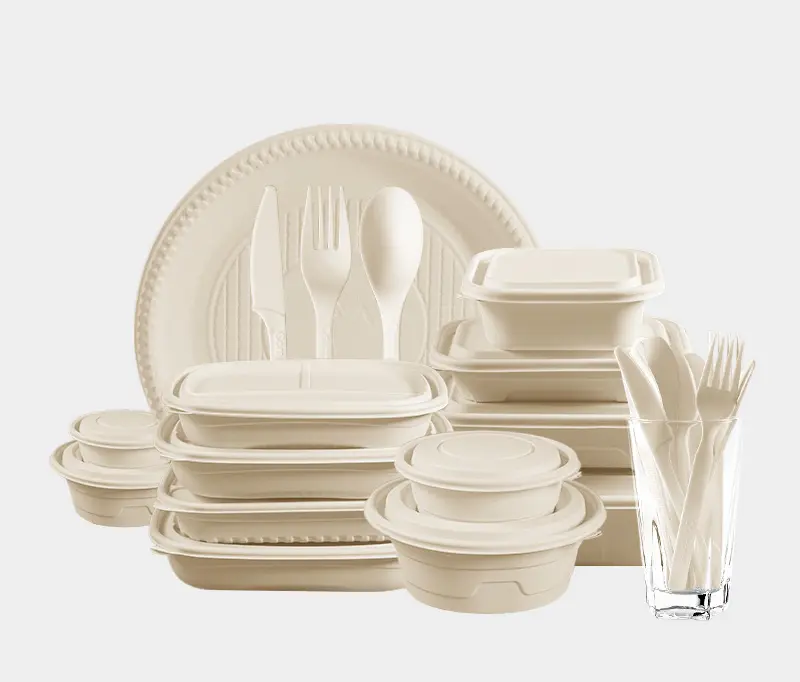
Corn starch packaging is widely promoted as a natural, compostable solution. In practice, most corn starch products are blends designed to achieve basic structural integrity.
Environmental advantages:
-
Renewable feedstock
-
Compostability under controlled conditions
Trade-offs:
-
High sensitivity to heat and moisture
-
Reduced rigidity under load
-
Limited suitability for hot or liquid foods
When corn starch packaging is used outside its optimal application range, higher rejection and replacement rates can increase overall environmental impact.
PLA and CPLA Materials

PLA is one of the most common compostable plastics used in food packaging. It offers good clarity and processability but has a relatively low heat tolerance.
CPLA improves heat resistance through crystallization, making it suitable for cutlery and some hot-food applications.
Environmental trade-offs include:
-
Energy-intensive production processes
-
Limited composting acceptance in many regions
-
Performance constraints under extreme heat
While PLA and CPLA can reduce fossil plastic use, their environmental benefits depend heavily on proper application and disposal systems.
Bagasse and Fiber-Based Packaging
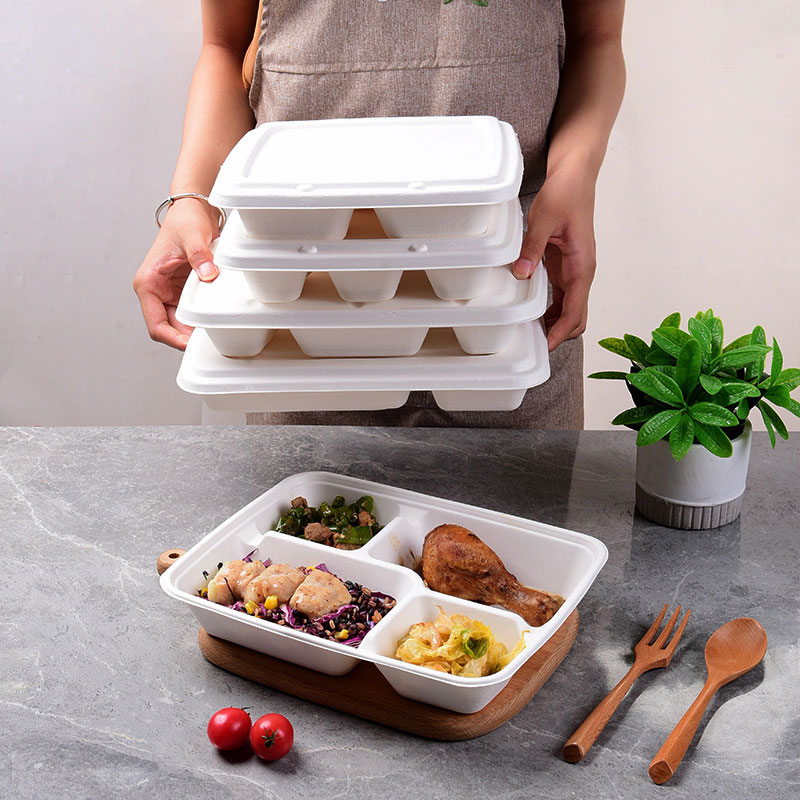
Bagasse packaging utilizes sugarcane residue, making it attractive from a resource efficiency standpoint.
Environmental benefits:
-
Utilization of agricultural waste
-
Renewable and biodegradable
Trade-offs:
-
High water and energy use during processing
-
Oil penetration and moisture absorption
-
Performance limitations in long holding times
In applications with high oil content or extended delivery, bagasse failures can lead to increased waste.
Compostable vs Recyclable: A Practical Comparison
The environmental debate is often framed as compostable versus recyclable. In reality, sustainability outcomes depend on system compatibility.
Recyclable plastics such as PP and RPET:
-
Perform reliably across a wide range of food applications
-
Fit existing recycling systems in many regions
-
Reduce failure-related waste
In markets with strong recycling infrastructure, recyclable materials may deliver lower environmental impact than compostable alternatives that lack end-of-life support.
How Climate and Usage Conditions Affect Environmental Outcomes
Environmental assessments often overlook climate and usage conditions. In hot climates or demanding foodservice environments, material stress increases significantly.
Factors such as:
-
High ambient temperatures
-
Hot food filling
-
Long delivery times
can accelerate material failure. Packaging that performs well in controlled tests may generate disproportionate waste in real-world use, altering its environmental footprint.
Making Compostable Packaging More Sustainable in Practice
Application-Specific Material Selection
The most effective way to improve sustainability is to match materials precisely to their intended use. Compostable packaging should be reserved for applications where:
-
Performance requirements are within material limits
-
Suitable composting infrastructure exists
-
Failure risk is low
Clear Labeling and Consumer Education
Misunderstanding about compostability leads to improper disposal. Clear labeling and realistic communication are essential to prevent contamination and maximize environmental benefits.
Integrating Compostable Packaging Into Real Systems
Rather than treating compostable packaging as a universal solution, brands should adopt hybrid strategies that integrate:
-
Compostable materials where appropriate
-
Recyclable materials where infrastructure supports them
This system-based approach often delivers better environmental outcomes than rigid material ideology.
Buyer Considerations: Questions That Define Real Sustainability
Before adopting compostable packaging, buyers should ask:
-
What is the actual disposal pathway?
-
How does the material perform under real use conditions?
-
Does the packaging reduce total waste, including food waste?
Sustainability is measured by outcomes, not intentions.
FAQ
1. Is compostable packaging always better for the environment than plastic?
No. Compostable packaging only offers environmental benefits when it is properly collected and processed in industrial composting facilities. Without this infrastructure, its advantages largely disappear.
2. Can compostable packaging break down in landfills?
Most compostable materials do not biodegrade efficiently in landfills due to low oxygen and temperature. In some cases, they behave similarly to conventional plastics.
3. Does compostable packaging reduce carbon emissions?
Not necessarily. Some compostable materials require high energy input during production, which can offset carbon savings compared to recycled plastics like rPET.
4. Why do compostable products often contaminate recycling streams?
Compostable plastics visually resemble conventional plastics. When mis-sorted, they reduce the quality and value of recycled plastic batches.
5. Is compostable packaging suitable for all food types?
No. Many compostable materials have limitations with hot, oily, or liquid foods and shorter shelf-life requirements, making them unsuitable for certain applications.
6. What should buyers consider before switching to compostable packaging?
Buyers should evaluate local composting access, food type, logistics, shelf life, and actual end-of-life outcomes—not just material labels.
Conclusion: Sustainability Is a Balance, Not a Single Attribute
Compostable packaging plays an important role in the transition toward more sustainable food packaging. However, it is not inherently superior to all other materials.
True sustainability emerges from balancing renewability, performance reliability, waste infrastructure compatibility, and real-world usage conditions. When these factors are aligned, compostable packaging can reduce environmental impact. When they are ignored, compostability becomes a symbolic gesture rather than a practical solution.
For food packaging, environmental responsibility is not about choosing the “greenest” material on paper—it is about selecting the material that performs sustainably in the real world.
References
-
European Bioplastics. Bioplastics Facts and Figures.
https://www.european-bioplastics.org/market/ -
Ellen MacArthur Foundation. The Global Commitment & Packaging Waste.
https://ellenmacarthurfoundation.org/topics/plastics/overview -
U.S. Environmental Protection Agency (EPA). Composting and Food Waste.
https://www.epa.gov/recycle/composting-home -
ISO 17088:2021. Specifications for Compostable Plastics.
https://www.iso.org/standard/72382.html -
WRAP UK. Compostable Packaging – Understanding the Trade-offs.
https://wrap.org.uk/resources/guide/compostable-packaging -
PlasticsEurope. Eco-profiles of Plastics and Related Materials.
https://plasticseurope.org/knowledge-hub/
Copyright Statement
© 2026 Dashan Packing. All rights reserved.
This article is an original work created by the Dashan Packing editorial team.
All text, data, and images are the result of our independent research, industry experience,
and product development insights. Reproduction or redistribution of any part of this content
without written permission is strictly prohibited.
Dashan Packing is committed to providing accurate, evidence-based information and
to upholding transparency, originality, and compliance with global intellectual property standards.