

Quick Summary
The food packaging industry is rapidly evolving, driven by the growing demand for sustainable solutions and technological innovations. Consumers, especially younger generations, are increasingly prioritizing eco-friendly packaging, leading to the rise of materials like biodegradable PLA and recycled PET (RPET). Governments are also enacting stricter regulations to reduce single-use plastics, pushing companies to adopt more sustainable practices.
At the same time, smart packaging technologies, such as temperature sensors and QR codes, are enhancing product traceability and improving consumer engagement. Convenience packaging, such as meal kits and single-serve containers, is also becoming more popular, catering to the busy, on-the-go lifestyles of consumers. E-commerce growth has further accelerated the need for packaging that is both protective and sustainable.
Despite these advancements, challenges remain, including higher costs, limited composting infrastructure, and consumer confusion about which materials are truly sustainable. However, businesses that embrace sustainable packaging can gain a competitive edge by aligning with consumer preferences and meeting regulatory requirements.
Introduction
The food packaging industry has undergone significant transformations in recent years, driven by shifting consumer preferences, stringent regulations, and the ongoing need for sustainability. As environmental concerns continue to grow, businesses are under increasing pressure to reduce their ecological footprint. As a result, sustainable packaging solutions, including eco-friendly materials, intelligent packaging technologies, and innovations in design, have risen to the forefront. This article explores the latest trends in the food packaging industry, examining how they impact businesses, consumers, and the environment.
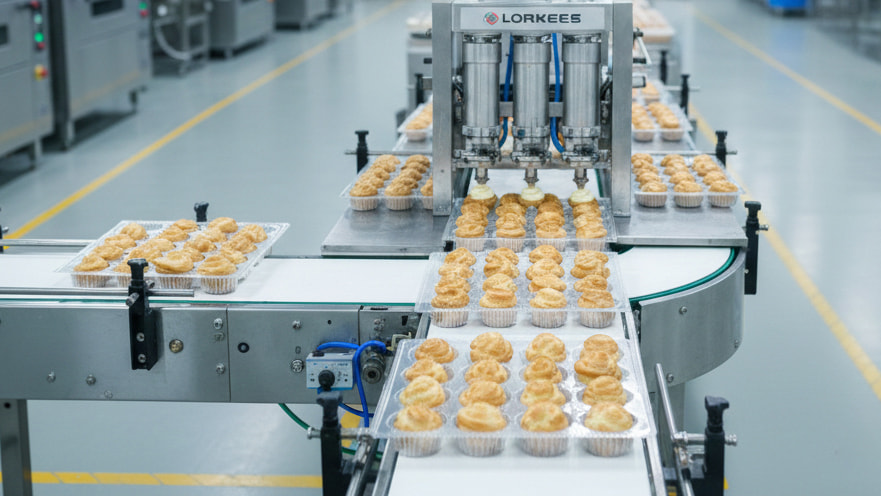
1. The Rise of Eco-Friendly Packaging
Consumer Demand for Sustainability
Consumers today are more eco-conscious than ever before, with younger generations leading the charge for more sustainable products. According to a 2022 study by Nielsen, 73% of global consumers are willing to pay more for products that are environmentally responsible. This shift in consumer behavior is driving the demand for sustainable food packaging. Companies are beginning to realize that offering eco-friendly packaging is not just a moral choice but also a competitive advantage.
Key Insights:
-
The demand for sustainable packaging is largely driven by the millennial and Gen Z demographic.
-
There is a growing preference for products with recyclable, biodegradable, and reusable packaging.
Regulatory Impact
Governments worldwide are enacting policies aimed at reducing single-use plastic packaging. In the European Union, the Single-Use Plastics Directive (SUPD) came into effect in 2021, banning plastic straws, cutlery, and plates. Similarly, countries like Canada and New Zealand are setting deadlines to phase out non-recyclable plastics, further accelerating the shift toward eco-friendly packaging materials.
Material Innovations
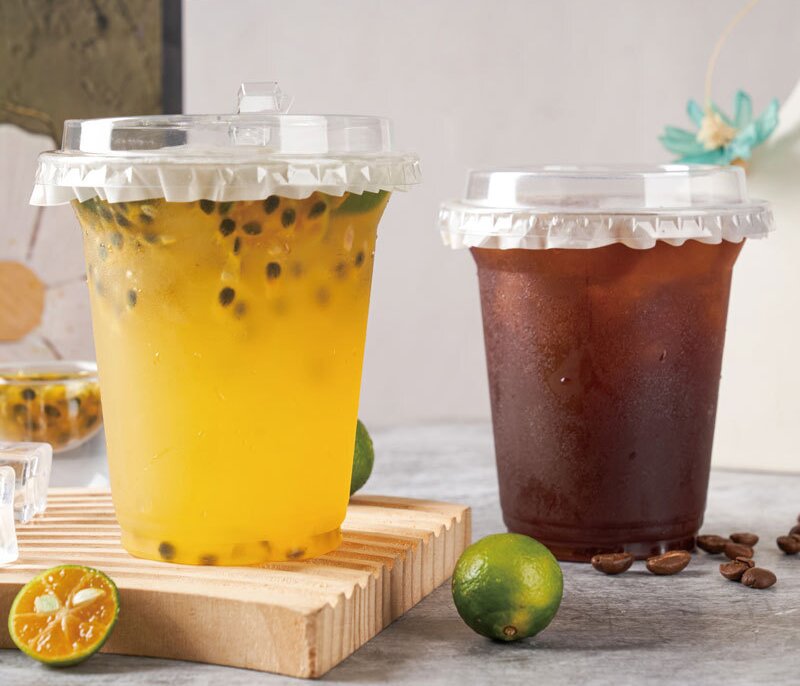
Eco-friendly materials such as biodegradable plastics, plant-based fibers, and recyclable PET (RPET) are gaining traction. Materials like PLA (Polylactic Acid), a bioplastic made from renewable resources, are becoming more common in foodservice packaging due to their compostability.
Case Study:
Starbucks’ Commitment to Sustainability
Starbucks has made significant strides toward reducing its environmental impact by transitioning to recyclable cups and packaging. The company’s decision to eliminate plastic straws in favor of paper straws and to use more sustainable packaging options has resonated with environmentally conscious consumers.
2. The Shift to Sustainable Materials
PLA (Polylactic Acid)
PLA is a bioplastic made from renewable plant sources like corn or sugarcane. It offers an eco-friendly alternative to traditional petroleum-based plastics. PLA is biodegradable and compostable under industrial composting conditions, which makes it a popular choice in the food packaging industry. However, challenges such as higher cost and limited composting infrastructure can hinder widespread adoption.
Benefits of PLA:
-
Biodegradable and compostable.
-
Made from renewable resources.
-
Low carbon footprint compared to petroleum-based plastics.
Challenges of PLA:
-
Higher manufacturing costs than conventional plastics.
-
Requires industrial composting facilities, which may not be available in all regions.
RPET (Recycled PET)
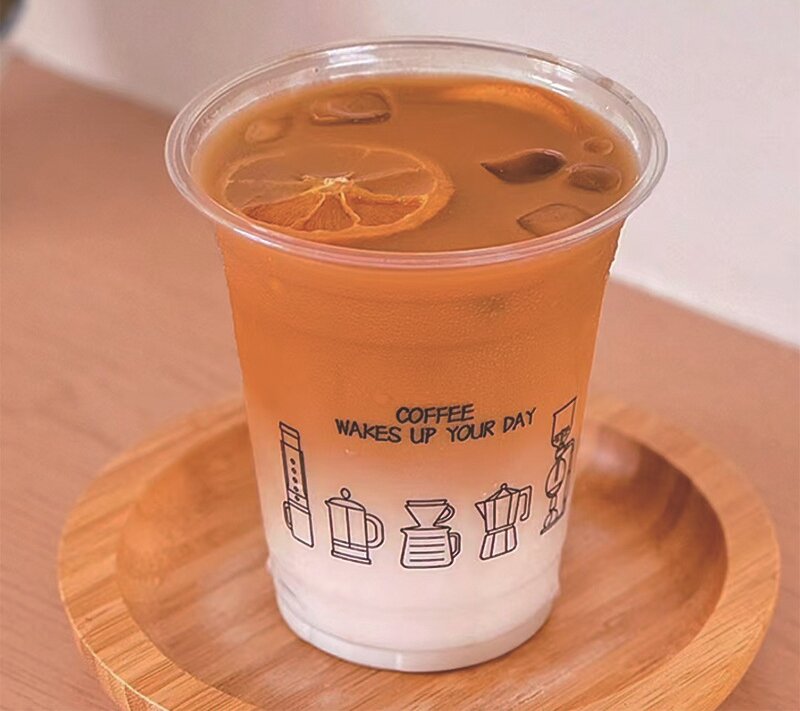
RPET is made from post-consumer PET plastic bottles that have been cleaned and repurposed into new packaging. This closed-loop recycling process reduces the need for virgin plastic production and diverts waste from landfills.
Case Study:
Coca-Cola’s Use of RPET
Coca-Cola has committed to using 50% recycled content in its PET plastic bottles by 2030. The company’s use of RPET not only helps reduce waste but also promotes a circular economy, as the material can be recycled and reused multiple times.
Paper-based Packaging
Paper and cardboard packaging are widely regarded as sustainable alternatives to plastic. Paper-based packaging is biodegradable and recyclable, making it a preferred option for many companies looking to reduce their environmental impact.
3. Intelligent Packaging Technology
Smart Packaging
Smart packaging refers to packaging that can interact with consumers and provide valuable information about the product. This technology is being used to enhance food safety, traceability, and consumer engagement. Smart packaging technologies include QR codes, NFC (Near Field Communication) chips, and sensors that can monitor temperature, humidity, and even food freshness.
Benefits of Smart Packaging:
-
Provides consumers with real-time information about food freshness.
-
Enhances product traceability through supply chains.
-
Encourages consumer interaction via QR codes, leading to better brand engagement.
Case Study: IoT-enabled Packaging for Food Safety
Several food companies have already begun using Internet of Things (IoT) enabled packaging to monitor and control the freshness of their products. For example, a company in Europe introduced temperature-sensitive packaging for fresh produce, which alerts both suppliers and consumers when the product has been stored outside of the optimal temperature range.
4. Trends in Convenience Packaging
On-the-Go Consumption
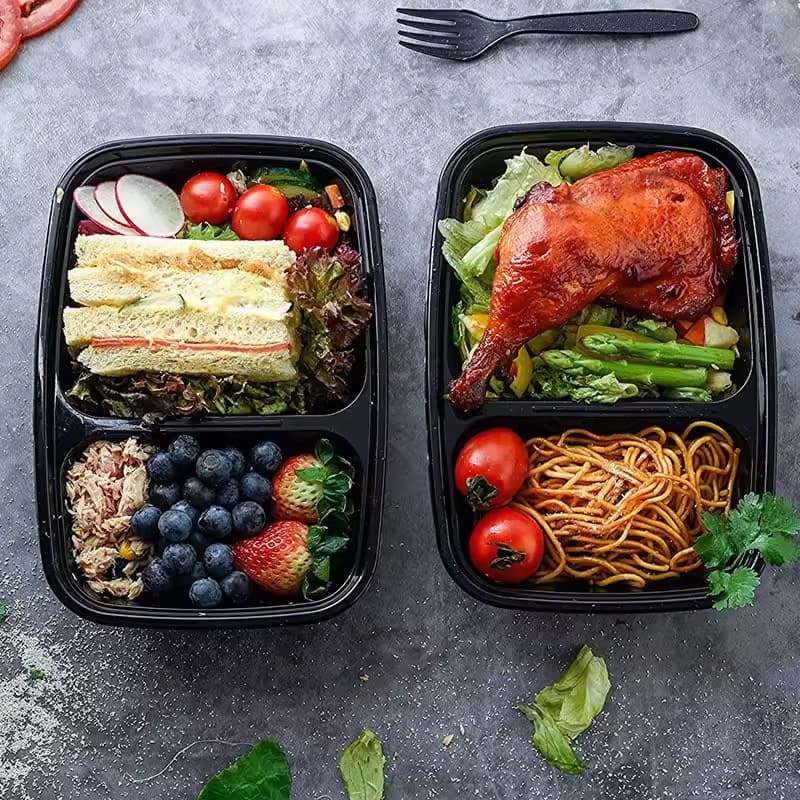
With the rise of busy lifestyles, consumers are increasingly opting for convenience foods that are easy to carry and consume. Packaging that is portable, easy to open, and designed for single-use or easy storage is in high demand.
Examples of Convenience Packaging:
-
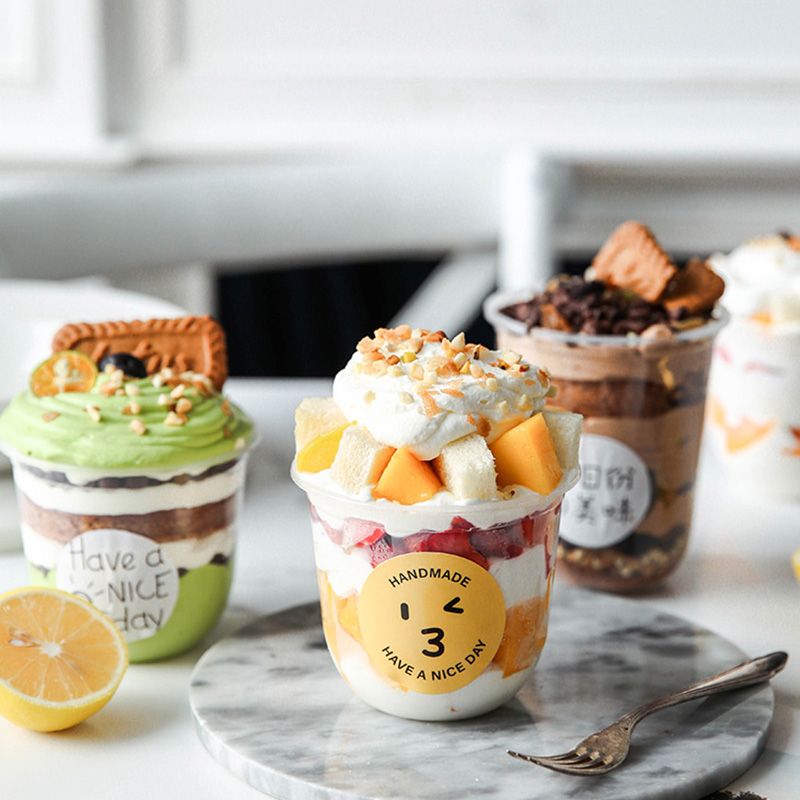
Single-serve cups and containers for beverages, yogurt, salads, and snacks.
-
Resealable bags and pouches for granola bars, chips, and other on-the-go snacks.
Portion Control & Meal Kits
Meal kits have become a popular option for busy consumers, especially during the COVID-19 pandemic. Companies are offering pre-packaged, portioned meals that are ready to heat and eat. These meal kits often feature environmentally friendly packaging to appeal to eco-conscious consumers.
5. Packaging for E-Commerce
Impact of Online Shopping
With the increasing popularity of online grocery shopping, packaging has had to adapt to protect products during transit. E-commerce packaging must be both protective and sustainable, as consumers expect safe, intact deliveries without excessive waste.
Key Trends:
-
Use of recyclable and minimalistic packaging for shipping food items.
-
Reducing excess packaging to minimize environmental impact.
-
More brands are incorporating compostable or recyclable mailers and tapes.
Case Study: Amazon’s Packaging Sustainability Efforts
Amazon has implemented several initiatives to reduce packaging waste, including the development of Frustration-Free Packaging, which uses minimal materials and is easy to recycle. They have also pledged to make all packaging recyclable by 2025.
6. Consumer Preferences and Market Demand
Eco-Conscious Consumers
As sustainability becomes a priority for consumers, packaging plays a significant role in their purchasing decisions. Brands that prioritize sustainable packaging can benefit from enhanced brand loyalty and consumer trust.
Data:
A 2020 survey by McKinsey found that 60% of consumers are willing to pay more for products with sustainable packaging.
Price vs Sustainability
While the demand for sustainable packaging is increasing, businesses must strike a balance between cost and sustainability. Eco-friendly packaging solutions often come at a higher cost, and businesses must find ways to offset these costs without alienating price-sensitive consumers.
7. Challenges and Barriers to Sustainable Packaging
Cost Concerns
Sustainable materials are often more expensive than traditional packaging options. The cost of raw materials, manufacturing, and transportation can increase, creating challenges for businesses that operate on tight margins.
Material Availability and Infrastructure
The widespread adoption of sustainable packaging is hindered by the lack of infrastructure in many regions for recycling or composting. Companies and consumers alike face challenges in ensuring that packaging is properly disposed of or reused.
Consumer Confusion
With so many types of eco-friendly packaging materials on the market, there is often confusion about which options are truly sustainable. Companies need to clearly communicate the benefits and recyclability of their packaging to avoid misleading consumers.
8. Data Tables Integrated into the Content
Table 1: Comparison of Common Packaging Materials
The following table compares the key benefits and challenges of some common packaging materials:
| Material | Benefits | Challenges |
|---|---|---|
| PLA | Biodegradable, compostable | High cost, limited infrastructure |
| RPET | Recycled, reduces waste | Limited availability of high-quality recycled PET |
| PET | Lightweight, cost-effective | Non-biodegradable, uses virgin plastic |
| Paper | Biodegradable, recyclable | Limited strength for wet or oily foods |
| Biodegradable Plastics | Breaks down in nature | Higher production cost, composting limitations |
This table provides a quick overview of the key factors to consider when selecting materials for sustainable food packaging.
Table 2: Growth of the Sustainable Packaging Market from 2020 to 2025
The table below shows the projected growth of the sustainable packaging market:
| Year | Market Value (USD Billion) | Growth Rate (%) |
|---|---|---|
| 2020 | 10.5 | – |
| 2021 | 12.0 | 14.2% |
| 2022 | 14.3 | 19.2% |
| 2023 | 16.7 | 16.8% |
| 2024 | 19.0 | 13.8% |
| 2025 | 21.5 | 13.2% |
This table illustrates the rapid growth of the sustainable packaging market, indicating the rising demand and business opportunities.
Conclusion
The food packaging industry is undergoing a major transformation, driven by consumer demand for sustainability, technological advancements, and increasing regulatory pressure. Eco-friendly materials, intelligent packaging, and innovative design are reshaping the market, offering new opportunities for businesses to align with consumer values while also driving growth. As sustainability becomes a key focus, food packaging companies must adapt to meet the evolving needs of consumers and the environment.
FAQs
-
What is sustainable packaging, and why is it important for the food industry?
Sustainable packaging refers to packaging solutions that have minimal environmental impact throughout their lifecycle, from production to disposal. In the food industry, it is important because it helps reduce waste, conserve resources, and meet consumer demand for eco-friendly products. -
How can businesses transition to more sustainable packaging without increasing costs significantly?
Businesses can transition by choosing cost-effective sustainable materials like RPET or using smart packaging technologies that improve efficiency. Additionally, optimizing packaging design to reduce material use can help offset the cost of more sustainable options. -
What are the challenges of using PLA as a food packaging material?
The primary challenges include higher production costs and limited industrial composting infrastructure, as PLA requires specific conditions to break down effectively. -
How does RPET contribute to reducing plastic waste in food packaging?
RPET is made from recycled plastic bottles, thus reducing the need for virgin plastic production and helping to divert waste from landfills. It also encourages a circular economy. -
What are the benefits of smart packaging, and how is it changing the consumer experience?
Smart packaging provides real-time information about product freshness and can offer enhanced traceability and convenience. It also creates opportunities for consumer engagement via QR codes and NFC. -
How are meal kits and portion control packaging becoming popular?
Meal kits and portion-controlled packaging cater to busy lifestyles by providing convenient, pre-packaged meals. These offerings are also growing in popularity due to their eco-friendly packaging and the ability to reduce food waste.
References
Copyright Statement
© 2026 Dashan Packing. All rights reserved.
This article is an original work created by the Dashan Packing editorial team.
All text, data, and images are the result of our independent research, industry experience,
and product development insights. Reproduction or redistribution of any part of this content
without written permission is strictly prohibited.
Dashan Packing is committed to providing accurate, evidence-based information and
to upholding transparency, originality, and compliance with global intellectual property standards.