

Quick Summary
PET (Polyethylene Terephthalate) has become the material of choice for fruit and vegetable packaging due to its transparency, durability, and excellent moisture and gas barrier properties. Unlike other materials like PP (Polypropylene) and CPET (Crystalline Polyethylene Terephthalate), PET offers superior visibility, preserves freshness, and extends shelf life by allowing proper ventilation through holes in the packaging. These holes help control moisture and gases, preventing spoilage and mold growth. PET is also cost-effective, recyclable, and environmentally friendly, contributing to sustainability in the packaging industry. As consumer demand for eco-friendly and transparent packaging grows, PET continues to lead in fresh produce packaging, offering significant advantages over PP and CPET.
This article also explores why the inclusion of ventilation holes is crucial in maintaining the quality of fresh produce and how innovations in PET packaging are improving its effectiveness in the food industry.
Introduction
Fruit and vegetable packaging is crucial in preserving the quality, safety, and freshness of fresh produce. From the farm to the consumer, proper packaging ensures that fruits and vegetables remain in optimal condition, reducing waste and improving consumer satisfaction. Polyethylene Terephthalate (PET) has emerged as the preferred material for fruit and vegetable packaging due to its superior properties. This article explores why PET is the ideal choice for fruit and vegetable packaging, why the inclusion of holes in PET containers is essential, and why materials such as Polypropylene (PP) and Crystalline Polyethylene Terephthalate (CPET) are less suitable. We will also examine the growing market demand for PET packaging and its role in sustainability.
Why PET is the Best Choice for Fruit and Vegetable Containers
PET is increasingly used for packaging fresh produce, and it offers several key benefits that other materials like PP and CPET do not. These advantages make PET the preferred choice for fruit and vegetable packaging.
1. Transparency and Clarity
One of the most important qualities of PET is its exceptional transparency. This allows consumers to visually inspect the quality of the fruits or vegetables inside the packaging before making a purchase. Fresh produce is highly perishable, and its visual appeal is a significant factor in consumer purchasing decisions. PET’s clarity provides the transparency needed for consumers to trust the product’s freshness, making it far superior to PP, which tends to be opaque.
2. Durability and Strength
PET is known for its impressive strength-to-weight ratio. The material is lightweight yet durable, providing excellent protection for delicate fruits and vegetables. Unlike other packaging materials, PET can withstand the pressure of stacking and handling, minimizing the risk of crushes and damages during transport. This makes PET an ideal material for packaging produce, as it reduces food waste and ensures the safe delivery of fresh products to consumers.
3. Moisture and Gas Barrier Properties
Fruits and vegetables continue to respire after harvest, releasing gases like carbon dioxide and moisture. If these gases are trapped inside the packaging, they can cause the produce to spoil prematurely. PET’s excellent moisture and gas barrier properties help control the internal environment of the packaging, allowing moisture and gases to escape. This helps to preserve the freshness of the produce and extends its shelf life, making PET a highly effective material for fruit and vegetable packaging.
4. Sustainability and Recyclability
With growing concerns about plastic pollution, sustainability is a critical issue for consumers and businesses alike. PET is highly recyclable, making it an eco-friendly packaging solution. Recycled PET (RPET) is increasingly being used in packaging production, reducing the demand for virgin plastic and lowering overall environmental impact. PET’s recyclability and lower carbon footprint make it a more sustainable choice than materials that are harder to recycle, such as PP and CPET.
5. Cost-Effectiveness
In addition to its functional and environmental benefits, PET is also a cost-effective material for packaging fresh produce. It is relatively inexpensive to produce compared to other materials like CPET, which are designed for more specialized applications such as heat resistance. PET’s affordability, combined with its other benefits, makes it an economically viable option for packaging large quantities of fresh fruits and vegetables.
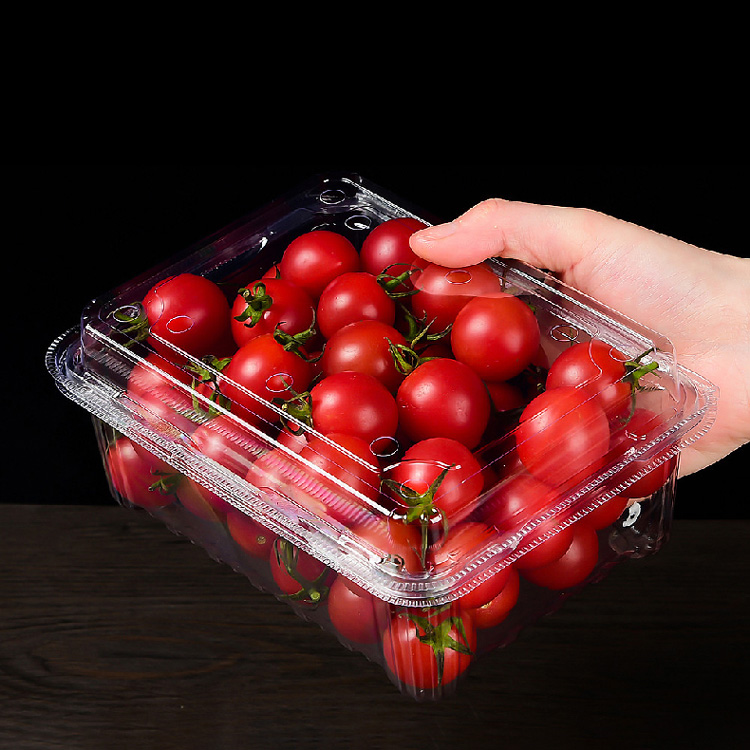
The Importance of Holes in PET Fruit and Vegetable Containers
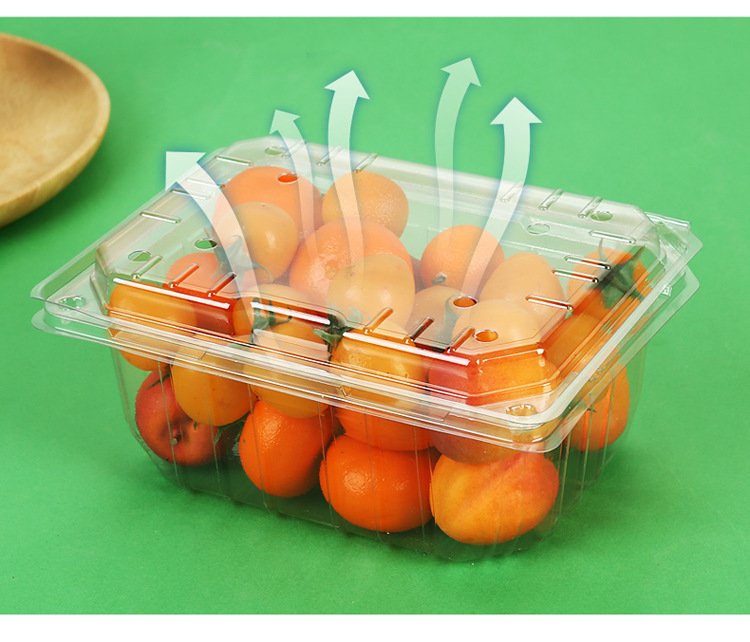
Many PET containers used for fruits and vegetables feature holes or ventilation openings. These holes are not merely decorative—they play a critical role in maintaining the freshness of the produce. Let’s explore why these holes are essential.
1. Breathability and Ventilation
After fruits and vegetables are harvested, they continue to respire, releasing moisture and gases. Without proper ventilation, this gas buildup can cause spoilage. The holes in PET containers provide essential airflow, allowing gases like carbon dioxide to escape. This ventilation helps to prevent the buildup of excess moisture, which can lead to mold growth and spoilage, extending the shelf life of the produce.
2. Moisture Control
Excess moisture inside the container is a significant factor in produce spoilage. It can promote mold growth and cause wilting, which negatively affects the quality of fruits and vegetables. By allowing moisture to evaporate, the holes in PET containers help prevent condensation from accumulating inside the packaging. This moisture control is especially beneficial for produce like leafy greens and berries, which are particularly sensitive to excess moisture.
3. Temperature Regulation
Temperature fluctuations during transportation and storage can cause fresh produce to spoil more quickly. PET containers with holes allow for better temperature regulation by permitting air circulation. This helps to maintain a more consistent temperature inside the container, reducing the risk of premature ripening or spoilage. This is particularly important for produce that is sensitive to temperature changes.
Why Not Use PP or CPET for Fruit and Vegetable Packaging?
While PP and CPET are widely used in other food packaging applications, they are not as effective as PET for fruit and vegetable packaging. Below are the key reasons why PP and CPET are less suitable for this purpose.
Polypropylene (PP) for Fruit and Vegetable Packaging
-
Lower Transparency: Unlike PET, PP is typically opaque or milky, which reduces the visual appeal of fresh produce. Consumers prefer clear packaging that allows them to assess the quality of the fruits and vegetables they are purchasing, and PP does not offer this level of transparency.
-
Weaker Barrier Properties: PP does not offer the same level of moisture and gas barrier protection that PET does. This makes it less effective at maintaining the freshness of fruits and vegetables over time. PET’s superior barrier properties help prevent spoilage by limiting moisture buildup and controlling the internal atmosphere.
-
Lower Durability: While PP is durable, it is more prone to cracking and breaking compared to PET, particularly when exposed to pressure. This can result in packaging failure and potential product loss during transportation and handling.
Crystalline PET (CPET) for Fruit and Vegetable Packaging
-
Higher Production Costs: CPET is primarily used for microwave-safe food packaging, but its heat-resistant properties are unnecessary for fruit and vegetable packaging. CPET is more expensive to produce than PET, and its additional cost is not justified for this application.
-
Limited Transparency: CPET is less transparent than PET, which reduces its appeal for fresh produce packaging. Consumers prefer packaging that allows them to see the contents clearly, and CPET does not offer the same level of visibility that PET does.
-
Less Suitable for Fresh Produce: CPET’s higher crystallinity makes it more rigid and brittle, which is not ideal for the delicate nature of fruits and vegetables. PET, on the other hand, provides the necessary balance of flexibility, strength, and transparency for fresh produce packaging.

Market Trends and Consumer Demand for PET Packaging
As sustainability becomes a greater focus in the packaging industry, consumers are increasingly demanding eco-friendly and transparent packaging solutions. PET has become the material of choice due to its recyclability, transparency, and cost-effectiveness.
1. Growing Demand for Sustainable Packaging
Consumers are becoming more aware of the environmental impact of plastic packaging, leading to a growing preference for sustainable materials. PET’s recyclability and ability to be repurposed into new products make it a more sustainable option compared to other plastics like PP and CPET. The use of recycled PET (RPET) in packaging is increasing, further reducing the environmental footprint of packaging materials.
2. Transparency as a Consumer Preference
Consumer demand for transparency in packaging is rising. Shoppers want to see the quality of the produce they are buying, and clear packaging makes it easier for them to assess freshness. PET’s high transparency allows consumers to make informed purchasing decisions, contributing to its popularity in the fresh produce sector.
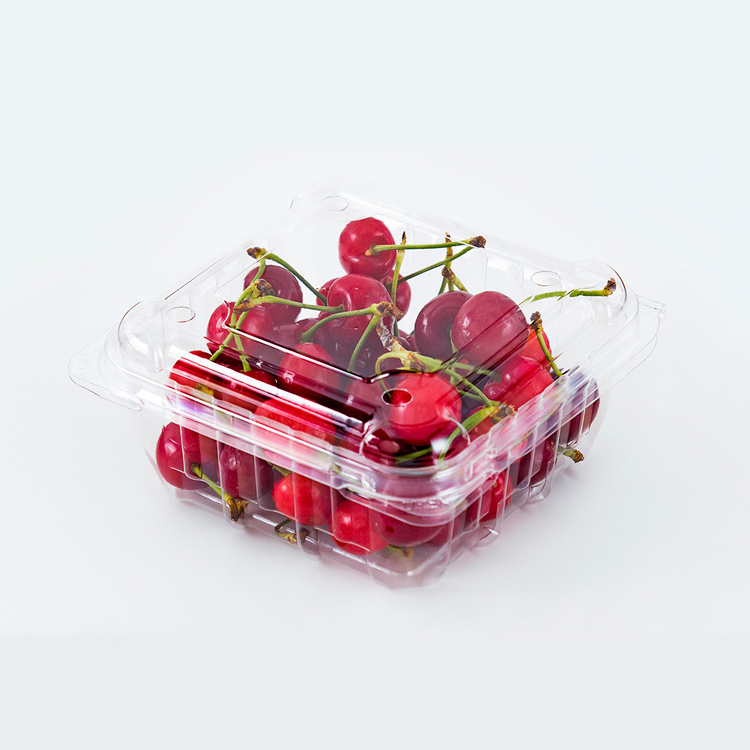
Sustainability of PET in Fruit and Vegetable Packaging
PET packaging is one of the most sustainable options available in the food packaging industry. PET’s high recyclability allows it to be reused multiple times, reducing the demand for virgin plastic and helping to conserve natural resources. By adopting recycled PET, companies can further reduce their carbon footprint and contribute to a circular economy.
-
Recycling Rate of PET: According to the National Association for PET Container Resources (NAPCOR), PET recycling rates in the U.S. reached 29% in 2020.
-
Lower Carbon Footprint: Using RPET helps to reduce energy consumption and greenhouse gas emissions associated with the production of new PET, making it a more environmentally friendly choice.
Technological Innovations in PET Packaging for Fresh Produce
Recent innovations in PET packaging have enhanced its effectiveness in preserving the quality of fresh produce. These innovations include:
1. Active Packaging
Active packaging systems are designed to actively control the internal environment of the package. Some PET containers now include oxygen absorbers or moisture-regulating agents to further extend the shelf life of fruits and vegetables.
2. Modified Atmosphere Packaging (MAP)
MAP involves modifying the composition of gases inside the packaging to slow down the respiration rate of fruits and vegetables. This helps maintain the freshness of produce for longer periods by reducing the effects of aging and spoilage.
Conclusion
PET has proven to be the ideal material for fruit and vegetable packaging due to its transparency, durability, and ability to preserve freshness. The addition of ventilation holes enhances its functionality by allowing moisture and gases to escape, thus preventing spoilage. PET’s recyclability and sustainability also make it the material of choice for eco-conscious consumers. Compared to PP and CPET, PET offers superior performance, cost-effectiveness, and environmental benefits, making it the clear leader in the packaging of fresh produce.
FAQs
-
Why is PET packaging preferred for fruits and vegetables?
Answer: PET is preferred due to its transparency, which allows consumers to inspect the freshness of produce, and its excellent barrier properties, which help preserve freshness. PET is also recyclable, eco-friendly, and cost-effective. -
How does the hole design in PET containers help preserve produce?
Answer: The holes provide ventilation, allowing gases like carbon dioxide to escape and preventing excess moisture buildup. This helps maintain the freshness and shelf life of the produce. -
Can PP be used for fruit and vegetable packaging?
Answer: While PP can be used, it lacks the transparency and barrier properties of PET, making it less effective at preserving the quality of fruits and vegetables. -
What is the environmental impact of PET packaging?
Answer: PET is highly recyclable, reducing waste and conserving resources. RPET further reduces environmental impact by repurposing existing plastic material. -
Is PET recyclable?
Answer: Yes, PET is widely recyclable and can be repurposed into new packaging or other products, reducing plastic waste and conserving energy. -
How does PET compare to CPET for packaging fresh produce?
Answer: PET is more transparent, cost-effective, and suitable for fresh produce packaging. CPET is more expensive and offers heat resistance that is unnecessary for fruits and vegetables. -
What are the latest innovations in PET packaging for fresh produce?
Answer: Innovations include active packaging systems that regulate moisture and gas levels, as well as modified atmosphere packaging (MAP) that slows the ripening process of fresh produce.
References
-
NAPCOR – National Association for PET Container Resources: https://www.napcor.com
-
PlasticsEurope: https://www.plasticseurope.org
-
Food Packaging Forum: https://www.foodpackagingforum.org
-
Recycling PET: https://www.recycle-pet.org
Copyright Statement
© 2026 Dashan Packing. All rights reserved.
This article is an original work created by the Dashan Packing editorial team.
All text, data, and images are the result of our independent research, industry experience,
and product development insights. Reproduction or redistribution of any part of this content
without written permission is strictly prohibited.
Dashan Packing is committed to providing accurate, evidence-based information and
to upholding transparency, originality, and compliance with global intellectual property standards.