

Quick Summary
RPET (Recycled Polyethylene Terephthalate) is a sustainable alternative to PET (Virgin Polyethylene Terephthalate) that plays a key role in reducing plastic waste and promoting a circular economy. By recycling PET into new products, RPET minimizes the need for virgin plastic, conserves natural resources, and lowers carbon emissions. It also reduces energy consumption and water usage compared to virgin PET production.
RPET is just as durable, versatile, and cost-effective as PET, making it ideal for a wide range of packaging applications, from beverage bottles to food containers. Major companies, such as Coca-Cola and IKEA, have adopted RPET in their products to meet sustainability goals. Despite its benefits, challenges such as quality control, availability of raw material, and insufficient recycling infrastructure need to be addressed for broader adoption.
The growing consumer demand for sustainable packaging and advancements in recycling technology promise a bright future for RPET, further advancing the shift towards eco-friendly packaging solutions.
Introduction
As global concerns over plastic waste and environmental pollution continue to grow, industries across the world are seeking more sustainable alternatives. One of the most effective and widely adopted solutions is RPET (Recycled Polyethylene Terephthalate), a material that is revolutionizing the packaging industry by reducing the reliance on virgin plastic. This article explores the advantages of RPET over PET (Virgin Polyethylene Terephthalate) in packaging, focusing on its role in sustainable practices, reducing plastic waste, and promoting the circular economy.
In particular, we will delve into the environmental benefits of RPET, its role in reducing carbon footprints, and how it fits into modern recycling systems. The article will also include data, practical applications, real-world case studies, and insights into the challenges that come with its widespread adoption. Additionally, we’ll address some of the common questions about RPET with in-depth answers.
1. What is RPET?
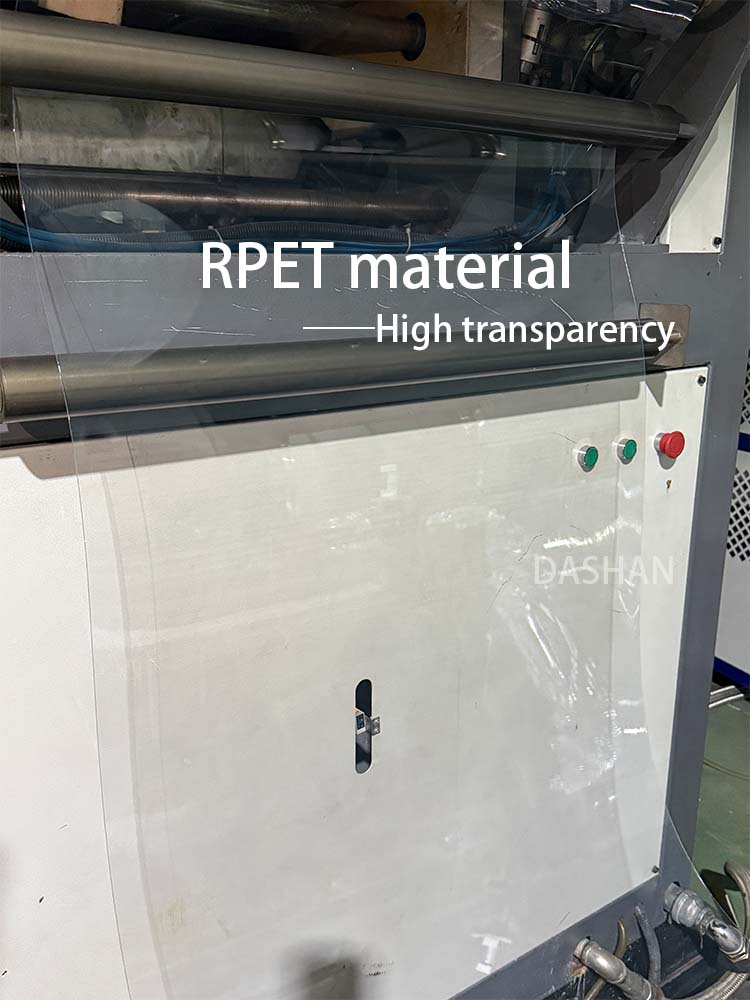
RPET (Recycled Polyethylene Terephthalate) refers to plastic materials made by recycling used PET products. PET is commonly used in various packaging applications, such as bottles, food containers, and textiles. RPET is created by collecting used PET containers, cleaning, shredding, and converting them back into flakes or pellets, which can then be used to produce new products.
The recycling process of PET into RPET allows the material to be reused multiple times, providing a sustainable alternative to using fresh, virgin plastic, which has a more significant environmental impact.
2. The Role of RPET in Sustainable Packaging
Reducing Virgin Plastic
One of the most significant advantages of RPET is that it reduces the need for virgin plastic. By using recycled materials instead of newly produced plastic, RPET helps minimize the consumption of natural resources and fossil fuels required to manufacture virgin PET.
This reduction in demand for virgin plastic directly lowers the overall carbon footprint associated with plastic production, contributing to more sustainable practices across industries.
Contributing to a Circular Economy
RPET plays a crucial role in the circular economy by ensuring that plastic products don’t end up in landfills or oceans. Instead, they are collected, recycled, and converted into new products, reducing the need for extracting and processing raw materials. This recycling loop helps conserve resources, reduce waste, and minimize environmental impact.
By using RPET in packaging, industries contribute to a closed-loop system that reduces the pressure on natural resources, reduces waste, and encourages recycling.
Environmental Impact
The environmental benefits of using RPET over PET are undeniable. Using recycled PET requires far less energy and water than producing new plastic from virgin materials. In fact, recycling PET into RPET reduces energy consumption and water usage by up to 50% and 51%, respectively.
Data Table: Environmental Impact Comparison of RPET vs. PET
| Factor | RPET (Recycled) | PET (Virgin) | Difference |
|---|---|---|---|
| Carbon Footprint (kg CO2e) | 1.3 | 2.2 | -40% |
| Energy Consumption (MJ) | 4.0 | 7.8 | -49% |
| Water Usage (liters) | 2.5 | 5.1 | -51% |
| Raw Material Usage (%) | 100% recycled | 100% virgin | – |
3. RPET in Packaging: Benefits Beyond the Environment
Cost-Effectiveness
RPET(RPET Product Information) is generally less expensive than virgin PET because it utilizes recycled plastic, which is more readily available and requires fewer resources to produce. This reduction in cost helps businesses lower production expenses and, in many cases, pass on savings to consumers. Additionally, the cost of RPET is expected to decrease as recycling infrastructure improves and demand increases.
Quality and Durability
RPET maintains the same durability and strength as virgin PET, making it ideal for a wide range of packaging applications. While some people may assume that recycled plastics are weaker, RPET exhibits the same high-quality properties as PET, making it just as suitable for packaging food, beverages, and non-food items.
Versatility in Packaging Design
RPET can be used for a variety of packaging applications, including beverage bottles, food containers, trays, clamshells, and even textiles. Its ability to be molded into various shapes and sizes makes it a versatile material for different industries, especially foodservice, retail, and packaging.
4. RPET in Consumer Packaging: Real-World Applications
Beverage Industry
The beverage industry has embraced RPET as an alternative to virgin PET. Major beverage brands like Coca-Cola have made significant strides in using RPET for their packaging, thus reducing their plastic footprint. Coca-Cola, for instance, has committed to using at least 50% recycled plastic in its bottles by 2030.
Food Packaging
In the food industry, RPET is used for packaging a wide range of products, from ready-to-eat meals to fresh produce. The material is popular due to its transparency, strength, and ability to preserve the quality of food while being eco-friendly. By adopting RPET, food manufacturers can significantly reduce their environmental impact.
Fashion Industry
RPET is also used in the fashion industry to create sustainable textiles. Fashion brands are increasingly using RPET to create eco-friendly clothing, accessories, and even furniture, demonstrating the versatility of this material beyond packaging.

5. Case Studies: Leading Companies Using RPET
Coca-Cola
Coca-Cola has significantly increased its use of RPET in the production of beverage bottles. Their goal is to have 50% of their bottles made from recycled plastic by 2030, further demonstrating their commitment to sustainability. Coca-Cola’s use of RPET helps reduce their overall carbon emissions and dependence on virgin plastic.
IKEA
IKEA uses RPET in many of its packaging materials, such as cushion covers, and is working toward increasing the use of recycled plastics in its furniture products. By integrating RPET, IKEA aims to reduce plastic waste and support the circular economy.
Dashan
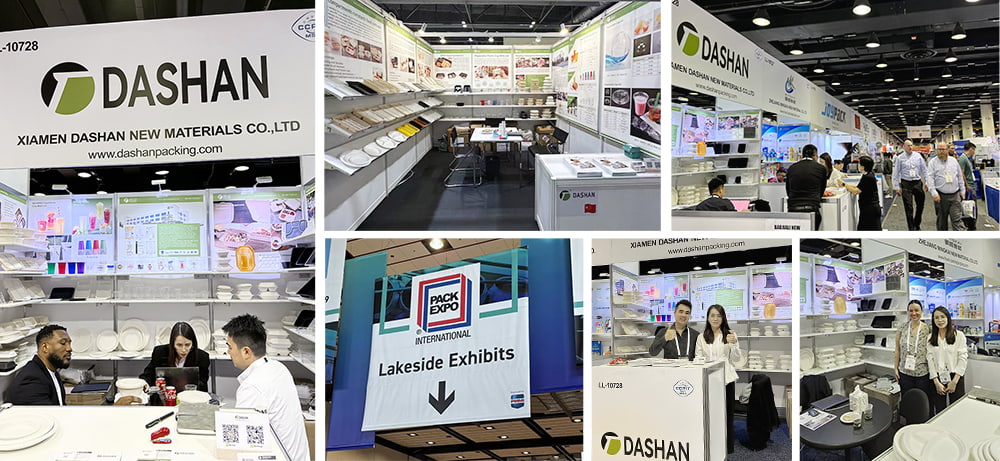
Xiamen Dashan, a leader in the food packaging industry, incorporates RPET into their product line. They offer eco-friendly food containers, trays, and other packaging products made from RPET, promoting sustainability in the foodservice sector.
6. Challenges and Limitations of RPET
Quality Control
While RPET is a great alternative to virgin PET, ensuring the quality of recycled materials is a challenge. Contamination in the recycling process can affect the quality of the final product. To address this, advanced sorting technologies and better recycling practices are needed to improve the purity of RPET.
Availability of Raw Material
The availability of RPET can sometimes be limited due to the need for sufficient post-consumer PET bottles and containers to be collected and recycled. In some regions, recycling infrastructure is not sufficient to provide a steady supply of RPET, which can create challenges for businesses seeking to meet sustainability goals.
Recycling Infrastructure
The lack of recycling facilities in certain regions may limit the widespread adoption of RPET. Improvements in collection systems, sorting technologies, and recycling processes are essential to increase the availability and quality of RPET.
7. The Future of RPET in Sustainable Packaging
Technological Innovations
Advancements in recycling technologies, such as chemical recycling, can improve the quality of RPET and make it easier to recycle plastics at scale. By enhancing recycling processes, the industry can increase the use of RPET and reduce reliance on virgin materials.
Policy Changes
Governments around the world are implementing stricter regulations on plastic waste, which could further boost the adoption of RPET. Incentives, such as tax breaks for companies that use recycled materials, and legislation mandating recycled content in packaging, will drive the demand for RPET.
Consumer Demand
As consumers become more environmentally conscious, the demand for sustainable packaging solutions like RPET will continue to grow. This demand will encourage companies to adopt RPET as a way to meet their sustainability goals and enhance their brand reputation.
8. Advantages of RPET over PET in the Circular Economy
RPET plays a key role in the circular economy by creating a continuous loop of recycling. Instead of sending plastic waste to landfills or incinerators, RPET ensures that plastic materials are reused and repurposed. This reduces plastic waste, conserves natural resources, and decreases the environmental burden of plastic production.

9. FAQs (Frequently Asked Questions)
-
What is the main difference between RPET and PET?
Answer: RPET is made from recycled PET, while PET is produced from virgin plastic. RPET offers a more sustainable option by reducing the need for new raw materials and minimizing plastic waste.
-
Can RPET be recycled again after use?
Answer: Yes, RPET can be recycled multiple times. However, like all materials, the quality of RPET decreases with each recycling cycle, which is why innovations in recycling technology are essential.
-
How much energy does it take to recycle PET into RPET?
Answer: Recycling PET into RPET requires significantly less energy than producing virgin PET. It can save up to 49% of the energy needed to create new plastic.
-
Is RPET as durable as PET?
Answer: Yes, RPET retains the same strength, durability, and transparency as virgin PET. It is just as suitable for packaging applications like bottles, trays, and containers.
-
Does RPET contribute to a circular economy?
Answer: Absolutely. RPET plays a critical role in the circular economy by ensuring that plastic waste is recycled and used again, reducing the need for new plastic production and helping minimize plastic waste.
-
How much less carbon does RPET generate compared to PET?
Answer: RPET generates 40% less carbon emissions than virgin PET, significantly reducing the carbon footprint of products made with recycled plastic.
-
What are the challenges in increasing the use of RPET?
Answer: Some challenges include contamination in the recycling process, the limited availability of high-quality recycled plastic, and insufficient recycling infrastructure in certain regions.
10. Conclusion
RPET is an essential material in the movement toward more sustainable packaging solutions. By offering a way to recycle PET plastic and reduce the need for virgin plastic, RPET contributes to a circular economy, lowers carbon emissions, and promotes sustainability. As industries, governments, and consumers continue to prioritize eco-friendly practices, the adoption of RPET will play a crucial role in reducing plastic waste and conserving natural resources.
11. References
-
Coca-Cola’s Sustainability Efforts: https://www.cokecce.com/sustainability
-
IKEA’s Packaging Strategy: https://www.ikea.com/us/en/this-is-ikea/sustainability
-
Environmental Impact of RPET: https://www.greenpeace.org/recycling
Copyright Statement
© 2026 Dashan Packing. All rights reserved.
This article is an original work created by the Dashan Packing editorial team.
All text, data, and images are the result of our independent research, industry experience,
and product development insights. Reproduction or redistribution of any part of this content
without written permission is strictly prohibited.
Dashan Packing is committed to providing accurate, evidence-based information and
to upholding transparency, originality, and compliance with global intellectual property standards.