

Quick Summary:
Small businesses are embracing sustainable takeout packaging to meet consumer demand, reduce environmental impact, and strengthen brand loyalty. Corn starch boxes from Xiamen Dashan offer a biodegradable, customizable, and practical solution suitable for hot and cold meals, helping businesses align with sustainability goals while maintaining operational efficiency.
The global shift toward sustainability has impacted multiple industries, and the foodservice sector is no exception. Small businesses, particularly restaurants and cafes, are increasingly adopting eco-friendly takeout packaging to meet growing consumer demands and environmental regulations. This trend not only enhances brand reputation but also aligns with global sustainability initiatives.
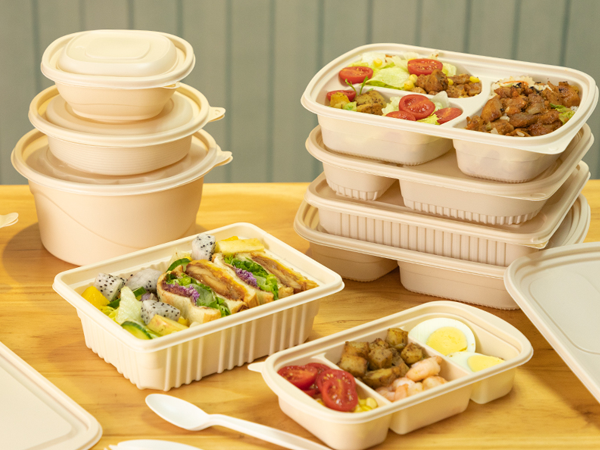
Xiamen Dashan, a trusted manufacturer of high-quality food packaging, offers a range of innovative corn starch takeaway boxes designed for environmentally conscious businesses. These products provide an effective, biodegradable alternative to conventional plastic containers while maintaining the durability and functionality required for modern foodservice operations.
Understanding the Sustainable Takeout Packaging Trend
What is Sustainable Takeout Packaging?
Sustainable takeout packaging refers to containers and materials designed to minimize environmental impact. This includes biodegradable, compostable, and recyclable materials that replace traditional plastics and foams, which are major contributors to environmental pollution.
In recent years, corn starch-based packaging has emerged as a popular solution. Made from renewable resources, corn starch containers are biodegradable, heat-resistant, and food-safe, offering an ideal balance between practicality and environmental responsibility.
Market Drivers
Several factors are driving the adoption of sustainable takeout packaging among small businesses:
-
Consumer Demand: A 2025 survey by the International Food Packaging Association (IFPA) found that 68% of consumers prefer eco-friendly packaging when ordering takeout.
-
Regulatory Pressure: Governments worldwide are implementing bans on single-use plastics. For example, the European Union’s Single-Use Plastics Directive (2021) mandates significant reductions in conventional plastic containers.
-
Brand Reputation: Eco-conscious consumers are more likely to support brands committed to sustainability. Small businesses can leverage green packaging as a differentiator in competitive markets.
Types of Sustainable Takeout Packaging
| Material Type | Description | Advantages | Limitations |
|---|---|---|---|
| Corn Starch | Made from natural corn starch, biodegradable | Compostable, food-safe, durable | Limited heat resistance for extremely hot foods |
| PLA (Polylactic Acid) | Derived from corn or sugarcane, transparent | Compostable, clear for product display | Requires industrial composting, sensitive to high heat |
| Bagasse | Made from sugarcane pulp | Strong, moisture-resistant, compostable | Heavier than plastic, opaque |
| RPET | Recycled PET plastic | Reusable, recyclable | Not biodegradable |
| PP (Polypropylene) | Durable, heat-resistant | Ideal for hot foods, microwave safe | Non-biodegradable |
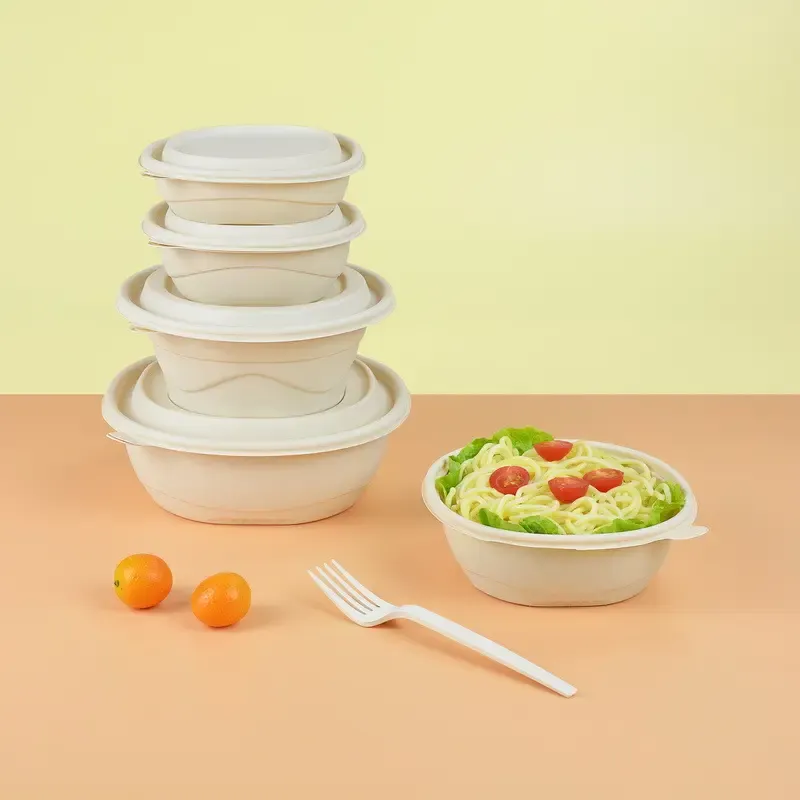
Among these, corn starch takeaway boxes provide an excellent combination of biodegradability, strength, and versatility, making them particularly suitable for small businesses.
Why Small Businesses Are Leading the Charge
Small businesses, such as independent restaurants, cafes, and food trucks, have certain advantages that allow them to adopt sustainable packaging more swiftly:
-
Agility: Unlike large chains, small businesses can quickly change suppliers and materials without extensive bureaucratic processes.
-
Community Engagement: Local customers often appreciate eco-friendly initiatives, boosting loyalty.
-
Cost-Effectiveness: While sustainable packaging may initially cost more, reduced waste management fees and marketing benefits offset the cost.
Case Study: Corn Starch Takeaway Boxes in Action
Xiamen Dashan has collaborated with several small businesses to implement corn starch-based takeaway packaging. Below is an illustrative table showing typical adoption metrics:
| Business Type | Monthly Takeout Orders | Previous Plastic Cost ($) | Dashan Corn Starch Box Cost ($) | Monthly Waste Reduction (kg) |
|---|---|---|---|---|
| Independent Cafe | 1,200 | 350 | 420 | 50 |
| Sushi Restaurant | 2,500 | 720 | 810 | 95 |
| Food Truck | 800 | 180 | 200 | 30 |
| Vegan Deli | 1,500 | 400 | 460 | 60 |
Observations: Small businesses adopting Dashan corn starch boxes saw significant waste reduction, improved consumer perception, and maintained operational efficiency.
Environmental Impact of Corn Starch Packaging
Biodegradability and Compostability
Corn starch boxes are biodegradable within 90–180 days under standard composting conditions. Unlike conventional plastics that may persist for hundreds of years, these containers naturally decompose, returning nutrients to the soil.
Carbon Footprint Reduction
Life cycle assessments show that corn starch-based packaging reduces carbon emissions by approximately 40% compared to traditional PET or PS containers. Small businesses can highlight this reduction as part of their sustainability messaging.
Performance Metrics
| Property | Corn Starch Boxes | Conventional Plastic | Notes |
|---|---|---|---|
| Heat Resistance | Up to 120°C | Up to 150°C | Suitable for most hot meals |
| Leak Resistance | Moderate | High | Corn starch boxes may require tight-fitting lids |
| Shelf Life | 12–24 months | 24 months | Corn starch is stable if stored dry |
| Compostability | 90–180 days | N/A | Significant environmental advantage |
Economic Benefits for Small Businesses
Cost Management
While corn starch packaging can be 10–20% more expensive per unit than conventional plastics, small businesses often recoup costs via:
-
Marketing Advantages: Eco-conscious branding attracts higher-paying customers.
-
Reduced Waste Disposal Fees: Compostable packaging often lowers landfill contributions and associated costs.
-
Regulatory Compliance: Avoiding fines from plastic bans saves money in the long term.
Marketing and Brand Loyalty
A strong sustainability message can increase customer retention by up to 25%, according to a 2024 Nielsen report on sustainable food services. Social media campaigns showcasing eco-friendly packaging also help small businesses differentiate themselves in crowded markets.
Practical Implementation Tips
Small businesses looking to adopt corn starch takeaway boxes can follow these steps:
-
Assess Volume Needs: Determine daily or weekly packaging requirements to optimize order quantities and minimize costs.
-
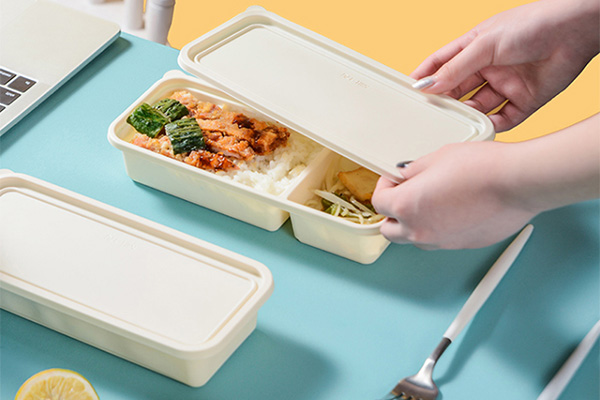
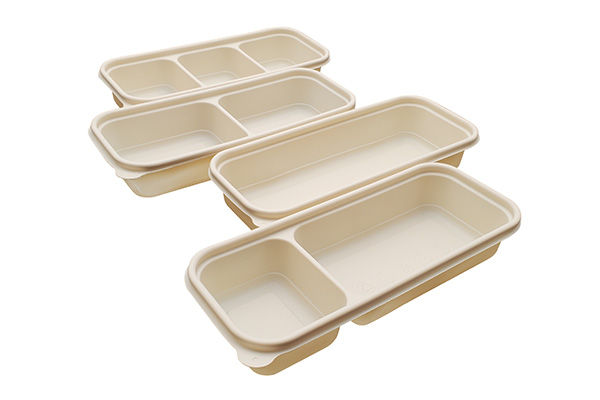
Evaluate Packaging Sizes: Corn starch boxes come in various capacities—from 400ml for single meals to 1,200ml for combo meals.
-
Educate Staff: Proper handling ensures the durability and leak resistance of boxes.
-
Communicate to Customers: Highlight sustainability efforts on packaging or digital platforms to enhance brand image.
Integration with Other Sustainable Practices
Sustainable takeout packaging works best when combined with other eco-friendly measures:
-
Compostable Cutlery and Napkins: Completing the sustainable packaging experience.
-
Food Waste Reduction Programs: Donating leftovers or using smart portioning.
-
Eco-Friendly Delivery Options: Encouraging bike or electric vehicle deliveries.
FAQs About Sustainable Takeout Packaging
Q1: Are corn starch takeaway boxes microwave safe?
A1: Yes, Dashan corn starch boxes can withstand temperatures up to 120°C, making them suitable for most reheatable meals.
Q2: How long does it take for corn starch boxes to decompose?
A2: Under standard composting conditions, they biodegrade within 90–180 days.
Q3: Can corn starch packaging hold liquids without leaking?
A3: Yes, for most soups and sauces, especially when paired with properly fitting lids.
Q4: Is corn starch packaging more expensive than plastic?
A4: Typically, corn starch boxes cost 10–20% more, but cost savings can arise from marketing benefits and reduced disposal fees.
Q5: Can these boxes be customized?
A5: Absolutely. Businesses can add logos, branding, or specific designs while keeping the material fully compostable.
Q6: Are corn starch boxes safe for all types of food?
A6: Yes, they are FDA-approved for food contact and suitable for cold, warm, and moderately hot foods.
Q7: Where can small businesses source corn starch takeaway boxes?
A7: Xiamen Dashan offers a wide range of corn starch packaging solutions, with customizable sizes and quantities for small business needs.
Conclusion
The sustainable takeout packaging trend is not just a passing fad—it represents a strategic opportunity for small businesses. By adopting corn starch takeaway boxes from Xiamen Dashan, businesses can:
-
Reduce environmental impact
-
Improve customer loyalty
-
Comply with regulations
-
Enhance brand differentiation
As consumer demand for eco-conscious dining continues to rise, small businesses leveraging sustainable packaging will position themselves for long-term success in a competitive market.
References
-
International Food Packaging Association (IFPA). Consumer Preferences for Eco-Friendly Packaging. 2025. https://www.ifpa.org/sustainable-packaging
-
European Commission. Single-Use Plastics Directive. 2021. https://ec.europa.eu/environment/topics/plastics/single-use-plastics_en
-
Xiamen Dashan. Corn Starch Takeaway Boxes. https://www.dashanpacking.com
-
Life Cycle Assessment Data. Environmental Impact of Biodegradable Packaging. 2023. https://www.lca-data.org/biodegradable
Copyright Statement
© 2026 Dashan Packing. All rights reserved.
This article is an original work created by the Dashan Packing editorial team.
All text, data, and images are the result of our independent research, industry experience,
and product development insights. Reproduction or redistribution of any part of this content
without written permission is strictly prohibited.
Dashan Packing is committed to providing accurate, evidence-based information and
to upholding transparency, originality, and compliance with global intellectual property standards.