

Quick Summary
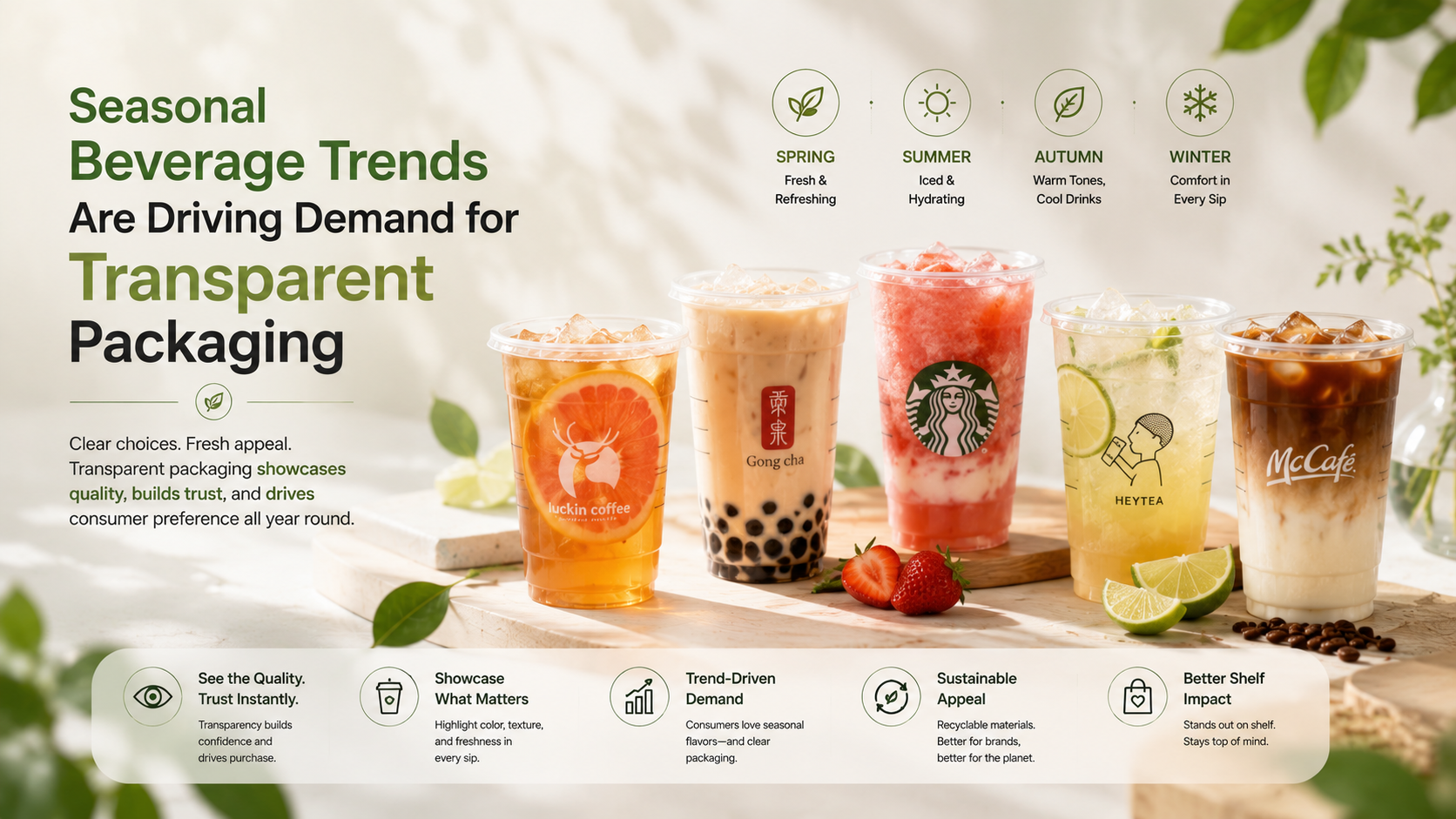
Seasonal beverage trends are increasing global demand for transparent packaging as consumers increasingly value visual presentation, freshness visibility, and social media appeal. From fruit teas and layered matcha drinks to limited-edition coffees and bubble tea, transparent PET and rPET cups help beverage brands enhance product visibility, strengthen branding, and improve customer engagement while supporting takeaway convenience and sustainability goals.
Seasonal beverages have become one of the most powerful growth drivers in the modern foodservice industry. From limited-edition fruit teas and holiday coffees to colorful dessert drinks and premium convenience-store beverages, seasonal drink launches now play a major role in attracting customers, increasing social media engagement, and encouraging repeat purchases.
In many markets, consumers no longer purchase beverages based only on flavor. Visual presentation has become equally important. Before tasting a drink, customers often evaluate:
- color layering,
- ingredient visibility,
- toppings,
- packaging design,
- and overall presentation.
As a result, packaging has become an essential part of the beverage experience itself.
This shift is especially visible in cafes, bubble tea chains, convenience stores, and takeaway beverage businesses, where transparent packaging allows consumers to immediately see freshness, texture, and product quality.
The growing popularity of seasonal beverages is therefore directly increasing demand for transparent packaging solutions such as PET and rPET cold cups, dome lids, and visually optimized takeaway containers.
Visual Presentation Has Become Central to Beverage Marketing
Modern beverage trends are heavily driven by visual appeal.
Consumers are increasingly attracted to drinks that look:
- colorful,
- layered,
- fresh,
- and visually distinctive.
This is one reason seasonal beverages have become so successful. Limited-time drinks often feature unique colors, toppings, fruit inclusions, whipped cream layers, or decorative ingredients designed to stand out both in stores and online.
Transparent packaging plays a critical role in this process because it allows the beverage itself to become the visual centerpiece.
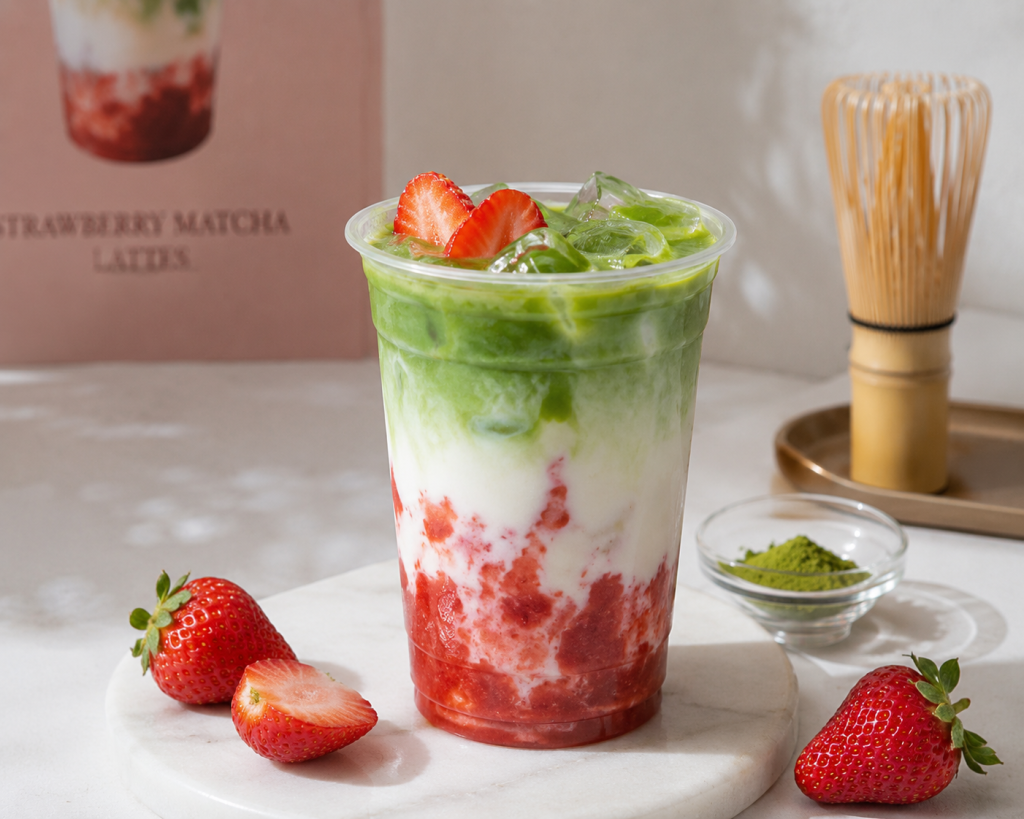
For example, strawberry matcha lattes became highly popular across cafes in Japan and South Korea partly because the layered contrast between green matcha and pink strawberry puree created strong visual impact inside clear cups.
Similarly, tropical fruit teas sold by many Asian beverage chains use transparent PET cups to showcase:
- fresh citrus slices,
- fruit pulp,
- colorful tea gradients,
- and ice textures.
Without transparent packaging, much of this visual value would be lost.
| Beverage Trend | Why Transparent Packaging Matters |
|---|---|
| Fruit teas | Shows real fruit ingredients |
| Layered coffee | Highlights color contrast |
| Seasonal dessert drinks | Enhances visual appeal |
| Bubble tea | Displays toppings and texture |
This visibility also supports premium pricing strategies. Consumers are often willing to pay more for beverages that appear handcrafted, fresh, or visually sophisticated.
Social Media Culture Has Accelerated Demand for Transparent Cups
The rise of Instagram, TikTok, Xiaohongshu, and short-form video platforms has significantly changed beverage marketing strategies worldwide.
Today, many beverage brands design products specifically to encourage online sharing.
Drinks are no longer consumed only for refreshment — they are also photographed, filmed, reviewed, and posted online.
Transparent packaging is highly important in this environment because it improves product visibility in photos and videos.
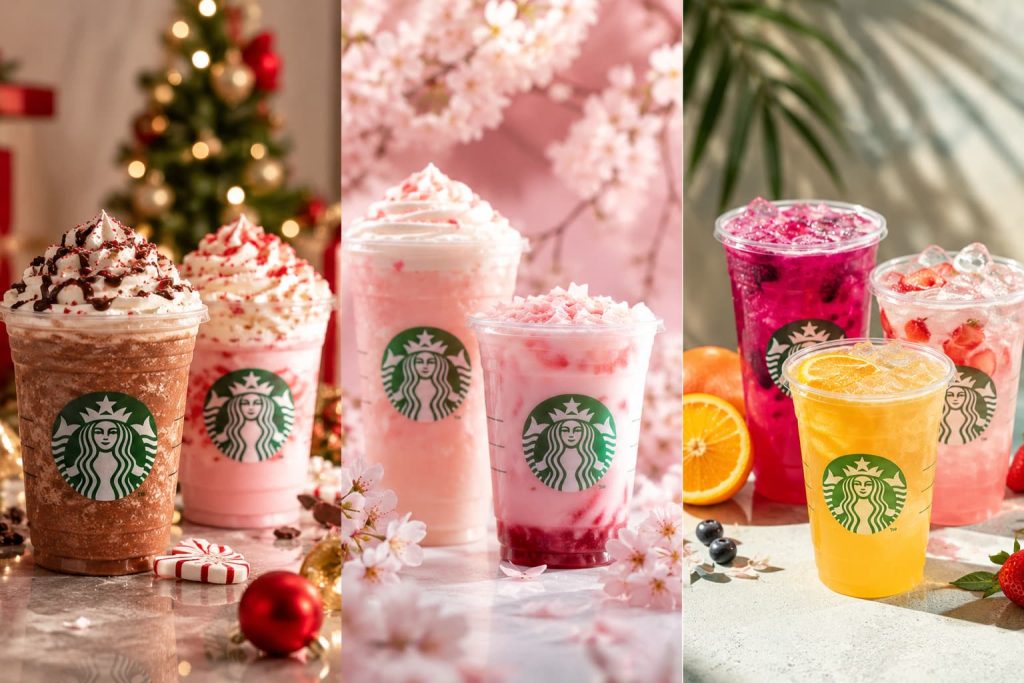
A clear example can be seen with Starbucks seasonal beverage launches. Drinks such as holiday frappuccinos, sakura-themed beverages in Japan, and colorful summer refreshers are frequently promoted through highly visual marketing campaigns where cup presentation plays a central role.
Bubble tea brands also rely heavily on transparent cups. Companies such as HEYTEA and Gong Cha use clear takeaway cups to highlight:
- tapioca pearls,
- cheese foam layers,
- fruit inclusions,
- and beverage textures.
Consumers often hold these cups directly in photos, unintentionally turning packaging into mobile brand advertising.
Korean cafe culture has further accelerated this trend. Many cafes in Seoul intentionally develop highly aesthetic seasonal beverages designed to match minimalist transparent cup presentations that perform well on social media platforms.
In these environments, packaging is no longer secondary to the beverage — it has become part of the marketing strategy itself.
Transparent PET Cups Have Become the Industry Standard
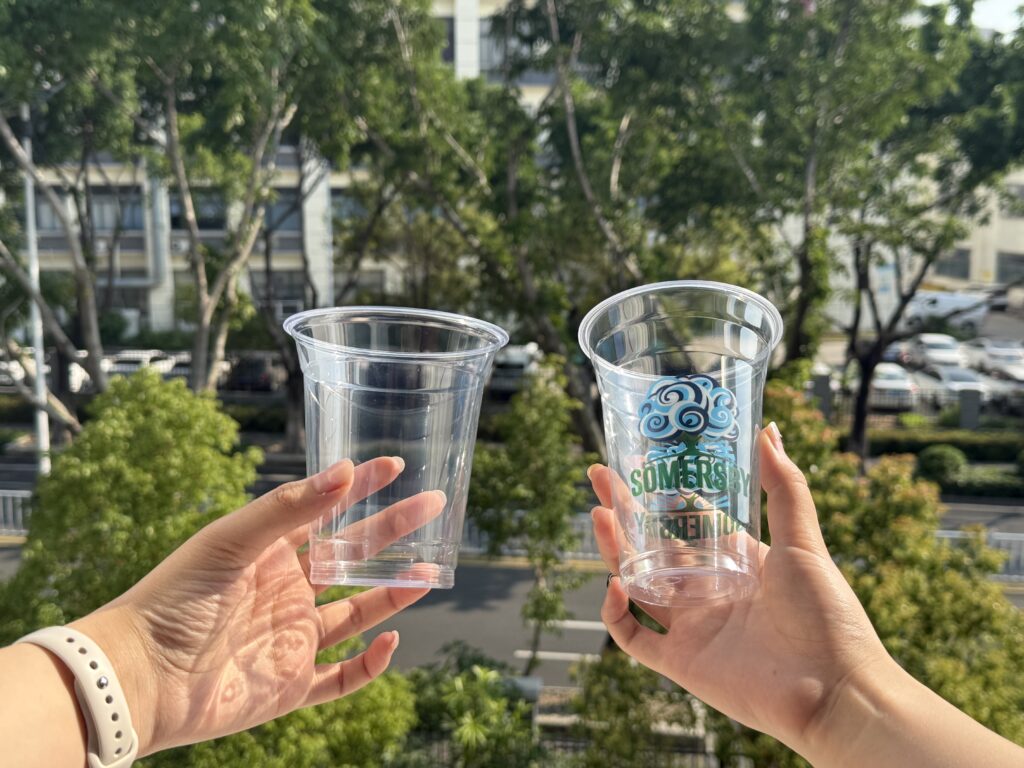
Among transparent beverage packaging materials, PET has become one of the most widely used options for cold drink applications.
PET cups are especially popular because they provide:
- high transparency,
- strong structural performance,
- lightweight portability,
- and compatibility with custom branding.
These characteristics make PET highly suitable for visually driven beverage markets.
Cold beverage growth globally has also increased demand for PET packaging. Iced coffees, fruit teas, smoothies, sparkling beverages, and dessert drinks continue expanding across both premium cafes and mass-market retail environments.
For many beverage brands, transparent PET cups allow customers to immediately evaluate:
- ingredient quality,
- beverage freshness,
- topping quantity,
- and product craftsmanship.
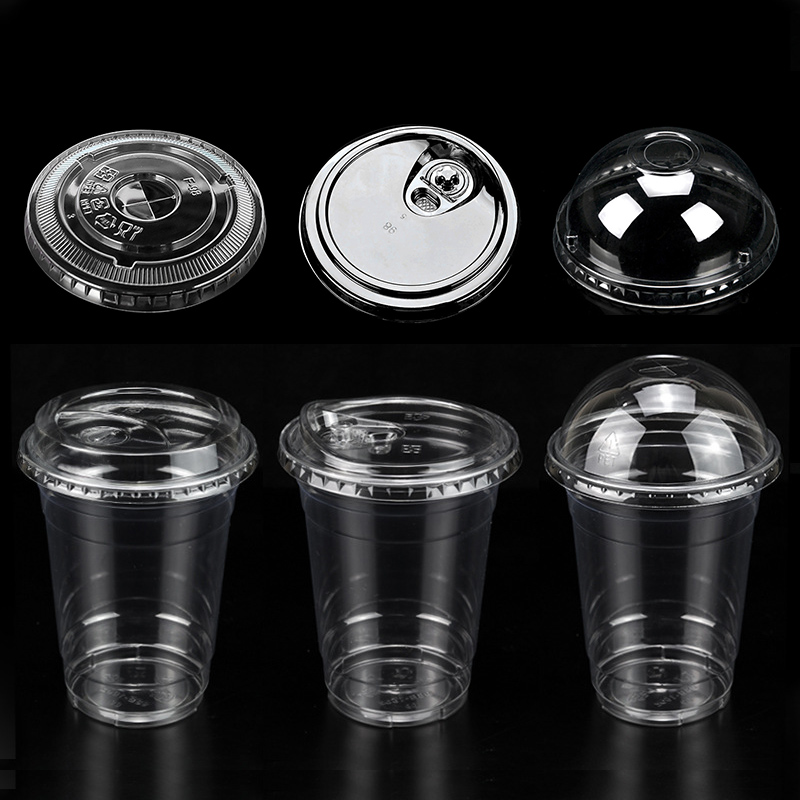
Dome lids have also become increasingly popular because they support whipped cream toppings, mousse layers, and oversized beverage presentations commonly used in seasonal beverage campaigns.
| Packaging Feature | Consumer Benefit |
|---|---|
| High transparency | Better product visibility |
| Dome lids | Supports premium toppings |
| Lightweight structure | Easier portability |
| Strong sealing | Improved delivery performance |
Operational performance is equally important.
Beverage packaging must remain durable during transportation, resist cracking under cold temperatures, and maintain sealing performance during takeaway and delivery operations.
As beverage delivery platforms continue growing, leakage prevention and transportation reliability are becoming essential packaging requirements.
Seasonal Beverage Trends Are Expanding Beyond Cafes
Seasonal beverage culture is no longer limited to specialty coffee shops.
Convenience stores, supermarkets, hotels, restaurants, and airline catering providers are increasingly launching limited-time beverages to attract customers and create seasonal purchasing excitement.
Japan provides one of the clearest examples of this trend.
Every spring, Japanese retailers and cafes introduce sakura-themed beverages featuring pink color palettes, cherry blossom branding, and seasonal cup designs. Many convenience stores also release limited-edition fruit beverages and desserts packaged in transparent containers to emphasize freshness and seasonal identity.
In North America, pumpkin spice beverages have become a major seasonal marketing category. Each autumn, beverage brands launch pumpkin-themed coffees, cold brews, and dessert drinks supported by strong seasonal packaging campaigns.
Meanwhile, tropical fruit beverages become especially popular across Southeast Asia during summer periods, where transparent cups are used to highlight fresh mango, passionfruit, citrus, and coconut ingredients.
These seasonal beverage launches are highly valuable because they:
- encourage repeat visits,
- create urgency through limited-time availability,
- and generate strong social media engagement.
Packaging therefore becomes an important tool for differentiating seasonal products from standard menu offerings.
Sustainability Expectations Are Reshaping Transparent Packaging
While transparent packaging demand continues growing, sustainability expectations are also increasing.
Consumers increasingly expect beverage packaging to combine:
- visual appeal,
- operational functionality,
- and environmental responsibility simultaneously.
This is encouraging beverage brands to explore:
- recyclable PET,
- rPET materials,
- lightweight cup structures,
- and mono-material packaging systems.
rPET is becoming especially important because it incorporates recycled plastic content while maintaining high transparency suitable for beverage applications.
Several international beverage brands have already announced sustainability goals involving increased recycled-content usage in packaging systems.
At the same time, manufacturers are attempting to reduce unnecessary plastic usage through:
- thinner cup walls,
- optimized lid structures,
- and improved material efficiency.
However, beverage packaging still faces important technical requirements.
Transparent cups must remain:
- visually clear,
- structurally stable,
- leak resistant,
- and compatible with branding applications.
This creates strong demand for packaging suppliers capable of balancing sustainability with operational performance.
Manufacturers such as DASHAN are developing recyclable PET and rPET beverage packaging solutions designed to support modern takeaway, delivery, and foodservice industries that increasingly prioritize both presentation quality and environmental responsibility.
Packaging Functionality Is Just as Important as Appearance
Although visual presentation is a major purchasing factor, beverage packaging must also perform effectively during real-world operations.
For cafes and beverage chains, packaging functionality directly affects:
- service efficiency,
- transportation reliability,
- and customer satisfaction.
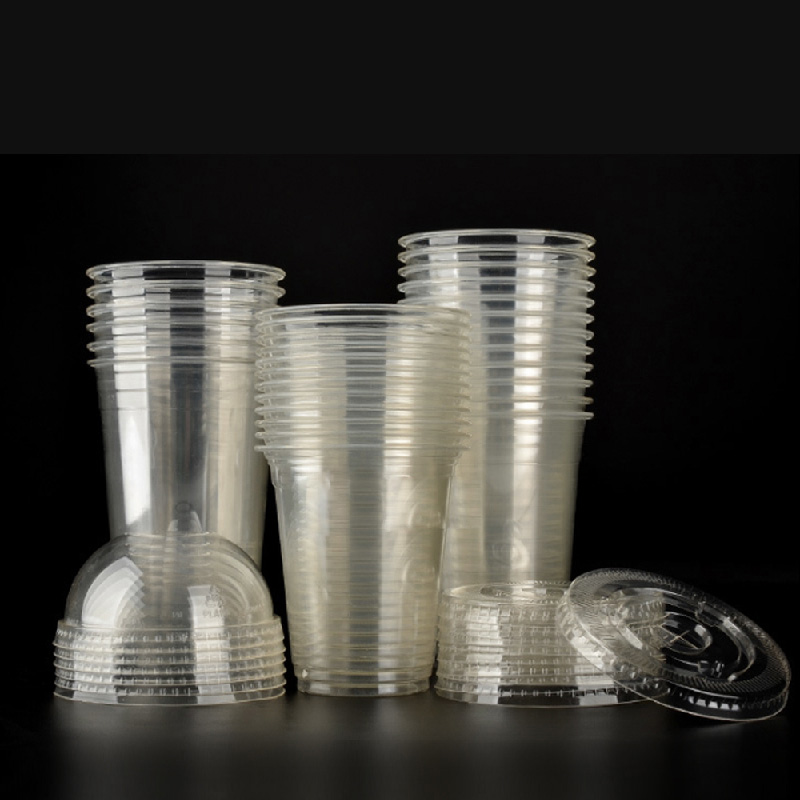
For example, bubble tea businesses rely heavily on sealing systems capable of preventing spills during transportation. Delivery platforms require cup structures strong enough to withstand movement, stacking pressure, and temperature exposure.
Stackable cup systems are also important because they improve storage efficiency in high-volume beverage operations.
Meanwhile, custom printing capabilities allow beverage brands to strengthen identity and improve recognition through:
- logos,
- seasonal graphics,
- and promotional campaigns.
This demonstrates that successful beverage packaging must combine:
- aesthetics,
- durability,
- branding,
- and operational practicality simultaneously.
The Future of Transparent Beverage Packaging
The future of beverage packaging will likely focus on combining premium presentation with improved sustainability performance.
Several trends are expected to shape the next stage of industry development.
Increased Use of rPET
More beverage brands are expected to adopt recycled-content transparent packaging systems.
Lightweight Packaging Engineering
Manufacturers will continue reducing material usage while maintaining structural integrity.
Minimalist Transparent Designs
Clean, modern cup aesthetics are becoming increasingly popular in premium beverage markets.
Smart Packaging Integration
QR codes and digital engagement systems may become more common in beverage packaging marketing strategies.
Improved Delivery-Oriented Packaging
Leak resistance and transportation durability will continue becoming more important as beverage delivery markets expand.
Future packaging success will depend on balancing:
- transparency,
- sustainability,
- branding,
- and operational performance simultaneously.
FAQ
1. Why are transparent cups popular for seasonal beverages?
Transparent cups allow consumers to clearly see beverage colors, fruit inclusions, toppings, and layered textures, which improves visual appeal and purchasing interest.
2. Why do beverage brands use PET cups for cold drinks?
PET cups are lightweight, highly transparent, durable, and suitable for custom branding, making them ideal for iced coffee, fruit tea, smoothies, and bubble tea applications.
3. How does social media influence beverage packaging trends?
Platforms such as Instagram, TikTok, and Xiaohongshu encourage brands to create visually attractive beverages that perform well in photos and videos, increasing demand for transparent packaging.
4. What types of beverages benefit most from transparent packaging?
Fruit teas, layered lattes, bubble tea, smoothies, sparkling beverages, and seasonal dessert drinks benefit greatly because transparent packaging highlights ingredients and presentation.
5. Why are dome lids commonly used for seasonal drinks?
Dome lids provide extra space for whipped cream, mousse toppings, fruit layers, and decorative ingredients often used in premium seasonal beverages.
6. What is rPET beverage packaging?
rPET packaging is made using recycled PET material, helping reduce virgin plastic usage while maintaining the transparency and functionality required for beverage packaging.
7. Why is sustainability becoming important in beverage packaging?
Consumers and governments increasingly expect beverage brands to reduce environmental impact through recyclable materials, lightweight packaging, and recycled-content packaging systems.
Conclusion
Seasonal beverage trends are significantly reshaping modern beverage packaging expectations.
Consumers increasingly choose beverages based not only on flavor, but also on visual presentation, freshness perception, and social media appeal. Transparent packaging therefore plays an essential role in helping beverage brands showcase ingredients, improve customer engagement, and strengthen product identity.
From layered matcha drinks and tropical fruit teas to premium convenience-store beverages and seasonal dessert coffees, transparent PET packaging has become one of the most important tools supporting modern beverage marketing.
At the same time, sustainability expectations continue driving demand for recyclable and lightweight packaging systems capable of balancing environmental responsibility with operational efficiency.
As seasonal beverage culture continues expanding worldwide, companies such as DASHAN are developing transparent PET and rPET packaging solutions designed to support modern beverage branding, takeaway convenience, and sustainability goals across global foodservice markets.
References
- The Impact of Visual Presentation on Consumer Food Perception (Food Quality and Preference)
Research discussing how visual packaging design and product visibility influence consumer attention, appetite, and purchasing behavior. - Transparent Packaging and Consumer Purchase Intention (Frontiers in Psychology)
A study examining how transparent packaging increases perceived freshness, product trust, and purchase intention among consumers. - Investigating Food Packaging Elements from a Consumer Perspective (MDPI Foods)
Peer-reviewed research analyzing how packaging functionality, appearance, and environmental attributes affect food purchasing behavior. - Global Beverage Packaging Market Report (Smithers)
Industry analysis covering beverage packaging trends, growth in takeaway beverages, and demand for lightweight transparent packaging materials. - The Role of Social Media in Food and Beverage Marketing (ScienceDirect)
Research exploring how Instagram and digital food culture influence food and beverage purchasing decisions. - PET Packaging Sustainability and Recycling Trends (PET Resin Association)
Industry resource explaining PET recyclability, lightweight performance, and sustainability developments in beverage packaging applications. - rPET and Circular Packaging Development (Ellen MacArthur Foundation)
Research and circular economy insights related to recyclable packaging systems and recycled-content packaging materials. - DASHAN Food Packing
Copyright Statement
© 2026 Dashan Packing. All rights reserved.
This article is an original publication by the Dashan Packing team based on industry research, market analysis, and packaging expertise. Unauthorized reproduction, distribution, or copying of this content is prohibited without prior written permission.
Dashan Packing is committed to delivering reliable, original, and professional information for the global food packaging industry.