

Introduction
Food packaging plays a crucial role in preserving the safety and quality of food products while also being responsible for a significant environmental footprint. Traditional packaging materials, particularly plastic, have long been criticized for their role in escalating plastic waste and harming ecosystems. The food packaging industry is now turning toward biodegradable materials, such as PLA (Polylactic Acid) and sugarcane bagasse, as eco-friendly alternatives to reduce environmental harm.
However, the adoption of biodegradable materials in food packaging raises several concerns. How can these materials ensure food safety and durability while being environmentally responsible? The balance between sustainability, functionality, and food safety is critical. This article explores how biodegradable packaging materials, particularly PLA and sugarcane bagasse, are making their mark in food packaging, while addressing key challenges and opportunities for future development.
Understanding Biodegradable Materials
PLA (Polylactic Acid)
PLA is one of the most popular biodegradable materials used in food packaging today. PLA is derived from renewable resources, typically corn starch or sugarcane, making it a sustainable alternative to conventional plastic.
-
Properties: PLA is biodegradable and compostable, meaning it can break down in commercial composting facilities in a matter of weeks. However, its high moisture sensitivity and lower heat resistance compared to traditional plastics are challenges that limit its use in some hot food packaging applications.
-
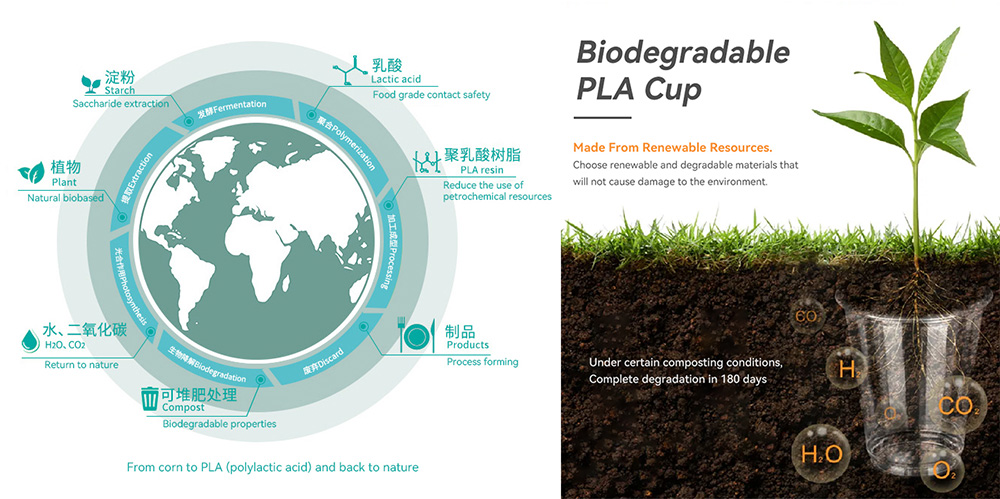
Production Process: PLA is created through a process of fermenting sugars from plant-based sources into lactic acid, which is then polymerized into a biodegradable polymer. This process is considered to have a lower carbon footprint than the production of petroleum-based plastics.
-
Benefits and Limitations: PLA offers an excellent eco-friendly solution, but its limitations, such as low heat tolerance and brittleness in certain conditions, can make it less suitable for packaging hot liquids or oily foods.
Sugarcane Bagasse
Another innovative material gaining traction in the food packaging sector is sugarcane bagasse, the fibrous residue left after extracting juice from sugarcane.
-
Properties: Sugarcane bagasse is a fibrous, water-resistant, and compostable material that serves as an ideal substitute for single-use plastic trays, bowls, and food containers.
-
Environmental Impact: The use of bagasse in food packaging significantly reduces waste and promotes the circular economy. Unlike petroleum-based plastics, sugarcane bagasse is a renewable resource that doesn’t contribute to the global plastic pollution crisis.
-
Applications: Due to its durability, sugarcane bagasse is more suitable for hot food packaging than PLA, as it can withstand higher temperatures and hold up well in moist conditions.
Ensuring Food Safety in Biodegradable Packaging
Food safety is paramount in the food packaging industry, and biodegradable materials must meet stringent safety standards to ensure that they do not compromise food quality or cause contamination.
-
Food-safe certifications: Biodegradable packaging materials, such as PLA and sugarcane bagasse, must be certified for food safety. Certifications such as FDA approval in the U.S. or EU food safety regulations confirm that these materials are non-toxic and safe for direct contact with food.
-
Hygiene and Contamination Prevention: Proper food-safe coatings and treatments are applied to biodegradable materials to prevent contamination. For example, PLA-coated containers can prevent liquids from interacting with the base material, ensuring that foods remain safe and uncontaminated.
-
Barrier properties: While biodegradable materials like PLA can offer good moisture and gas barriers, some applications (e.g., greasy foods or hot liquids) require more robust barrier systems, which can be more challenging to achieve with current biodegradable options.
-
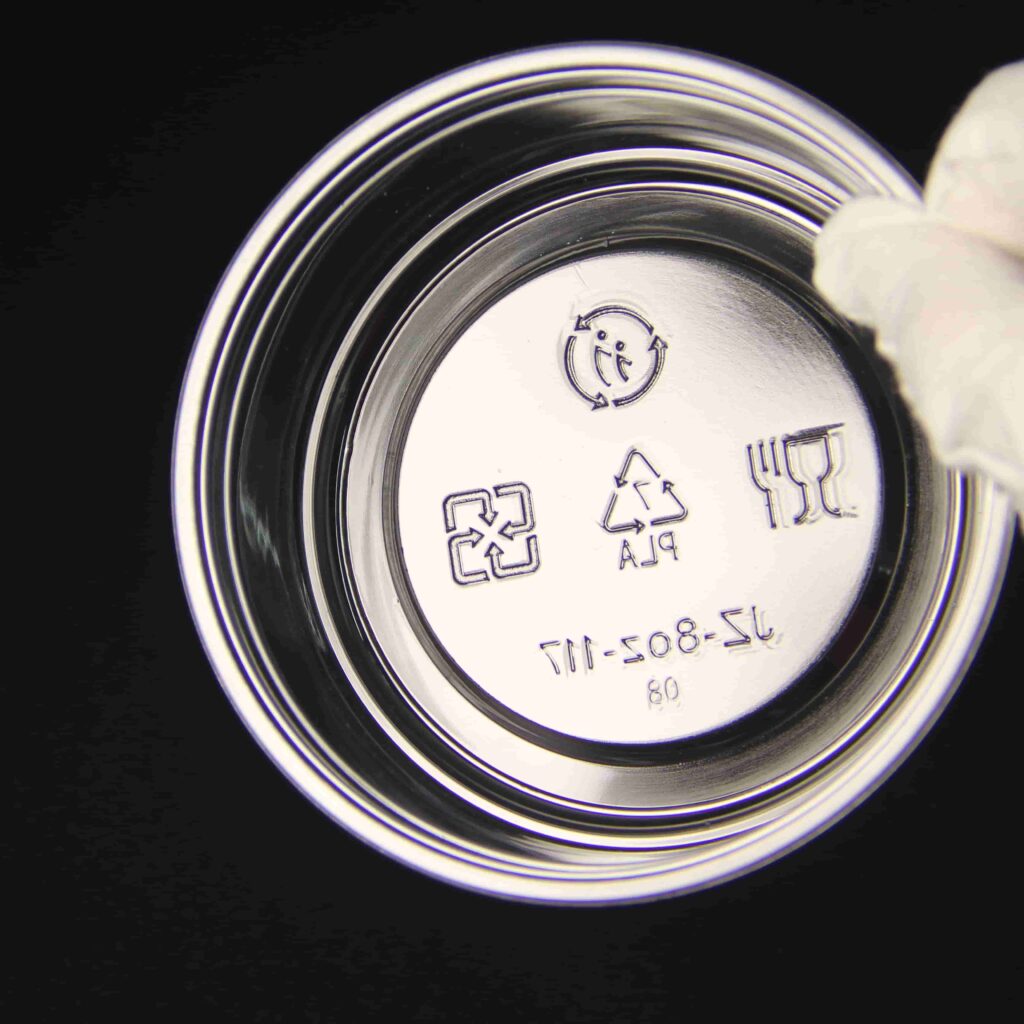
Storage and Handling: Biodegradable materials such as PLA require careful storage and handling due to their sensitivity to heat and moisture. For example, PLA cups are excellent for cold drinks but may deform if exposed to hot liquids.
Durability and Functionality in Food Packaging
The durability of packaging materials is a critical consideration in their widespread adoption. Consumers and manufacturers require packaging that can withstand handling, transportation, and storage conditions while ensuring the integrity of food products.
-
Impact Resistance: Packaging must be able to withstand impacts and stress during transportation and handling. PLA containers, for instance, are generally less impact-resistant than conventional plastics like PP (Polypropylene), but their use in specific applications like dessert packaging is still growing.
-
Leak Resistance: PLA cups and containers are popular for cold beverages but may not provide the same level of leak resistance as traditional plastic cups for hot beverages. Sugarcane bagasse containers offer a more durable solution for hot foods and are highly resistant to leaks and spills.
-
Thermal Stability: One of the primary advantages of sugarcane bagasse packaging is its ability to withstand high temperatures without losing form, making it suitable for hot foods. In contrast, PLA is better suited for cold food packaging due to its relatively lower heat resistance.
Practical Applications in Food Packaging
Cold Drinks and Desserts
-
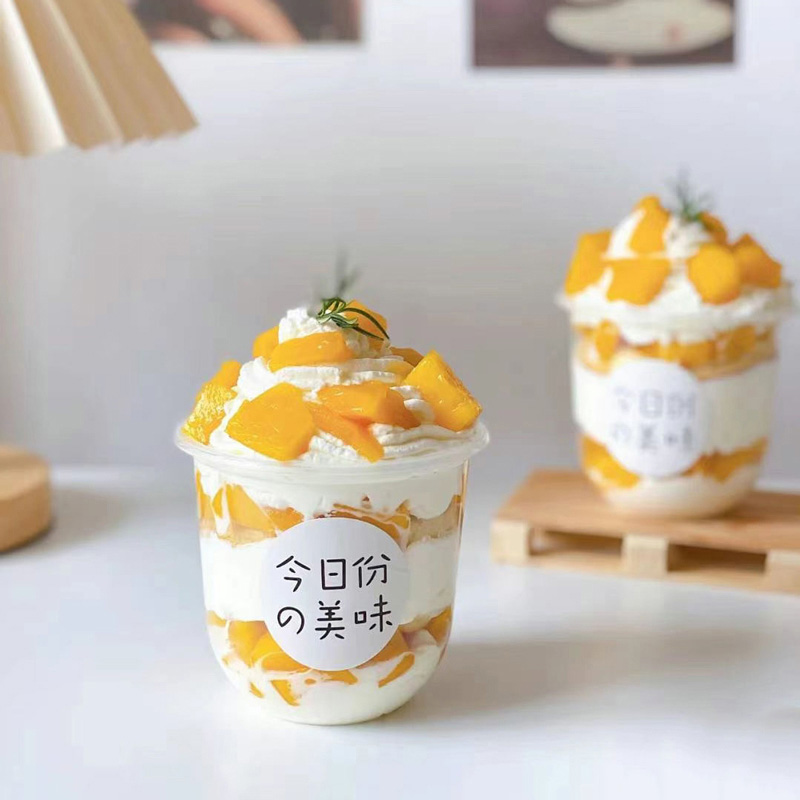
PLA cups are widely used in cold beverage packaging due to their excellent transparency, which showcases the color and texture of the drink. These cups are ideal for serving smoothies, juices, and iced coffees. Additionally, PLA’s biodegradability makes it a popular choice for eco-conscious consumers.
Hot Foods and Meals
-
Sugarcane bagasse containers are excellent for hot food applications. These containers are capable of retaining shape and resisting heat without becoming soggy, making them suitable for takeout meals, hot soups, and grilled foods. Moreover, sugarcane bagasse products are fully compostable and biodegradable after use, offering a complete solution for sustainable food service.
Environmental Benefits of Biodegradable Packaging
-
Reduction of Plastic Waste: By replacing traditional plastics with biodegradable materials like PLA and bagasse, businesses can significantly reduce the carbon footprint and environmental damage associated with plastic waste. Both PLA and bagasse can be composted in industrial composting facilities, leaving behind minimal waste.
-
Circular Economy Contribution: PLA and sugarcane bagasse are key materials in fostering a circular economy. Their ability to break down naturally ensures that they do not persist in landfills or oceans, contributing to the reduction of plastic pollution.
Challenges in Adopting Biodegradable Materials
While biodegradable materials offer significant environmental benefits, there are still challenges to their widespread adoption:
-
Cost: Biodegradable materials are often more expensive to produce than traditional plastics. The cost difference can be a barrier to adoption for businesses aiming to reduce packaging expenses.
-
Scalability: For PLA and bagasse to replace traditional plastics on a large scale, infrastructure needs to improve. Efficient systems for collection, composting, and recycling must be in place to handle these materials after their use.
-
Consumer Behavior: Despite the growing awareness of plastic pollution, many consumers are still not fully committed to using biodegradable alternatives due to the higher cost and lack of infrastructure.
Customization and Innovation in Biodegradable Packaging
Biodegradable packaging materials offer vast potential for customization. Businesses can create unique packaging solutions that align with their brand identity while contributing to sustainability goals.
-
Custom Printing and Design: PLA cups and bagasse trays can be customized with logos, eco-friendly ink, and embossed designs to enhance brand recognition and consumer appeal.
-
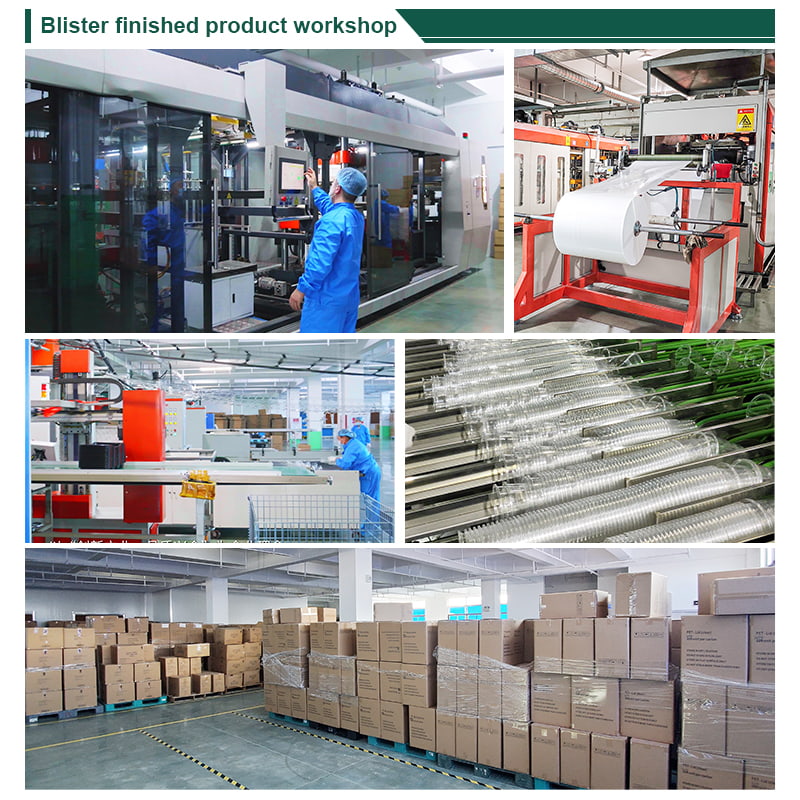
Innovative Packaging Solutions: Companies like Dashan have embraced the use of biodegradable materials in custom packaging for different industries, including foodservice, retail, and airline catering.
The Future of Biodegradable Packaging
As demand for sustainable packaging continues to rise, the future of biodegradable materials in food packaging looks promising. Innovations in material science will enhance the properties of biodegradable packaging, making it more durable, affordable, and versatile.
FAQ (Frequently Asked Questions)
1. What is the difference between PLA and sugarcane bagasse in food packaging?
PLA is made from plant-based sources like corn starch and is best for cold foods. Sugarcane bagasse is a fibrous material that is better suited for hot foods due to its higher heat tolerance.
2. Is PLA safe for food packaging?
Yes, PLA is food-safe and meets all the necessary food safety standards, including FDA approval. However, its use for hot foods is limited due to its low heat tolerance.
3. How long does it take for biodegradable packaging to break down?
PLA breaks down within 90 days in industrial composting facilities, while sugarcane bagasse takes even less time due to its natural composition.
4. Can biodegradable packaging be used for hot foods?
Sugarcane bagasse is generally more suitable for hot foods because of its heat resistance. It can handle high temperatures without deforming or losing strength. PLA, however, has limited heat tolerance and is typically best used for cold or room temperature foods. When using PLA for hot foods, manufacturers often add special coatings or use blends to improve heat resistance.
5. Are PLA and sugarcane bagasse packaging materials durable?
Both materials are durable, but their durability varies depending on the application. PLA is fragile and may crack or break under impact, especially when exposed to heat or moisture. It’s perfect for cold beverage cups, but not ideal for heavy-duty packaging.
Sugarcane bagasse, on the other hand, offers greater durability and is highly resistant to cracks and leaks. It is commonly used for takeout boxes, plates, and trays, especially in the foodservice industry, where strength is a priority.
6. Are biodegradable materials more expensive than conventional plastics?
Yes, biodegradable materials like PLA and sugarcane bagasse tend to be more expensive than traditional plastic options due to the sourcing of raw materials and the production processes involved. However, prices are gradually coming down as demand grows and production efficiency improves. Over time, economies of scale are expected to make biodegradable materials more affordable for businesses.
7. Do PLA and sugarcane bagasse materials need special recycling or disposal methods?
Yes, both PLA and sugarcane bagasse need specific disposal methods.
-
PLA requires industrial composting facilities for proper breakdown. If it’s not disposed of properly, it could contribute to landfill waste, where it will degrade at a slower rate.
-
Sugarcane bagasse is compostable and can be disposed of in composting systems, or it can be used in organic waste streams.
8. How sustainable are PLA and sugarcane bagasse compared to conventional plastics?
Both PLA and sugarcane bagasse offer more sustainable options compared to traditional petroleum-based plastics.
-
PLA is made from renewable resources like corn starch and sugarcane, and it has a lower carbon footprint during production.
-
Sugarcane bagasse uses the waste from sugarcane production, which would otherwise be discarded. This makes it a highly sustainable material. Additionally, it is compostable and helps divert waste from landfills.
9. Can I customize biodegradable packaging with my brand’s logo?
Yes, both PLA cups and sugarcane bagasse containers can be customized with logos, designs, and brand messaging. Custom printing and embossing are common methods used to personalize biodegradable packaging, helping businesses create a strong brand identity while promoting sustainability.
10. What types of food can be packaged in PLA and sugarcane bagasse containers?
-
PLA packaging is commonly used for cold beverages, desserts, salads, and snacks. Due to its moisture sensitivity, it’s better for foods that don’t require long-term heat exposure.
-
Sugarcane bagasse containers are ideal for hot foods, including soups, grilled meats, takeout boxes, and salads that may contain dressings or oils. Its strength and resistance to heat make it suitable for a wider variety of foods, including those served in fast-food chains, restaurants, and catering.
11. Are there any environmental certifications for PLA and sugarcane bagasse?
Yes, both PLA and sugarcane bagasse packaging materials can be certified for environmental impact. Certifications such as FDA, EU food safety standards, and compostability certifications like BPI (Biodegradable Products Institute) and OK Compost confirm that these materials meet the requirements for food safety and sustainability.
12. What are the main environmental benefits of switching to biodegradable packaging?
Switching to biodegradable packaging reduces the reliance on single-use plastics, which are a major contributor to global plastic pollution.
-
PLA breaks down into lactic acid, which can be composted and used as fertilizer.
-
Sugarcane bagasse is made from a byproduct of sugar production and is compostable, diverting waste from landfills.
Both options contribute to reducing carbon footprints, fostering a circular economy, and promoting sustainable practices.
References
-
PLA Packaging: The Future of Eco-Friendly Food Containers. Eco Packaging Solutions. Retrieved from www.ecopackagingsolutions.com.
-
Sugarcane Bagasse in Food Packaging. Sustainable Packaging Alliance. Retrieved from www.sustainablepackaging.com.
-
United Nations Environment Programme (2020). Global Plastic Waste Crisis. Retrieved from www.unep.org.
Copyright Statement
© 2026 Dashan Packing. All rights reserved.
This article is an original work created by the Dashan Packing editorial team.
All text, data, and images are the result of our independent research, industry experience,
and product development insights. Reproduction or redistribution of any part of this content
without written permission is strictly prohibited.
Dashan Packing is committed to providing accurate, evidence-based information and
to upholding transparency, originality, and compliance with global intellectual property standards.