
Introduction
As sustainability requirements accelerate worldwide, food packaging is undergoing structural change. Regulations, retailers, and consumers are increasingly scrutinizing materials not only for performance, but also for recyclability, resource use, and environmental footprint.
In this discussion, RPET (Recycled Polyethylene Terephthalate) has become one of the most frequently mentioned materials — especially in food and beverage packaging, bakery boxes, cold cups, clamshell containers, and retail trays.
However, one important question remains:
Is RPET always better than Virgin PET — and is it always the right choice?
This article provides a clear, practical comparison across three dimensions:
-
Sustainability
-
Safety
-
Market acceptance
Our goal is not to promote one material over another, but to help buyers, importers, and brand owners make informed decisions.
1. Understanding the Materials: What Are We Comparing?
1.1 What Is Virgin PET?
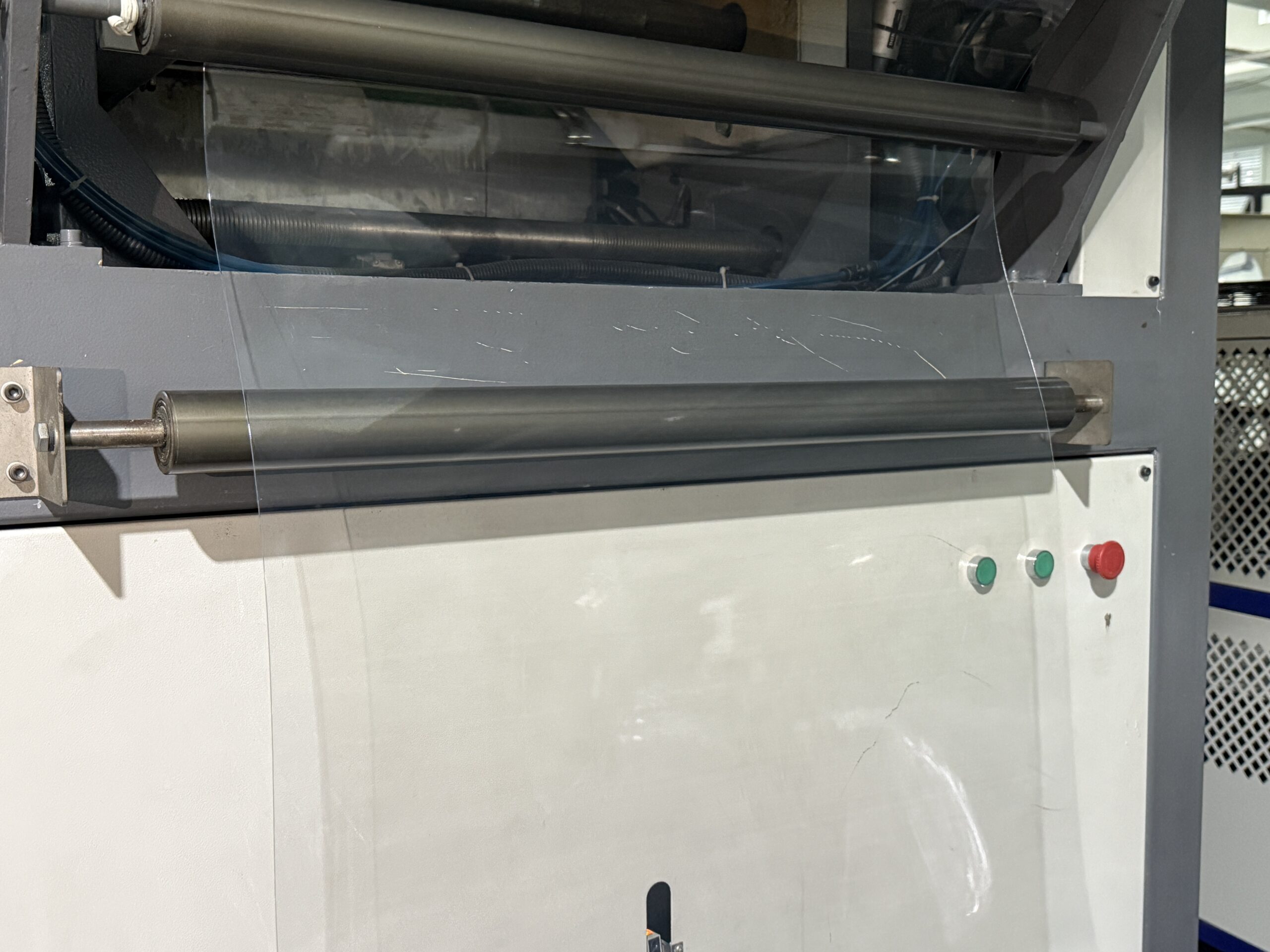
Virgin PET is produced directly from petrochemical feedstock. It is widely used in:
-
Bottled beverages
-
Food packaging
-
Transparent bakery boxes
-
Lids and trays
Key characteristics include:
-
High transparency
-
Stable physical performance
-
Good strength-to-weight ratio
-
Excellent barrier properties for many applications
Virgin PET has been widely approved for food contact globally, and it offers predictable, uniform quality.
1.2 What Is RPET?
RPET is produced by recycling post-consumer PET products, primarily beverage bottles.
Typical process:
-
Collection and sorting
-
Washing
-
Crushing and pelletizing
-
Reprocessing into sheets or packaging
However, not all RPET is the same. There can be large differences in:
-
Source material
-
Cleaning and decontamination technology
-
Traceability systems
-
Certifications
Food-grade RPET specifically requires stringent controls. Improper recycling may result in contamination risks — which is why reputable suppliers invest heavily in testing, certification, and process validation.
At DASHAN, this is a critical area of focus. We evaluate each upstream RPET source, ensuring batch traceability and consistent, stable quality, rather than relying on low-grade recycled material that may compromise safety or brand integrity.
2. Sustainability: How Do They Compare Environmentally?
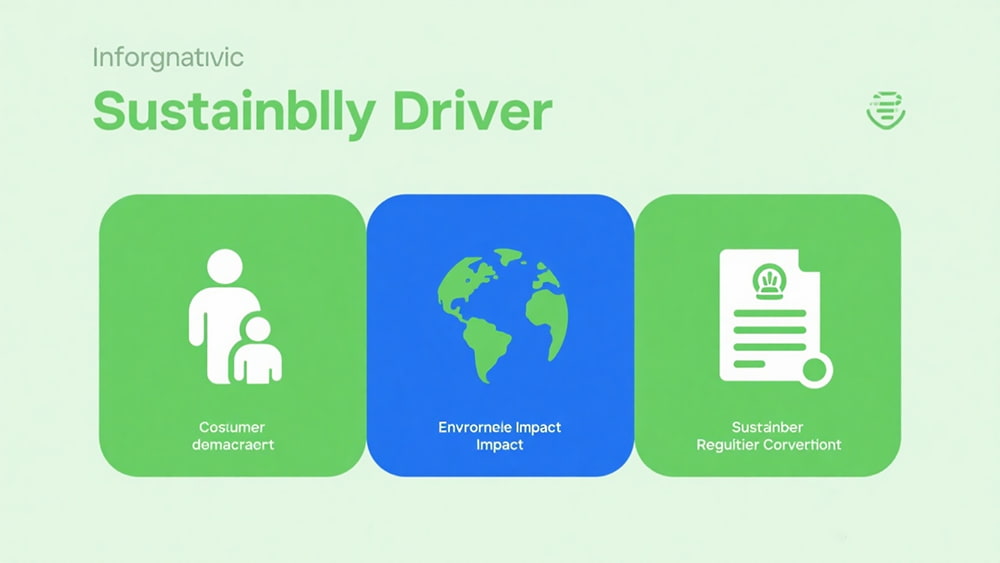
2.1 Carbon Footprint and Resource Use
Virgin PET relies on fossil resources. Production consumes:
-
Crude oil or natural gas
-
Significant energy
-
Transportation and processing inputs
RPET helps close the loop by:
-
Reusing existing plastic material
-
Reducing landfill disposal
-
Lowering demand for virgin feedstock
In most lifecycle studies, RPET demonstrates considerably lower overall emissions and energy usage compared to virgin PET.
2.2 Waste Reduction and Circular Economy
RPET supports circular economy principles:
-
Bottle-to-bottle
-
Bottle-to-tray
-
Tray-to-tray (where infrastructure exists)
Brands increasingly see RPET as a visible sustainability commitment.
However, regional recycling capacity varies. In some markets, collection systems are still developing, which may affect long-term stability.
DASHAN works closely with global partners to secure reliable supply and prioritize materials that align with real recycling infrastructure, rather than theoretical claims.
3. Safety Considerations: Are Both Materials Safe?
3.1 Regulatory Perspective
Both Virgin PET and food-grade RPET can be compliant under global regulations when properly manufactured and certified.
Typical frameworks include:
-
Food contact regulatory approvals
-
Heavy metal and contaminant testing
-
Migration limits
3.2 Common RPET Safety Concerns
Buyers frequently ask:
-
Will RPET contain residues?
-
Is it safe for food?
-
How can I verify compliance?
The answer depends on the recycling technology and quality systems in place. High-quality RPET uses advanced decontamination processes designed specifically for food use.
Quality should never rely on “trust statements” alone. Documentation and testing are essential.
At DASHAN, every batch is validated through:
-
Supplier audits
-
Lot traceability
-
Third-party testing where required
This ensures RPET packaging meets performance and safety standards, rather than simply using recycled material for marketing claims.
3.3 Virgin PET Safety Profile
Virgin PET has a long, stable compliance record. However, it is not suitable for all high-temperature uses unless specifically designed and tested.
Both materials require appropriate use conditions and adherence to regulations.
4. Performance Comparison
 |
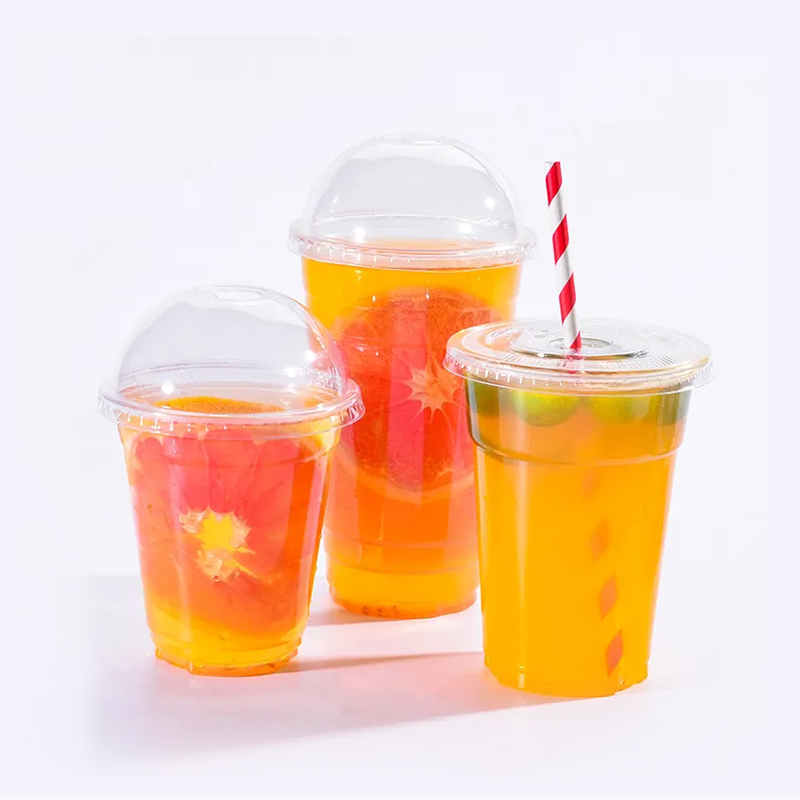 |
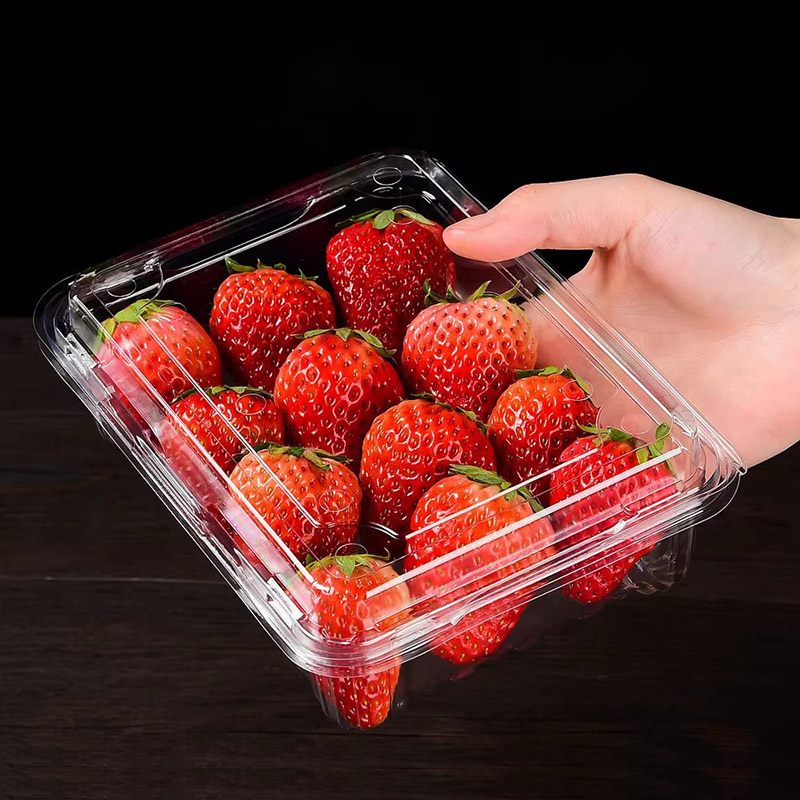
4.1 Visual and Mechanical Properties
Virgin PET offers:
-
Crystal-clear transparency
-
High consistency
RPET typically delivers slightly:
-
Lower clarity
-
Light color variation (grey or light green tint)
For retail display that emphasizes environmental branding, this slight color shift is often acceptable and can even convey sustainability visually.
4.2 Heat and Temperature Performance
Neither Virgin PET nor RPET is designed for high-temperature oven heating. For reheatable meals, CPET or PP is more appropriate.
However, both materials perform well in:
-
Cold beverages
-
Chilled foods
-
Display packaging
4.3 Branding & Customization
Both support:
-
Branding
-
Custom shapes
-
Printing options
With RPET, suppliers need to control consistency to avoid variation affecting brand presentation — another area where disciplined process control matters.
5. Market Acceptance: Who Is Choosing What?
5.1 Global Brands and Retailers
Many global retailers actively request packaging that incorporates recycled content.
This is driven by:
-
Corporate sustainability reporting
-
Local legislation
-
Brand positioning
RPET fits these expectations very well.
5.2 Policy Influence
More regions encourage recycled content as part of environmental strategy. Buyers operating across different geographies face increasing pressure to align with these requirements.
5.3 Consumer Perception
Consumers associate RPET with:
-
Reduced environmental impact
-
Responsible brand behavior
However, transparency matters. Overclaiming or mislabeling recycled content can damage trust.
DASHAN supports clear communication with factual, verifiable specifications — avoiding exaggerated sustainability claims.
6. Cost and Supply Considerations
6.1 Price Variability
Virgin PET pricing is closely linked to oil markets.
RPET pricing depends on:
-
Availability of recycled feedstock
-
Local policy incentives
-
Collection infrastructure
Sometimes RPET is more economical; in other cases, it can be higher due to demand pressures.
6.2 Supply Stability
Food-grade RPET requires qualified recyclers. Supply may fluctuate if market competition intensifies.
This is why long-term partnerships and diversified sourcing are critical — a strategy DASHAN actively maintains.
7. Practical Guidance: How to Choose the Right Material
7.1 When RPET Is the Better Choice
RPET is particularly suitable for:
-
Cold drinks
-
Bakery and fruit packaging
-
Retail clamshell displays
-
Brands emphasizing sustainability
7.2 When Virgin PET Still Makes Sense
Virgin PET may be more appropriate when:
-
Ultra-clear transparency is required
-
Strict color consistency is mandatory
-
RPET supply is limited for specific markets
7.3 Questions Buyers Should Ask Suppliers
-
What percentage of recycled content is used?
-
Is the RPET food-grade?
-
Are testing and certifications available?
-
Can the material be traced back to source?
-
How is batch stability controlled?
DASHAN’s team typically works with customers to perform side-by-side comparisons, helping evaluate performance under real production and logistics conditions before committing to full-scale conversion.
8. Where DASHAN Fits
DASHAN manufactures and supplies a wide range of packaging solutions in:
Our approach is simple:
We recommend the right material for the right application — not just the trendiest option.
We support our partners through:
-
Material selection consulting
-
Compliance guidance
-
Customized product development
-
Batch testing and quality control
This helps importers and brand owners reduce risk, manage cost, and build sustainable packaging portfolios aligned with future regulations.
FAQ
1. Is RPET always more sustainable than Virgin PET?
In most cases yes — RPET usually requires less energy and reduces dependence on new fossil resources. However, sustainability depends on traceability, recycling technology, and stable quality. Poorly processed recycled material can lead to failures and waste.
2. Is RPET safe for food contact?
Yes, when it is food-grade, properly decontaminated, and certified.
Always check: migration testing, food-contact declarations, and batch traceability. Do not rely only on “eco-friendly” claims.
3. Why does RPET look slightly gray or green compared with Virgin PET?
Minor color variation is normal because RPET comes from recycled sources. Many brands even use this visual tone as a sign of responsible material use.
4. Can RPET be used for hot filling, microwave, or oven applications?
Generally no. RPET performs best at room or chilled temperatures.
For high heat, CPET or PP is usually more suitable.
5. Why is RPET sometimes more expensive than Virgin PET?
Demand for recycled content is growing faster than available supply. Certification, cleaning processes, and sorting also increase cost.
6. How can buyers evaluate reliable RPET suppliers?
Consider whether the supplier can provide:
-
Verified recycled source documentation
-
Food-grade processing
-
Third-party test reports
-
Batch traceability
-
Stable production records
DASHAN typically recommends trial orders and application testing before full transition.
Conclusion
There is no universal “best” material.
RPET offers compelling sustainability benefits and strong market acceptance, while Virgin PET remains reliable, stable, and highly consistent.
The smartest strategy is not to choose one material forever — but to evaluate each application carefully, balancing:
-
Performance
-
Safety
-
Sustainability
-
Cost
-
Regulatory expectations
With disciplined evaluation and the right supplier support, RPET and Virgin PET can each play strategic roles in a modern, responsible packaging program.
References
-
European Commission — Food Contact Materials
https://food.ec.europa.eu/safety/chemical-safety/food-contact-materials_en -
Plastics Recyclers Europe — RPET Insights
https://www.plasticsrecyclers.eu -
PET Resin Association — PET Overview
https://www.petresin.org -
Ellen MacArthur Foundation — Plastics & Circular Economy
https://ellenmacarthurfoundation.org/topics/plastics/overview -
U.S. EPA — Benefits of Recycling
https://www.epa.gov/recycle/recycling-basics
Copyright Statement
© 2026 Dashan Packing. All rights reserved.
This article is an original work created by the Dashan Packing editorial team.
All text, data, and images are the result of our independent research, industry experience,
and product development insights. Reproduction or redistribution of any part of this content
without written permission is strictly prohibited.
Dashan Packing is committed to providing accurate, evidence-based information and
to upholding transparency, originality, and compliance with global intellectual property standards.