

Quick Summary
RPET cups are made from recycled PET plastic, offering beverage brands a practical way to reduce reliance on virgin materials while maintaining the clarity, strength, and safety needed for cold drink packaging. They support sustainability goals, help reduce plastic waste, and remain compatible with standard lids and sealing systems. For many beverage brands, RPET cups provide a balanced solution between environmental responsibility, performance, and cost efficiency.
Introduction: The Growing Demand for Sustainable Beverage Packaging
Sustainability has become one of the most important topics in the global food and beverage industry. Governments, consumers, and businesses are increasingly aware of the environmental impact of packaging waste, particularly single-use plastics. As a result, beverage brands—from large international chains to small local cafés—are under pressure to adopt more environmentally responsible packaging solutions.
Beverage packaging is one of the most visible sources of disposable plastic waste. Millions of cups are used every day for iced coffee, milk tea, smoothies, and takeaway drinks. Traditional plastic cups made from virgin PET offer excellent clarity and strength, but they rely on newly produced petroleum-based materials.
This challenge has encouraged many brands to explore recycled materials that can reduce environmental impact without sacrificing performance. One solution that has gained significant traction in recent years is RPET (Recycled Polyethylene Terephthalate).
RPET cups are manufactured from recycled PET materials, often sourced from used beverage bottles and other PET containers. By reprocessing existing plastic into new packaging products, RPET helps reduce the need for virgin plastic while supporting the development of a circular economy.
For beverage brands seeking practical ways to improve their sustainability strategy, RPET cups have emerged as a reliable and scalable packaging option.
What Are RPET Cups?
Understanding RPET Material
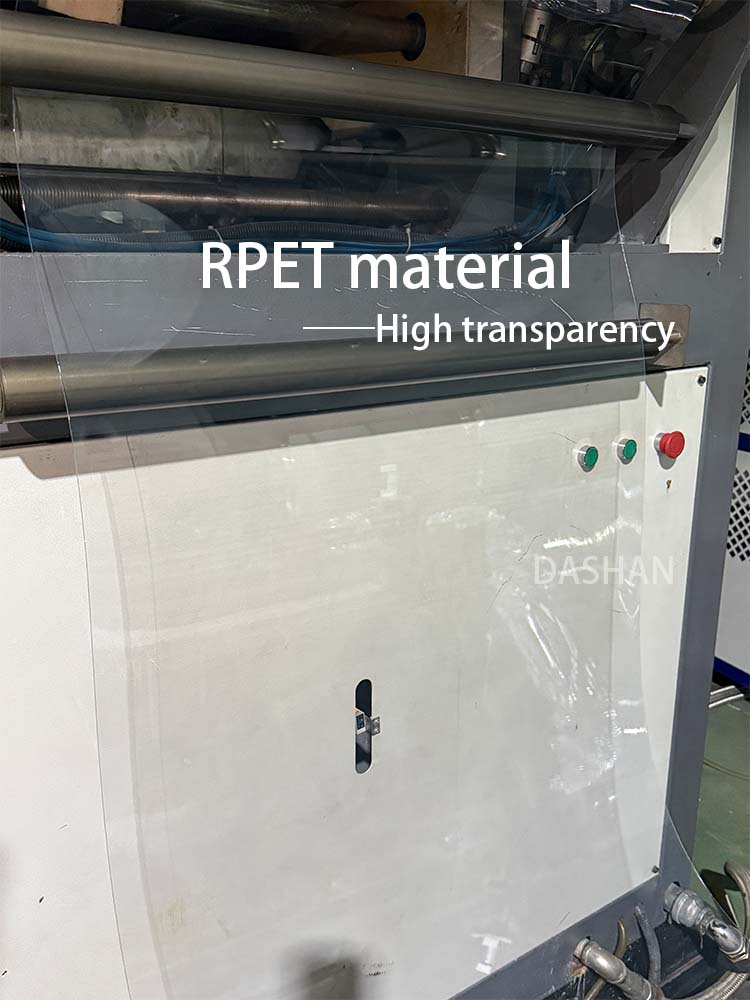
RPET stands for Recycled Polyethylene Terephthalate, a material derived from post-consumer or post-industrial PET plastic. PET is one of the most widely used plastics in food and beverage packaging due to its transparency, strength, and safety for food contact.
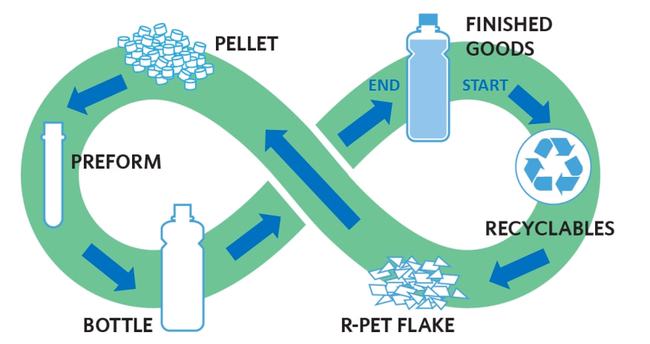
The recycling process typically involves several steps:
-
Collection of used PET bottles and containers
-
Sorting and cleaning the plastic materials
-
Grinding the materials into small flakes
-
Reprocessing the flakes into new plastic sheets or pellets
-
Thermoforming these materials into new packaging products such as cups or trays
The resulting RPET material retains many of the desirable characteristics of virgin PET while significantly reducing environmental impact.
RPET vs Virgin PET
The main difference between RPET and virgin PET lies in the source of the raw material.
Virgin PET is produced from newly extracted petroleum resources. RPET, on the other hand, is manufactured from recycled plastic materials that have already been used once.
While both materials provide excellent clarity and strength, RPET offers the additional advantage of reducing reliance on new fossil-based resources.
Typical Applications of RPET Cups
RPET cups are commonly used for cold beverage packaging, including:
-
Iced coffee and cold brew
-
Bubble tea and milk tea
-
Smoothies and fruit drinks
-
Fresh juices
-
Cold soft drinks
-
Takeaway beverages
Because of their excellent transparency and rigidity, RPET cups provide a similar consumer experience to traditional PET cups.
Why Sustainability Matters for Beverage Brands
Changing Consumer Expectations
Modern consumers are increasingly concerned about environmental issues. Many customers actively prefer brands that demonstrate responsible environmental practices.
Packaging is one of the most visible elements of a brand’s sustainability strategy. When customers see recycled or eco-friendly packaging, it reinforces the perception that the brand cares about environmental impact.
For beverage businesses, switching to recycled materials like RPET cups can help align their packaging with consumer expectations.
Government Regulations and Plastic Policies
In many regions, governments are implementing policies aimed at reducing plastic waste. These policies may include:
-
Plastic reduction targets
-
Mandatory recycled content requirements
-
Extended producer responsibility (EPR) programs
-
Restrictions on certain types of packaging
Using recycled materials such as RPET can help companies stay ahead of regulatory changes and avoid potential compliance issues.
Brand Reputation and ESG Commitments
Many global brands have set ESG (Environmental, Social, and Governance) targets that include reducing carbon emissions and increasing recycled material usage.
Packaging plays an important role in achieving these sustainability goals. By incorporating RPET cups into their packaging strategy, beverage brands can demonstrate measurable progress toward their environmental commitments.
Environmental Advantages of RPET Cups

Reduced Plastic Waste
One of the most significant benefits of RPET is its ability to reuse existing plastic materials. Instead of ending up in landfills or oceans, PET bottles can be recycled and transformed into new packaging products.
This helps reduce the overall amount of plastic waste generated by the packaging industry.
Lower Carbon Footprint
Producing plastic from recycled materials generally requires less energy than producing new plastic from raw petroleum resources. As a result, RPET manufacturing often has a lower carbon footprint compared to virgin plastic production.
For companies seeking to reduce their environmental impact, switching to RPET packaging can be an effective step.
Supporting the Circular Economy
The concept of a circular economy focuses on keeping materials in use for as long as possible through recycling and reuse.
RPET cups contribute to this system by extending the lifecycle of plastic materials. Instead of being used once and discarded, PET plastics can be recycled and turned into new packaging products multiple times.
Encouraging Responsible Resource Use
Using recycled materials encourages more efficient use of existing resources. It also promotes the development of recycling infrastructure and responsible waste management practices.
Functional Benefits of RPET Cups for Beverage Packaging

Sustainability alone is not enough for packaging solutions. Beverage packaging must also meet strict functional requirements related to durability, safety, and user experience.
Excellent Transparency
RPET cups offer high clarity that is comparable to virgin PET. This transparency is especially important for beverage presentation, allowing customers to see the drink inside.
Clear cups enhance the visual appeal of beverages such as iced coffee, fruit tea, and colorful smoothies.
Strong Structural Integrity
RPET materials provide good rigidity and strength. Properly manufactured RPET cups maintain their shape during transportation, storage, and use.
This structural integrity is essential for takeaway beverages, which may be carried by customers for extended periods.
Food Safety and Compliance
When produced under controlled manufacturing conditions, RPET packaging can meet international food contact safety standards.
Food-grade RPET is designed to ensure that the material remains safe for contact with beverages and other food products.
Compatibility with Lids and Sealing Systems
RPET cups are widely compatible with standard beverage packaging accessories such as:
-
Dome lids
-
Flat lids
-
Sealing films
-
Straw openings
This compatibility allows beverage brands to integrate RPET cups into their existing packaging systems without major operational changes.
Cost and Supply Considerations
Cost Compared to Other Sustainable Materials
Some sustainable packaging materials—such as PLA bioplastics—can be more expensive or require specialized disposal conditions.
RPET cups often provide a more balanced solution by combining recycled content with relatively stable production costs.
Availability and Manufacturing Scalability
PET recycling infrastructure is already well established in many regions. This means RPET materials can be produced at a large industrial scale.
For beverage brands that require high-volume packaging solutions, RPET offers a reliable and scalable option.
Balancing Sustainability and Cost Efficiency
Businesses must balance environmental responsibility with economic practicality. RPET cups provide a middle ground where sustainability improvements can be achieved without dramatically increasing packaging costs.
Challenges Brands Should Consider When Using RPET Cups
While RPET cups offer many advantages, companies should also understand certain limitations.
Recycling Infrastructure Differences
Recycling systems vary significantly between countries and regions. In some areas, recycling rates are high and well organized, while in others they remain limited.
The overall environmental benefit of RPET depends partly on how effectively materials are collected and recycled.
Slight Color Variation
Because RPET is derived from recycled materials, the color may sometimes differ slightly from virgin PET. Some RPET products may have a faint gray or bluish tint.
However, this variation is usually minimal and does not affect product performance.
Consumer Misunderstandings
Some consumers mistakenly believe recycled plastics are less safe or lower quality. Clear communication and proper labeling can help address these misconceptions and highlight the sustainability benefits.
How Manufacturers Support Sustainable RPET Packaging
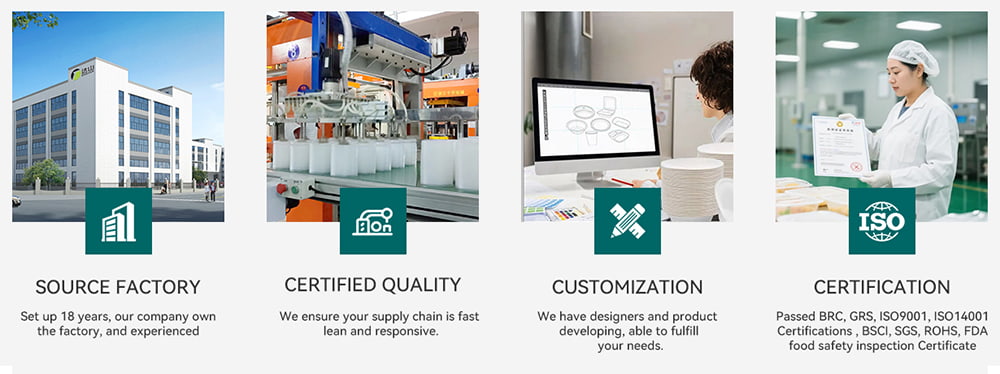
The quality and performance of RPET cups depend heavily on the capabilities of the packaging manufacturer.
Professional manufacturers play a critical role in ensuring:
-
Stable sourcing of high-quality RPET raw materials
-
Advanced thermoforming technology
-
Consistent product thickness and strength
-
Compliance with international food safety standards
Companies such as DASHAN manufacture RPET beverage cups designed to meet the needs of beverage brands, foodservice operators, and retailers. By combining reliable material sourcing with modern production processes, manufacturers can help brands adopt more sustainable packaging solutions without compromising quality or performance.
Future Trends of RPET in Beverage Packaging
Increasing Use of Recycled Content
Many governments and organizations are encouraging packaging producers to incorporate higher levels of recycled materials. This trend is likely to increase the demand for RPET products in the coming years.
Improvements in Recycling Technology
Advances in recycling technologies are making it easier to process plastic waste into high-quality recycled materials. These improvements will further enhance the availability and consistency of RPET.
Growth of Circular Packaging Systems
More companies are exploring closed-loop systems where packaging materials are collected, recycled, and reused to create new products. RPET cups are well suited to these circular packaging strategies.
How Beverage Brands Can Successfully Transition to RPET Cups
For businesses considering a transition to RPET packaging, several practical steps can help ensure a smooth implementation.
1. Evaluate beverage requirements
Confirm that RPET cups are suitable for the types of beverages being served, particularly temperature requirements.
2. Work with reliable packaging suppliers
Choose manufacturers with strong quality control and experience in RPET production.
3. Verify compliance and certifications
Ensure that packaging products meet relevant food safety and regulatory standards.
4. Conduct real-world testing
Before full adoption, test RPET cups in actual service conditions to evaluate durability and customer experience.
FAQ
1. What are RPET cups made from?
RPET cups are produced from recycled PET plastic, commonly sourced from used beverage bottles and food containers that are collected, cleaned, and reprocessed into new packaging materials.
2. Are RPET cups safe for food and beverages?
Yes. Food-grade RPET cups can meet international food contact regulations when manufactured under proper quality control and compliance standards.
3. What types of drinks are suitable for RPET cups?
RPET cups are mainly designed for cold beverages such as iced coffee, milk tea, smoothies, juice, and soft drinks.
4. Are RPET cups more sustainable than regular plastic cups?
Generally yes. Because RPET is made from recycled plastic, it reduces the need for virgin petroleum-based plastic and supports recycling systems.
5. Do RPET cups look different from PET cups?
RPET cups usually have similar transparency and strength as PET cups, though slight color variation may occasionally occur due to recycled material sources.
6. Can beverage brands customize RPET cups?
Yes. Many manufacturers, including DASHAN, provide customization options such as different cup sizes, printing, and compatibility with various lid types.
Conclusion
Sustainable packaging has become an essential priority for beverage brands around the world. Companies must balance environmental responsibility, product performance, and cost efficiency when choosing packaging materials.
RPET cups provide a practical solution that addresses many of these challenges. By utilizing recycled plastic materials, RPET packaging helps reduce reliance on virgin resources while maintaining the clarity, strength, and functionality required for beverage packaging.
As recycling technologies continue to improve and sustainability expectations grow, RPET cups are likely to play an increasingly important role in the future of beverage packaging. For brands seeking a realistic and scalable step toward more sustainable operations, RPET cups represent a valuable option within modern packaging strategies.
References
-
PlasticsEurope – PET and Recycling Information
https://plasticseurope.org/plastics-explained/plastics-materials/pet/ -
European PET Bottle Platform – PET Recycling and Sustainability
https://www.epbp.org/pet-recycling -
U.S. Environmental Protection Agency – Plastics and Recycling
https://www.epa.gov/plastics -
PET Resin Association – PET and RPET Sustainability
https://petresin.org/resources/ -
Ellen MacArthur Foundation – Circular Economy for Plastics
https://ellenmacarthurfoundation.org/topics/plastics/overview
Copyright Statement
© 2026 Dashan Packing. All rights reserved.
This article is an original work created by the Dashan Packing editorial team.
All text, data, and images are the result of our independent research, industry experience,
and product development insights. Reproduction or redistribution of any part of this content
without written permission is strictly prohibited.
Dashan Packing is committed to providing accurate, evidence-based information and
to upholding transparency, originality, and compliance with global intellectual property standards.