

Quick Summary
The global food packaging market is experiencing sustained growth, driven by urbanization, changing consumer behavior, regulatory pressures, and technological innovations. In 2026, the market size is estimated at USD 400.08 billion, up from USD 380.38 billion in 2025, and projected to reach USD 515.06 billion by 2031, reflecting a CAGR of 5.18%.
Expansion is largely fueled by rapid urbanization in Asia-Pacific, regulatory attention to recycled content in North America and Europe, and the steady adoption by global brands of material-efficient flexible formats. Investments in cold-chain infrastructure extend retail reach for chilled and frozen foods, while premiumization trends enhance glass packaging demand and promote high-barrier technologies capable of supporting clean-label claims.
Global Food Packaging Market Trends
1. Urbanization and Single-Serve Packaging in Asia-Pacific
Urban migration in China, India, and Southeast Asia is shortening shopping cycles and increasing demand for portion-controlled food packaging. Convenience stores are expanding into dense inner-city districts, often with limited refrigeration space. This trend favors lightweight, single-serve packaging that maintains product freshness and reduces food waste.
Consumer behavior impact:
-
Young working consumers prioritize portability and convenience.
-
Legacy SKUs are being redesigned into resealable pouches or thermoformed cups, often commanding premium price points.
Packaging innovation impact:
-
Barrier-enhanced flexible packaging extends shelf life.
-
Thin-gauge rigid plastics meet freshness requirements while reducing material use.
-
Investments in small-footprint filling lines have decreased 18% per unit since 2024, lowering barriers for regional co-packers and accelerating format diversification.
Example table: Asia-Pacific packaging innovation adoption
| Country | Key Urban Trends | Popular Packaging Formats | CAGR 2026–2031 |
|---|---|---|---|
| China | Megacity migration, online grocery growth | Resealable pouches, thermoformed cups | 8.5% |
| India | Urban middle-class expansion, food park incentives | Stand-up pouches, rigid PET containers | 8.0% |
| Southeast Asia | E-commerce rise, cost-sensitive logistics | Lightweight flexible pouches | 8.2% |
2. Regulatory Pressure on Recycled Content in North America
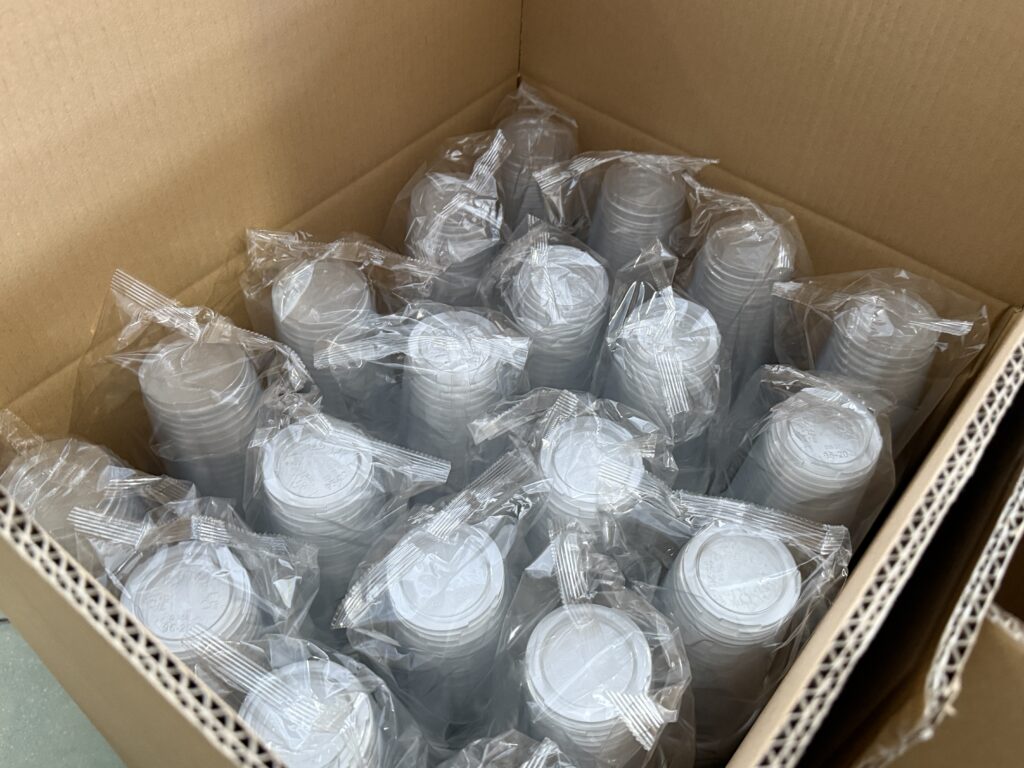
State-level mandates such as California SB 54 and Maine’s recycled-content quotas are tightening the supply of food-grade PCR (Post-Consumer Recycled) materials, raising resin premiums by 15–20% over virgin PET during peak quarters.
Brand owner strategies:
-
Signing multi-year offtake agreements with recyclers.
-
Co-investing in sorting capacity to secure feedstock.
-
Redesigning labels to highlight PCR content, aligning with consumer sustainability awareness.
Technology impact:
-
Extrusion and filtration systems capable of higher PCR processing have seen a 26% increase in orders.
-
Adoption of mono-material flexible laminates compatible with curbside recycling is accelerating.
Cost considerations:
-
EPR fees range from USD 192 per ton for glass to USD 423 per ton for plastics, influencing long-term cost models.
-
Higher resin costs are prompting optimization of packaging design to balance sustainability with profitability.
3. EU Single-Use Plastic Directive
The European Packaging and Packaging Waste Regulation (PPWR) mandates all consumer packaging sold after 2028 must demonstrate recyclability.
Impacts on converters:
-
Companies relying on PET-PE or PA-PE laminates face high redesign costs.
-
Transitioning to mono-material polypropylene (PP) or polyethylene (PE) increases raw-material costs by up to 14%, due to barrier coating upgrades and compatibility testing.
-
Sorting facilities must integrate near-infrared (NIR) sensors, a significant investment for smaller municipalities.
Strategic implications:
-
Companies with global scale and R&D depth can absorb redesign costs more efficiently.
-
Smaller converters risk losing EU shelf space unless they adopt innovative mono-material solutions.
Market response:
-
Adoption of flexible mono-material laminates and recyclable barrier films.
-
Emphasis on design for recyclability without compromising barrier performance.
Market Segmentation
1. By Material Type
| Material Type | 2025 Market Share | Projected CAGR 2026–2031 | Key Drivers |
|---|---|---|---|
| Plastics | 58.55% | 4.92% | Versatility, cost advantage, commercial-scale bio-circular PP, chemically recycled PET |
| Glass | ~10% | 7.12% | Premium beverages, sauces, infinite recyclability claims |
| Paperboard | ~20% | 5.50% | E-commerce growth, corrugated shipping demand |
| Metal | ~5% | 4.00% | Lightweight cans, niche applications in ready meals |
Insights:
-
Plastics dominate due to low cost, flexibility, and lightweight properties.
-
Glass, while smaller in volume, grows faster due to premium beverage demand and sustainability positioning.
-
Paperboard aligns with e-commerce growth and sustainable packaging goals.
-
Metal remains niche, primarily for canned and ready-to-eat meals with high barrier needs.
2. By Packaging Format
| Format | 2025 Share | CAGR 2026–2031 | Benefits |
|---|---|---|---|
| Flexible | 56.10% | 6.18% | Reduced shipping weight, shelf-life extension, retailer sustainability goals |
| Rigid | 43.90% | 4.80% | Product integrity, tamper evidence, premium presentation |
Flexible formats:
-
Includes stand-up pouches, flow wraps, pillow bags.
-
Shipping weight reduced by up to 70% versus rigid packaging.
-
Supports sustainability targets for retailers and brands.
Rigid formats:
-
Rigid plastics, glass jars, metal cans.
-
Still essential for integrity, tamper evidence, and premium positioning.
-
Innovations like in-mould labeling allow 360-degree graphics without post-application.
3. By Application
| Application | Key Packaging Needs | Growth Drivers |
|---|---|---|
| Dairy | Shelf-life extension, MAP | Refrigerated distribution, convenience packaging |
| Meat | Barrier packaging, vacuum sealing | Food safety, extended shelf life |
| Produce | Breathable films, minimal packaging | Freshness, reduced waste |
| Bakery | Transparent trays, flexible pouches | Portability, portion control |
| Seafood | High-barrier retort pouches | Ready-to-eat demand, preservation |
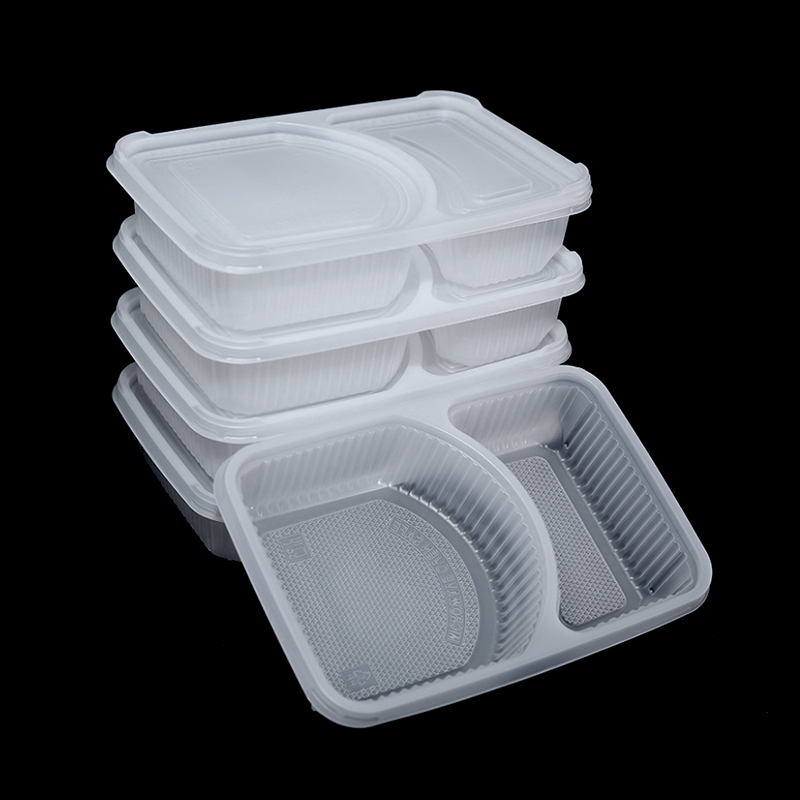
| Ready Meals | Multi-compartment trays, vacuum | On-the-go convenience, shelf-life |
| Frozen | Rigid plastics, film wraps | Cold-chain distribution, durability |
4. Geographic Analysis
| Region | 2025 Revenue Share | CAGR 2026–2031 | Key Insights |
|---|---|---|---|
| Asia-Pacific | 40.85% | 8.22% | Rising incomes, cold-chain expansion, convenience retail, lightweight flexible packaging adoption |
| North America | 2nd by value | Mid-single-digit | Mature packaged food market, PCR leadership, plant-based trials, chemical recycling pilots |
| Europe | ~30% | 4–5% | PPWR compliance, premium sustainable packs, digital watermarking adoption |
| MEA | ~5% | 5% | Emerging market growth, import reliance |
| South America | ~5% | 5–6% | Export-driven agriculture, investment in recycling infrastructure |
Asia-Pacific Highlights:
-
China’s polymer market scale drives demand for PET, PP, and flexible formats.
-
India’s government incentives for food parks stimulate domestic carton, pouch, and rigid PET consumption.
-
Southeast Asia rapidly adopts lightweight flexible packaging to offset rising freight costs.
North America Highlights:
-
United States leads in plant-based packaging trials and chemical recycling pilot programs.
-
Canada incentivizes recycling infrastructure through tax credits.
-
Mexico leverages proximity to US retailers to attract joint-venture converters.
Europe Highlights:
-
Germany, UK, and France dominate production volume.
-
Italy leads in compostable tray design.
-
Eastern Europe attracts investments from Western European converters seeking cost efficiency.
Technological Trends
-
Modified Atmosphere Packaging (MAP): Extends shelf life, particularly for fresh produce and meat.
-
Vacuum Packaging: Ensures food safety and longer durability.
-
Hot-Fill Techniques: Suitable for sauces, juices, and beverages requiring sterilization.
-
In-Mould Labeling: Offers 360-degree branding without post-application steps.
-
Digital Watermarking: Facilitates waste sorting in recycling programs, adopted primarily in Europe.
Summary
The global food packaging market is poised for steady growth from USD 400.08 billion in 2026 to USD 515.06 billion by 2031, at a CAGR of 5.18%. This growth is underpinned by several key drivers:
-
Urbanization and Changing Consumer Behavior – Rapid urban migration, especially in Asia-Pacific, is increasing demand for single-serve and portion-controlled packaging. Convenience and portability are now essential for young consumers, driving the adoption of flexible, resealable, and thermoformed formats.
-
Regulatory and Sustainability Pressures – North America and Europe are leading in recycled content mandates and recyclability regulations, pushing companies to adopt PCR materials, mono-material packaging, and high-barrier films.
-
Technological Innovation – Advanced packaging technologies such as MAP, vacuum packaging, hot-fill, in-mould labeling, and digital watermarking are enhancing shelf-life, food safety, and brand storytelling, while supporting sustainability and regulatory compliance.
-
Material Trends – Plastics dominate the market due to versatility and cost advantages, while glass grows faster in premium segments. Paperboard aligns with e-commerce and sustainability trends, and metals remain niche but important for canned and ready-to-eat meals. Flexible formats are increasingly preferred over rigid options due to weight reduction and logistics efficiency.
-
Regional Insights – Asia-Pacific leads growth with strong urban convenience retail expansion and cold-chain investment. North America remains influential due to regulatory leadership and innovation in plant-based and chemical recycling materials. Europe continues to focus on premium sustainable packaging, compostable trays, and digital recycling technologies.
-
Market Opportunities – Ready-to-eat meals, high-barrier seafood packaging, and e-commerce-oriented flexible formats offer strong potential. Companies investing in sustainability, technological innovation, and flexible packaging design are best positioned to capture market share.
In conclusion, the food packaging industry is evolving rapidly under the dual pressures of consumer demand for convenience and regulatory focus on sustainability. Companies that combine innovation, sustainability, and operational efficiency are likely to lead in this dynamic market through 2031.
Frequently Asked Questions (FAQ)
1. What is driving global food packaging growth?
Urbanization, convenience retail expansion, sustainability regulations, and technological innovation.
2. Which materials dominate the market?
Plastics lead, followed by glass, paperboard, and metals. Flexible packaging grows faster than rigid options.
3. How are sustainability regulations affecting design?
North America’s PCR mandates and Europe’s PPWR encourage recyclable, mono-material packaging.
4. What trends are emerging in Asia-Pacific?
Urbanization, convenience stores, cold-chain expansion, and lightweight, single-serve flexible packaging.
5. How does flexible packaging support sustainability?
Reduces shipping weight, carbon footprint, and aligns with retailer sustainability targets.
6. What challenges do European companies face?
High redesign costs, NIR sorting sensor investments, and potential loss of shelf space to competitors.
7. Which technologies are influencing the market?
MAP, vacuum packaging, hot-fill, in-mould labeling, and digital watermarking.
8. What is the outlook for high-barrier packaging?
Growing demand for ready-to-eat meals and seafood in Asia and Europe is driving adoption of high-barrier films and retort pouches.
References
-
Global Information. Food Packaging: Market Share Analysis, Industry Trends and Statistics, Growth Forecast (2026–2031). https://www.gii.co.jp/report/moi1910637-food-packaging-market-share-analysis-industry.html
-
Mordor Intelligence. Food Packaging Market – Growth, Trends, COVID-19 Impact, and Forecasts (2026–2031). https://www.mordorintelligence.com/industry-reports/food-packaging-market
-
California Legislative Information. SB 54: Plastic Pollution Reduction Act. https://leginfo.legislature.ca.gov
Copyright Statement
© 2026 Dashan Packing. All rights reserved.
This article is an original work created by the Dashan Packing editorial team.
All text, data, and images are the result of our independent research, industry experience,
and product development insights. Reproduction or redistribution of any part of this content
without written permission is strictly prohibited.
Dashan Packing is committed to providing accurate, evidence-based information and
to upholding transparency, originality, and compliance with global intellectual property standards.