

Quick Summary
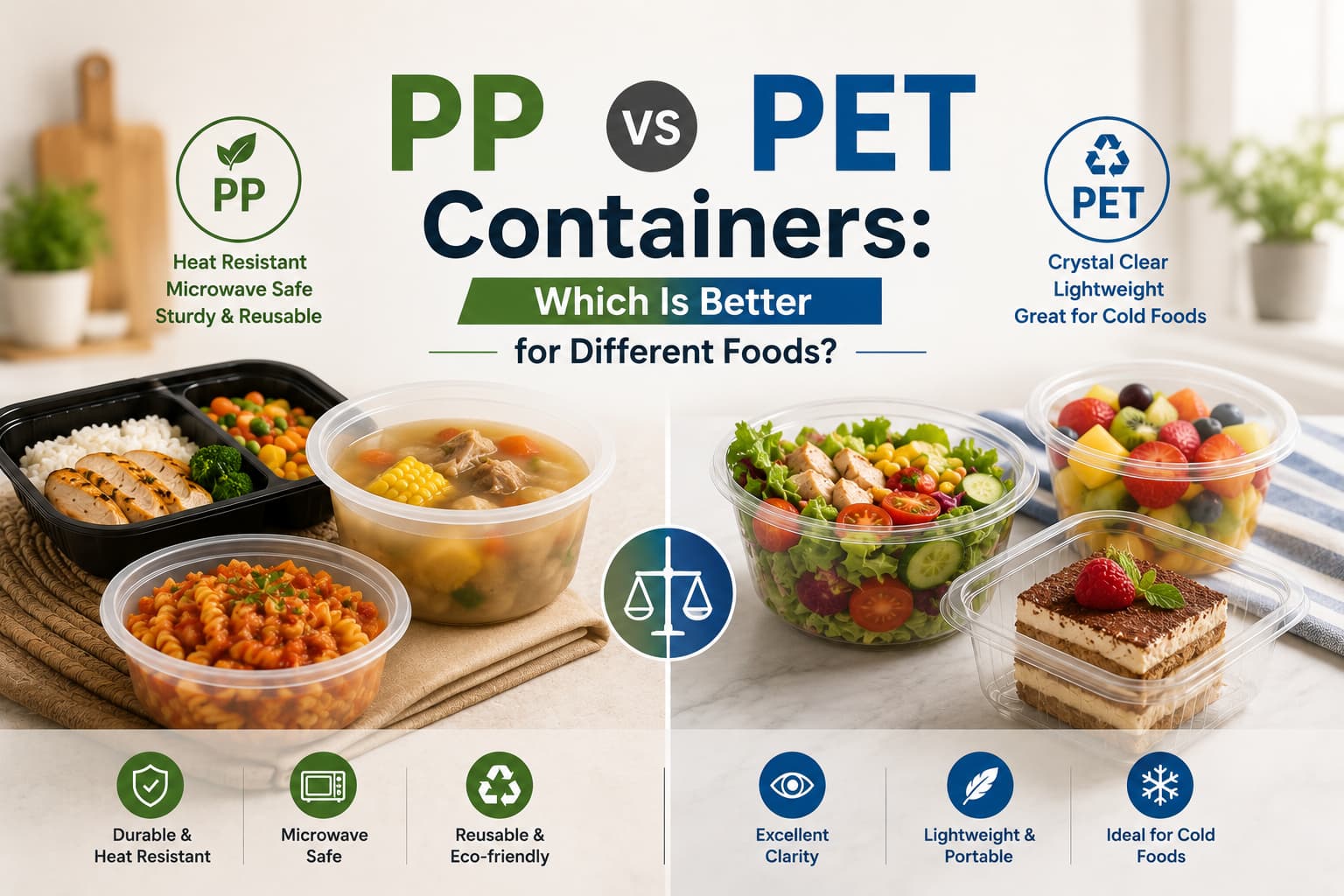
PP and PET are both essential food packaging materials, but they are designed for different applications. PP excels in heat resistance, durability, microwave compatibility, and transportation performance, making it ideal for hot meals, meal-prep programs, and food delivery. PET excels in transparency, shelf presentation, and product visibility, making it a strong choice for salads, fresh fruits, berries, desserts, and other grab-and-go foods. Rather than treating PP and PET as competing materials, food businesses should select the material that best matches the specific food category, consumer expectations, and operational requirements.
Introduction
Polypropylene (PP) and polyethylene terephthalate (PET) are two of the most widely used materials in food packaging. Walk through a supermarket, convenience store, airport lounge, or food delivery operation, and you will likely encounter both materials within minutes.
Despite their popularity, businesses often ask a simple question:
Which is better—PP or PET?
The answer depends entirely on the food being packaged.
A container that performs perfectly for a hot rice meal may be unsuitable for a fresh salad. Likewise, packaging that showcases berries beautifully on a retail shelf may struggle to handle microwave reheating.
Rather than viewing PP and PET as competing materials, food manufacturers and foodservice operators should understand how each material supports different food categories and consumer expectations.
This article examines the strengths of both materials and explains which foods are best suited for PP or PET packaging.
Understanding the Core Differences Between PP and PET
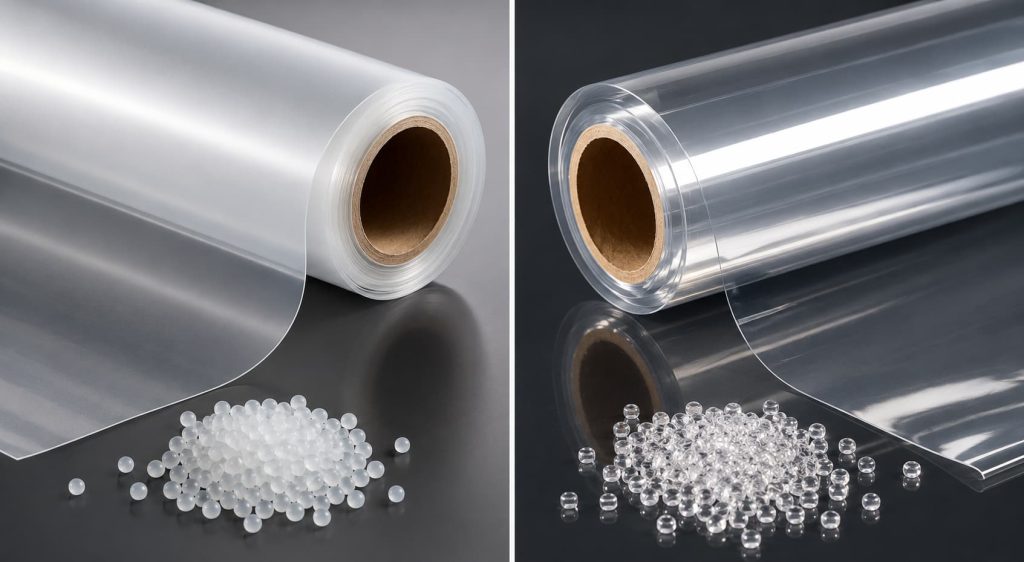
Before comparing applications, it is important to understand the fundamental characteristics of each material.
PP (Polypropylene)
PP is known for:
- High heat resistance
- Good durability
- Microwave compatibility
- Lightweight construction
- Strong chemical resistance
These characteristics make PP a common choice for prepared foods, takeaway meals, and food delivery applications.
PET (Polyethylene Terephthalate)
PET is known for:
- Excellent transparency
- High product visibility
- Attractive shelf presentation
- Lightweight performance
- Strong impact resistance
PET is frequently used for fresh foods where appearance strongly influences purchasing decisions.
Quick Comparison
| Feature | PP | PET |
|---|---|---|
| Transparency | Good | Excellent |
| Heat Resistance | Excellent | Limited |
| Microwave Safe | Yes | Generally No |
| Product Visibility | Good | Excellent |
| Hot Food Applications | Excellent | Limited |
| Fresh Food Applications | Good | Excellent |
| Delivery Performance | Excellent | Good |
| Recyclability | Widely Recyclable | Widely Recyclable |
The table highlights an important point: neither material is universally superior. Each excels in different situations.
Hot Meals: PP Is Usually the Better Choice
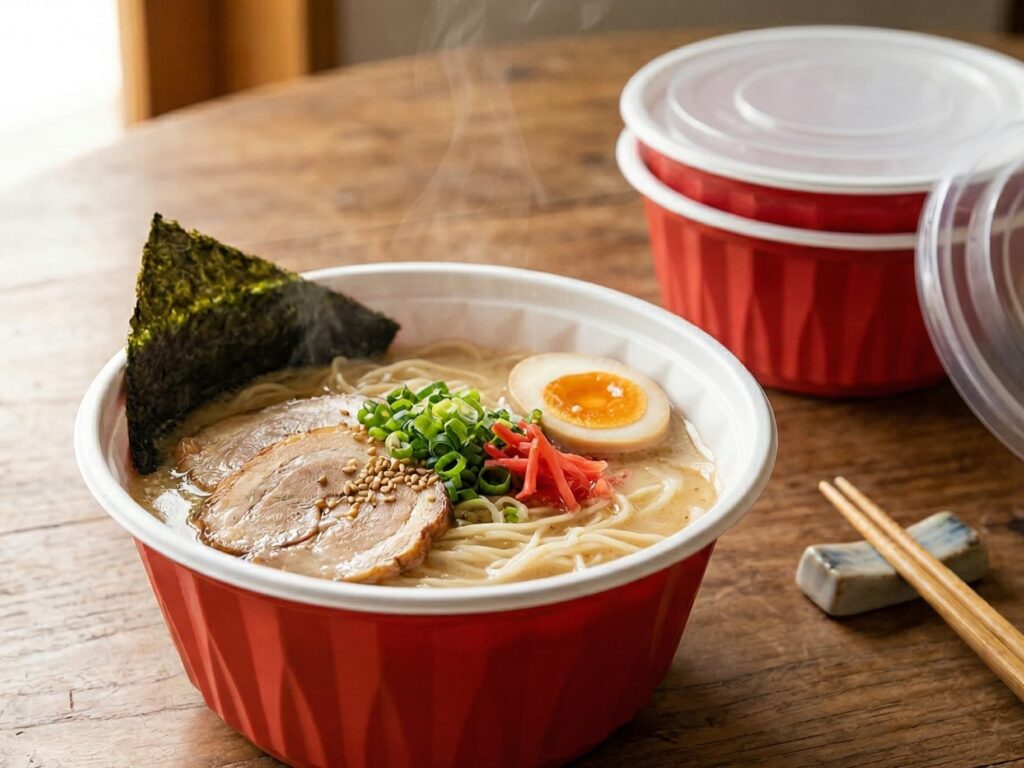
Hot meals place unique demands on packaging.
Containers must withstand elevated temperatures, resist deformation, manage steam, and maintain structural stability during transportation.
These requirements favor PP.
Common PP Applications
PP is widely used for:
- Rice meals
- Noodle dishes
- Curry meals
- Stir-fried foods
- Airline meals
- Ready-to-eat meals
Many prepared foods are packaged, transported, stored, and reheated in the same container. PP’s heat resistance allows it to perform effectively throughout this process.
Why PP Performs Better for Hot Foods
PP offers:
- Higher temperature tolerance
- Better resistance to warping
- Microwave compatibility
- Strong structural integrity
For foodservice businesses, these advantages reduce packaging failures and improve customer convenience.
Fresh Salads: PET Often Delivers Better Results
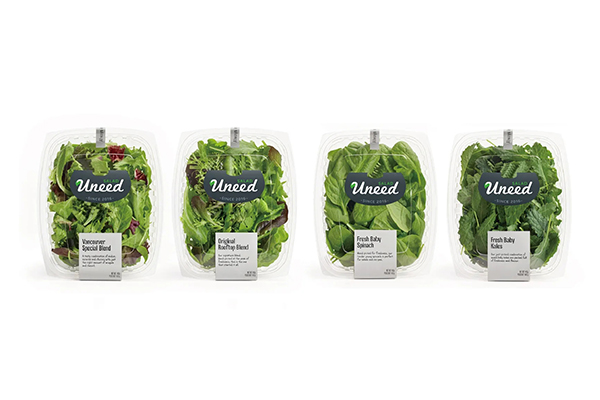
Unlike hot foods, salads are typically purchased based on appearance.
Consumers want to see fresh ingredients, vibrant colors, and product quality before making a purchase.
This is where PET excels.
Why Visibility Matters
Fresh vegetables lose much of their visual appeal when hidden behind opaque packaging.
PET’s crystal-clear appearance allows consumers to inspect:
- Lettuce quality
- Vegetable freshness
- Ingredient variety
- Portion size
As a result, PET has become a preferred material for many retail salad programs.
Common PET Salad Packaging
Examples include:
- Salad bowls
- Clamshell containers
- Grab-and-go salad boxes
- Tamper-evident salad containers
For retailers, improved product visibility often translates into stronger shelf performance.
Fresh Fruits and Berries: PET Has a Clear Advantage
Few food categories rely on visual merchandising more than fresh produce.
Consumers naturally evaluate fruit quality by observing color, texture, and freshness.
Packaging that blocks visibility can reduce purchasing confidence.
Why PET Is Widely Used for Produce
PET containers allow shoppers to inspect products before purchase.
This is particularly important for:
- Strawberries
- Blueberries
- Raspberries
- Grapes
- Cherry tomatoes
- Cut fruit
Retailers often prefer PET because it helps products stand out while maintaining visibility throughout the supply chain.
The Role of Transparency
When consumers can clearly see the product, they are more likely to trust its freshness.
This is one reason transparent PET berry containers have become standard across many global retail markets.
Meal Prep Programs: PP Offers Greater Flexibility
The growth of meal-prep services has created new packaging requirements.
Many consumers purchase meals several days in advance and expect convenient storage and reheating options.
These expectations align closely with PP’s strengths.
Typical Meal Prep Workflow
A consumer may:
- Purchase a prepared meal.
- Refrigerate it for several days.
- Reheat it in a microwave.
- Eat directly from the container.
PP supports each stage of this process.
Why PP Works Well
PP containers provide:
- Microwave safety
- Strong durability
- Multi-compartment options
- Reliable sealing systems
For meal-prep businesses, these characteristics make PP one of the most practical packaging solutions available.
Desserts and Cold Foods: PET Often Creates Stronger Shelf Appeal
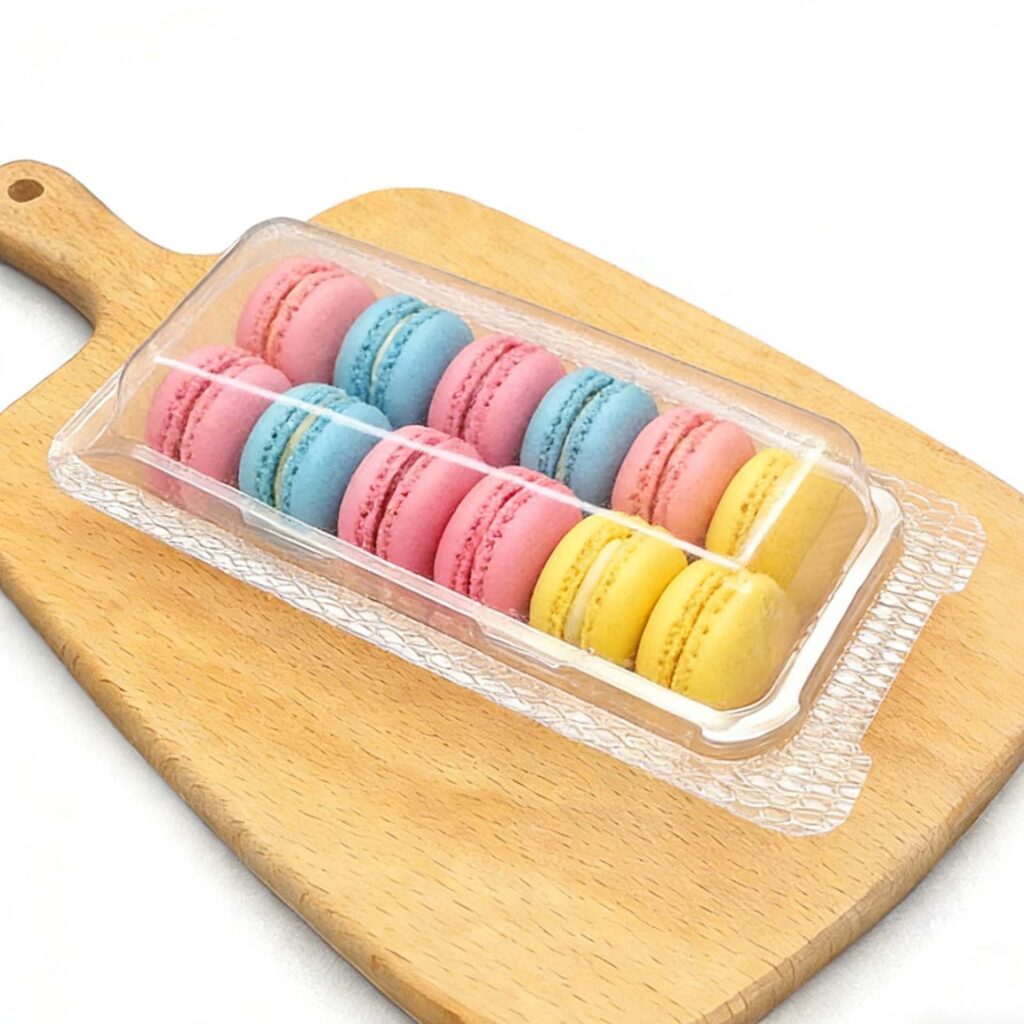
Many desserts are impulse purchases.
In these situations, visual presentation can be as important as product quality.
PET’s clarity helps showcase food in an attractive way.
Common PET Dessert Applications
- Cakes
- Cheesecakes
- Fruit parfaits
- Yogurt products
- Puddings
- Fresh fruit desserts
Consumers can immediately view layers, colors, textures, and toppings.
This visibility often enhances perceived value and encourages purchasing decisions.
Packaging as a Marketing Tool
For cold desserts, packaging does more than protect food.
It also functions as part of the product presentation.
PET’s transparency makes it particularly effective in this role.
Food Delivery: PP Usually Handles Transportation Better
The expansion of food delivery platforms has increased demand for durable packaging.
Meals may travel for 20 to 60 minutes or longer before reaching the customer.
During this time, containers experience:
- Stacking pressure
- Vehicle movement
- Temperature fluctuations
- Frequent handling
Packaging failures can result in leakage, damaged food, and poor customer experiences.
Why PP Performs Well in Delivery Applications
PP provides:
- Strong structural stability
- Secure lid compatibility
- Good leak resistance
- Heat retention support
- Durability during transportation
For hot meals, PP generally offers greater reliability than PET.
This explains why many delivery-focused food businesses continue to rely heavily on PP packaging.
Convenience Store Foods Often Use Both Materials
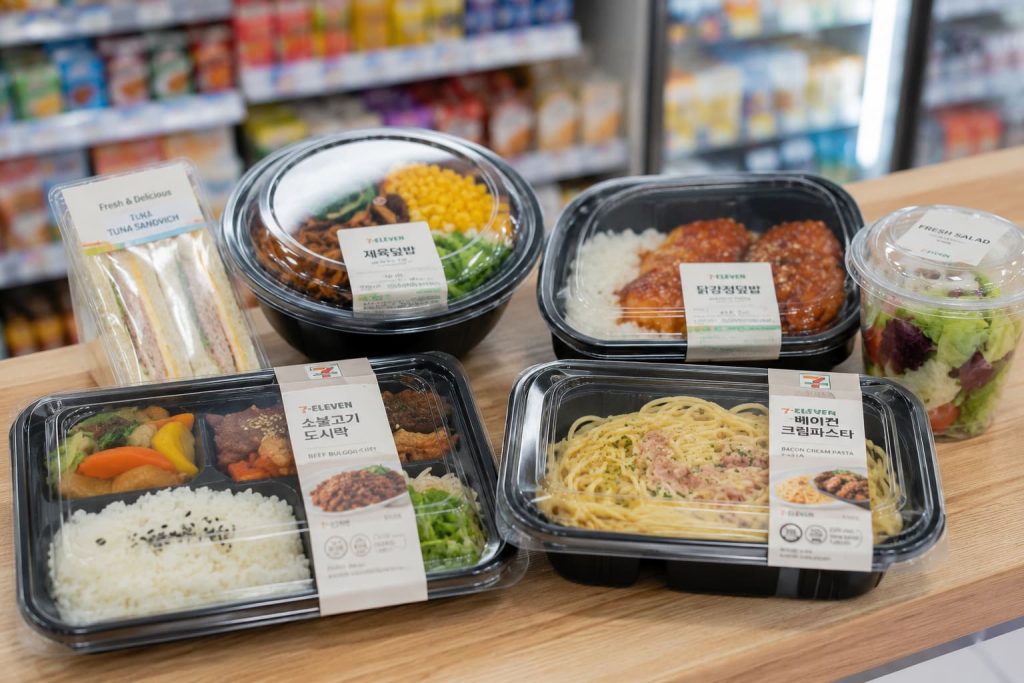
Convenience stores offer an interesting example because they frequently utilize both PP and PET packaging.
Each material serves a different purpose.
PP Applications
Common PP products include:
- Microwaveable meals
- Rice dishes
- Pasta meals
- Hot snacks
- Ready-to-heat foods
PET Applications
Common PET products include:
- Fresh salads
- Sandwiches
- Cut fruit
- Cold desserts
- Snack packs
Rather than choosing one material exclusively, retailers often combine both to optimize performance across different food categories.
Sustainability Considerations
Many businesses evaluating packaging today are also considering sustainability goals.
Both PP and PET can contribute to these objectives when supported by appropriate waste-management systems.
Recyclability
Both materials are recyclable in many regions.
However, actual recycling outcomes depend on:
- Local collection systems
- Sorting infrastructure
- Consumer behavior
- Regional regulations
Infrastructure Matters More Than Material Alone
A recyclable package only delivers environmental benefits if it is collected and processed properly.
For this reason, businesses should evaluate local recycling capabilities alongside material selection.
The most sustainable packaging choice often depends on the specific market where the product is sold.
How DASHAN Supports Both PP and PET Packaging Programs
Because food applications vary significantly, many businesses require access to multiple packaging solutions.
DASHAN supports both PP and PET packaging programs across a wide range of food categories.
PP Packaging Solutions
DASHAN’s PP product range includes:
- Meal containers
- Microwaveable food boxes
- Foodservice bowls
- Airline catering trays
- Dual-color PP cups
These products are designed for applications where heat resistance, durability, and transportation performance are priorities.
PET Packaging Solutions
DASHAN’s PET portfolio includes:
- Salad containers
- Berry packaging
- Fruit containers
- Dessert packaging
- Tamper-evident containers
These solutions help businesses maximize product visibility and shelf appeal.
Selecting the Right Material
Rather than promoting one material over another, successful packaging programs begin by understanding the food itself.
The best packaging solution is the one that supports product quality, operational efficiency, consumer expectations, and regulatory requirements.
PP or PET? The Best Choice Depends on the Food
The comparison becomes much simpler when viewed through the lens of food application.
| Food Category | Recommended Material |
|---|---|
| Hot meals | PP |
| Rice dishes | PP |
| Noodle meals | PP |
| Meal prep programs | PP |
| Food delivery meals | PP |
| Airline catering meals | PP |
| Fresh salads | PET |
| Fresh fruits | PET |
| Berries | PET |
| Cold desserts | PET |
| Grab-and-go snacks | PET |
| Sandwiches | PET |
The objective is not to determine a universal winner but to identify the best fit for each product category.
FAQ
1. Is PP or PET better for hot food?
PP is generally the better choice for hot foods because it offers higher heat resistance, better structural stability, and microwave compatibility. It is widely used for rice meals, noodles, curries, soups, and prepared meals.
2. Why is PET commonly used for salads and fresh fruits?
PET provides excellent transparency, allowing consumers to see ingredient quality, freshness, and portion size before purchase. This visibility is especially valuable for salads, berries, cut fruit, desserts, and other fresh foods where appearance strongly influences buying decisions.
3. Can PET containers be microwaved?
PET containers are generally not recommended for microwave reheating. For foods that will be reheated in a microwave, PP containers are usually the more suitable option.
4. Which material performs better for food delivery?
For hot meal delivery, PP usually performs better because of its durability, leak resistance, and ability to maintain structural integrity during transportation. PET remains effective for cold foods and fresh products that benefit from high visibility.
5. Are PP and PET both recyclable?
Yes. Both PP and PET are recyclable in many markets. However, actual recycling outcomes depend on local collection systems, sorting infrastructure, consumer behavior, and regional regulations.
Conclusion
PP and PET are both essential materials in modern food packaging, yet they serve different functions.
PP excels in applications requiring heat resistance, durability, microwave compatibility, and transportation performance. This makes it ideal for hot meals, meal-prep programs, and food delivery.
PET excels in transparency, product visibility, and shelf presentation. These characteristics make it particularly effective for salads, fruits, berries, desserts, and other fresh foods.
For food manufacturers, retailers, and foodservice operators, the most successful packaging strategy is rarely about choosing PP or PET exclusively. Instead, it involves selecting the material that best supports the specific food product, consumer expectations, operational requirements, and long-term business goals.
As food markets continue to evolve, both PP and PET will remain important packaging solutions, each serving distinct but complementary roles within the global food industry.
References
-
U.S. Food and Drug Administration (FDA) – Food Ingredients & Packaging: https://www.fda.gov/food/food-ingredients-packaging
-
European Food Safety Authority (EFSA) – Food Contact Materials: https://www.efsa.europa.eu/en/topics/topic/food-contact-materials
-
Association of Plastic Recyclers (APR): https://plasticsrecycling.org
-
World Packaging Organisation (WPO): https://www.worldpackaging.org
-
PMMI – Packaging Industry Research and Business Intelligence: https://www.pmmi.org/business-intelligence
-
British Plastics Federation – Polypropylene (PP) Information: https://www.bpf.co.uk/plastipedia/polymers/PP.aspx
-
PET Resin Association – PET Packaging Information: https://www.petresin.org
Copyright Statement
© 2026 Dashan Packing. All rights reserved.
This article is an original publication by the Dashan Packing team based on industry research, market analysis, and packaging expertise. Unauthorized reproduction, distribution, or copying of this content is prohibited without prior written permission.
Dashan Packing is committed to delivering reliable, original, and professional information for the global food packaging industry.