

Introduction
When choosing disposable dinnerware, businesses often face a common dilemma: PP plates (polypropylene) or paper plates? Both options dominate the food packaging industry, but their performance, cost, and environmental impact vary significantly. Restaurants, catering services, and food manufacturers need to understand these differences to make the best choice for their operations and customers.
In this article, we’ll break down the key comparisons, share real-world insights, and explain why DASHAN’s PP plates stand out as a reliable, eco-friendly solution for modern foodservice needs.
Durability and Performance
PP Plates: Strong and Reliable
-
Resistant to cracking, bending, and leaking.
-
Ideal for hot meals, oily foods, and liquid-based dishes.
-
Can maintain structural integrity under stress.
Example: DASHAN’s 10-inch PP Dinner plate (22g) is strong enough for buffet catering and outdoor events, preventing spills and ensuring customer satisfaction.
Paper Plates: Limited Strength
-
Suitable for lightweight, dry foods.
-
Easily lose shape with oily or hot meals.
-
Often require a wax or plastic coating, reducing recyclability.
Food Safety and Hygiene
PP Plates: Food-Grade Assurance
-
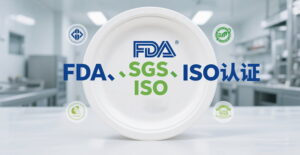
BPA-free, non-toxic, and compliant with FDA, SGS, LFGB, and ISO standards.
-
Withstands both hot and cold foods without chemical migration.
-
DASHAN’s PP products undergo strict quality control and are certified for global exports.
Paper Plates: Coating Concerns
-
Most paper plates require plastic or wax coating to prevent leaks.
-
Coatings may affect recyclability and sometimes leach chemicals under high heat.
-
Not always suitable for microwave or oven use.
Cost-Effectiveness
-
PP Plates: Though slightly higher in unit cost, their durability reduces waste and replacements. Businesses save in the long run.
-
Paper Plates: Lower upfront cost, but higher risk of food accidents (breakage, leaks) that can harm brand image.
Case Example: A catering company switched to DASHAN’s 9-inch PP Dinner plates and reduced complaints about food spillage by 40%, offsetting cost differences with higher customer satisfaction.
Environmental Impact
PP Plates: Recyclable and Sustainable Options
-
100% recyclable and part of the circular economy.
-
DASHAN offers eco-friendly solutions like rPET, PLA, cornstarch, and bagasse to support sustainability goals.
-
Longer lifecycle compared to single-use paper plates.
Paper Plates: Misconceptions About “Eco-Friendly”
-
Often marketed as green but coated plates are hard to recycle.
-
Production involves deforestation and high water consumption.
-
Biodegradability depends on conditions, and industrial composting may be required.
Expert Insights and Market Trends
-
According to Statista (2024), global demand for durable and sustainable food packaging is projected to grow by 5.2% annually.
-
Experts from Packaging World emphasize that businesses are shifting to multi-functional packaging (like PP plates) that balances cost, safety, and eco-compliance.
-
Case study: Supermarkets in Europe now favor recyclable PP Dinner plates over coated paper plates to meet EU environmental regulations.
Frequently Asked Questions (FAQ)
Q1: Are PP plates safe for hot food?
Yes, PP plates are heat-resistant and maintain their integrity with hot dishes.
Q2: Can paper plates be recycled?
Only uncoated paper plates are recyclable. Most coated paper plates end up in landfills.
Q3: Are PP plates environmentally friendly?
Yes, PP is fully recyclable, and DASHAN also offers bio-based alternatives.
Q4: Which is more cost-effective for catering?
PP plates provide better value long-term due to reduced waste and durability.
Q5: Can PP plates be customized?
Yes, DASHAN provides OEM/ODM customization, including branding and logo printing.
Conclusion
While both PP and paper plates serve the disposable dinnerware market, PP plates clearly outperform in terms of durability, safety, and sustainability. For businesses that prioritize customer satisfaction, brand reputation, and long-term cost savings, PP plates are the smarter choice.
At DASHAN, we specialize in manufacturing eco-friendly PP plates and food packaging solutions, backed by international certifications and over 10 years of expertise.
👉 Learn more about us on our Company Profile or contact us today to explore custom packaging solutions tailored to your business.
References
-
Statista, Global Food Packaging Market Forecast 2024–2030, Statista.com
-
Packaging World, Trends in Foodservice Packaging, PackagingWorld.com
-
FDA, Food Contact Materials Regulations, FDA.gov
-
SGS, Food Packaging Testing Standards, SGS.com
-
ISO, Food Packaging Safety Certifications, ISO.org
-
ScienceDirect, Recycling Polypropylene in Food Packaging, ScienceDirect.com
-
European Commission, Packaging and Packaging Waste Directive, ec.europa.eu
-
EcoWatch, The Truth About Paper Plate Recycling, EcoWatch.com
-
Dashan Packing, Company Profile, DashanPacking.com
-
ASTM International, Standards for Food Packaging Materials, ASTM.org