

In recent years, the global shift toward eco-conscious living has led many people to rethink single-use plastics. Plant-based cutlery has emerged as a practical, environmentally friendly alternative. Designed for takeout, catering, events, and daily meals, these utensils provide convenience while significantly reducing environmental impact. From casual picnics to large-scale catering, plant-based disposable cutlery is increasingly becoming the preferred choice for those committed to sustainable living.
This article explores the materials, benefits, scientific insights, and practical applications of plant-based cutlery, helping consumers and businesses make informed, eco-conscious decisions.
Materials Behind Plant-Based Cutlery
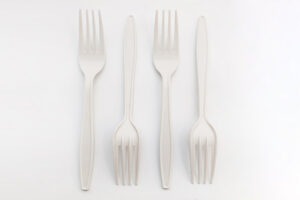
Plant-based cutlery is made from renewable, plant-derived resources instead of petroleum-based plastics. These materials are designed to be compostable or biodegradable while maintaining the strength and usability of conventional utensils.
Key Types
-
PLA (Polylactic Acid) Cutlery: Derived from fermented corn sugars, suitable for cold or room-temperature foods.
-
CPLA (Crystallized PLA) Cutlery: Heat-treated PLA that is industrially compostable, sturdy, and able to handle hot foods.
-
Plant Starch Cutlery (PSC): Made from corn, potato, or tapioca starch, sometimes blended with biodegradable polymers; strong but may not fully compost.
-
Bamboo Utensils: Reusable and home-compostable, often compared with disposable plant-based cutlery.
Material Comparison
| Material | Compostable | Heat Tolerance | Durability | Ideal Use |
|---|---|---|---|---|
| PLA | Industrial | ~40°C / 104°F | Medium | Cold foods, picnics |
| CPLA | Certified Industrial | ~90°C / 194°F | High | Hot meals, catering |
| PSC | Limited | ~100°C / 212°F | Very High | Heavy-duty meals |
| Bamboo | Home | Reusable | Reusable | Eco-friendly dining sets |
This comparison helps users select the right material based on meal type, temperature, and disposal method.
Advantages of Plant-Based Cutlery
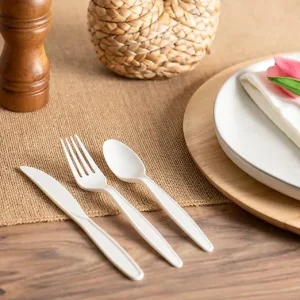
Environmental Impact
-
Compostable: Most utensils biodegrade in industrial composting facilities within 3–6 months.
-
Renewable: Made from plant starches, reducing dependence on fossil fuels.
-
Certified Eco-Friendly: Look for BPI, OK Compost, or TÜV Austria certifications for safe end-of-life processing.
Practical Benefits
-
Heat-Resistant Options: CPLA and PSC can withstand hot foods; PLA is ideal for cold dishes.
-
Durable & Sturdy: Provides reliable performance for everyday use, catering, and takeout.
-
Stylish & Presentable: Enhances the dining experience, suitable for both casual and formal settings.
Real-World Applications
Plant-based cutlery has proven versatile across multiple settings:
-
Restaurants & Cafés: Supports sustainability initiatives and meets customer expectations for eco-friendly dining.
-
Catering & Events: Biodegradable utensils simplify cleanup while reducing waste at large gatherings.
-
Educational Institutions: Schools and universities integrate plant-based utensils with composting programs for environmental education.
-
Takeaway & Delivery: Provides convenient, eco-friendly packaging that protects food quality.
Case Studies
-
Eco-Friendly Cafés in Germany
A chain of cafés in Berlin replaced all plastic cutlery with certified CPLA utensils across 12 locations.
-
Achieved a 35% reduction in single-use plastic waste within six months.
-
Customers reported higher satisfaction and appreciation for sustainable practices.
-
Cafés promoted the initiative on social media, increasing engagement and foot traffic.
-
Corporate Catering in Singapore
A multinational company adopted plant-based disposable cutlery for all office events and employee meal programs.
-
Reduced catering-related plastic waste by 40% annually.
-
Enabled easy composting through partnership with industrial composting facilities.
-
Encouraged employees to participate in sustainability workshops and zero-waste initiatives.
-
Outdoor Food Festivals in Canada
A regional food festival switched from conventional plastics to plant starch and CPLA cutlery.
-
Over 10,000 utensils were composted on-site, generating organic compost for local community gardens.
-
Festival organizers noted a 20% increase in attendee satisfaction, with many praising the eco-conscious approach.
-
Inspired neighboring festivals to adopt similar plant-based solutions the following year.

Scientific Insights
Studies demonstrate the effectiveness of plant-based cutlery compared to traditional plastics:
-
Compostability: PLA and CPLA decompose fully in industrial facilities within 12–16 weeks, while plastic can persist for years.
-
Reduced Carbon Emissions: Manufacturing plant-based cutlery produces up to 60% less CO₂ compared to conventional plastics.
-
Environmental Safety: Proper disposal ensures no harmful residues enter the soil or water system.
Choosing the Right Cutlery
Selecting the appropriate plant-based utensil depends on intended use:
-
Personal Use: Picnics or small gatherings may use PLA cutlery, especially if home composting is available.
-
Business Use: Restaurants and cafés benefit from certified compostable cutlery that withstands hot and cold foods.
-
Events & Catering: CPLA or PSC sets offer durability for weddings, corporate functions, and outdoor festivals. Coordination with composting facilities ensures proper disposal.
Conclusion
Plant-based cutlery is more than a green alternative—it’s a functional, scalable solution to the plastic crisis. Whether made from PLA, CPLA, or plant starch blends, these utensils are biodegradable, compostable, and versatile.
Using plant-based cutlery helps reduce waste, lower emissions, and promote a zero-waste lifestyle. From casual picnics to large-scale catering, choosing sustainable disposable utensils represents a practical, responsible step toward a cleaner, greener future.
Frequently Asked Questions (FAQ)
Q1: Is plant-based cutlery really biodegradable?
Yes, most PLA and CPLA utensils decompose fully in industrial composting facilities within 90–180 days. Home composting may vary by certification.
Q2: Can it handle hot foods?
CPLA and PSC cutlery can withstand high temperatures (90–100°C), suitable for soups and hot dishes. PLA is best for cold or room-temperature meals.
Q3: How does it compare with bamboo utensils?
Bamboo is reusable and home-compostable; plant-based cutlery is generally single-use but industrially compostable.
Q4: Is it recyclable?
No. Plant-based cutlery should be composted in industrial facilities rather than placed in curbside recycling.
Q5: Where can it be purchased?
Available online, via wholesale suppliers, and through vendors offering branded compostable sets for restaurants and events.
References
-
OMAR LLC – The Benefits of Compostable Cutlery: A Greener Choice for the Environment
Discusses the environmental benefits and consumer demand for compostable cutlery.
https://www.omarllc.com/the-benefits-of-compostable-cutlery-a-greener-choice-for-the-environment/ -
Sontex – Benefits of Plant-Based Cutlery for Fast Food Cutlery
Explores the advantages of plant-based cutlery in the fast food industry.
https://www.sontexchina.com/news/benefits-of-plant-based-cutlery-for-fast-food-cutlery-a-sustainable-revolution.html
Copyright Statement
© 2025 Dashan Packing. All rights reserved.
This article is an original work created by the Dashan Packing editorial team.
All text, data, and images are the result of our independent research, industry experience,
and product development insights. Reproduction or redistribution of any part of this content
without written permission is strictly prohibited.
Dashan Packing is committed to providing accurate, evidence-based information and
to upholding transparency, originality, and compliance with global intellectual property standards.