

Quick Answer
When comparing PET vs PP food packaging, the choice depends entirely on your specific food application.
-
Choose PP (Polypropylene) plastic if your menu consists of hot foods, soups, greasy dishes, or meals that require microwave reheating. It safely withstands temperatures up to 120°C (248°F).
-
Choose PET (Polyethylene Terephthalate) plastic if you sell cold foods, salads, fresh produce, or bakery items where crystal-clear visual presentation is critical for sales.
- Need a direct quote for bulk orders? [👉 Contact our export team here]
Why This Packaging Choice Matters for Your Bottom Line
In the booming food delivery and grab-and-go markets, your packaging is just as important as your ingredients. Choosing the wrong plastic material isn’t just a minor operational error—it directly impacts your brand reputation and bottom line.
If you pack boiling hot soup in a PET container, the plastic will warp and melt during transit, resulting in angry customer reviews, refunded orders, and potential safety hazards. Conversely, if you pack a vibrant, premium fruit salad in a cloudy PP container, it looks dull and less appetizing on the supermarket shelf, significantly lowering its perceived value and reducing impulse buys. Understanding the fundamental differences between PET and PP allows procurement managers to balance food safety, visual appeal, and cost-efficiency.

Comparison Table: PET vs. PP Technical Specs
Here is a comprehensive breakdown of both materials to help you make the right choice at a glance.
| Feature / Specification | PET (Polyethylene Terephthalate) | PP (Polypropylene) |
| Recycling Code | #1 (Most widely recycled) | #5 (Widely accepted) |
| Max Heat Resistance | Up to 60°C (140°F) | Up to 120°C (248°F) |
| Cold Resistance | Excellent (Deep freeze safe, -20°C) | Good (Fridge & Freezer safe) |
| Microwave Safe? | ❌ No (Will warp and melt) | ✅ Yes (Completely safe) |
| Visual Clarity | Crystal Clear (Glass-like transparency) | Translucent (Slightly milky/hazy) |
| Flexibility & Toughness | Rigid, strong, but can crack under high impact | Highly flexible, extremely crack-resistant |
| Oxygen & Moisture Barrier | Excellent (Keeps food fresh longer) | Moderate (Good moisture, lower oxygen barrier) |
| Best Menu Applications | Salads, sushi, deli meats, cold desserts | Soups, curries, pasta, hot meal prep |
Deep Dive: PP Packaging (Polypropylene) – The King of Hot Food
PP (Polypropylene) is the workhorse of the takeout industry and the undisputed champion for hot food delivery.
Superior Heat Resistance and Microwaveability
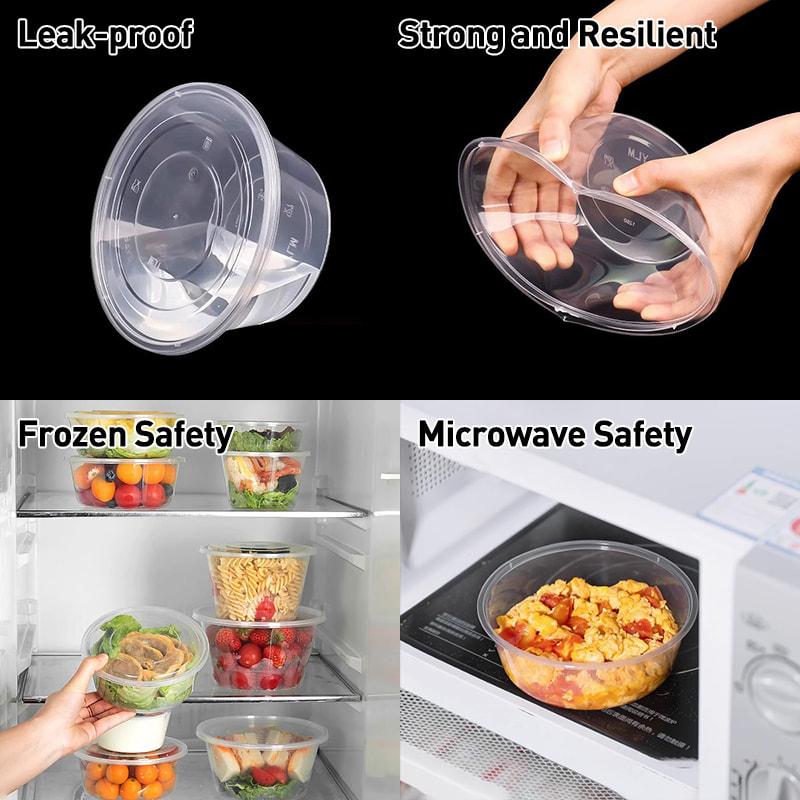
The primary reason B2B buyers source PP containers is its high melting point. At 120°C (248°F), it comfortably holds boiling liquids, hot oils, and greasy fast food without losing its structural integrity. More importantly, it allows the end-consumer to take their meal straight from the refrigerator to the microwave in the same container, offering ultimate convenience.
Durability and Leak Prevention
PP has a lower density than PET, making it naturally more flexible. This flexibility is a massive advantage during transit. When a delivery driver hits a bump, a PP container will flex and absorb the shock rather than snapping. This crack-resistant nature makes it the safest choice for liquid-heavy dishes, drastically reducing the chances of leaks and spills in the delivery bag.
Chemical Resistance
PP offers excellent resistance to acidic and alkaline foods. Whether you are packaging a highly acidic tomato sauce or a heavy, oil-based curry, the PP material will not degrade, absorb odors, or leach chemicals into the food.
🔗 Explore our full range of: [Heavy-Duty PP Food Containers]
Deep Dive: PET Packaging (Polyethylene Terephthalate) – The Visual Salesman
If PP is about performance under fire, PET (Polyethylene Terephthalate) is all about merchandising and aesthetics.
Unmatched Glass-Like Clarity
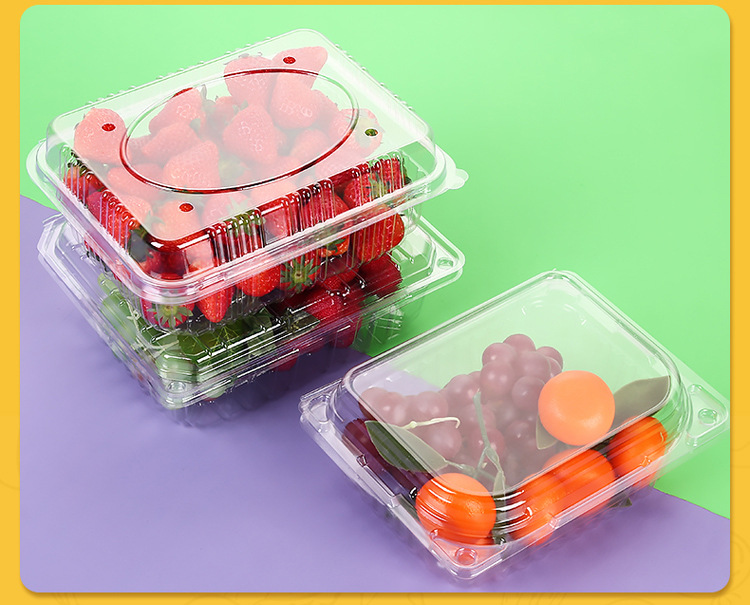
In retail environments, food is bought with the eyes first. PET offers perfect, flawless transparency. It allows the vibrant colors of fresh greens, sliced fruits, and layered desserts to pop, which is crucial for maximizing impulse purchases in bakery display cases or supermarket grab-and-go aisles.
The Cold Chain and Freshness Advantage
PET performs exceptionally well in cold temperatures. While standard PP can become slightly brittle in deep-freeze conditions, PET maintains its shape and protective qualities. Furthermore, PET has a superior gas and moisture barrier compared to PP. This means it blocks outside oxygen from entering the container more effectively, extending the shelf life of highly perishable items like fresh-cut meats and cheeses.
🔗 Browse our high-clarity collection: [Premium PET Cold Food Containers]
⚠️ Common Buyer Mistakes to Avoid
Procurement errors in food packaging can lead to thousands of dollars in wasted inventory. Avoid these common traps:
-
The “One-Size-Fits-All” Illusion: Trying to save money by purchasing only one type of container for your entire menu. Using PET for hot dishes is a disaster waiting to happen.
-
Chasing “Clear” Microwaveable Containers: Buyers frequently ask suppliers for “crystal clear containers that can be microwaved.” Standard PET is clear but not microwaveable. Standard PP is microwaveable but naturally cloudy. You cannot have the best of both worlds at standard wholesale price points.
-
Mismatched Bases and Lids: A popular industry trick is using a cheaper PP base for heat resistance, combined with a clear PET lid for food visibility. This is a smart strategy—unless your customer puts the entire box in the microwave without removing the PET lid first, causing the lid to melt into their food.
-
Ignoring Storage Conditions: PET is sensitive to environmental heat. If you buy a massive bulk shipment of PET containers and store them in an un-air-conditioned warehouse during a hot summer (where ambient temperatures might exceed 50°C), the containers at the top of the pallets can warp before you even use them.
Practical Takeaway: How to Choose for Your Specific Menu
Still unsure which SKUs to order? Follow this straightforward application checklist:
-
For Salad Bars, Sushi Shops, and Bakeries: Buy PET. You do not need heat resistance, but you desperately need maximum clarity to make the food look appetizing.
-
For Ramen Shops, Chinese Takeout, and Indian Curries: Buy PP. Your priority is heat resistance, leak-proof flexibility, and microwave safety.
-
For Meal Prep Companies and Fitness Diets: Buy PP. Meal prep customers rely on the ability to freeze meals and microwave them later in the exact same container.
-
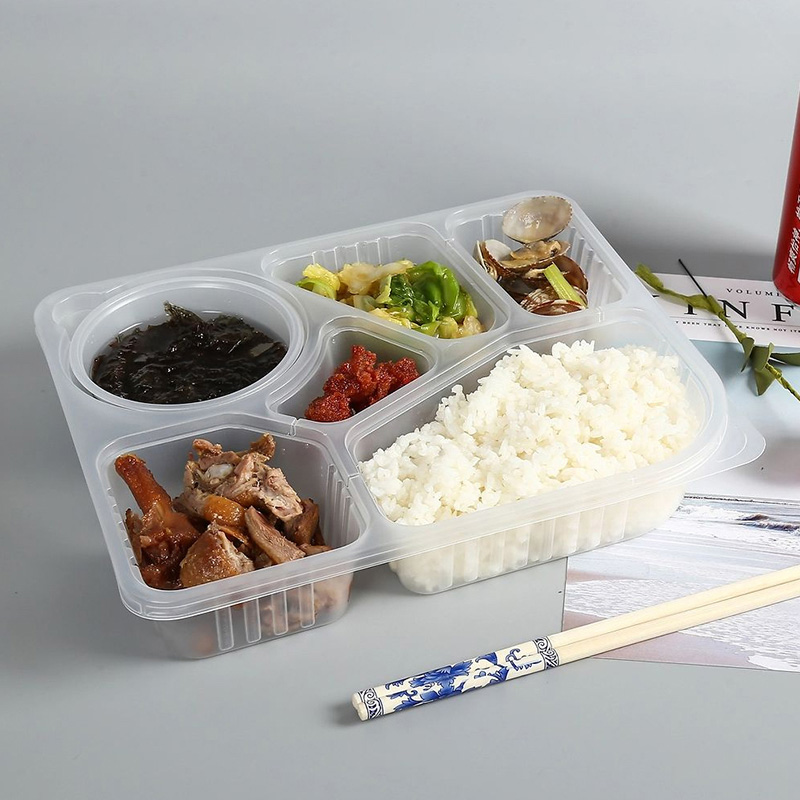
For High-End Deli and Mixed Bentos: Buy Combo Containers (Black PP bases with clear PET lids). You get the premium look of a colored base with the visibility of a clear lid.
Frequently Asked Questions (FAQ)
1. Can I microwave PET food packaging?
No. Standard PET containers will begin to warp, soften, and melt at temperatures above 60°C (140°F). Always use PP containers for hot foods and microwave reheating.
2. Are both PET and PP food-safe and BPA-free?
Absolutely. Both virgin PET and virgin PP are universally approved by the FDA and global health authorities for direct food contact. They do not contain BPA (Bisphenol A).
3. Which material is better for the environment?
Both are fully recyclable. However, PET (Recycling Code #1) has the most robust recycling infrastructure globally. It is commonly recycled into new bottles, clothing fibers, and RPET containers. PP (Recycling Code #5) is also widely recycled, but collection rates vary depending on local municipal facilities.
4. Can I print my restaurant’s logo on PET and PP?
Yes, but the methods differ. PET’s smooth, rigid surface is excellent for high-quality printing and labeling. PP can also be printed on, but because of its flexible and slightly textured nature, many brands prefer custom embossing (raising the plastic to show a logo) on the lids instead.
5. Which is more expensive, PET or PP?
Historically, the raw resin prices are very close, and they fluctuate based on global oil markets. However, because PP is slightly less dense than PET, manufacturers can use less material by weight to produce a container of the same size. This often makes PP slightly cheaper in bulk, though the difference is usually marginal.
6. What is CPET, and how is it different from PET?
CPET stands for Crystallized PET. Through a special manufacturing process, CPET is made to withstand extreme temperatures (from -40°C up to 220°C). Unlike standard PET, CPET can be put into both microwaves and conventional ovens, making it the standard for airline catering and frozen TV dinners.
Secure Your Reliable Packaging Supply with Dashan
Choosing the correct plastic material is only the first step. Ensuring your packaging is structurally sound, perfectly sealed, and delivered on schedule is what keeps your restaurant running.
At Dashan, we specialize in OEM and wholesale manufacturing of premium, food-grade PET and PP containers. We design our products with B2B pain points in mind—featuring precision-engineered leak-proof locking mechanisms, optimal stackability for cramped kitchens, and heavy-duty crack resistance for delivery drivers.
Stop guessing which container is right for your menu and start testing.
👉 Contact Us Today to request your Free PET & PP Sample Pack. Test our clarity, heat resistance, and leak-proof seals in your own kitchen before placing your bulk order.
References & Industry Standards
To provide you with the most accurate and up-to-date information, this guide is supported by data from leading food safety and packaging authorities:
-
U.S. Food and Drug Administration (FDA): Guidelines on the safety of Polypropylene (PP) and Polyethylene Terephthalate (PET) for direct food contact and microwave use. View FDA Packaging Standards
-
The Association of Plastic Recyclers (APR): Technical data regarding the recyclability and life-cycle assessment of #1 PET and #5 PP resins. Access Recycling Reports
-
Journal of Food Engineering: Comparative studies on the thermal stability and gas permeability of various food-grade polymers.
-
Global Recycled Standard (GRS): Certification requirements for recycled content (RPET) in food-grade packaging.
Copyright & Legal Disclaimer
© 2026 Dashan Packing. All rights reserved.
This material and packaging selection guide is an original work produced by the Dashan Packing technical and export consultancy teams. All comparative analyses, technical specifications, and procurement risk assessments provided herein are the result of our proprietary manufacturing expertise and internal laboratory testing within the global food packaging industry. Unauthorized reproduction, distribution, or commercial use of any part of this content without explicit written consent from Dashan Packing is strictly prohibited and may be subject to legal action.
Dashan Packing is dedicated to providing high-quality, evidence-based data to help global wholesalers and restaurant chains optimize their packaging procurement. However, because international food safety standards, environmental regulations, and regional compliance requirements are subject to frequent changes, this information is intended for general guidance and due diligence purposes only. It should not be interpreted as formal legal, regulatory, or specific customs clearance advice. We strongly recommend consulting with local regulatory bodies or certified compliance experts for the latest laws specific to your destination market.