

Introduction
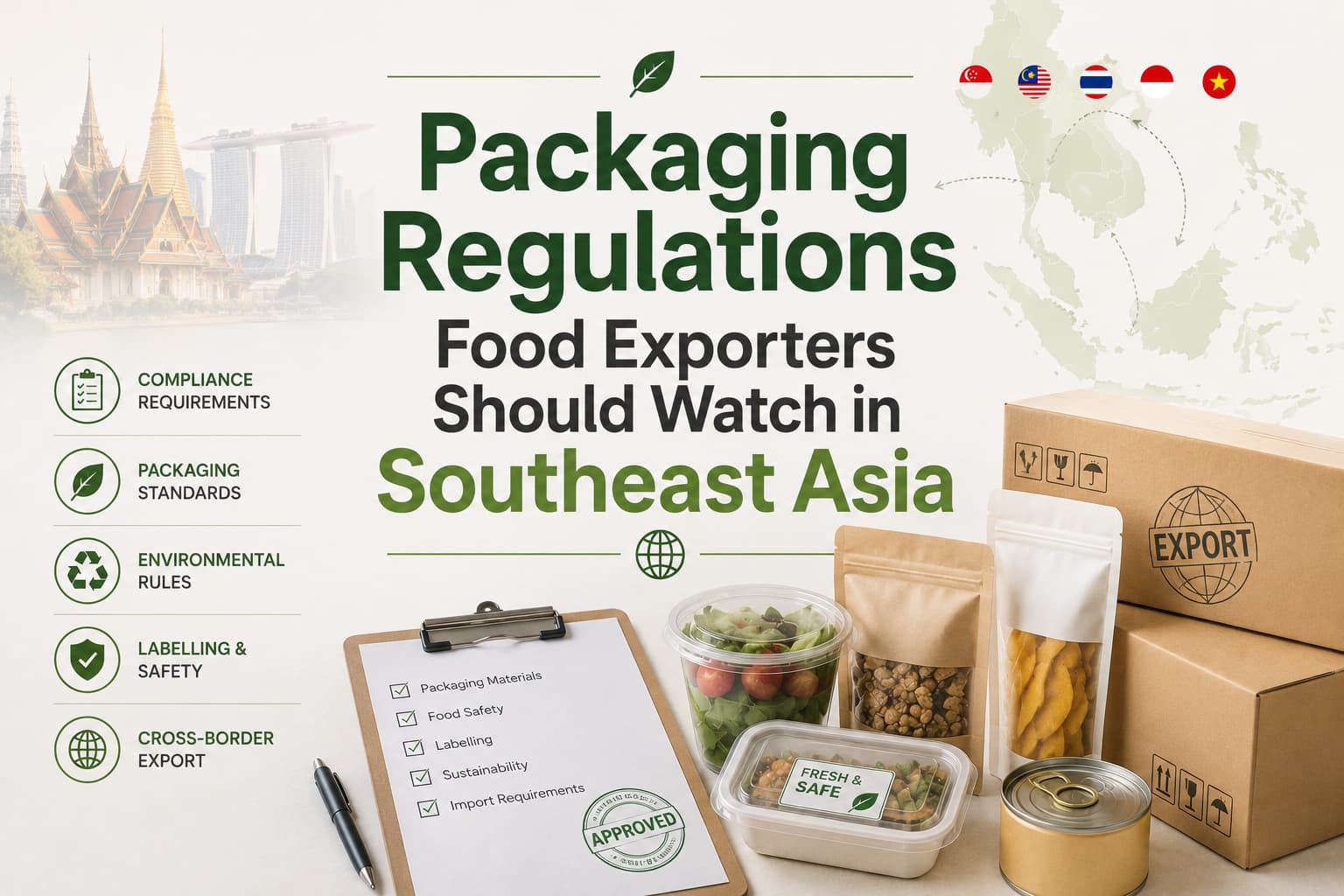
Southeast Asia has become one of the world’s most dynamic food import regions. Rapid urbanization, growing middle-class populations, expanding retail networks, and increasing demand for convenience foods have created significant opportunities for food exporters worldwide.
Countries such as Singapore, Thailand, Malaysia, Indonesia, Vietnam, and the Philippines are importing increasing volumes of packaged foods, ready meals, beverages, snacks, frozen products, and fresh food items. However, alongside these opportunities comes a growing focus on packaging compliance.
Governments across Southeast Asia are strengthening regulations related to food-contact materials, product labeling, packaging waste management, recycling systems, and sustainability initiatives. For food exporters, packaging compliance is no longer simply a customs requirement—it has become an essential component of market access and long-term business success.
Understanding these regulatory developments can help exporters avoid costly delays, reduce compliance risks, and prepare for future changes in regional packaging requirements.
Why Packaging Compliance Is Becoming More Important in Southeast Asia

Historically, many exporters focused primarily on food safety certifications and product quality when entering Southeast Asian markets. Today, packaging itself is receiving greater regulatory attention.
Several factors are driving this shift:
- Growing concerns about plastic waste
- Increased consumer awareness of sustainability
- Expanding food safety regulations
- Development of circular economy policies
- Rising demand for transparent supply chains
As governments seek to balance economic growth with environmental objectives, packaging requirements are becoming more comprehensive.
For exporters, this means packaging decisions can directly influence market entry, product approval, and brand reputation.
Food Contact Material Compliance Remains the Top Priority
Regardless of sustainability trends, food safety remains the foundation of packaging regulation throughout Southeast Asia.
Food-contact materials must be suitable for their intended use and must not transfer harmful substances into food under normal conditions.
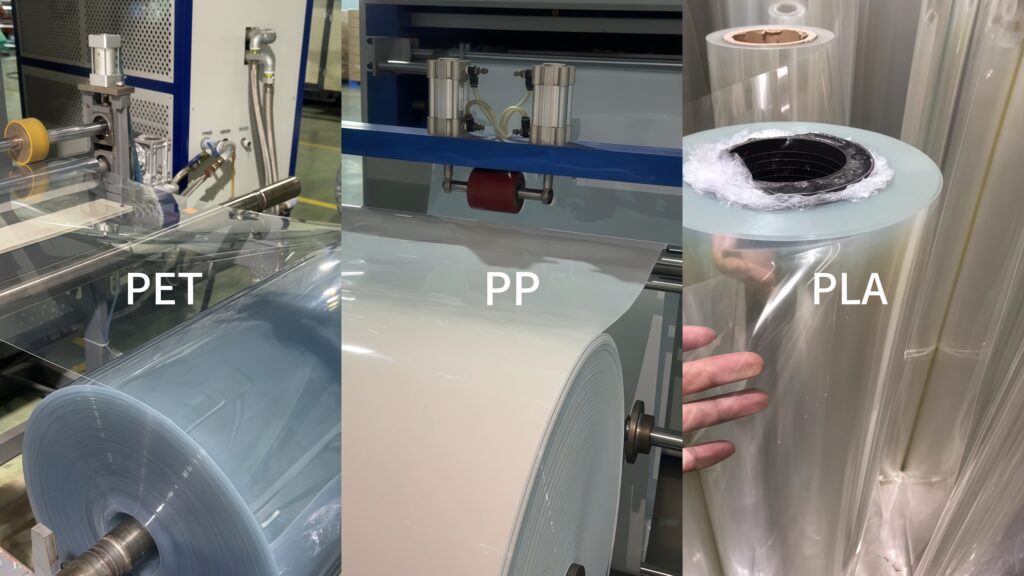
Common materials used in food packaging include:
- Polypropylene (PP)
- Polyethylene terephthalate (PET)
- Polyethylene (PE)
- Paper-based materials
- Bagasse products
- Multi-layer packaging structures
Regulators increasingly focus on:
- Overall migration limits
- Specific migration of additives
- Heavy metal content
- Material composition
- Manufacturing consistency
Food exporters should be prepared to provide documentation such as:
| Documentation | Purpose |
|---|---|
| Declaration of Compliance (DoC) | Demonstrates material compliance |
| Food-contact test reports | Verifies migration performance |
| Material specifications | Identifies packaging composition |
| Manufacturing information | Supports traceability requirements |
Maintaining accurate technical documentation is often critical during import inspections and regulatory reviews.
Singapore: A Regional Benchmark for Compliance
Singapore is one of Southeast Asia’s most advanced food import markets and often serves as a gateway for regional expansion.
The country maintains strict standards for:
- Food safety
- Product labeling
- Traceability
- Consumer protection
Because Singapore imports a large percentage of its food supply, regulatory authorities place strong emphasis on ensuring imported products meet established safety requirements.
Key Packaging Considerations
Food exporters entering Singapore should focus on:
- Compliance of food-contact materials
- Accurate product labeling
- Proper ingredient declarations
- Packaging traceability
Singapore’s regulatory environment is generally transparent, but businesses should ensure supporting documentation is available before products enter the market.
Thailand: Increasing Focus on Sustainable Packaging
Thailand has become one of the region’s most active countries in promoting sustainable packaging initiatives.
While food safety remains a priority, policymakers have increasingly focused on reducing packaging waste and improving recycling systems.
Key Trends to Monitor
Exporters should pay attention to:
- Plastic waste reduction initiatives
- Circular economy strategies
- Recycling promotion programs
- Sustainable packaging targets
Although many regulations continue to evolve, businesses using recyclable and widely accepted materials often find it easier to align with long-term market expectations.
Materials such as PP and PET continue to maintain strong positions due to established recycling pathways and broad commercial acceptance.
Malaysia: Balancing Food Safety and Environmental Goals
Malaysia’s packaging regulations continue to prioritize food safety while gradually incorporating broader sustainability objectives.
Government agencies and industry organizations have increased efforts to improve waste management and recycling infrastructure.
Areas Receiving Increased Attention
- Plastic waste reduction
- Packaging recyclability
- Environmental awareness programs
- Sustainable materials development
For food exporters, this means packaging selection should consider both current compliance requirements and future sustainability expectations.
Businesses that proactively evaluate packaging sustainability may be better positioned as regulations continue to evolve.
Indonesia: A Rapidly Evolving Regulatory Environment
Indonesia is Southeast Asia’s largest economy and one of the region’s most important food markets.
The country’s growing population and expanding retail sector create substantial opportunities for food exporters. At the same time, packaging regulations continue to develop as authorities address environmental and waste management challenges.
Why Indonesia Matters
Indonesia’s scale means regulatory changes can have significant implications for packaging suppliers and food manufacturers.
Areas of focus include:
- Plastic waste reduction initiatives
- Recycling infrastructure development
- Local sustainability programs
- Packaging waste management strategies
Because regulatory frameworks continue to evolve, exporters should monitor updates closely and maintain flexibility in packaging design and material selection.
Vietnam: Rising Standards for Imported Food Packaging
Vietnam’s food industry has expanded rapidly over the past decade, supported by economic growth and increasing consumer demand for imported products.
As the market matures, authorities are paying greater attention to:
- Food-contact material safety
- Packaging information accuracy
- Product traceability
- Labeling compliance
Challenges for Exporters
One challenge facing exporters is the pace of regulatory development.
As requirements become more sophisticated, businesses must ensure that packaging documentation, testing data, and labeling information remain up to date.
Companies relying on standardized global packaging programs may occasionally need market-specific adjustments to maintain compliance.
Extended Producer Responsibility (EPR) Is Becoming Increasingly Important
One of the most significant packaging trends emerging across Southeast Asia is Extended Producer Responsibility (EPR).
EPR programs shift part of the responsibility for packaging waste management from governments to producers, importers, and brand owners.
Why EPR Matters
Future EPR requirements may influence:
- Packaging design decisions
- Material selection
- Recycling targets
- Reporting obligations
- Cost structures
Countries throughout Southeast Asia are exploring or implementing various forms of producer responsibility programs as part of broader sustainability strategies.
Exporters that understand EPR developments early can better prepare for future compliance obligations.
Sustainability Claims Are Receiving Greater Scrutiny
As sustainability becomes a stronger marketing tool, regulators are paying closer attention to environmental claims made on packaging.
Terms such as:
- Eco-friendly
- Green
- Sustainable
- Biodegradable
- Environmentally responsible
are increasingly being evaluated for accuracy and substantiation.
Avoiding Greenwashing Risks
Businesses should ensure that sustainability claims are supported by credible evidence.
This may include:
- Third-party certifications
- Material specifications
- Laboratory testing
- Recognized environmental standards
Unsupported claims can create regulatory challenges and damage consumer trust.
For exporters, transparency is becoming just as important as sustainability itself.
How Packaging Material Choices May Affect Future Compliance
Different packaging materials face different regulatory opportunities and challenges.
The long-term regulatory outlook often depends on factors such as recyclability, waste management infrastructure, and food safety performance.
| Material | Regulatory Outlook |
|---|---|
| PP | Widely accepted, recyclable in many markets |
| PET | Strong recycling infrastructure support |
| Bagasse | Positive sustainability perception |
| Paper-based packaging | Growing interest, varying requirements |
| Multi-material packaging | Potential recycling complexity |
While no material is universally preferred across all markets, exporters should consider both current requirements and future policy trends when making packaging decisions.
How DASHAN Helps Exporters Navigate Packaging Requirements
As food exporters expand into Southeast Asia, packaging suppliers play an increasingly important role in supporting compliance efforts.
DASHAN provides packaging solutions across multiple material categories, including:
- PP food containers
- PET salad containers
- PET fruit packaging
- Bagasse food packaging
- Custom OEM packaging solutions
Beyond manufacturing, successful export programs often require technical support such as:
- Material specifications
- Product documentation
- Packaging customization
- Food-contact compliance information
By combining production capabilities with export-oriented support, packaging suppliers can help businesses navigate evolving market requirements more effectively.
The Future of Packaging Regulations in Southeast Asia
Several long-term trends are likely to shape future packaging regulations throughout the region.
Food Safety Will Remain Non-Negotiable
Food-contact compliance will continue to be the foundation of regulatory oversight.
Sustainability Requirements Will Expand
Governments are expected to strengthen policies related to waste reduction and recycling.
Packaging Transparency Will Increase
Traceability, material disclosure, and documentation requirements are likely to become more comprehensive.
Circular Economy Initiatives Will Grow
EPR programs and recycling targets may become increasingly important across multiple Southeast Asian markets.
Exporters that proactively monitor these developments will be better positioned to adapt successfully.
Frequently Asked Questions
1. What is the biggest packaging compliance risk for food exporters entering Southeast Asia?
The most common risk is failing to meet food-contact material requirements or lacking supporting documentation. Authorities may request declarations of compliance, migration testing reports, material specifications, and traceability information during import reviews.
2. Are packaging regulations the same across all Southeast Asian countries?
No. While many countries share similar goals related to food safety and sustainability, each market has its own regulatory framework, enforcement practices, labeling requirements, and environmental initiatives. Exporters should review requirements country by country.
3. Why are PP and PET packaging still widely used in Southeast Asia?
PP and PET remain popular because they combine food safety performance, manufacturing scalability, affordability, and compatibility with existing recycling systems. They are also accepted across a wide range of food applications, from ready meals to fresh produce packaging.
4. What is Extended Producer Responsibility (EPR), and why should exporters care?
EPR programs require producers, importers, or brand owners to take greater responsibility for packaging waste management. Future EPR regulations may influence packaging costs, reporting obligations, recycling targets, and material selection decisions.
5. Are sustainability claims on packaging regulated?
Increasingly, yes. Claims such as “eco-friendly,” “green,” “recyclable,” or “biodegradable” may require supporting evidence. Regulators in many markets are paying closer attention to environmental marketing claims to reduce misleading or unsubstantiated statements.
Conclusion
Southeast Asia offers significant opportunities for food exporters, but packaging compliance is becoming increasingly complex. Food-contact safety requirements remain essential, while sustainability initiatives, recycling programs, labeling expectations, and emerging EPR frameworks are reshaping the regulatory landscape.
Businesses that stay informed about regional packaging developments can reduce compliance risks, avoid costly disruptions, and strengthen their competitiveness across Southeast Asian markets.
As regulations continue to evolve, selecting compliant materials, maintaining accurate documentation, and partnering with experienced packaging suppliers will be critical components of successful market expansion.
References
Regional Food Safety & Trade
Food Contact Materials
- U.S. FDA – Food Ingredients & Packaging
- European Food Safety Authority (EFSA) – Food Contact Materials
Packaging & Sustainability
- United Nations Environment Programme (UNEP) – Plastics & Packaging Resources
- Ellen MacArthur Foundation – Circular Economy for Packaging
Packaging Industry Research
- World Packaging Organisation (WPO)
- PMMI – Packaging Industry Intelligence
Copyright Statement
© 2026 Dashan Packing. All rights reserved.
This article is an original publication by the Dashan Packing team based on industry research, market analysis, and packaging expertise. Unauthorized reproduction, distribution, or copying of this content is prohibited without prior written permission.
Dashan Packing is committed to delivering reliable, original, and professional information for the global food packaging industry.