

Quick Summary
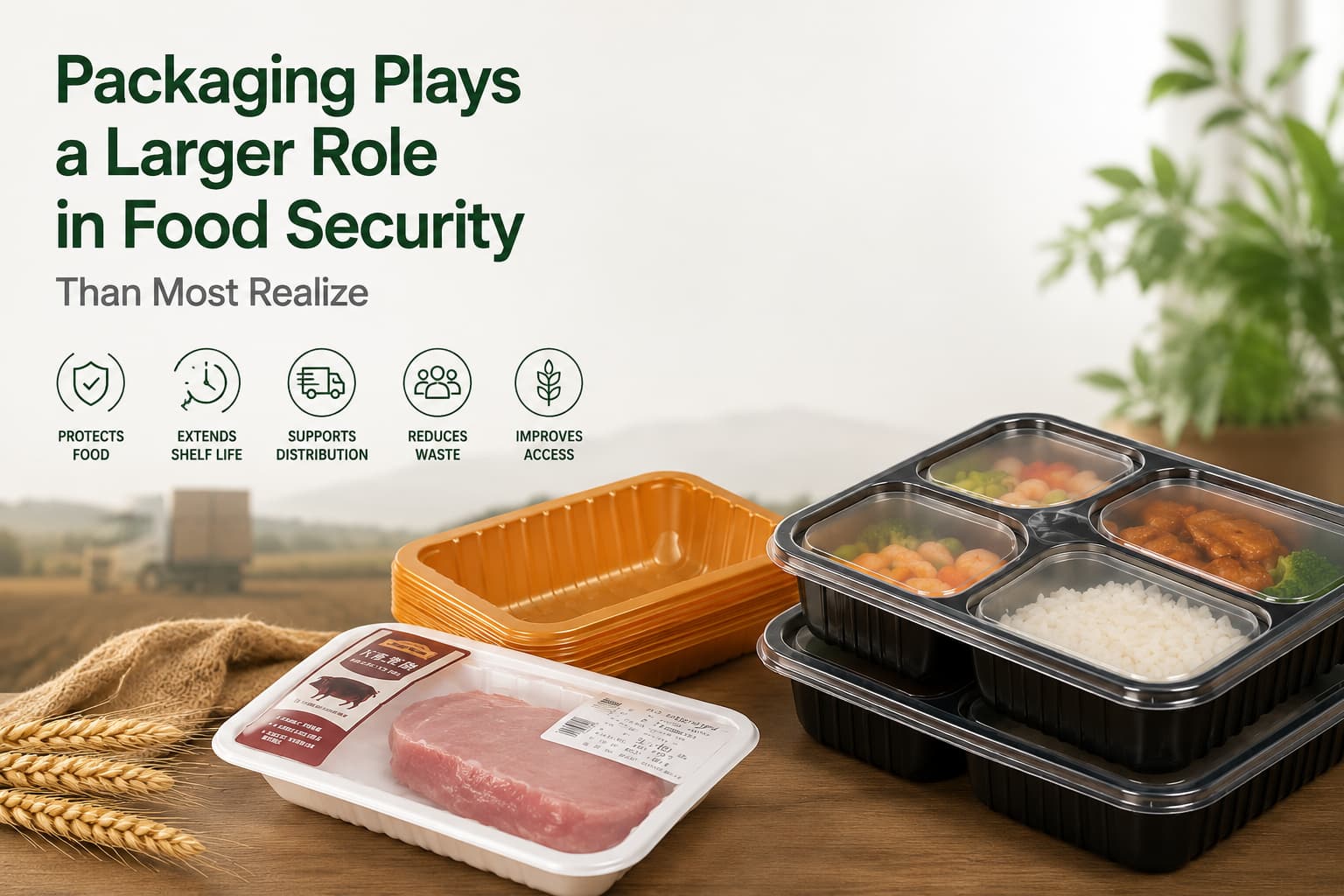
Packaging plays a critical but often overlooked role in global food security by helping reduce food waste, maintain food safety, extend shelf life, and support efficient transportation across modern supply chains. From takeaway containers and supermarket trays to emergency food systems and recyclable packaging infrastructure, food packaging helps ensure that food remains safe, accessible, and stable throughout distribution and consumption.
When people discuss food security, the conversation usually focuses on agriculture, climate conditions, food production, and global supply chains. While these factors are undeniably important, one critical component is often overlooked: packaging.
In reality, modern food systems depend heavily on packaging infrastructure to protect food, reduce waste, maintain hygiene, support transportation, and improve accessibility. Without effective packaging systems, enormous amounts of food would be damaged, contaminated, or lost before ever reaching consumers.
Food security is not simply about producing enough food. It also involves ensuring that food remains:
- safe,
- accessible,
- transportable,
- and available over time.
Packaging plays an essential role in each of these areas.
From supermarket fresh-food trays and takeaway containers to airline meal packaging and export-ready food systems, packaging helps stabilize modern food distribution networks. As urbanization, global trade, and food delivery services continue expanding, the importance of food packaging within global food security systems is becoming increasingly difficult to ignore.
Packaging Helps Reduce Food Waste Across the Supply Chain
Food waste remains one of the largest challenges facing global food systems.
Large amounts of food are lost every year during:
- transportation,
- storage,
- retail display,
- and final consumption stages.
In many cases, packaging directly affects whether food remains usable or becomes waste.
Fresh produce, prepared meals, baked goods, seafood, and takeaway foods are all vulnerable to:
- moisture exposure,
- temperature fluctuations,
- contamination,
- crushing,
- and leakage during transportation.
Proper packaging helps reduce these risks by protecting food throughout the supply chain.
| Food Packaging Function | Food Security Benefit |
|---|---|
| Moisture protection | Reduces spoilage |
| Sealing systems | Prevents contamination |
| Transportation durability | Reduces product damage |
| Shelf-life extension | Improves food availability |
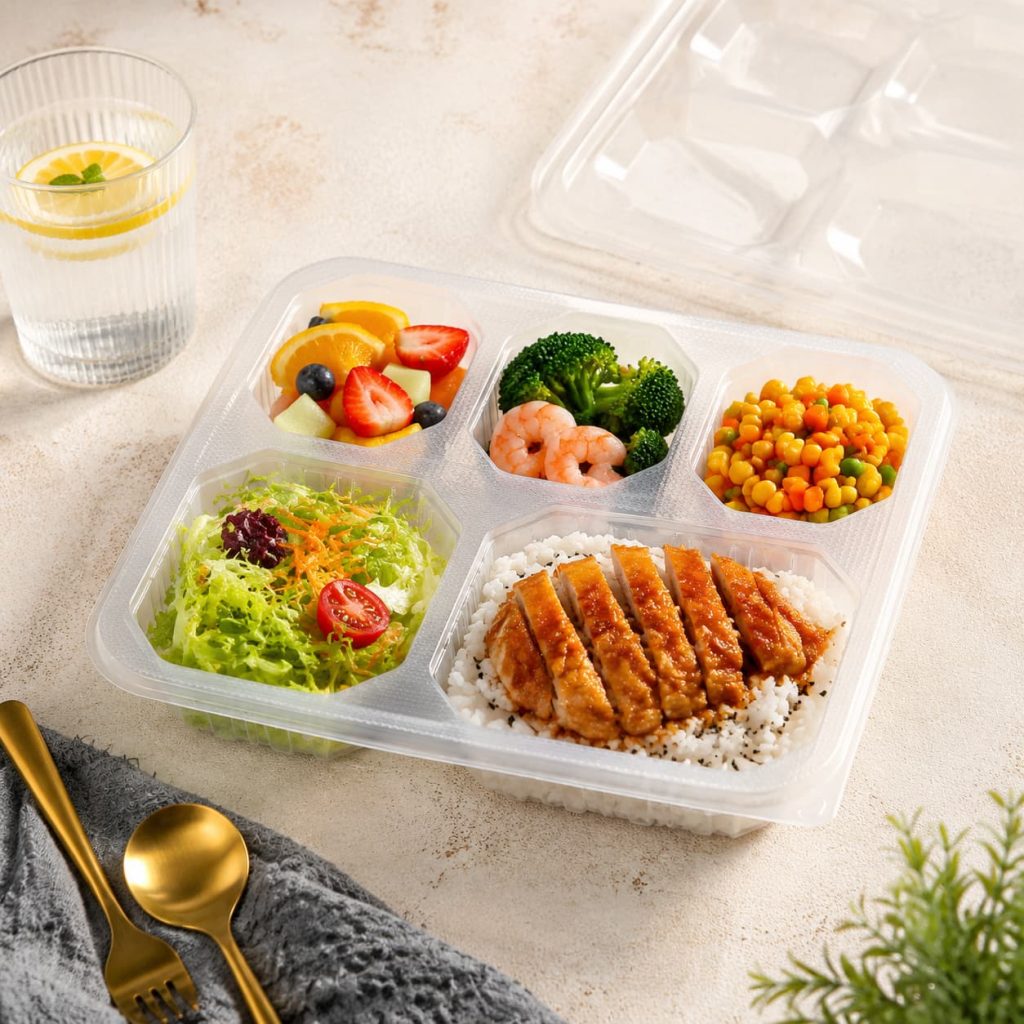
For example, modified-atmosphere packaging is widely used for fresh foods because it slows spoilage and extends shelf life during transportation and retail storage.
Fresh bakery products often require anti-condensation packaging systems that help maintain texture and appearance.
Meanwhile, takeaway food containers must remain structurally stable during delivery to prevent leakage and food damage.
Even small packaging failures can increase waste significantly at large operational scale.
This is why food packaging is increasingly viewed as part of food preservation infrastructure rather than simply disposable material.
Global Food Distribution Depends on Packaging Systems
Modern food systems operate through highly complex international supply chains.
Foods are often transported across:
- cities,
- countries,
- and continents before reaching consumers.
Packaging helps make this possible.
Export-ready seafood, fresh produce, frozen meals, beverages, and prepared foods all require packaging capable of maintaining:
- hygiene,
- durability,
- temperature stability,
- and transportation efficiency.
Airline catering systems provide a strong example of this dependency.
Meal trays used in airline foodservice must meet strict standards related to:
- size consistency,
- stackability,
- food safety,
- and transportation performance.
Similarly, supermarkets rely heavily on standardized food packaging systems to support:
- inventory management,
- shelf organization,
- and product protection.
Food delivery platforms have made packaging even more important because meals now spend longer periods moving through transportation networks before consumption.
Without reliable packaging infrastructure, modern large-scale food distribution would become significantly less efficient and far more wasteful.
Food Safety and Hygiene Are Closely Connected to Packaging
Packaging serves as one of the most important barriers between food products and external contamination.

Food-grade containers, sealed lids, tamper-evident packaging systems, and hygienic manufacturing environments all contribute directly to food safety protection.
This became especially visible during the COVID-19 pandemic, when consumers and businesses became far more conscious of hygiene and sealed food systems.
During this period:
- takeaway demand increased rapidly,
- individually packaged foods became more common,
- and consumers increasingly preferred sealed beverage and meal packaging.
Restaurants and foodservice operators responded by upgrading packaging systems to improve:
- contamination protection,
- transportation security,
- and customer confidence.
Tamper-evident delivery packaging became especially important because consumers wanted reassurance that food remained protected during transportation.
Packaging materials themselves also matter.
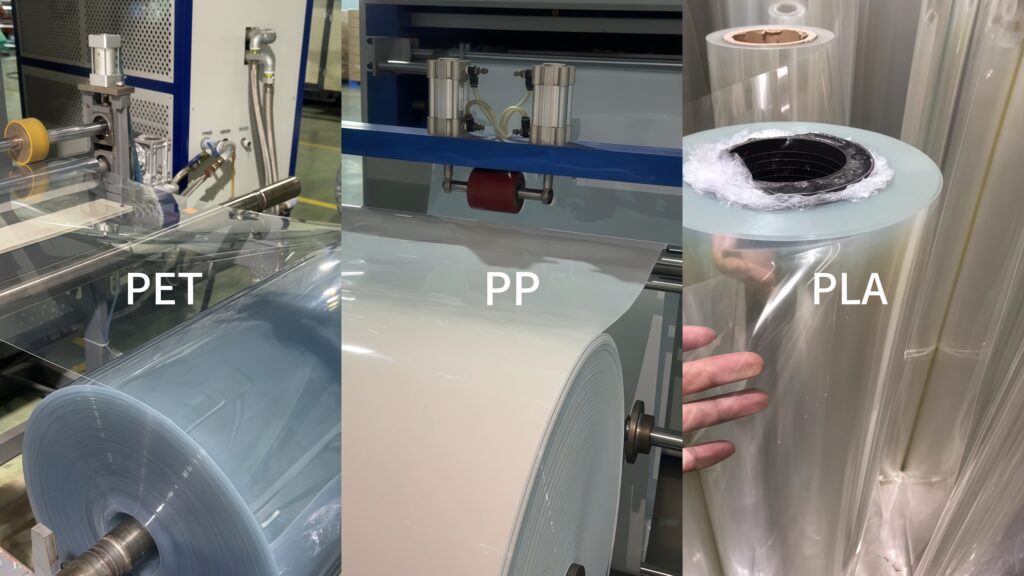
Microwave-safe PP containers, for example, are widely used because they provide:
- heat resistance,
- structural stability,
- and suitability for prepared meals.
Meanwhile, PET packaging is commonly used for cold foods and beverages because of its transparency, lightweight performance, and food-safe properties.
These packaging systems help food remain safe throughout increasingly complex distribution environments.
Packaging Stability Supports Emergency Food Systems
Food security becomes especially important during emergencies, natural disasters, and supply-chain disruptions.
In these situations, packaging infrastructure often becomes essential for maintaining food access.
Emergency food systems rely heavily on packaging capable of supporting:
- long-distance transportation,
- extended storage periods,
- rapid distribution,
- and operational efficiency.
Shelf-stable packaged foods are particularly important because they remain usable for longer periods without refrigeration.
Disaster-relief meal kits, humanitarian food supplies, military rations, and emergency distribution systems all depend on durable packaging capable of protecting food under difficult logistical conditions.
Lightweight and stackable packaging also improves transportation efficiency during emergencies because it allows larger food volumes to be moved more quickly.
During global supply disruptions, packaging stability can directly influence whether food products reach consumers efficiently or experience delays and damage.
This demonstrates that packaging is not only a commercial necessity — it is also part of broader food system resilience.
Sustainable Packaging Is Becoming Part of Long-Term Food Security
As environmental concerns continue growing, food security discussions increasingly include sustainability considerations.
Future food systems must not only provide reliable food access, but also operate more responsibly in terms of:
- resource usage,
- waste generation,
- and environmental impact.
This is where sustainable packaging becomes increasingly important.
Recyclable food packaging, lightweight packaging systems, and circular economy strategies can help reduce:
- packaging waste,
- transportation emissions,
- and unnecessary material consumption.
| Sustainability Goal | Packaging Contribution |
|---|---|
| Lower food waste | Improved preservation |
| Reduced emissions | Lightweight packaging |
| Circular economy | Recyclable materials |
| Resource efficiency | Optimized packaging design |
For example, lightweight PET and PP packaging can improve transportation efficiency because lower package weight reduces fuel consumption during logistics operations.
Meanwhile, recyclable rPET packaging supports circular material recovery systems that reduce dependence on virgin plastic production.
Sustainability therefore becomes connected not only to environmental protection, but also to long-term food system stability and resource efficiency.
Packaging Innovation Is Improving Food Accessibility
Modern lifestyles are changing how consumers access and consume food.
Urbanization, smaller households, convenience-oriented purchasing behavior, and food delivery growth are increasing demand for packaging systems that support:
- portability,
- convenience,
- and flexible meal consumption.
Packaging innovation has therefore become closely linked to food accessibility.
For example:
- microwave-safe ready-meal containers,
- portion-controlled food packaging,
- resealable packaging,
- and fresh-cut fruit containers
all help consumers access food more efficiently in fast-paced urban environments.
Smart packaging systems are also becoming more common.
QR-code traceability systems, freshness indicators, and digitally integrated packaging technologies can improve:
- supply-chain transparency,
- food tracking,
- and consumer confidence.
These developments show that packaging increasingly supports not only food protection, but also modern food accessibility itself.
Packaging Manufacturers Are Becoming Strategic Food Industry Partners
As packaging becomes more important within food systems, food brands are increasingly seeking long-term packaging partners rather than simple low-cost suppliers.
Businesses now prioritize packaging manufacturers capable of supporting:
- operational consistency,
- food safety standards,
- scalable production,
- and sustainability goals.
For restaurants, supermarkets, beverage chains, and food exporters, packaging reliability directly affects operational performance.
Manufacturers such as DASHAN are developing PET, rPET, and PP food packaging solutions designed to support modern foodservice industries through:
- durable takeaway packaging,
- recyclable food containers,
- transparent cold-food packaging,
- and scalable customized packaging systems.
As global food systems become more complex, packaging suppliers increasingly contribute to:
- supply-chain stability,
- operational planning,
- and long-term foodservice efficiency.
Packaging partnerships are therefore becoming more strategic across modern food industries.
The Future of Food Security Will Depend More on Packaging Technology
Packaging technology will likely play an even larger role in future food systems.
Several emerging developments are expected to shape future food packaging infrastructure:
- smart traceability systems,
- recyclable mono-material packaging,
- lightweight high-barrier packaging,
- anti-contamination technologies,
- and advanced preservation systems.
Future food systems will need packaging capable of balancing:
- food safety,
- sustainability,
- transportation efficiency,
- affordability,
- and large-scale operational performance.
At the same time, climate pressures, global population growth, and expanding urbanization will continue increasing demand for efficient food distribution systems.
Packaging will remain one of the key technologies enabling these systems to function effectively.
FAQ
1. How does food packaging help reduce food waste?
Food packaging helps protect food from moisture, contamination, leakage, and transportation damage, which reduces spoilage and improves shelf life across the supply chain.
2. Why are PP food containers commonly used for prepared meals?
PP food containers are widely used because they provide heat resistance, structural durability, and microwave compatibility, making them suitable for takeaway meals and ready-to-eat food applications.
3. What types of packaging are important for food transportation?
Leak-resistant containers, sealed lids, stackable trays, and durable takeaway packaging are important because they help maintain food quality and reduce damage during transportation and delivery.
4. Why is tamper-evident packaging becoming more popular?
Tamper-evident packaging improves food safety and consumer confidence by helping protect food from external contamination during takeaway and delivery operations.
5. How does transparent PET packaging support food presentation?
Transparent PET packaging allows consumers to clearly see freshness, food quality, and product appearance, making it especially suitable for salads, desserts, fruits, and cold-food packaging.
Conclusion
Packaging is one of the most overlooked yet essential components of modern food security.
Food security depends not only on producing food, but also on protecting, transporting, preserving, and distributing it efficiently throughout increasingly complex global supply chains.
Effective food packaging helps:
- reduce food waste,
- maintain hygiene,
- improve transportation stability,
- extend shelf life,
- and support large-scale food accessibility.
At the same time, sustainable packaging development is becoming increasingly important for ensuring long-term resource efficiency and environmental responsibility.
As global food systems continue evolving, companies such as DASHAN are developing food packaging solutions designed to support food safety, operational efficiency, recyclable packaging goals, and long-term foodservice supply-chain stability across international markets.
References
- Food and Agriculture Organization (FAO) – Food Loss and Food Waste
- World Health Organization (WHO) – Food Safety
- United Nations – Sustainable Food Systems
- ScienceDirect – The Role of Packaging in Reducing Food Waste
- Food Packaging Forum
- World Packaging Organisation (WPO)
- Ellen MacArthur Foundation – Packaging and Circular Economy
- DASHAN Food Packing
Copyright Statement
© 2026 Dashan Packing. All rights reserved.
This article is an original publication by the Dashan Packing team based on industry research, market analysis, and packaging expertise. Unauthorized reproduction, distribution, or copying of this content is prohibited without prior written permission.
Dashan Packing is committed to delivering reliable, original, and professional information for the global food packaging industry.