
Quick Summary
Choosing the cheapest food packaging often leads to higher real costs due to leakage, deformation, logistics failures, and operational disruption. This article explains how hidden performance gaps turn low unit prices into expensive long-term mistakes—and why experienced buyers prioritize stability over price alone.
For many food packaging buyers, especially those responsible for procurement, cost control is not just a preference—it is a requirement. Budgets are tight, margins are under pressure, and packaging is often viewed as a necessary but replaceable expense.
So when two packaging options appear similar, the instinctive reaction is simple:
On paper, this logic makes sense. Packaging is not the product itself. Customers do not buy food because of the container. If it looks acceptable and meets food safety standards, paying less seems like good business.
Yet across foodservice, takeaway, retail, and distribution sectors, one reality keeps repeating itself:
The cheapest packaging option almost never delivers the lowest total cost.
In fact, it often becomes the most expensive decision buyers make—just not immediately, and not visibly.
This article explains why.
1. Why Packaging Is Constantly Undervalued in Procurement Decisions

Packaging sits in a unique position within the supply chain.
It is:
-
Not a revenue-generating item
-
Not a branded hero product
-
Not usually blamed when things go wrong
As a result, packaging decisions are frequently:
-
Rushed
-
Delegated
-
Based primarily on price
Internally, packaging is often classified as a “low-risk” item. Once basic requirements are met, little attention is paid to how it behaves outside the factory.
This mindset creates the perfect conditions for hidden costs to grow unnoticed.
2. The Dangerous Simplicity of Unit Price Comparisons
Unit price is attractive because it is:
-
Easy to measure
-
Easy to compare
-
Easy to justify
A spreadsheet with two columns—Supplier A vs Supplier B—makes the decision appear objective.
What this comparison ignores is that unit price is only one component of cost, and often the smallest one.
Packaging cost should include:
-
Failure rate
-
Waste percentage
-
Operational friction
-
Customer impact
-
Brand risk
But these factors rarely appear in procurement calculations, even though they are far more expensive than the container itself.
In long-term manufacturing and export projects, DASHAN has seen the same pattern repeat across different markets: buyers focus heavily on unit price during sourcing, but begin tracking “real cost” only after repeated packaging issues occur.
In practice, total packaging cost often becomes clear only after containers are filled with hot food, stacked for transport, and held for several hours. At that stage, even small performance gaps—such as slight deformation or reduced lid tension—translate into visible operational losses.
3. How “Identical” Packaging Can Perform Completely Differently
Many buyers assume that if two products share:
-
The same dimensions
-
The same material name
-
The same certification
Then they will perform the same.
This assumption is wrong.
Performance differences often come from:
-
Resin quality
-
Thickness consistency
-
Tooling accuracy
-
Production process stability
These details are invisible on a quotation but critical in real use. Cheaper packaging usually sacrifices margin of safety, not compliance.
4. Thickness Reduction: The Most Common Cost-Cutting Tactic
Reducing material thickness is the fastest way to lower price.
From a buyer’s perspective:
-
The container looks the same
-
The weight difference is subtle
-
Certification remains unchanged
From a manufacturing perspective, material thickness is one of the most sensitive variables in food packaging performance.
At DASHAN, thickness control is often discussed not as a cost issue, but as a stability issue. Even small variations in thickness distribution can significantly affect rigidity, stacking strength, and heat response—especially in thermoformed packaging designed for hot or oily food.
Thinner packaging means:
-
Lower rigidity
-
Faster heat deformation
-
Reduced stack strength
-
Inconsistent lid fit
These weaknesses rarely appear immediately. They appear when packaging is stressed—which is exactly what happens in real operations.
5. Why Cheap Packaging Often Passes Inspection but Fails in Use
Most packaging inspections are:
-
Short-term
-
Static
-
Conducted under controlled conditions
Real use is dynamic and unpredictable.
Packaging must withstand:
-
Hot food filling
-
Steam buildup
-
Oil and moisture
-
Stacking pressure
-
Transportation vibration
Cheap packaging often passes inspection because inspections do not replicate reality.
6. Delayed Failure: Why Problems Appear Too Late to Prevent Loss
One of the most damaging characteristics of low-cost packaging is delayed failure.
Problems surface:
-
Hours after packing
-
During delivery
-
At the customer’s location
By then:
-
Food is already prepared
-
Delivery is already underway
-
Brand exposure has already occurred
At this stage, even a small defect becomes a full operational failure.
7. Leakage: The Most Expensive “Small Problem” in Packaging

Leakage is often underestimated because it seems minor.
In reality, leakage creates cascading losses:
-
Food waste
-
Repacking labor
-
Delivery delays
-
Customer dissatisfaction
-
Negative reviews
In high-volume foodservice, even a 1% leakage rate can cost more than the entire annual packaging budget savings.
8. Deformation: When Packaging Undermines Presentation

Packaging is not just functional—it is visible.
Warped containers:
-
Look cheap
-
Undermine food presentation
-
Signal poor quality
Customers may not understand the technical reason, but they associate deformation with low standards.
This perception damage is impossible to recover with cost savings.
9. The Misunderstanding Around “Food Grade” Packaging
Food-grade certification is essential—but it is often misunderstood.
Food contact compliance ensures:
-
Chemical safety
-
Regulatory acceptance
It does not ensure:
-
Heat resistance
-
Oil tolerance
-
Structural stability
In real projects, DASHAN often works with buyers who initially assume that food contact compliance guarantees suitability across all applications.
However, experience shows that regulatory compliance is only the baseline. Packaging performance is ultimately determined by how materials behave under heat, oil exposure, stacking pressure, and time—factors that certifications alone do not address.
10. Heat: The Silent Stress Factor Buyers Underestimate
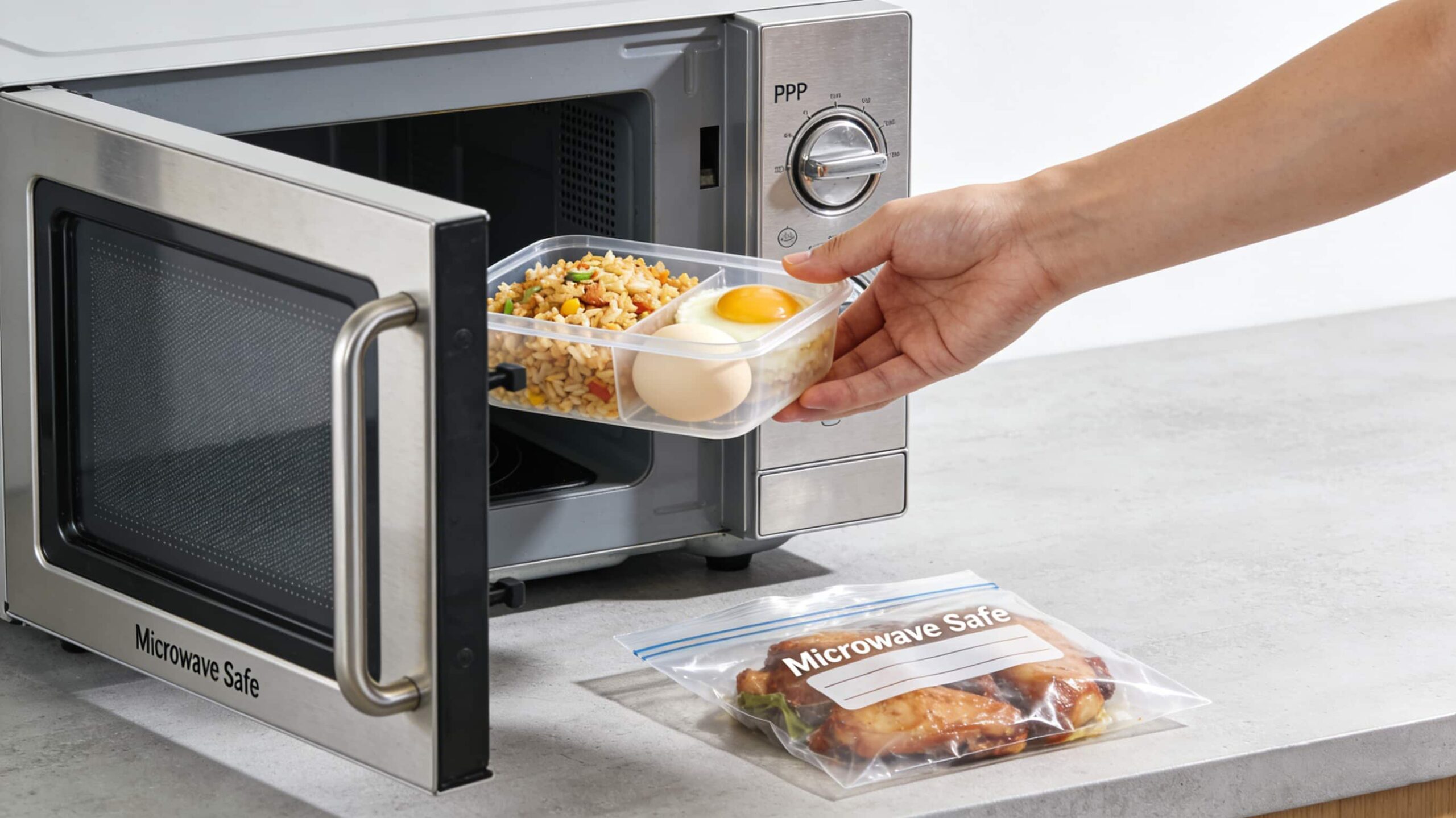
Heat is one of the most destructive forces in food packaging.
It affects:
-
Material rigidity
-
Lid retention
-
Shape stability
Heat exposure occurs not only during cooking, but during:
-
Holding
-
Transport
-
Storage
Cheap packaging has less thermal tolerance, making it vulnerable even under moderate conditions.
11. Stacking and Compression: Hidden Loads That Break Packaging
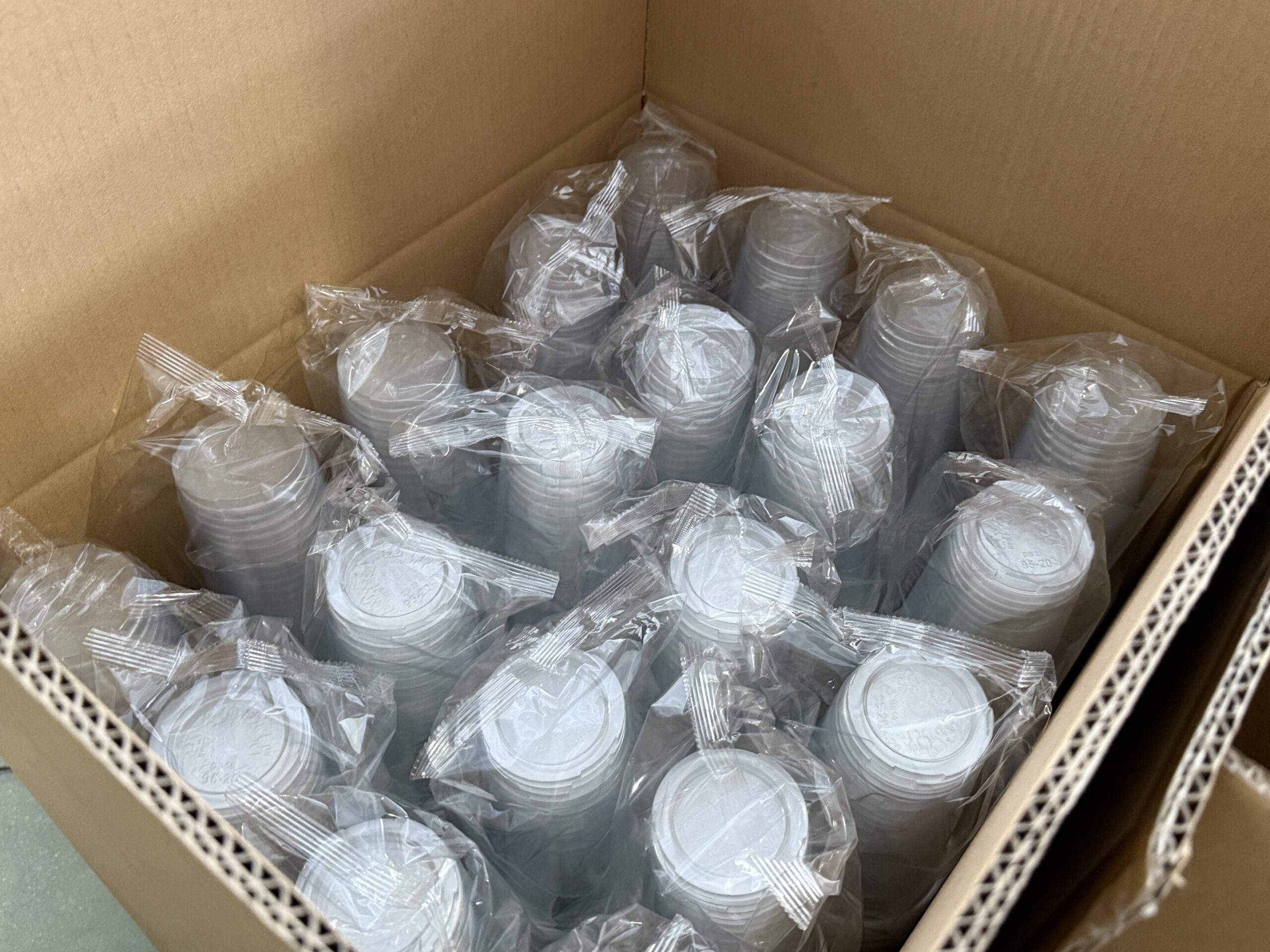 Packaging is rarely used alone.
It is stacked:
-
In kitchens
-
On pallets
-
In delivery boxes
Each layer adds compression. Thin or poorly designed containers deform under weight, causing:
-
Lid separation
-
Food contact issues
-
Collapse during transport
These failures often occur out of sight, making them costly and hard to trace.
12. Logistics: Where Packaging Is Truly Tested
Logistics exposes packaging to:
-
Temperature fluctuation
-
Vibration
-
Long holding times
Packaging that lacks performance margin fails during logistics—not because it is illegal or defective, but because it is barely sufficient.
13. The Hidden Labor Cost of Cheap Packaging
When packaging fails, people must respond.
This includes:
-
Customer service teams
-
Operations managers
-
Procurement staff
Time spent managing failures is time not spent improving the business.
These labor costs rarely appear in packaging evaluations, but they are real.
14. Supplier Switching: The Cost Nobody Plans For
When packaging problems persist, buyers switch suppliers.
This process involves:
-
New sampling
-
New approvals
-
New tooling
-
New learning curves
These costs often exceed any savings achieved by choosing cheaper packaging in the first place.
15. Why Experienced Buyers Think Differently About Cost
Buyers with repeated sourcing experience tend to shift their evaluation criteria over time.
In DASHAN’s long-term cooperation with foodservice and retail buyers, the most experienced teams rarely pursue the lowest possible unit price. Instead, they prioritize material stability, batch consistency, and predictable performance across different use scenarios.
Experienced buyers focus on:
-
Stability
-
Predictability
-
Low failure rates
They accept slightly higher unit prices because they understand that cost control happens through failure prevention, not price minimization.
16. The Question That Separates Cost-Driven Buyers from Cost-Smart Buyers
The most important shift in thinking is simple.
Instead of asking:
“Which packaging is cheapest?”
Ask:
“Which packaging causes the fewest problems once it is in use?”
This question reframes packaging from a cost item to a risk management tool.
17. Packaging as Risk Management, Not Just a Container
Good packaging does not attract attention.
It does not generate complaints.
It does not fail.
It simply works.
That invisibility is its value.
FAQ
1. Why does cheap packaging often cost more in the long run?
Because hidden costs such as food waste, leakage, deformation, logistics failures, and customer complaints quickly outweigh unit price savings.
2. Is unit price a reliable way to compare food packaging?
No. Unit price ignores failure rates, operational disruption, and replacement costs, which are critical to total packaging cost.
3. How does packaging thickness affect cost and performance?
Thinner packaging reduces price but weakens rigidity, heat resistance, and stacking strength, increasing the risk of failure.
4. Does food-grade certification guarantee packaging performance?
No. Food-grade certification ensures safety, not durability, heat tolerance, or suitability for specific food applications.
5. Where do most packaging failures actually occur?
Most failures happen during real use—especially during holding, stacking, and transportation—not during factory inspection.
6. Why do experienced buyers avoid the cheapest packaging options?
They prioritize consistency, predictable performance, and low failure rates to reduce total operational cost.
7. How can buyers reduce packaging-related risk?
By evaluating packaging under real-use conditions, focusing on stability over price, and working with experienced manufacturers.
Conclusion: Cheap Packaging Is Only Cheap Until It Touches Reality
As a manufacturer focused on food packaging materials and real-use performance, DASHAN approaches packaging not as a disposable commodity, but as a functional component of the food supply chain.
This perspective is shaped less by theory and more by long-term production, testing, and feedback from real applications across different markets.
Packaging cost is not determined at purchase.
It is determined during use.
True cost appears as:
-
Waste avoided
-
Problems prevented
-
Customers retained
-
Operations stabilized
In food packaging, reliability is not an upgrade—it is the most economical choice available.
References
-
European Commission – Food Contact Materials
https://food.ec.europa.eu/safety/chemical-safety/food-contact-materials_en -
EFSA – Food Contact Plastics and Safety
https://www.efsa.europa.eu/en/topics/topic/food-contact-materials -
Packaging Europe – Packaging Performance & Materials
https://packagingeurope.com -
Institute of Packaging Professionals (IoPP) – Packaging Cost & Performance
https://www.iopp.org -
Flexible Packaging Association – Packaging Performance Insights
https://www.flexpack.org
Copyright Statement
© 2026 Dashan Packing. All rights reserved.
This article is an original work created by the Dashan Packing editorial team.
All text, data, and images are the result of our independent research, industry experience,
and product development insights. Reproduction or redistribution of any part of this content
without written permission is strictly prohibited.
Dashan Packing is committed to providing accurate, evidence-based information and
to upholding transparency, originality, and compliance with global intellectual property standards.