
📌 Introduction: The Global Shift Towards Sustainable Packaging
In recent years, the world has witnessed an increasing awareness of environmental sustainability. Governments, consumers, and businesses alike are calling for the reduction of single-use plastics, which contribute significantly to environmental pollution and the global carbon footprint. In response to these pressures, the United Kingdom will implement its Plastic Packaging Tax in April 2025, imposing a tax on plastic packaging containing less than 30% recycled material .
This law aims to incentivize the adoption of recycled and eco-friendly materials while encouraging innovation in sustainable packaging solutions. For the foodservice sector, this regulation will affect disposable tableware, takeaway cutlery, cups, and food containers. Businesses are now seeking reliable and environmentally responsible alternatives to traditional plastic packaging.
🍱 Impacted Products Under the UK Plastic Packaging Tax
The 2025 UK legislation targets several categories of single-use plastics commonly used in foodservice:
-
Disposable cutlery such as forks, knives, and spoons
-
Takeaway food containers, including plastic clamshells and boxes
-
Plastic straws and stirrers
-
Foam-based tableware
The primary challenge for businesses is compliance without compromising operational efficiency or consumer satisfaction. Failure to comply could result in substantial financial penalties and reputational risks.
✅ Compliance Requirements for Businesses
To comply with the UK Plastic Packaging Tax, businesses should:
-
Adopt recycled or alternative materials: Packaging should contain at least 30% recycled content, or be replaced with biodegradable, compostable, or plant-based alternatives .
-
Meet international certifications: Products should conform to standards such as EN13432 (Europe) or ASTM D6400 (USA) for compostability.
-
Communicate clearly with consumers: Labels and QR codes should provide transparency regarding the product’s environmental benefits.
💡 DASHAN’s Sustainable Product Solutions
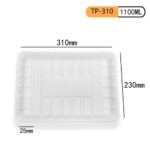
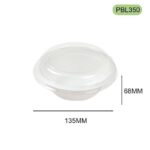
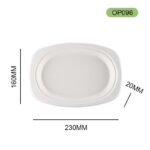
To meet these compliance challenges, DASHAN offers a range of environmentally friendly tableware options that are fully aligned with global sustainability standards. These include bagasse (sugarcane fiber) products, cornstarch tableware, and PLA-based cutlery and cups.
1️⃣ Bagasse (Sugarcane Fiber) Tableware
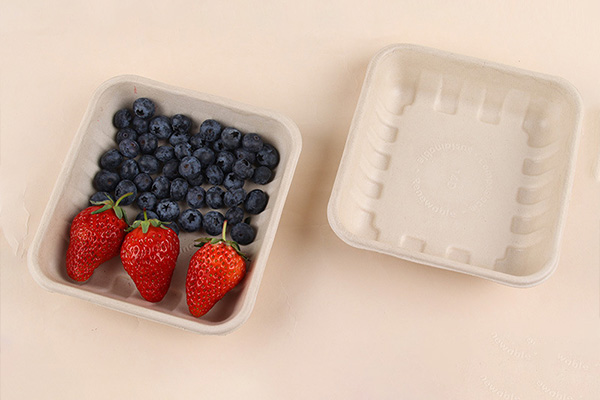
Experience & Expertise: DASHAN’s bagasse products are derived from sugarcane pulp, a byproduct of sugar production. This not only prevents waste but also reduces reliance on petroleum-based plastics.
Applications: Plates, bowls, clamshell boxes, trays.
Advantages:
-
Biodegradable and compostable: Breaks down naturally in industrial composting facilities.
-
Heat and oil resistant: Suitable for hot and oily foods without additional coatings.
-
Durable and lightweight: Easy to handle and stack for catering or delivery services.
-
Certified safe: Conforms to FDA, EU 10/2011, and SGS testing standards.
2️⃣ Cornstarch Tableware

Professional Insight: Cornstarch-based cups, cutlery, and containers provide a renewable and plant-based alternative to plastic. Experts recommend cornstarch materials for their rapid compostability and safety in food contact applications (PlasticsToday).
Applications: Cups, forks, spoons, knives, sporks.
Advantages:
-
Eco-friendly: Made from agricultural starches, reducing reliance on fossil fuels.
-
Biodegradable: Decomposes within months under industrial or home composting conditions.
-
Versatile: Suitable for hot and cold beverages and various food types.
-
Consumer-friendly: Lightweight and dishwasher-safe for limited reuse.
3️⃣ PLA (Polylactic Acid) Cutlery and Cups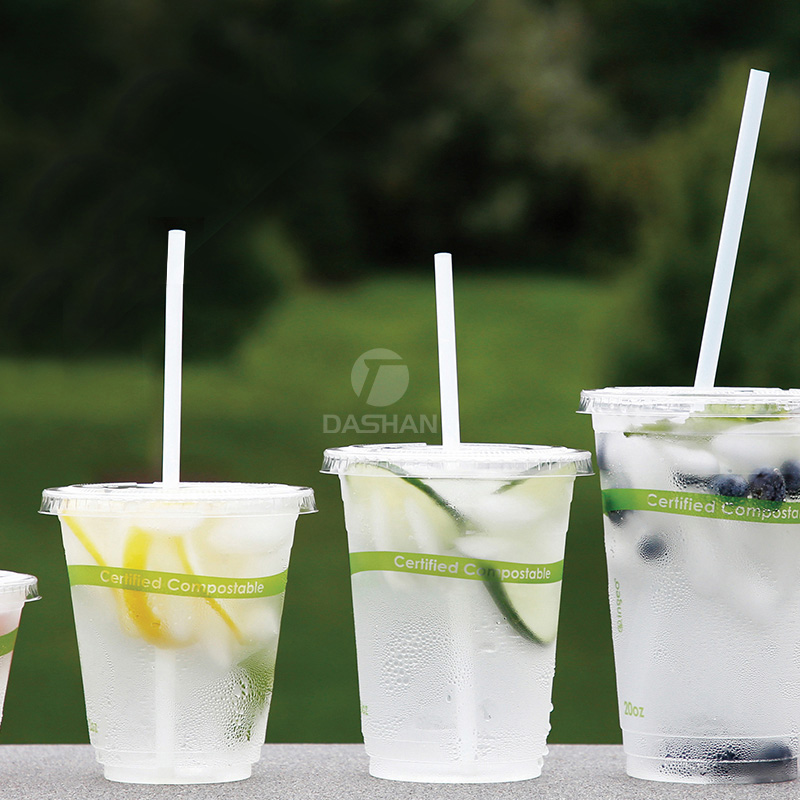
Authoritativeness: PLA, derived from fermented plant sugars, is widely recognized for its high heat resistance and clarity, making it a popular material for clear cups and durable cutlery.
Applications: Transparent cups, knives, forks, spoons for takeaway services.
Advantages:
-
High-temperature resistance: Safe for hot drinks without deformation.
-
Clear and appealing: Suitable for premium foodservice and beverage presentation.
-
Certified compostable: Meets EN13432 or equivalent certifications.
-
Supports circular economy: Can be composted alongside food waste.
🛠️ Business Strategies for Transition
Transitioning to sustainable packaging requires strategic planning:
-
Audit current packaging: Identify which items fall under the Plastic Packaging Tax or are non-compliant.
-
Partner with certified suppliers: Work with DASHAN or other trusted vendors for bagasse, cornstarch, and PLA products.
-
Test material performance: Ensure products can withstand practical use, including heat, oil, and moisture.
-
Communicate to consumers: Highlight sustainability features through labeling, QR codes, and marketing campaigns.
-
Educate staff: Train employees on handling and proper disposal of biodegradable products.
Expert Opinion: Dr. Emily Green, a sustainability consultant, states:
“Adopting plant-based and compostable packaging is not only a regulatory requirement but also a long-term brand investment. Companies that act early position themselves as environmentally responsible leaders in the market.”
🌍 Policy and Global Trends
The UK is not alone in regulating single-use plastics. Other countries with progressive plastic policies include:
-
France: Ban on single-use plastic cutlery and plates, with mandatory compostable alternatives by 2025 (France Environment).
-
Canada: National ban on certain single-use plastics by 2025 (Government of Canada).
-
Japan: Incentives for using biodegradable materials in foodservice.
Takeaway: Businesses operating internationally must adopt solutions that meet diverse regulatory standards. DASHAN’s product lines, certified under multiple global standards, make it easier to comply across borders.
🔗 DASHAN’s Commitment to Sustainable Development

DASHAN has been at the forefront of eco-friendly packaging innovation, focusing on:
-
Reducing environmental impact through the use of renewable plant-based materials.
-
Providing certified and reliable solutions for global foodservice operators.
-
Supporting circular economy practices by promoting compostable products.
-
Empowering businesses and consumers to make environmentally responsible choices.
By offering a wide range of bagasse, cornstarch, and PLA tableware, DASHAN ensures that adopting sustainable packaging is practical, affordable, and effective.
✅ Conclusion
The UK 2025 Plastic Packaging Tax presents both a challenge and an opportunity. Businesses must comply with regulations, reduce environmental impact, and respond to growing consumer demand for sustainable products.
DASHAN’s sustainable tableware solutions—from bagasse plates and bowls, cornstarch cups and cutlery, to PLA knives and transparent cups—offer reliable alternatives to conventional plastics. By transitioning to these plant-based, biodegradable, and certified products, businesses can achieve compliance, reduce waste, and enhance their brand reputation in a rapidly evolving market.
FAQ: UK Plastic Packaging Tax & Sustainable Alternatives
Q1. What is the UK Plastic Packaging Tax (effective April 2025)?
The tax applies to plastic packaging with less than 30% recycled content, encouraging businesses to adopt eco-friendly and recycled alternatives.
Q2. Which foodservice products are impacted by the law?
Disposable cutlery, takeaway containers, plastic straws, stirrers, and foam-based tableware are all targeted.
Q3. How can businesses comply with the UK Plastic Packaging Tax?
By using packaging with at least 30% recycled content or switching to certified biodegradable, compostable, or plant-based alternatives (e.g., bagasse, cornstarch, PLA).
Q4. What certifications ensure compliance?
International standards such as EN13432 (EU) and ASTM D6400 (US) validate compostability and food safety.
Q5. What sustainable alternatives does DASHAN provide?
-
Bagasse tableware: compostable, heat- and oil-resistant.
-
Cornstarch products: biodegradable, versatile, consumer-friendly.
-
PLA cups & cutlery: heat-resistant, transparent, compostable.
Q6. What are the benefits of switching to plant-based packaging?
Compliance with regulations, reduced environmental impact, improved brand image, and alignment with consumer demand for eco-friendly products.
Q7. How do global policies influence UK businesses?
Countries like France, Canada, and Japan are adopting similar bans and incentives, so businesses with international operations must ensure cross-border compliance.
Q8. Why partner with DASHAN for sustainable packaging?
DASHAN offers certified, globally compliant, and customizable solutions, helping businesses transition smoothly to eco-friendly packaging while maintaining performance and branding.
References
-
Plastic Packaging Tax – GOV.UK (collection of guidance)
https://www.gov.uk/government/collections/plastic-packaging-tax 政府.uk -
Plastic Packaging Tax: steps to take – GOV.UK
https://www.gov.uk/guidance/check-if-you-need-to-register-for-plastic-packaging-tax 政府.uk -
The Plastic Packaging Tax (General) Regulations 2022 (UK legislation)
https://www.legislation.gov.uk/uksi/2022/117/contents legislation.gov.uk -
DASHAN – History & Evolution of Corn Starch Tableware
https://www.dashanpacking.com/history-evolution-corn-starch-tableware/ dashanpacking.com -
DASHAN – Biodegradable Tableware for Cafés, Schools & Offices
https://www.dashanpacking.com/biodegradable-tableware-cafes-schools-office/ dashanpacking.com -
PwC – Plastic Packaging Tax in the UK
https://www.pwc.co.uk/services/tax/plastic-packaging-tax.html PwC -
HydePackage – Advantages of Cornstarch Tableware
https://www.hydepackage.com/info-detail/advantages-of-cornstarch-tableware hydepackage.com -
Clarity – The Complete Guide to Plastic Packaging Tax
https://clarity.eco/knowledge/plastic-packaging-tax-the-complete-guide/ Clarity
Disclaimer & Copyright Notice
This article is created by the Dashan Packing editorial and research team.
All information presented here is for educational and industry reference purposes only.
Some data and standards cited in this article are sourced from publicly available materials,
official regulatory documents, or third-party publications, which are properly credited where applicable.
All rights to third-party trademarks, images, and content belong to their respective owners.
If any copyrighted material has been used inadvertently, please contact us at angel@chndashan.com.
We respect intellectual property rights and will promptly remove or revise any material upon verification.