

Quick Summary
Modern consumer lifestyles are reshaping the food retail industry, creating new demands for convenient, portable, and sustainable packaging. Busy urban schedules, smaller households, and the popularity of ready-to-eat meals have increased the need for single-serve food packaging. A recent trend in Shenzhen supermarkets—introducing individually portioned meals—illustrates how retailers are adapting to these changes. To support this shift, packaging must balance functionality, product visibility, and environmental responsibility. Materials such as PET, PP, CPET, RPET, PLA, and bagasse help food brands provide solutions that meet modern retail and consumer needs.
Introduction
The way consumers purchase and consume food has changed dramatically in recent years. Busy urban lifestyles, single-person households, and the rise of convenience-focused retail have shifted demand toward ready-to-eat meals, takeaway options, and single-serve portions. Food packaging is no longer just a container; it has become an essential tool to maintain freshness, enhance convenience, and support the consumer’s lifestyle.
In Shenzhen, for example, several supermarkets have recently introduced single-serve food items, targeting individuals who prefer smaller portions and quick meals. These include ready-to-eat salads, meal boxes, and snack combinations. Packaging for these products needs to balance convenience, safety, and visual appeal, highlighting the growing role of thoughtful design in modern food retail. Suppliers like DASHAN provide diverse materials—including PET, PP, CPET, RPET, PLA, and bagasse—to meet these new consumer requirements.
Consumer Lifestyles Driving Packaging Innovation
Urbanization and Fast-Paced Living
As cities expand, residents face increasingly busy schedules. Smaller households and more single-person living arrangements mean that consumers often purchase food for immediate consumption rather than bulk meals. This trend has boosted the demand for single-serve packaging, which is lightweight, portable, and ready-to-eat.
Health and Convenience Trends
Consumers are increasingly health-conscious but still value convenience. Ready-to-eat salads, portion-controlled meals, and individually packed snacks have become more popular. Packaging plays a crucial role in maintaining freshness, protecting product integrity, and supporting these lifestyle-driven choices.
On-the-Go Consumption Patterns
Food is increasingly consumed on the move—during commutes, breaks, or travel. Packaging must support portability, durability, and ease of use, ensuring that meals remain intact from store to consumption.
E-Commerce and Grocery Delivery
The growth of online grocery and meal delivery has also influenced packaging design. Containers must withstand shipping and handling, maintain product integrity, and meet consumer expectations for convenience.
Packaging Requirements in Modern Retail
Modern consumer lifestyles have changed the requirements for food packaging. The following table highlights the differences between traditional and modern retail needs:
| Consumer Needs | Traditional Packaging | Modern Retail Packaging |
|---|---|---|
| Convenience | Low | High |
| Portability | Limited | Excellent |
| Single-Serve Portions | Rare | High Demand |
| Microwave/Reheat | Not Standard | Required |
| Sustainability | Emerging | Expected |
| Visual Appeal | Secondary | Critical |
Shenzhen Single-Serve Meals: A Case Study
Supermarket Initiatives
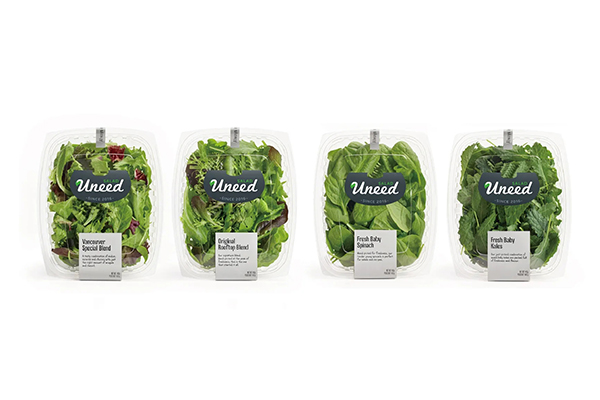
Shenzhen supermarkets have begun rolling out single-serve meal solutions to meet growing consumer demand. These offerings typically include:
-
Ready-to-eat salads
-
Cold meal boxes
-
Snack combinations
-
Individually portioned desserts
Packaging Materials in Use
-
PET / RPET: High transparency for fresh foods like salads and fruits
-
PP: Microwave-safe meal boxes for reheating
-
Composite Structures: Oxygen or moisture barrier for longer shelf life
These innovations show how packaging must align with urban lifestyles, offering convenience, portability, and an appealing presentation.
Why Single-Serve Works
Single-serve packaging reduces food waste, meets health-conscious consumer preferences, and adapts to smaller household sizes. Transparent PET containers or eco-friendly bagasse boxes help consumers easily select products while maintaining freshness and structural integrity.
Design Principles for Lifestyle-Adapted Packaging
Portion Control and Single-Serve Design
-
Compartment trays separate different meal components
-
Lightweight designs for easy handling
-
Leak-proof structures to prevent spills
Portability and On-the-Go Convenience
-
Stackable and transport-friendly containers
-
Handles or secure lids for easy carrying
-
Compatible with food delivery platforms
Heat and Reheat Compatibility
-
Microwave-safe PP trays for hot meals
-
CPET trays for frozen meals that require heating
-
Products must retain shape and integrity during heating
Visual Appeal and Product Communication
-
Clear PET or RPET containers increase product visibility
-
Colorful labeling and portion guides communicate health and nutrition
-
Packaging design influences purchase decisions, particularly for ready-to-eat and takeaway meals
Sustainability Considerations
-
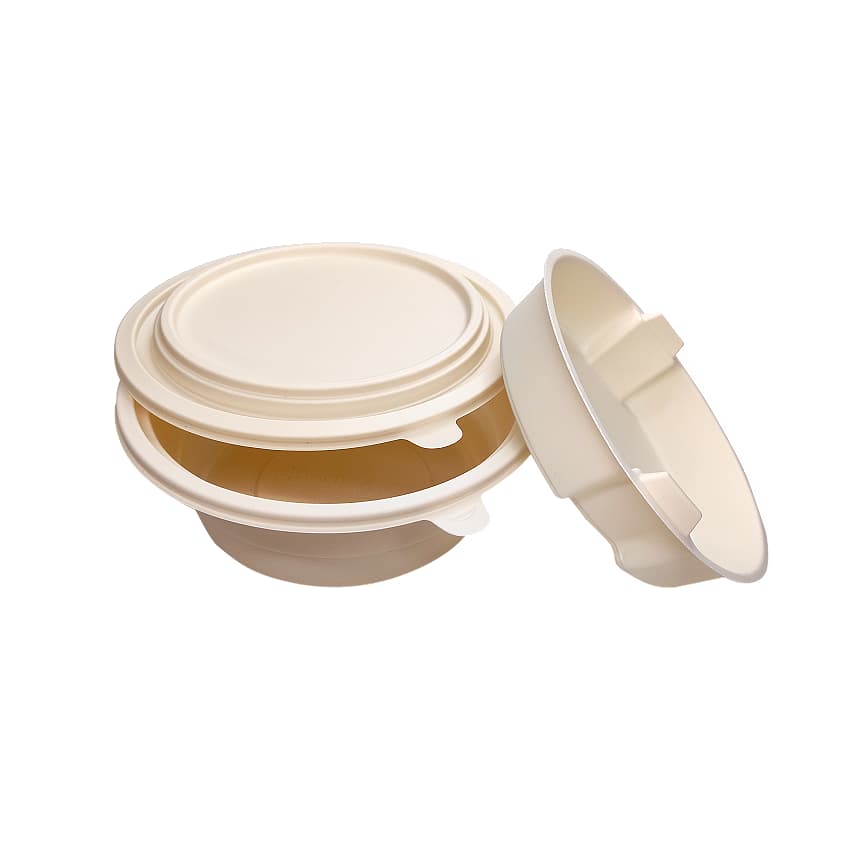
Materials like RPET, PLA, and bagasse reduce environmental impact
-
Single-material designs improve recyclability
-
Suppliers like DASHAN offer multiple material options to balance performance and sustainability
Material Selection: Matching Lifestyle Needs
PET & RPET
-
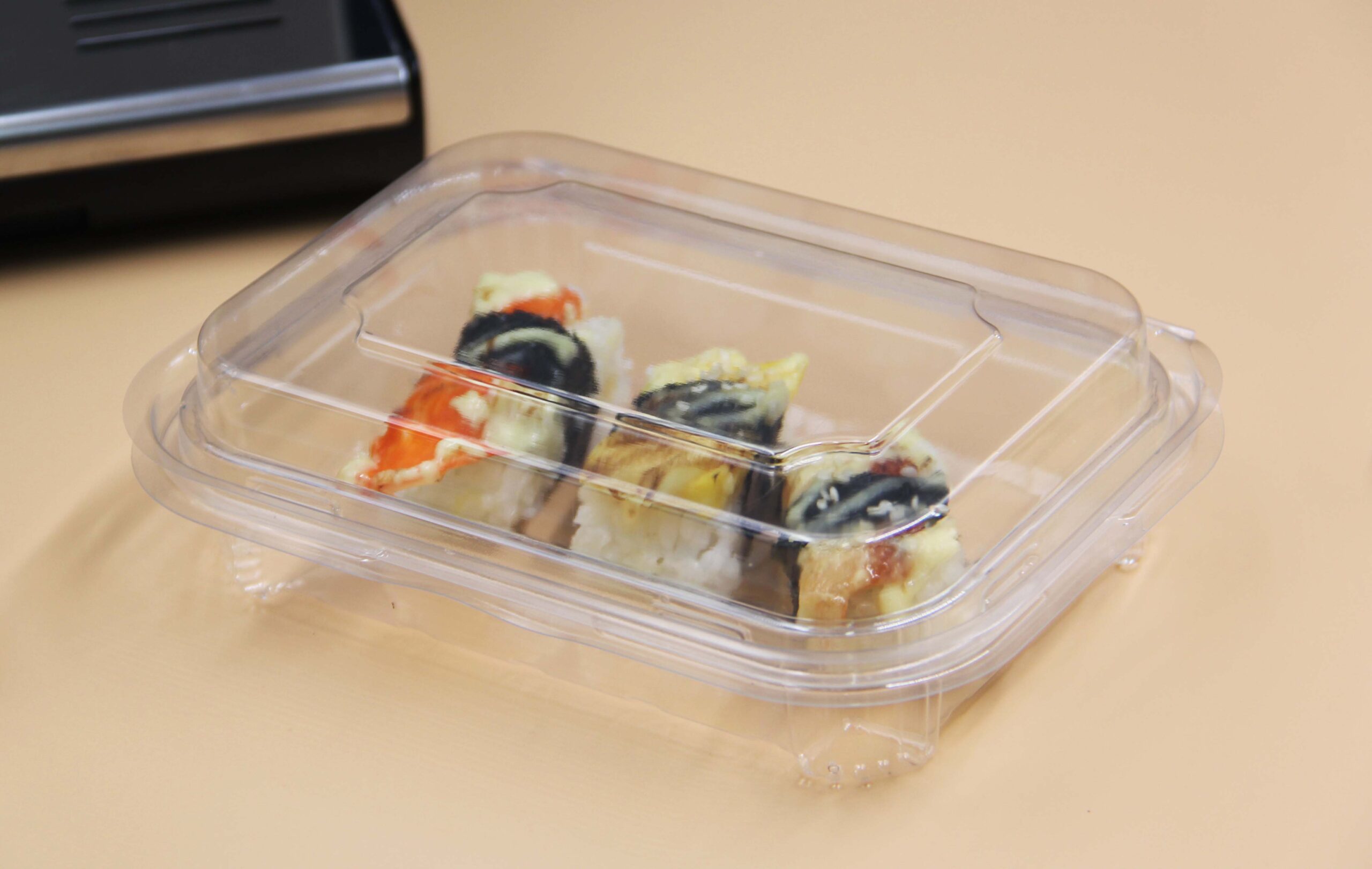
Ideal for cold meals, salads, and fresh produce
-
High transparency improves consumer confidence
-
Can be combined with anti-fog lids for cold storage
PP
-
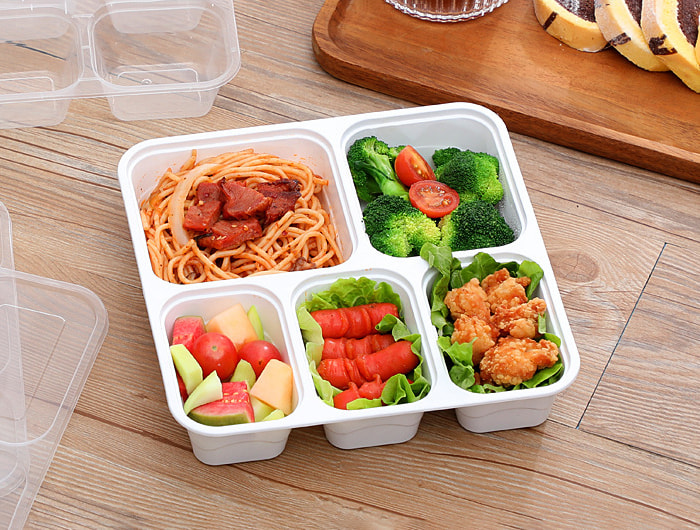
Excellent for microwave-ready meals
-
Maintains shape and integrity when reheated
-
Commonly used for single-serve bento boxes
CPET
-
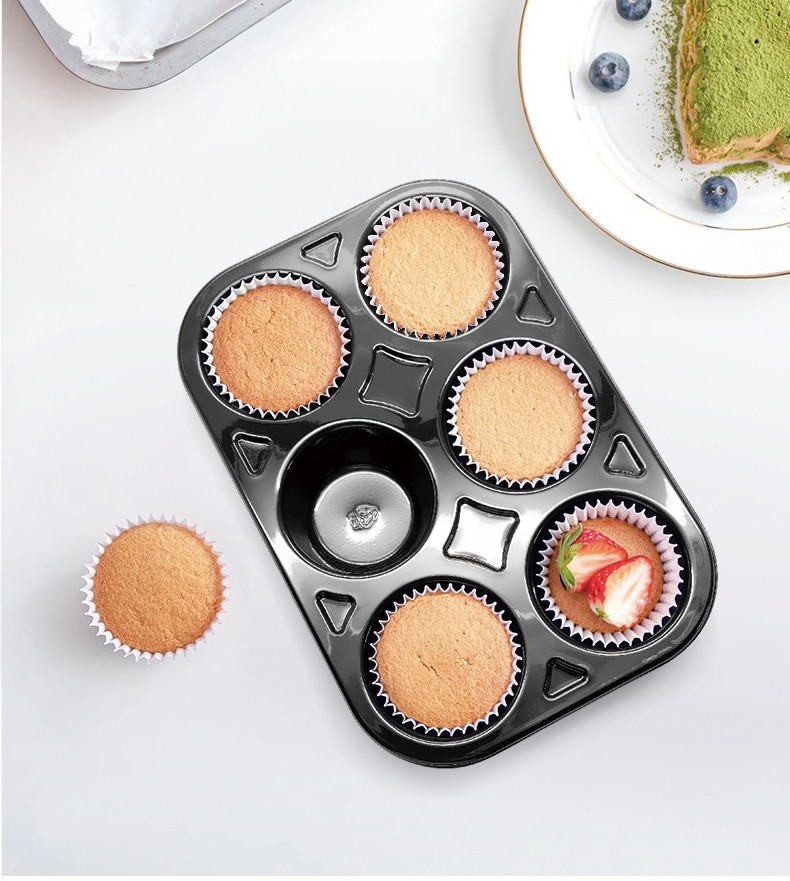
Suitable for frozen meals that require oven or microwave reheating
-
High thermal stability and structural strength
Bagasse & PLA
-
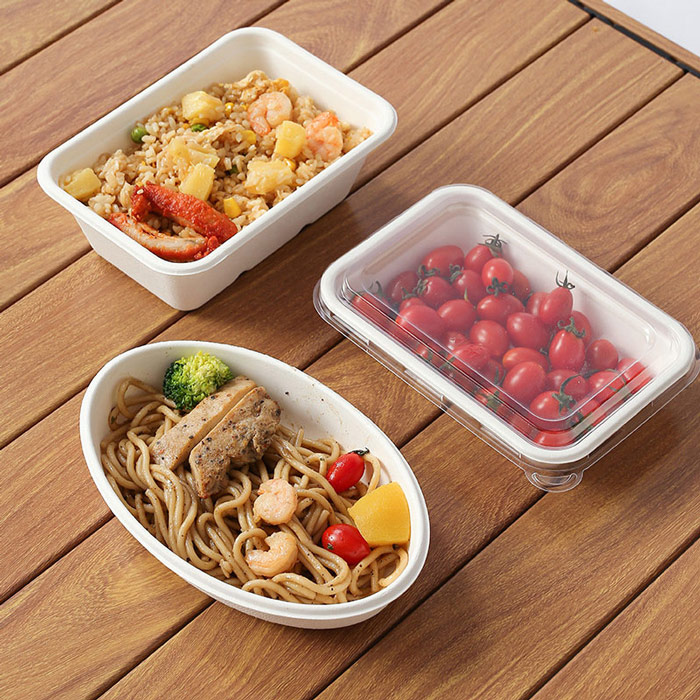
Biodegradable, compostable options for takeaway meals
-
Ideal for eco-conscious consumers and restaurants
-
Supports sustainability goals without sacrificing functionality
Functional Packaging Features
-
Easy-open lids for convenience
-
Re-sealable designs to maintain freshness
-
Anti-leak and structural strength for delivery and transport
-
Portion guides and nutrition labels for health-conscious consumers
-
Clear visibility to improve shelf appeal
These features enhance user experience, reduce waste, and align packaging with consumer expectations.
Role of Packaging Suppliers like DASHAN
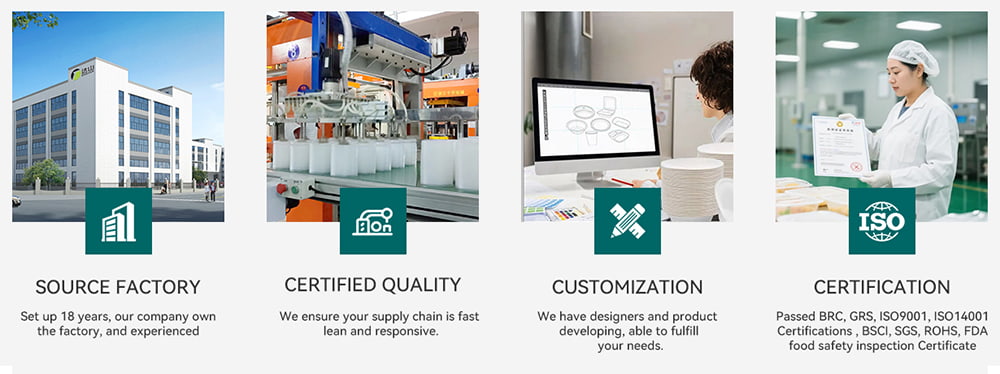
Suppliers that provide multi-material solutions are crucial to modern food retail. DASHAN offers:
-
Custom molds for single-serve, multi-compartment, and stackable containers
-
Food safety compliance and quality assurance
-
Packaging solutions tailored for supermarkets, convenience stores, and delivery services
By offering diverse solutions, suppliers enable retailers and food brands to adapt packaging to changing lifestyles efficiently.
Future Outlook
-
Micro-portions and meal kits will continue to grow
-
Smart packaging (freshness indicators, temperature tracking) may integrate into retail
-
Zero-waste initiatives will encourage reusable or fully compostable packaging
-
Customization and modularity for single-serve and grab-and-go meals will expand
Packaging will increasingly function as an interface between food, lifestyle, and sustainability, not just as a container.
FAQ
1. Why is food packaging changing in modern retail?
Food packaging is evolving because consumer lifestyles are changing. Busy schedules, urban living, and smaller households have increased the demand for convenient, ready-to-eat meals and single-serve portions, requiring packaging that is portable, functional, and easy to use.
2. What are single-serve meals in supermarkets?
Single-serve meals are individually portioned food products designed for one person. They often include ready-to-eat salads, meal boxes, snack sets, or desserts that can be quickly consumed without additional preparation.
3. Why are supermarkets introducing single-portion foods?
Supermarkets are introducing single-portion foods to meet the needs of urban consumers who prefer smaller meals, reduced food waste, and convenient ready-to-eat options.
4. What materials are commonly used for modern food retail packaging?
Common materials include PET and RPET for transparent cold-food containers, PP for microwave-safe meal boxes, CPET for frozen or oven-ready meals, and sustainable materials like PLA and bagasse for eco-friendly packaging.
5. How does packaging improve convenience for consumers?
Packaging improves convenience through features such as easy-open lids, microwave compatibility, stackable designs, and lightweight structures that allow consumers to carry and consume food easily.
6. Why is sustainability important in food packaging?
Consumers and governments increasingly expect environmentally responsible packaging. Materials such as recycled plastics, compostable fibers, and plant-based polymers help reduce environmental impact while maintaining packaging performance.
7. How do packaging suppliers support modern food retail?
Packaging manufacturers provide various material options, custom container designs, and production capabilities that help food brands adapt to evolving retail trends and consumer expectations.
Conclusion
Modern food retail packaging must adapt to changing consumer lifestyles. Shenzhen’s single-serve meal trends highlight the need for:
-
Portability
-
Convenience
-
Portion control
-
Visual appeal
-
Sustainability
Materials such as PET, PP, CPET, RPET, PLA, and bagasse allow food brands to address these needs effectively. Suppliers like DASHAN play a key role by providing multi-material, high-quality solutions that support convenience, sustainability, and modern food retail strategies.
Packaging is no longer just a container—it is a tool to meet consumer lifestyle demands.
References
-
https://www.packagingstrategies.com/articles/95903-food-packaging-trends
-
https://www.foodnavigator.com/Article/2023/06/05/packaging-trends-in-the-global-food-industry
-
https://www.sciencedirect.com/topics/engineering/food-packaging
-
https://www.worldwildlife.org/industries/sustainable-packaging
Copyright Statement
© 2026 Dashan Packing. All rights reserved.
This article is an original work created by the Dashan Packing editorial team.
All text, data, and images are the result of our independent research, industry experience,
and product development insights. Reproduction or redistribution of any part of this content
without written permission is strictly prohibited.
Dashan Packing is committed to providing accurate, evidence-based information and
to upholding transparency, originality, and compliance with global intellectual property standards.