

1. Introduction
The beverage market has seen a significant rise in consumer preference for smaller, more convenient drink sizes, fueled by growing health-consciousness, portability, and customization. As consumers increasingly seek options that allow them to control portion sizes, small beverage cups and test drink packaging have become crucial elements of marketing strategies for beverage brands. In particular, trial-sized portions not only encourage customers to sample new products but also help brands build loyalty and improve consumer retention.
The demand for small beverage cups and trial drink packaging is driven by numerous factors, from consumer trends to environmental concerns. In this article, we will explore the growing demand for these packaging solutions, their applications, key features, and sustainability considerations. Additionally, we will examine how brands can leverage small beverage packaging to enhance customer experience, increase sales, and remain competitive in an ever-evolving market.
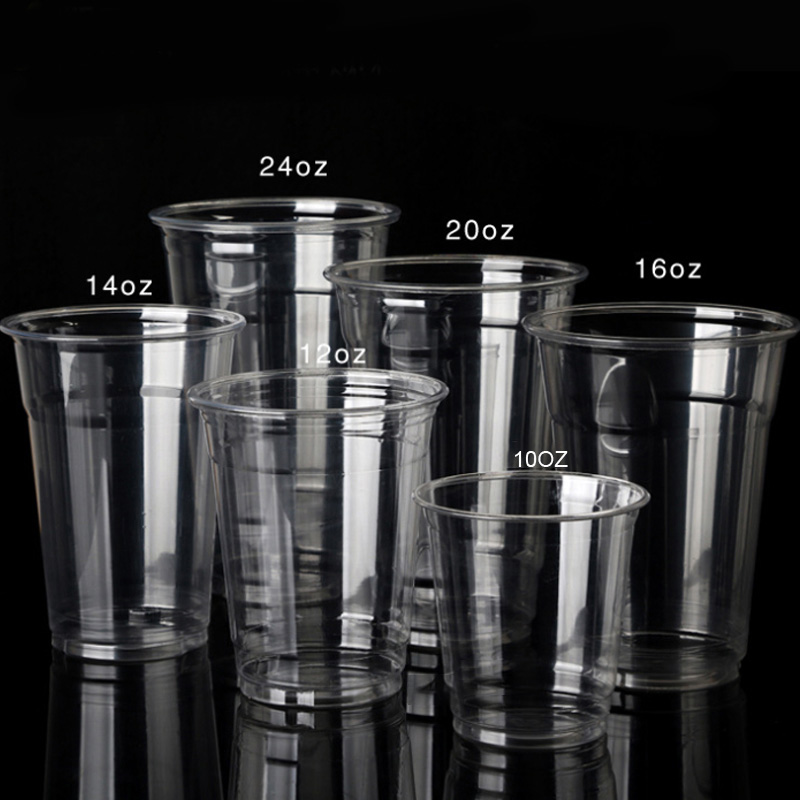
2. Trends Driving Demand for Small Beverage Cups
Rise in Portion Control and Smaller Servings
In recent years, there has been a notable shift towards smaller portion sizes in the food and beverage sector. Driven by consumers’ increasing focus on health and wellness, smaller servings offer several benefits, including controlled calorie intake and the ability to try a wider variety of products without committing to large quantities. Small beverage cups allow consumers to enjoy a wide range of drinks without the pressure of finishing a full-size serving. This trend is particularly evident in the coffee, smoothie, and soft drink industries, where mini-sized beverages are gaining popularity.
Growth of Trial Sizes and Sample Packs
The growth of trial-size packaging, including test drink cups, has been a powerful marketing tool for beverage brands. By offering smaller portions at a reduced price or for free, brands can attract new customers and build brand awareness. This strategy allows consumers to experience new flavors, ingredients, or products without the risk of purchasing a large quantity that they may not enjoy. Test drink packaging is commonly used in cafes, restaurants, and at promotional events to introduce consumers to new beverages, while also gathering valuable feedback on product preferences.
Influence of Convenience and Portability
Modern consumers lead fast-paced lives and are always on the lookout for products that offer convenience and portability. Small beverage cups cater to this need by providing easy-to-carry, single-serve options that are perfect for on-the-go consumption. These cups are particularly popular in convenience stores, coffee shops, and fast-food restaurants, where customers are looking for quick, portable drink options. Single-serve cups are also ideal for busy professionals who require quick refreshment during their daily commutes or work breaks.
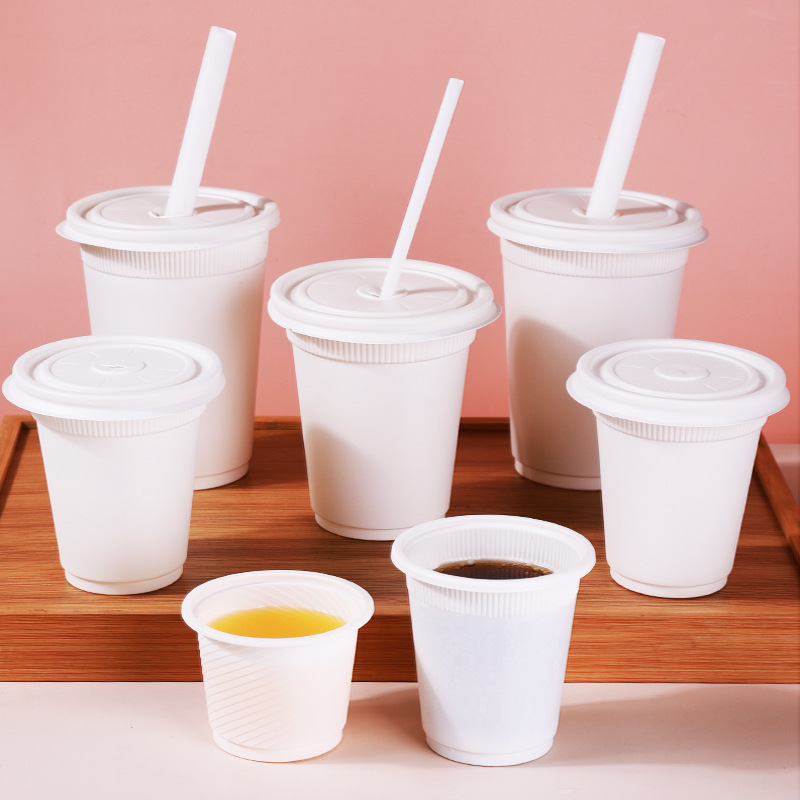
3. Applications of Small Beverage Cups in Different Sectors
Retail and Foodservice
In retail and foodservice industries, small beverage cups are widely used for single-serve drinks, enabling businesses to meet the demand for quick, convenient beverages. Coffee shops, juice bars, and fast-food chains frequently offer drinks in smaller portion sizes to cater to consumers who want to enjoy a beverage without purchasing a larger, more expensive option. Small cups, particularly those designed for hot or cold beverages, allow businesses to increase their range of offerings and meet diverse consumer preferences.
In addition, test drink packaging plays an essential role in product testing and sampling. For instance, beverage companies often use smaller cups to introduce limited-edition flavors or seasonal drinks to their customers. This strategy helps create buzz around new offerings and drives immediate sales, while also generating consumer interest and engagement.
Beverage Sampling and Testing
One of the key applications of small beverage cups is in product testing. Whether it’s a limited-edition flavor, a new formula, or a seasonal offering, small cups are an effective way for brands to gauge consumer interest without requiring a significant commitment from customers. Beverage companies often offer free samples or discounted trial cups to allow consumers to taste and evaluate new drinks. This not only enhances brand awareness but also encourages customers to try something new without feeling like they’re wasting money or resources.
Marketing and Branding
Custom small beverage cups provide an excellent opportunity for brands to showcase their identity through personalized designs. Logos, product names, and unique visuals can be printed on small beverage cups to capture attention and stand out in crowded retail spaces. This customization aspect has made small beverage cups particularly popular in promotional campaigns, where companies seek to leave a lasting impression on their target audience.
For example, brands can release test drink packaging in special designs or limited edition cups that feature exclusive artwork or event-related themes. This tactic not only adds a collectible aspect to the product but also enhances the brand’s image by aligning with the consumer’s values and interests.
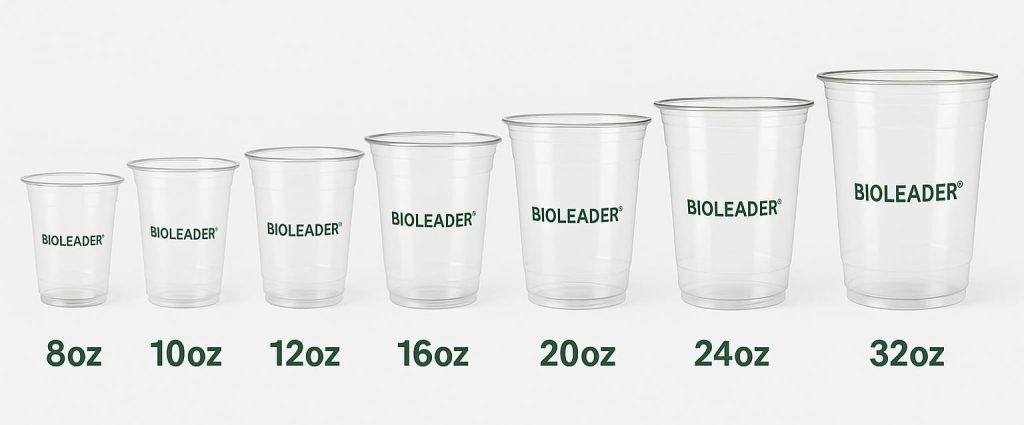
4. Key Features of Small Beverage Cups and Test Drink Packaging
Customization and Design
The customization of small beverage cups has become an essential factor for brands looking to enhance their product appeal. From customized logos to unique designs, beverage companies can personalize the packaging to reflect their branding, increase product visibility, and engage with customers. Test drink packaging can also be tailored to suit different types of beverages, from clear cups for juices to opaque cups for hot drinks like coffee or tea.
Functionality and Convenience
In addition to customization, functionality plays a significant role in the appeal of small beverage packaging. Small beverage cups often come with secure lids, spill-resistant features, and easy-to-hold designs that make them ideal for consumers on the go. Moreover, these cups are designed to be leakproof, which is essential for maintaining product integrity during transport and handling.
For test drink packaging, features like tamper-evident seals and freshness preservation mechanisms are important. These elements help ensure that customers receive a high-quality product that meets their expectations, especially for beverages that require temperature control or protection from contamination.
Sustainability in Small Beverage Packaging
With increasing consumer awareness of environmental issues, sustainability has become a crucial factor in the demand for small beverage cups and test drink packaging. Materials such as PLA (Polylactic Acid), RPET (Recycled PET), and other biodegradable or recyclable materials are being widely used to meet the growing demand for eco-friendly packaging solutions. Companies that prioritize sustainable packaging not only meet regulatory requirements but also appeal to environmentally-conscious consumers.
5. Market Demand for Test Drink Packaging
Consumer Preferences for Smaller Servings
Consumers are increasingly favoring smaller portions when it comes to beverages. Whether it’s for trying new flavors or managing calorie intake, small beverage cups offer the ideal solution. As a result, test drink packaging has gained significant traction in the market. Brands that offer sample-size portions can attract a wider audience, providing a risk-free opportunity for customers to try new products.
The popularity of test drink cups is particularly noticeable in industries like coffee, energy drinks, and flavored waters, where brands introduce new products with promotional campaigns. Consumers often find the smaller serving sizes more appealing, as they can sample several options without committing to larger, more expensive purchases.
Innovative Packaging Solutions
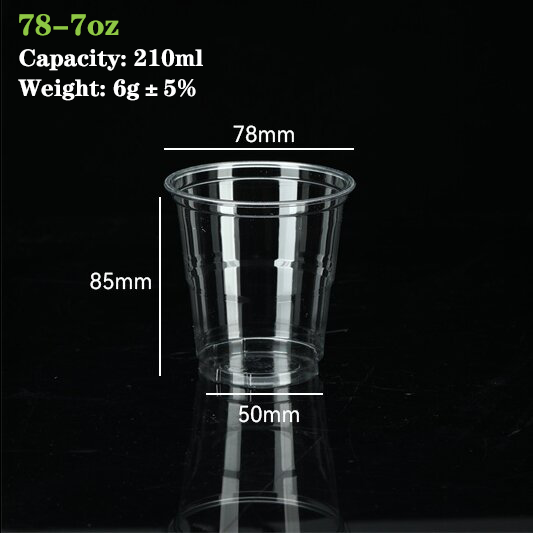
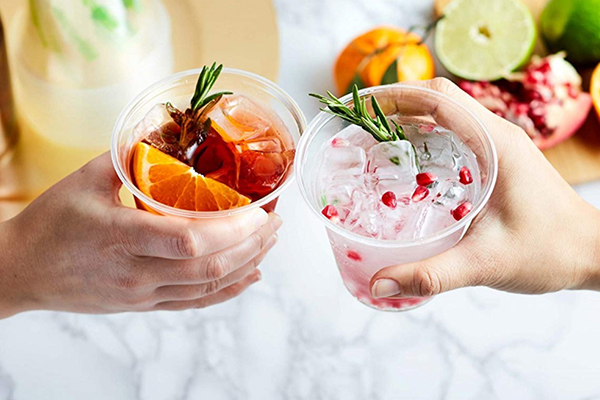
To stand out in a crowded market, beverage brands are increasingly turning to innovative packaging solutions. The advent of clear, transparent small cups has allowed consumers to see the product inside, which increases consumer trust and appeal. Additionally, some brands are integrating smart packaging features, such as QR codes or interactive elements, into their test drink packaging. These innovations not only enhance the consumer experience but also create opportunities for brands to engage with customers digitally.
Impact on Brand Loyalty and Repeat Purchases
Offering small beverage cups for testing or sampling has a direct impact on brand loyalty. Consumers who are able to try a product before committing to a larger purchase are more likely to make repeat buys. In fact, studies have shown that sampling often leads to increased customer retention and higher conversion rates. Brands that incorporate test drink packaging into their marketing strategies can foster deeper connections with their audience, building a loyal customer base over time.
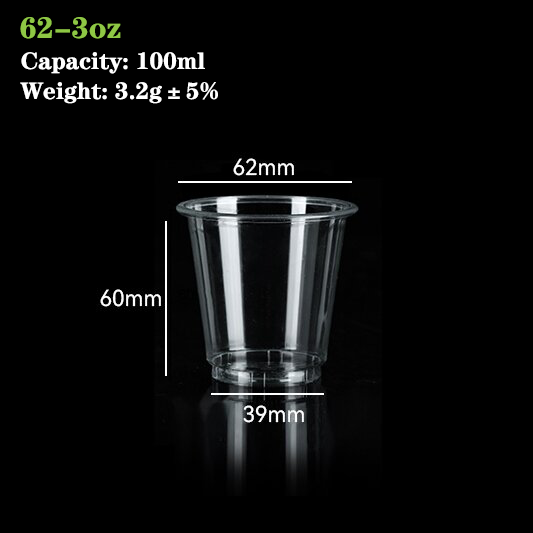
6. Environmental Impact and Sustainability Considerations
Sustainable Materials for Small Beverage Cups
Sustainability has become a significant consideration in beverage packaging. Consumers are increasingly looking for eco-friendly alternatives to traditional plastic cups. PLA cups, made from renewable resources such as corn starch, offer an environmentally-friendly option for small beverage cups. Other materials, like RPET (recycled PET), are also gaining popularity due to their ability to reduce plastic waste by utilizing recycled materials.
The Role of Recycling and Compostability
The demand for compostable and recyclable packaging is rising as both consumers and businesses become more environmentally aware. As a result, brands are investing in more sustainable packaging options, which can be composted at home or easily recycled. Brands that prioritize the use of sustainable materials in their test drink packaging not only reduce their environmental footprint but also position themselves as leaders in the growing movement towards sustainability.
7. Challenges in the Small Beverage Cup Market
Cost vs. Sustainability
One of the main challenges in producing small beverage cups using sustainable materials is the balance between cost and eco-friendliness. Sustainable materials, such as PLA or RPET, can be more expensive than traditional plastic, which raises the overall cost of production. Brands must evaluate their pricing strategies carefully to ensure that they can offer affordable products while maintaining sustainable practices.
Logistics and Supply Chain
The logistics of small beverage packaging also present challenges. Shipping small, lightweight cups efficiently requires streamlined supply chains to minimize costs and environmental impact. Additionally, the smaller size of these cups may require additional packaging to protect them during transportation, leading to increased logistical complexity.
8. Future Outlook for Small Beverage Cups and Test Drink Packaging
Growth Projections in the Beverage Industry
The market for small beverage cups is expected to grow significantly in the coming years. As consumer preferences continue to shift towards smaller portions and trial-sized products, the demand for test drink packaging will increase across various beverage sectors, including soft drinks, coffee, smoothies, and health drinks. This growth is driven by the increasing number of health-conscious consumers who seek smaller portions without sacrificing flavor or variety.
Innovations on the Horizon
The future of small beverage packaging will likely involve continued innovation in sustainability and customization. The development of more advanced materials, such as biodegradable plastics, and the integration of smart packaging solutions, such as digital labels and interactive designs, will play a significant role in shaping the market.
9. Conclusion
In conclusion, the demand for small beverage cups and test drink packaging continues to grow, driven by changing consumer preferences, convenience, and sustainability concerns. As more consumers seek smaller portions and more sustainable packaging options, beverage brands must adapt to these trends to stay competitive. By embracing eco-friendly materials, innovative packaging solutions, and marketing strategies that emphasize trial sizes, brands can tap into the growing market for small beverage cups and build long-lasting relationships with their customers.
10. FAQs
1. What are the most common materials used for small beverage cups?
-
PLA, RPET, and PET are commonly used due to their eco-friendly properties.
2. How can brands effectively use small beverage cups for marketing and product testing?
-
By offering trial sizes and customizing cups with branding, companies can increase customer engagement.
3. What are the environmental benefits of using PLA and RPET for small beverage packaging?
-
Both materials are biodegradable or recyclable, reducing plastic waste.
4. How does small beverage packaging contribute to consumer decision-making?
-
Consumers are more likely to try new products when offered in smaller, less risky portions.
5. What are the challenges of manufacturing small beverage cups in sustainable materials?
-
Higher production costs and logistical complexities can be barriers.
References
-
Smith, J. & Thompson, R. (2023). The Growth of Small Beverage Packaging: Trends and Consumer Preferences. Beverage Industry Journal, 47(2), 32-45.
URL: https://www.beverageindustry.com/articles/12345-the-growth-of-small-beverage-packaging-trends-and-consumer-preferences -
Environmental Protection Agency (EPA). (2022). Sustainable Packaging for Beverage Products: Materials, Trends, and Regulations. EPA Publications.
URL: https://www.epa.gov/sustainable-packaging/beverage-products-materials-trends -
Davis, L., & Miller, P. (2021). Packaging Innovation in the Beverage Industry: The Role of Trial-Sized Products in Consumer Engagement. Journal of Packaging Science & Technology, 56(3), 101-113.
URL: https://www.packagingsciencetech.com/packaging-innovation-beverage-industry
Copyright Statement
© 2025 Dashan Packing. All rights reserved.
This article is an original work created by the Dashan Packing editorial team.
All text, data, and images are the result of our independent research, industry experience,
and product development insights. Reproduction or redistribution of any part of this content
without written permission is strictly prohibited.
Dashan Packing is committed to providing accurate, evidence-based information and
to upholding transparency, originality, and compliance with global intellectual property standards.