

Introduction
PP disposable plastic cups are widely used in various sectors, from foodservice to healthcare, and continue to grow in popularity due to their versatile and cost-effective nature. These cups are made from one of the most common thermoplastics, which has revolutionized packaging across industries. PP cups are used for both hot and cold beverages, making them ideal for applications ranging from fast food to event catering.
Disposable cups are integral to modern-day society, especially in the fast-paced environment of the foodservice industry. The global rise in take-out and on-the-go beverages has accelerated demand for these disposable solutions. As businesses strive for efficiency, consumer convenience, and cost-effectiveness, PP cups offer an optimal solution that satisfies these needs.
What is Polypropylene (PP)?
Polypropylene (PP) is a thermoplastic polymer, produced by polymerizing the propylene monomer. It has a variety of applications due to its mechanical properties, chemical resistance, and ability to withstand higher temperatures than many other plastics.
Chemical Properties of Polypropylene:
PP is characterized by its semi-crystalline structure, which gives it a combination of both rigidity and flexibility. Some key properties include:
-
Heat Resistance: PP has a high melting point, typically around 160-170°C. This makes it an ideal material for hot beverage cups.
-
Chemical Inertness: PP is resistant to a wide range of chemicals, including oils and acids, which makes it suitable for food and beverage packaging.
-
Durability: PP is tough and resistant to impact, giving it the ability to maintain shape and strength under stress.
Production Process of PP Cups:
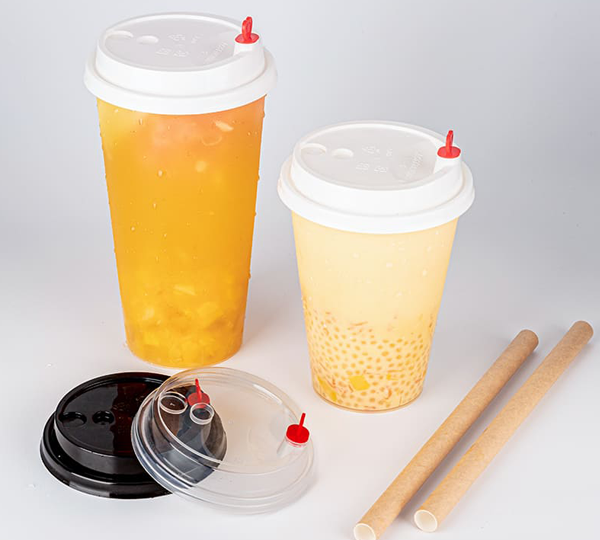
The production of PP cups involves two primary processes: injection molding and thermoforming.
-
Injection Molding: This method involves melting polypropylene and injecting it into a mold to form the desired shape. This is a precise and efficient process used for producing large quantities of cups.
-
Thermoforming: In this process, a sheet of polypropylene is heated until it becomes soft and then shaped into the desired form using vacuum or pressure.
Applications of PP Disposable Plastic Cups
PP disposable cups are widely used in the foodservice industry, but their applications extend far beyond that. Here are the key sectors where these cups are popular:
Food and Beverage Industry:
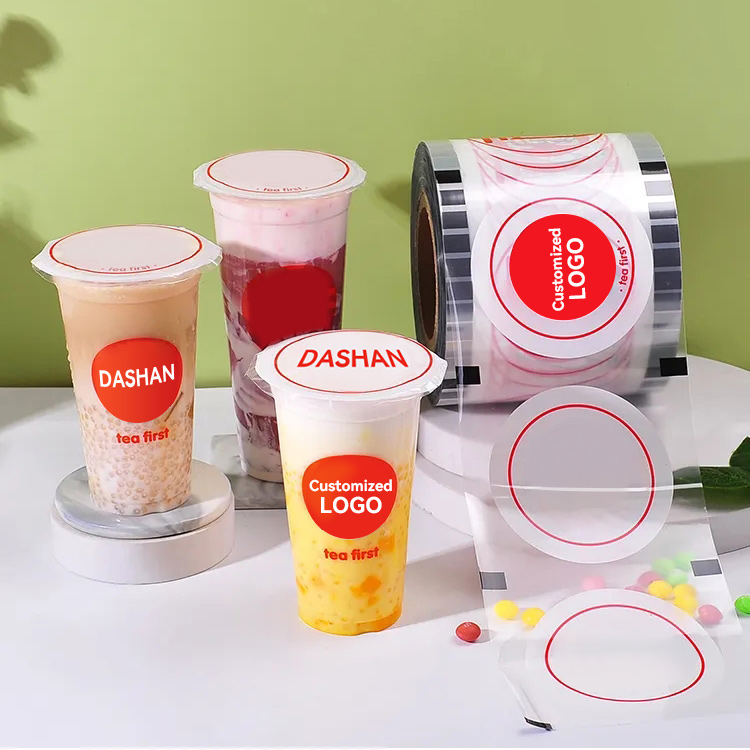
The food and beverage industry remains the largest consumer of PP cups. These cups are commonly used in:
-
Cold Beverages: Soft drinks, juices, iced tea, smoothies, and other chilled drinks.
-
Hot Beverages: Coffee, tea, hot chocolate, and soups.
-
Milkshakes and Smoothies: The structural integrity of PP cups allows them to hold thick beverages like milkshakes and smoothies without deforming.
PP cups are particularly favored in quick-service restaurants, fast food outlets, and cafes due to their versatility and cost-effectiveness.
Catering and Events:
Disposable cups made from PP are essential in catering and event management, where large quantities of drinks need to be served quickly and efficiently. They are ideal for:
-
Weddings and Large Gatherings: PP cups offer a cost-effective solution for large events and parties where guests require beverages in disposable containers.
-
Festivals and Concerts: PP cups help in serving thousands of drinks at a time, offering a practical and hygienic solution for high-demand situations.
Healthcare and Pharmaceuticals:
In healthcare settings, PP cups are used for:
-
Medication Packaging: PP is a non-reactive material, making it safe for packaging liquid medicines.
-
Patient Use: Hospitals and medical facilities often use PP cups to distribute water, medicine, or nutritional drinks to patients.
Other Niche Applications:
PP cups are also used in industries like cosmetics and automotive, where small quantities of liquids need to be contained or where disposable packaging is required.
Benefits of PP Disposable Cups
There are numerous reasons why PP cups have become so popular across different industries. Here are the primary benefits:
Cost-Effectiveness and Availability:
One of the most appealing aspects of PP is its cost. As one of the cheapest thermoplastics, PP allows manufacturers to produce disposable cups at scale, which lowers production costs. The material is readily available, which makes it easy for businesses to source in large quantities.
Durability and Sturdiness:
Unlike some other plastic materials, PP has a high level of toughness and impact resistance. This means PP cups can withstand external pressure without cracking or breaking, even when used in demanding environments. This makes them an ideal choice for both cold and hot beverages.
Heat Resistance and Insulation:
PP cups are particularly well-suited for hot beverages due to their high heat resistance. Whether it’s a steaming cup of coffee or hot soup, PP cups can handle temperatures that would cause other materials like polystyrene (PS) to soften or melt. Additionally, PP’s insulation properties help in keeping beverages at the desired temperature longer.
Environmental Considerations and Recycling:
PP is recyclable, making it a better alternative to many other single-use plastics. Although PP cups are not biodegradable, their recyclability reduces their overall environmental impact. With growing awareness around the importance of recycling, many businesses are beginning to use PP cups made from recycled materials, which helps promote a circular economy.
Customization Options for PP Cups
Customization is one of the key selling points for PP cups, especially for businesses looking to create a unique and branded experience for their customers. Below are the customization options available for PP cups:
Branding and Printing:
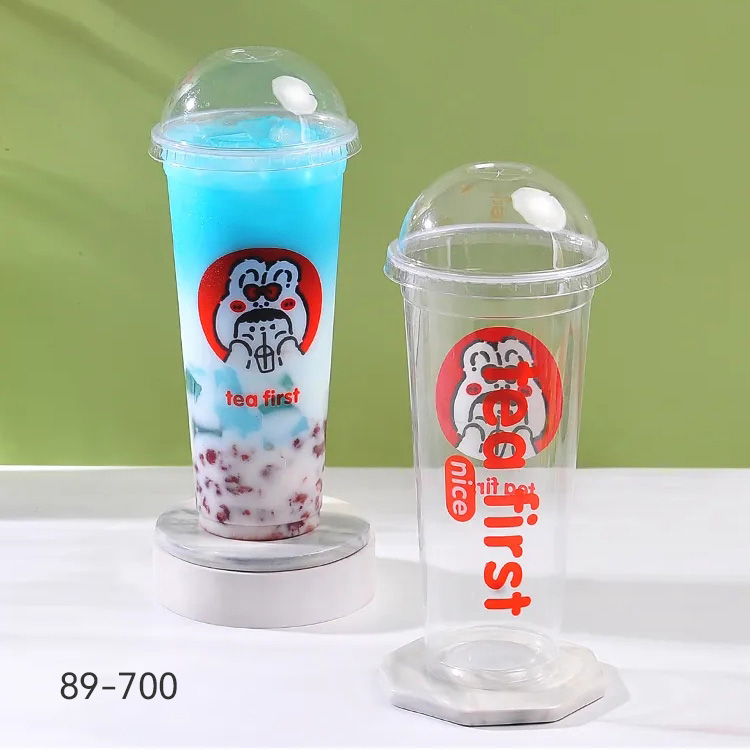
Businesses can brand their PP cups with logos, slogans, and promotional messages. Various printing techniques, such as screen printing, offset printing, and digital printing, allow businesses to incorporate their branding into the design of the cups. This is particularly useful for cafes, restaurants, and event organizers who want to increase brand visibility.
Size and Shape Customization:
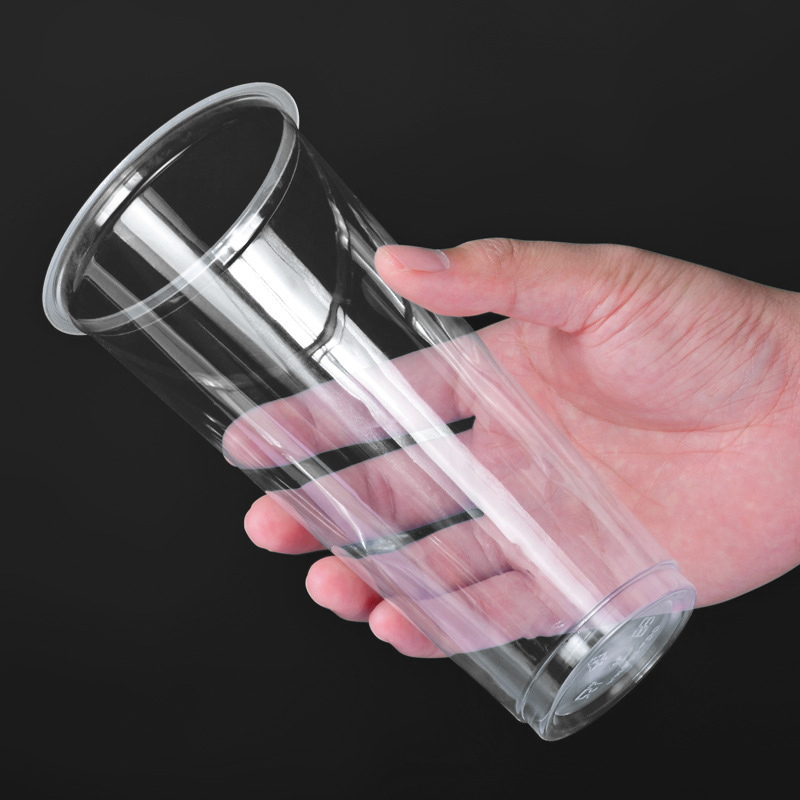
PP cups come in a wide range of sizes, ranging from small 4 oz cups for shots or espresso to larger 32 oz cups for sodas and large iced drinks. Additionally, PP cups can be customized in terms of shape—round, tapered, or even with handles, depending on the intended use.
Lid Options:
PP cups can be paired with a variety of lids:
-
Flat Lids: These are commonly used for cold drinks like sodas and iced coffee.
-
Dome Lids: These provide extra space and are used for drinks that need to be topped with whipped cream, for example, milkshakes and smoothies.
Eco-friendly Customization Choices:
As sustainability becomes a priority, eco-conscious companies are opting for cups made from recycled PP or those that are easier to recycle. Customization can also include using biodegradable inks or opting for materials that have been certified by environmental standards.
Comparing PP Cups to Other Disposable Materials
When choosing between PP and other materials for disposable cups, several factors come into play, including durability, heat resistance, environmental impact, and cost. Below is a comparison of PP with other commonly used materials:
PP vs. PET:
-
PET (Polyethylene Terephthalate) cups are commonly used for cold beverages due to their clarity and transparency. However, PP is more heat-resistant and can be used for both hot and cold beverages. PP is also more durable and less prone to cracking under pressure.
PP vs. PLA:
-
PLA (Polylactic Acid) is an eco-friendly alternative to PP, made from renewable resources like corn starch. PLA cups are biodegradable but not suitable for hot beverages because they tend to soften when exposed to high temperatures. PP cups, on the other hand, have superior heat resistance and durability.
PP vs. PS:
-
PS (Polystyrene) cups are commonly used in the foodservice industry but are less durable than PP cups and more prone to cracking. Additionally, PS cups are not heat-resistant and are less sustainable than PP cups, as they are harder to recycle.
Market Trends and Consumer Preferences
The demand for PP disposable cups continues to rise globally, driven by the increasing need for convenient packaging solutions. Consumer preferences are also shifting toward more sustainable and recyclable products. In recent years, consumers have become more conscious of the environmental impact of single-use plastics, leading businesses to seek more eco-friendly alternatives.
Growth in Disposable Cup Usage:
As the demand for take-out and on-the-go beverages continues to increase, the market for disposable cups is expected to grow. Convenience stores, fast food outlets, cafes, and even vending machines are heavily reliant on disposable cups to serve drinks to customers quickly and efficiently.
Sustainability Trends in Packaging:
More consumers are demanding products that are recyclable, compostable, or made from sustainable materials. Many brands are responding to this trend by offering products made from recycled materials or offering products with clear recyclability instructions.
FAQ
-
What are PP disposable cups made of?
PP cups are made from polypropylene, a lightweight, durable thermoplastic that is resistant to heat and impact. -
Are PP cups recyclable?
Yes, PP cups are recyclable, making them a more sustainable choice compared to many other single-use plastics. -
Can PP cups hold hot beverages?
Yes, PP cups are heat-resistant and can safely hold hot beverages like coffee, tea, and soups without deforming. -
Are PP cups biodegradable?
No, PP cups are not biodegradable, but they can be recycled, which helps reduce their environmental impact. -
What are the benefits of using PP cups?
PP cups are cost-effective, durable, heat-resistant, and versatile, making them ideal for both hot and cold beverages. -
Can PP cups be customized?
Yes, PP cups can be customized with logos, designs, and various sizes to meet branding and business needs. -
Are PP cups safe for food and beverage use?
Yes, PP cups are FDA-approved for food contact and comply with food safety regulations to ensure they are safe for beverage packaging.
Conclusion
PP disposable cups have become an essential part of modern-day society, offering a reliable, durable, and cost-effective solution for beverage packaging. With their wide range of applications in the foodservice, healthcare, and event industries, PP cups are set to remain a dominant force in disposable packaging. While environmental concerns persist, advancements in recycling and sustainability will help mitigate the impact of single-use plastics, ensuring a more sustainable future for PP products.
References
Copyright Statement
© 2026 Dashan Packing. All rights reserved.
This article is an original work created by the Dashan Packing editorial team.
All text, data, and images are the result of our independent research, industry experience,
and product development insights. Reproduction or redistribution of any part of this content
without written permission is strictly prohibited.
Dashan Packing is committed to providing accurate, evidence-based information and
to upholding transparency, originality, and compliance with global intellectual property standards.