

Quick Summary
Japan’s Plastic Resource Circulation Act mandates food packaging producers to adopt recyclability and recycled content requirements, focusing on sustainability and waste reduction. This regulation impacts plastic, fiber, and compostable packaging, offering opportunities for companies like DASHAN that specialize in RPET and bagasse packaging solutions.
1. Introduction: Why Japan’s Plastic Resource Circulation Act Matters
Japan, known for its cutting-edge technology and disciplined approach to waste management, is facing significant challenges related to plastic waste. In response, the Japanese government enacted the Plastic Resource Circulation Act in 2022, a groundbreaking regulation aimed at addressing the growing plastic waste crisis. The Act, which came into effect in 2022, is a key part of Japan’s broader push toward a circular economy—where the goal is to minimize waste and ensure that materials are reused or recycled effectively.
The Act is not just a regulatory shift—it represents a complete transformation in how plastic packaging is designed, produced, and recycled in Japan. The country has long had an extensive recycling system, but the Act aims to take this to the next level by making sustainability a mandatory part of packaging practices. For food packaging suppliers, importers, and exporters to Japan, this means stricter regulations, new obligations, and changes to how packaging materials are sourced and used.
For companies like DASHAN, which produces sustainable packaging solutions, including bagasse trays (made from sugarcane fibers) and RPET (recycled PET) products, the Act brings both challenges and opportunities. While the Act promotes more sustainable practices, it also creates new compliance requirements, encouraging innovation in sustainable material sourcing, design, and waste management systems.
2. Understanding the Plastic Resource Circulation Act
Legal Framework and Key Objectives
The Plastic Resource Circulation Act sets clear mandates for companies involved in the production, use, and disposal of plastic packaging. Unlike previous laws, this regulation applies uniformly across Japan without the need for national implementation, ensuring that packaging standards and requirements are consistent nationwide.
The main goals of the Act include:
-
Reduction of plastic waste
-
Improvement of recyclability
-
Promotion of recycling and reuse
-
Introduction of Extended Producer Responsibility (EPR)
-
Encouragement of eco-friendly material alternatives
For food packaging, this means that materials must now adhere to strict recyclability standards, and producers must take responsibility for the entire lifecycle of the packaging. The Act’s ultimate aim is to make plastic packaging a resource rather than a waste problem.
3. Impact on Food Packaging: Direct and Indirect Effects
Mandatory Recycled Content in Food Packaging
A central tenet of the Plastic Resource Circulation Act is the requirement for packaging producers to include a certain percentage of recycled content in their packaging materials. For food packaging, this could mean a shift towards recycled PET (RPET) or other recycled plastic alternatives.
For instance, companies like DASHAN, which produces RPET trays for food service, are well-positioned to meet the new regulatory requirements. RPET is an excellent option for food packaging because it is both recyclable and offers the potential for lower environmental impact compared to virgin PET. As the demand for RPET increases, food brands and packaging suppliers will need to adopt more sustainable materials to stay compliant.
Design for Recyclability Requirements

Under the Act, food packaging must not only be made from recyclable materials, but it must also be designed for recyclability. This means packaging must meet specific criteria that ensure it can be easily processed in existing recycling systems. Multi-material packaging that cannot be easily separated or recycled will face higher costs and potential regulatory penalties.
For food packaging companies like DASHAN, this means adapting packaging designs to meet these new standards. Bagasse trays, for example, offer an eco-friendly alternative to traditional plastic trays, as they are compostable and biodegradable. However, DASHAN must ensure that these products meet the Act’s sustainability criteria and avoid materials that could hinder recyclability, such as excessive coatings or mixed material compositions.
Restrictions on Single-Use Plastics

Japan’s focus on reducing plastic waste also extends to single-use plastics, including plastic cutlery, cups, and straws. As part of the Act, Japan will enforce a reduction in the use of certain single-use plastics, particularly in the foodservice and takeout sectors. This regulation has significant implications for businesses in the food packaging industry.
For example, DASHAN’s bagasse trays, which are increasingly popular in the foodservice industry, align well with Japan’s sustainability goals. As an alternative to plastic trays, bagasse trays are compostable and meet the increasing demand for eco-friendly packaging solutions. The move toward biodegradable packaging is expected to gain momentum as Japan ramps up its efforts to reduce plastic waste.
4. The Role of Extended Producer Responsibility (EPR) in Japan
The Extended Producer Responsibility (EPR) system, an integral part of the Plastic Resource Circulation Act, shifts the financial and operational burden of recycling onto the producers of packaging materials. Under this system, food packaging companies must bear the cost of collecting, sorting, and recycling their products.
For DASHAN, this means ensuring that their packaging solutions—such as bagasse trays and RPET products—are fully traceable and comply with the new recycling mandates. Companies must invest in systems that can track the recycling and disposal of their products throughout their lifecycle. Additionally, the Act includes financial incentives for producers to create packaging that is easier to recycle, which could lead to a reduction in overall recycling fees for companies that prioritize sustainable packaging design.
The new EPR framework means businesses must maintain detailed records of packaging volume, recycling rates, and compliance with recycling targets. DASHAN, with its sustainably sourced bagasse trays and RPET packaging, is well-positioned to benefit from this shift, as its products are more easily recyclable and aligned with the circular economy model.
5. Technology and Innovation: Solutions to Meet the New Requirements
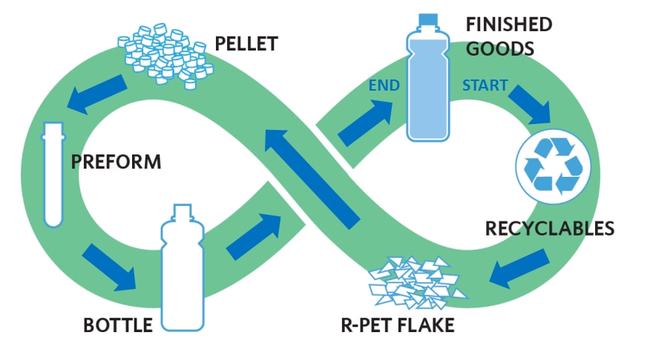
Advances in Recycling Technologies
To support the implementation of the Plastic Resource Circulation Act, Japan is investing heavily in new recycling technologies. Chemical recycling and other innovative methods will allow for the breakdown of plastics into their base components, enabling more efficient recycling and the creation of high-quality recycled materials.
For packaging suppliers, such as DASHAN, these advancements provide an opportunity to improve the quality of recycled materials used in products like RPET trays. As new recycling technologies are developed, companies will be able to increase their use of recycled materials, reducing their reliance on virgin plastics and lowering their environmental impact.
Eco-friendly Alternatives
Another key innovation in the food packaging industry is the development of biodegradable and compostable packaging materials. Bagasse, derived from sugarcane fiber, is a prime example of a sustainable packaging material that is biodegradable and compostable. These materials fit perfectly with Japan’s move toward circularity and waste reduction.
For DASHAN, offering bagasse trays as a biodegradable alternative to plastic is not just a response to consumer demand for eco-friendly products, but also an essential part of meeting regulatory requirements under the Act.
6. Market Response: Business Strategies to Navigate the New Rules
Compliance Strategies for Food Packaging Brands
For food packaging brands, adapting to the Plastic Resource Circulation Act will require careful planning and strategic action. Companies will need to:
-
Redesign their packaging to meet recyclability standards
-
Collaborate with local recyclers to ensure packaging is properly processed
-
Adopt sustainable materials such as RPET and bagasse to meet recycled content requirements
-
Communicate sustainability efforts clearly to consumers to maintain brand loyalty
Japanese Consumers’ Role
Consumer behavior will also play a key role in the success of the Plastic Resource Circulation Act. Japanese consumers are highly eco-conscious, and many are already accustomed to sorting waste for recycling. Companies that invest in clear labeling and easy-to-recycle packaging solutions, such as DASHAN’s bagasse trays, will be able to tap into this growing market of environmentally conscious consumers.
FAQ
1. What is Japan’s Plastic Resource Circulation Act?
The Plastic Resource Circulation Act is a regulatory framework aimed at reducing plastic waste, improving recyclability, and promoting sustainable packaging in Japan. It mandates extended producer responsibility (EPR) and recycled content for packaging producers.
2. How does the Act affect food packaging producers?
Food packaging producers must ensure their packaging is recyclable and contains a certain percentage of recycled content. Materials like RPET and bagasse trays align well with these regulations, offering eco-friendly alternatives to traditional plastics.
3. Does the Act apply to foreign companies exporting to Japan?
Yes, the Act applies to all packaging placed on the Japanese market, including products imported by foreign companies. Importers must ensure their packaging complies with recyclability and EPR requirements.
4. What are the key requirements for food packaging under the Act?
Key requirements include:
-
Recycled content targets for plastic packaging
-
Design for recyclability mandates
-
Minimization of plastic waste
-
Contribution to EPR systems
-
Use of sustainable materials like bagasse or RPET
5. How does the Act impact packaging materials like RPET and bagasse?
RPET meets the Act’s recycled content and recyclability targets, making it a preferred material for food packaging. Bagasse, a biodegradable option, aligns with Japan’s waste reduction goals, especially in foodservice and takeaway packaging.
6. When will the regulations be fully implemented?
The Plastic Resource Circulation Act is being rolled out in phases, with full implementation expected by 2030. Companies must start adjusting their packaging designs and materials to meet the regulation’s compliance deadlines.
Conclusion: Japan’s Circular Economy Transformation and the Future of Food Packaging
Japan’s Plastic Resource Circulation Act marks a significant step toward a more sustainable future, not only for Japan but also for the global packaging industry. The Act’s emphasis on circularity, recycled content, and design for recyclability will drive innovation in the food packaging sector. For companies like DASHAN, which offer sustainable packaging solutions such as RPET and bagasse trays, the Act presents an opportunity to lead the way in sustainable food packaging.
By embracing these new regulations and investing in sustainable materials and practices, food packaging companies can not only ensure compliance but also build a stronger, more resilient brand. The future of packaging in Japan is circular, and those who adapt quickly will be well-positioned to thrive in this new market landscape.
Key Takeaways
-
Japan’s Plastic Resource Circulation Act brings significant regulatory changes for food packaging, focusing on recyclability, recycled content, and waste reduction.
-
Companies like DASHAN can capitalize on these changes by offering sustainable products, such as RPET and bagasse trays, which align with Japan’s circular economy goals.
-
The Act’s focus on Extended Producer Responsibility (EPR) means that producers must take responsibility for the entire lifecycle of their packaging, driving innovation and pushing the market towards eco-friendly alternatives.
References
-
Plastic Resource Circulation Act Overview – Japan Ministry of the Environment
https://www.env.go.jp/recycle/english/ -
Japan Packaging Waste Management – Japan External Trade Organization (JETRO)
https://www.jetro.go.jp/en/invest/ -
European Commission’s Packaging Waste Directive (Context for comparative policy)
https://ec.europa.eu/environment/waste/packaging/index_en.htm -
EPR (Extended Producer Responsibility) in Japan – Japan Business Federation
https://www.keidanren.or.jp/en/
Copyright Statement
© 2026 Dashan Packing. All rights reserved.
This article is an original work created by the Dashan Packing editorial team.
All text, data, and images are the result of our independent research, industry experience,
and product development insights. Reproduction or redistribution of any part of this content
without written permission is strictly prohibited.
Dashan Packing is committed to providing accurate, evidence-based information and
to upholding transparency, originality, and compliance with global intellectual property standards.