

Quick Summary
In recent years, there has been an increasing demand for eco-friendly alternatives to traditional plastic packaging. This shift is driven by rising environmental concerns over plastic waste, particularly its persistence in landfills and oceans. Two terms that are often used interchangeably in this conversation are biodegradable and compostable, but they are not the same. Understanding the difference between these two concepts is crucial for consumers, businesses, and manufacturers aiming to reduce their environmental footprint. In this article, we will explore the meaning, benefits, and drawbacks of both biodegradable and compostable materials, and how they contribute to a sustainable future.
1. Introduction
The environmental impact of non-degradable materials, especially plastics, has led to a growing interest in finding sustainable alternatives. Biodegradable and compostable materials are often promoted as eco-friendly options, but they have distinct characteristics and environmental implications. To make informed decisions about material choices for packaging, it is important to understand their breakdown processes and how they interact with the environment.
2. What is Biodegradable?
Biodegradable refers to materials that break down over time due to the action of microorganisms, such as bacteria, fungi, or algae. While biodegradation can occur naturally, the process can take a long time—sometimes hundreds of years for conventional plastics. The key factor in biodegradability is that the material decomposes into natural elements, such as water, carbon dioxide, and biomass.
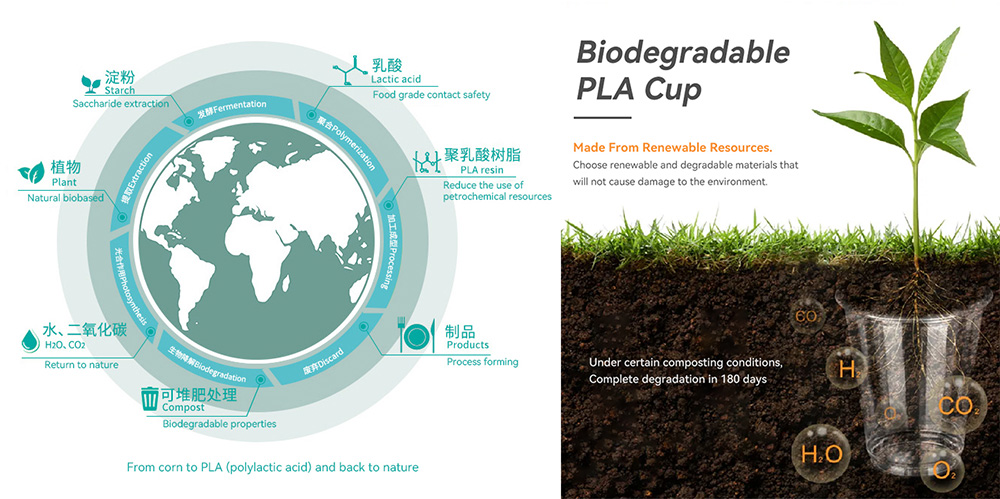
Key Points about Biodegradable Materials:
-
Breakdown Process: Biodegradable materials break down into natural substances over time.
-
Timeframe: The decomposition time can vary greatly depending on the material, environmental conditions (e.g., heat, humidity, and soil composition), and the presence of microorganisms.
-
Examples: Paper, plant-based plastics, cotton, and some types of bioplastics (e.g., PLA).
Data Table: Biodegradable Materials Breakdown Timeline
| Material Type | Approximate Breakdown Time |
|---|---|
| Paper (uncoated) | 2–6 weeks |
| Cotton | 1–5 months |
| PLA (Polylactic Acid) | 1–6 months |
| Conventional Plastic | 100–1000 years |
3. What is Compostable?
Compostable materials are a subset of biodegradable materials, but with a more specific definition. For a material to be compostable, it must break down into non-toxic components in a controlled environment (such as a composting facility) within a specified timeframe, typically 90 to 180 days. Compostable materials are designed to degrade into natural organic matter, which can enrich the soil, making them a popular choice for food packaging and other disposable products.
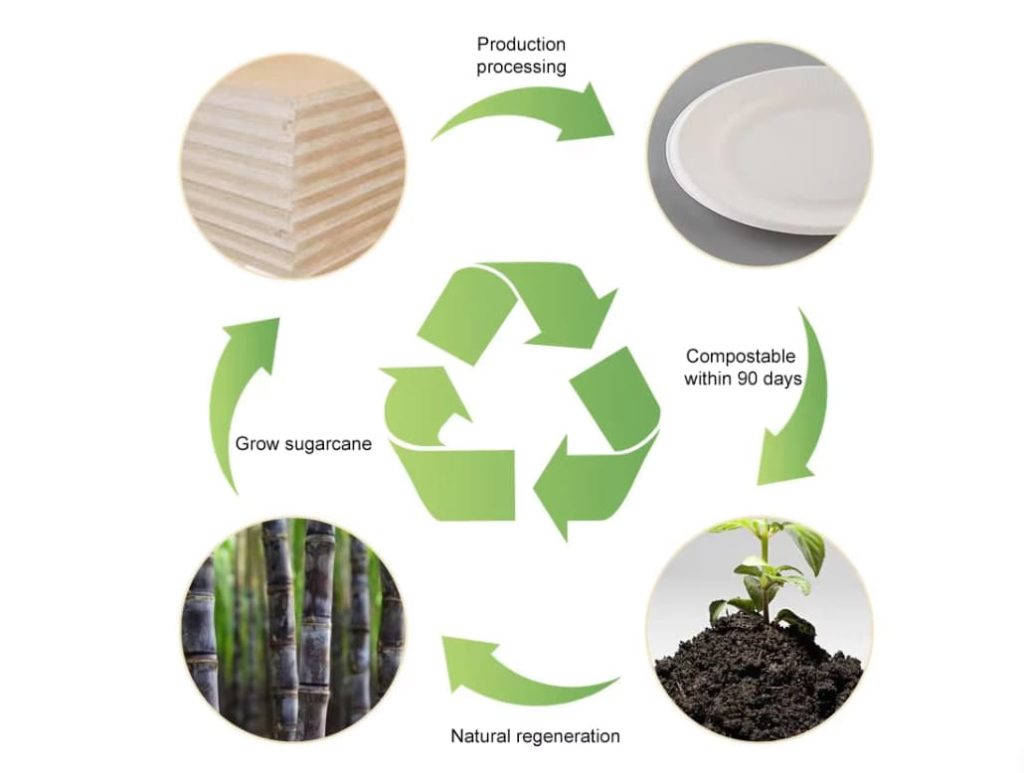
Key Points about Compostable Materials:
-
Breakdown Process: Compostable materials break down in a specific environment (i.e., composting systems).
-
Timeframe: The decomposition process is fast and occurs within a set period, often 3 to 6 months.
-
Examples: Certified compostable plastics (e.g., PLA), sugarcane bagasse, cornstarch, and certain bioplastics.
Data Table: Compostable Materials Breakdown Process
| Material Type | Breakdown Time (in ideal conditions) |
|---|---|
| PLA (Polylactic Acid) | 90–180 days |
| Sugarcane Bagasse | 90–180 days |
| Cornstarch | 60–120 days |
| Wood Chips | 3–6 months |
4. The Science Behind Biodegradation and Composting
Biodegradation Process
Biodegradable materials undergo a chemical process where microorganisms break down the polymer chains of the material, turning it into simpler molecules such as water, carbon dioxide, and biomass. This process can be slow, especially for materials like plastic, which is why it often accumulates in landfills and oceans.
Composting Process
In composting, materials are broken down by microorganisms such as bacteria, fungi, and earthworms. The process takes place under specific conditions in composting systems, where the temperature, moisture, and oxygen levels are controlled to speed up the breakdown process. The result is nutrient-rich compost that can be used to improve soil quality.
5. Key Differences Between Biodegradable and Compostable
| Feature | Biodegradable | Compostable |
|---|---|---|
| Breakdown Time | Can take years or centuries | Within 3-6 months (in ideal conditions) |
| Byproducts | Water, carbon dioxide, and biomass | Non-toxic organic matter that enriches soil |
| Environmental Impact | May still leave harmful residues | Zero harmful residue if composted properly |
| Specialized Conditions | Occurs in natural environments (soil, water) | Requires a controlled composting environment |
| Common Materials | Paper, cotton, bioplastics (PLA), certain wood products | PLA, sugarcane bagasse, cornstarch, wood chips |
6. Advantages and Disadvantages of Biodegradable Materials
Advantages:
-
Lower Carbon Footprint: Biodegradable materials often require less energy to produce compared to conventional plastics.
-
Versatility: Can be used in various applications, from food packaging to textiles.
-
Natural Degradation: They break down naturally, reducing the need for landfills.
Disadvantages:
-
Slow Degradation: Some biodegradable materials still take a long time to break down, especially plastics.
-
Environmental Contamination: If not managed properly, biodegradable materials may still cause harm to ecosystems.
-
Limited Disposal Options: Biodegradable materials often require specific conditions to decompose fully, such as exposure to high humidity or heat.
7. Advantages and Disadvantages of Compostable Materials
Advantages:
-
Quick Decomposition: Breaks down within a short period (90–180 days), leaving no harmful residues.
-
Soil Enrichment: Compostable materials contribute valuable organic matter to the soil.
-
Eco-Friendly: Ideal for single-use food packaging that does not contribute to landfill waste.
Disadvantages:
-
Requires Composting Facilities: Compostable items often need to be processed in industrial composting facilities, which are not available everywhere.
-
Misuse in Landfills: If compostable items are not disposed of correctly, they may not break down and could contribute to waste accumulation.

8. Environmental Impact and Waste Management
The proper disposal of biodegradable and compostable materials is crucial for minimizing environmental harm. While both types of materials are better alternatives to traditional plastics, their disposal methods must be followed carefully:
-
Biodegradable Waste: Can be managed by composting or organic waste disposal, but improper disposal may lead to longer degradation times and environmental contamination.
-
Compostable Waste: Requires industrial composting systems to ensure proper breakdown. If compostable materials are thrown into regular landfills, they may not decompose properly.
9. The Role of Certifications and Standards
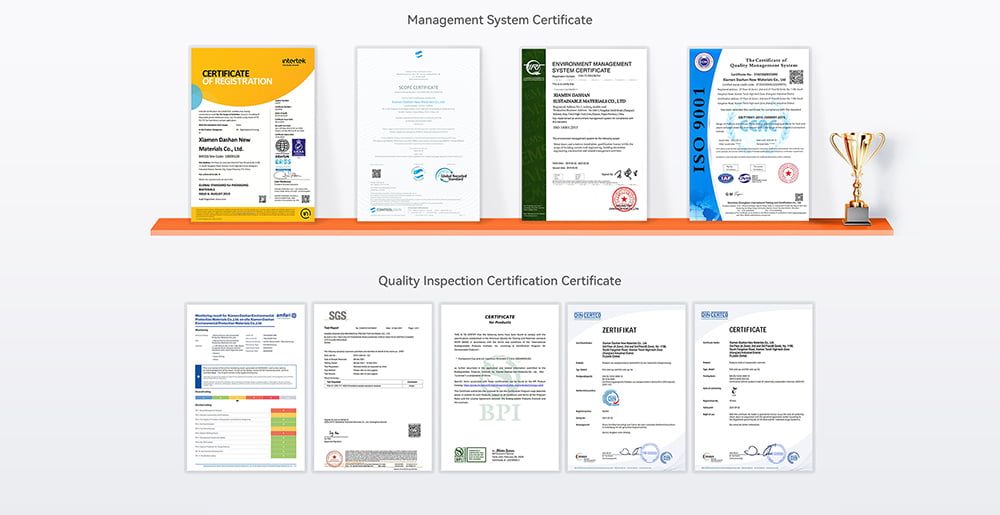
To ensure that materials meet specific environmental claims, there are several certifications available for biodegradable and compostable products. These certifications verify the material’s ability to decompose under specific conditions.
Common Certifications:
-
ASTM D6400 (USA) – Certification for compostable plastics.
-
EN 13432 (EU) – European standard for compostable packaging.
-
OK Compost – Global certification for compostable products.
10. FAQ Section
Q1: Are all biodegradable materials safe for the environment?
Not all biodegradable materials are environmentally safe. Some materials may break down into harmful chemicals or require a long time to decompose, causing environmental harm.
Q2: Can biodegradable plastics break down in the ocean?
While biodegradable plastics are designed to break down more quickly than traditional plastics, they may still take years to decompose in the ocean, affecting marine life.
Q3: What happens to compostable materials in landfills?
Compostable materials will not break down properly in landfills due to a lack of oxygen and proper composting conditions, potentially causing them to persist in the environment.
Q4: Can biodegradable clear cups be recycled?
They should be composted rather than recycled with PET or PP. Some specialized PLA recycling programs are emerging.
Q5: What is the main difference between biodegradable and compostable materials?
Biodegradable materials break down naturally over time, while compostable materials degrade into non-toxic components in a controlled composting system within a specific timeframe.
Q6: How can I identify whether a product is compostable?
Look for certifications such as ASTM D6400 or EN 13432, which ensure that the product meets the standards for compostability.
Q7: Are compostable materials better than biodegradable materials?
Compostable materials are generally better for the environment because they break down faster and leave no harmful residues, provided they are disposed of correctly in composting systems.
11. Conclusion
As consumers and businesses strive to reduce their environmental footprint, understanding the distinction between biodegradable and compostable materials is essential. Both offer eco-friendly alternatives to conventional plastics, but their disposal requirements and environmental benefits differ. Biodegradable materials, while beneficial, still have limitations when it comes to decomposition time and environmental impact. Compostable materials, on the other hand, offer quicker decomposition and contribute to soil health but require proper composting facilities for optimal disposal.
By choosing the right materials and ensuring their proper disposal, we can all play a role in reducing the environmental impact of packaging and promoting a more sustainable future.
12. References
-
ASTM D6400 – Standard Specification for Compostable Plastics
-
Compostable Packaging: What’s the Difference Between Compostable and Biodegradable?
Copyright Statement
© 2026 Dashan Packing. All rights reserved.
This article is an original work created by the Dashan Packing editorial team.
All text, data, and images are the result of our independent research, industry experience,
and product development insights. Reproduction or redistribution of any part of this content
without written permission is strictly prohibited.
Dashan Packing is committed to providing accurate, evidence-based information and
to upholding transparency, originality, and compliance with global intellectual property standards.