
Introduction
In today’s fast-paced world, lunch boxes have become essential for people who need to store and transport meals efficiently. Whether it’s for school, work, or travel, the material of the lunch box plays a significant role in preserving the food’s freshness and ensuring its safety. Polypropylene (PP) plastic has emerged as one of the most popular choices for lunch box manufacturing, thanks to its affordable pricing, durability, and safety.
However, the question that arises is: Is PP plastic safe for lunch boxes?
This article delves deep into PP plastic, exploring its material properties, safety features, advantages, global popularity, and why it is a preferred choice for lunch boxes. We will also discuss Xiamen Dashan, a leader in the packaging industry, and how their expertise in food-safe packaging offers solutions made from sustainable materials like PP. This article will be comprehensive, addressing frequently asked questions (FAQs), and providing reliable references.
1. What is PP Plastic?
Polypropylene (PP) is a thermoplastic polymer, a type of plastic that is used extensively in food packaging, medical devices, textiles, and automotive components. Produced through polymerization, PP is widely appreciated for its high resistance to heat and chemical stability, making it a suitable choice for food packaging like lunch boxes.
Key Characteristics of PP Plastic:
-
High Melting Point: PP has a melting point of approximately 160°C (320°F), which makes it microwave-safe and suitable for storing both hot and cold foods.
-
Durability: PP plastic is highly resistant to cracking and impact, making lunch boxes made from this material long-lasting and able to withstand everyday wear and tear.
-
Non-toxic and BPA-Free: One of the most important aspects of PP plastic is that it is BPA-free, meaning it does not release harmful chemicals into food, especially when exposed to heat.
-
Lightweight: PP is lightweight, which makes lunch boxes easy to carry, even when they are filled with food.
-
Chemical Resistance: PP is resistant to most acids and bases, making it perfect for storing various types of food, including acidic ones like fruits and salads.
2. Why is PP Plastic Popular for Lunch Boxes?
PP plastic has become the preferred material for lunch boxes for several compelling reasons, particularly its safety, durability, and environmental benefits.
A. Safety of PP Plastic
-
Non-toxic and BPA-Free: Unlike many plastics that may contain harmful chemicals such as BPA or phthalates, PP plastic is BPA-free and non-toxic, making it completely safe for food storage. PP does not leach harmful substances into food when heated, which is a major concern with certain other plastics.
-
FDA Approved: PP plastic is FDA-approved for food contact, which means it has passed stringent safety standards for food storage. This gives consumers peace of mind knowing that their lunch box is safe for daily use.
-
No Leaching of Harmful Chemicals: When used for hot food, PP plastic does not release harmful chemicals into the food. This makes it safer for use in both the microwave and dishwasher.
B. Durability and Convenience
-
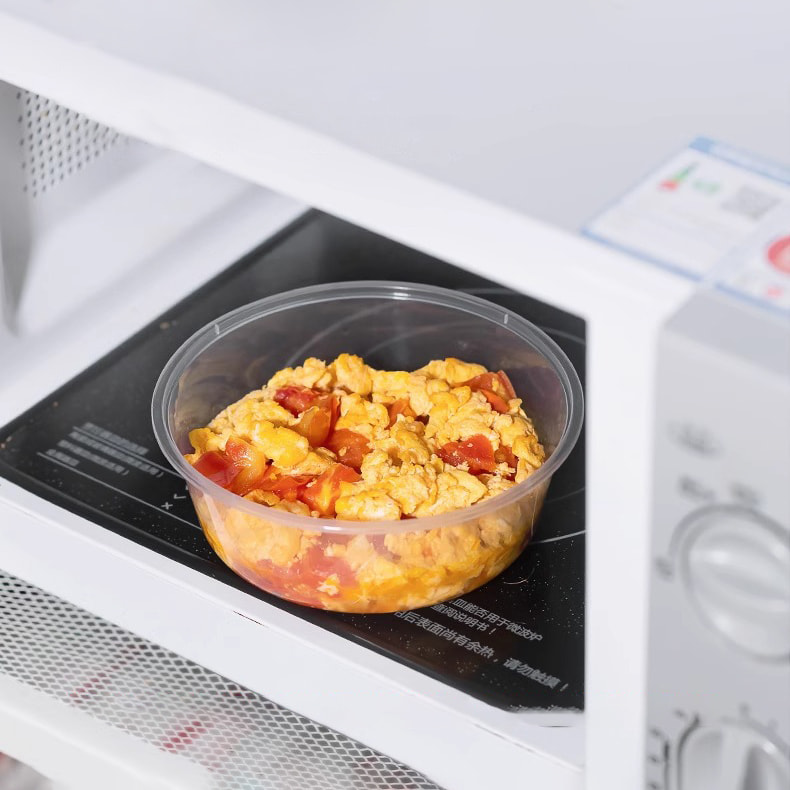
High Resistance to Heat: PP’s high melting point makes it microwave-safe and capable of handling hot foods without warping or deforming. This makes it ideal for heating up lunch in the office or at school.
-
Impact and Scratch Resistance: PP lunch boxes are tough and resistant to cracking, scratching, and other physical damage. This durability ensures that the lunch boxes last longer and maintain their appearance, even with frequent use.
-
Dishwasher Safe: PP plastic lunch boxes can be safely cleaned in the dishwasher without worrying about damage, unlike other materials that may degrade over time.
C. Environmental Considerations
Although plastic often has a negative connotation in terms of environmental impact, PP plastic has a relatively low ecological footprint. It is recyclable and does not require the use of harmful chemicals like BPA, making it a more eco-friendly option compared to other plastic materials. Additionally, PP’s recyclability helps reduce waste and makes it an environmentally responsible choice for packaging.
3. Global Popularity of PP Lunch Boxes
PP plastic is used worldwide for lunch boxes and other food storage containers. Below is a look at some of the regions and countries where PP lunch boxes are especially popular:
A. United States
-
In the U.S., PP lunch boxes are widely used due to their FDA certification and microwave-safe properties. The American market values functionality, safety, and durability in food containers, making PP a top choice.
-
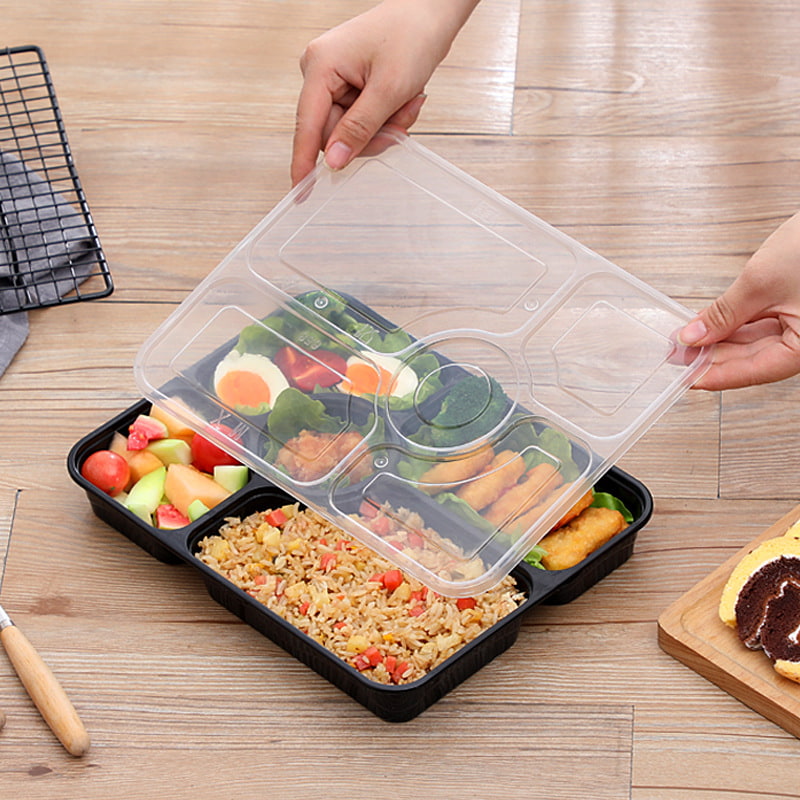
Consumers also appreciate customizable options, such as lunch boxes with compartments, leak-proof seals, and various color designs.
B. Japan
-
In Japan, there is a strong emphasis on food preservation and aesthetic food packaging. PP lunch boxes are highly popular due to their ability to maintain food temperature and their durability. The Japanese are especially fond of bento-style lunch boxes, and PP plastic is an ideal material for these containers.
C. Europe
-
European countries are increasingly adopting PP lunch boxes due to their environmentally friendly properties. The EU’s focus on sustainability and recycling regulations make PP plastic an attractive choice.
-
In particular, countries like Germany and France value recyclable plastics and ensure that PP products are aligned with their eco-friendly policies.
D. China
-
With the rise of urbanization and middle-class consumers in China, PP lunch boxes have become a favorite due to their affordability, practicality, and easy maintenance. The demand for safe and durable packaging options has led to increased popularity of PP in the Chinese market.
4. Xiamen Dashan and PP Packaging Solutions
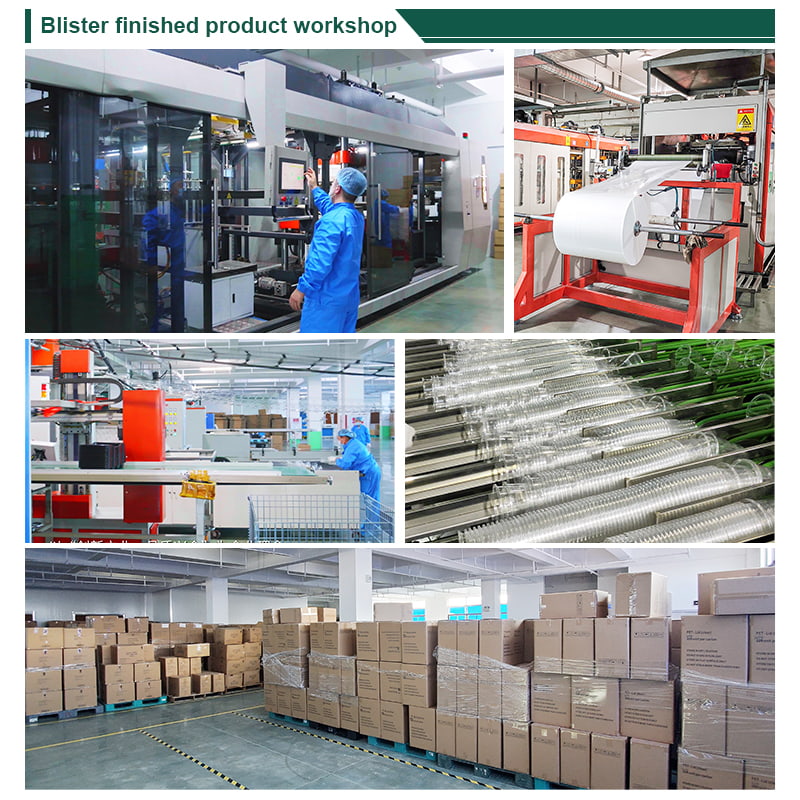
At Xiamen Dashan, we specialize in producing high-quality PP plastic packaging solutions. Our focus is on delivering customized food packaging that ensures food safety, hygiene, and sustainability.
-
Innovative Materials: We provide PP packaging products that are FDA-approved, BPA-free, and microwave-safe, ensuring that they meet the highest standards of food safety.
-
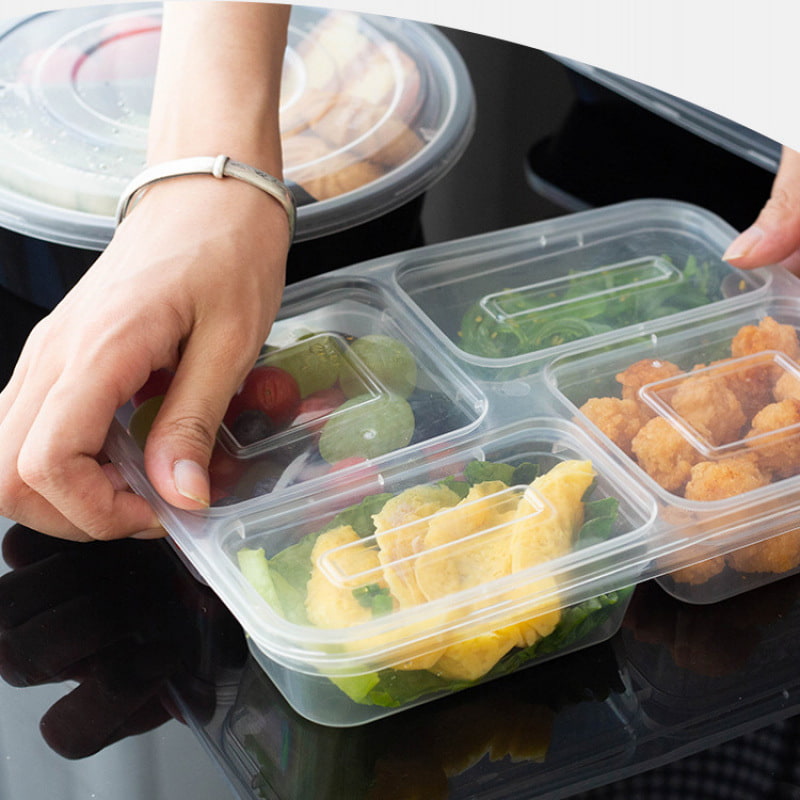
Customization: At Dashan, we offer a wide range of customizable options, including various shapes, sizes, and compartments, so you can create the perfect lunch box or food container for your needs.
-
Sustainability: We are committed to sustainability, and our PP plastic products are designed to be recyclable, contributing to a circular economy and reducing waste.
-
Global Reach: Our products are trusted by businesses worldwide, from airlines to restaurants, offering reliable and eco-friendly food packaging solutions.
Conclusion
In conclusion, PP plastic is a safe, durable, and eco-friendly material for lunch boxes. Its non-toxic, BPA-free properties, combined with its microwave-safe, dishwasher-safe, and heat-resistant qualities, make it an ideal choice for food storage. Whether you’re in the U.S., Japan, Europe, or China, PP plastic lunch boxes are increasingly favored for their practicality, safety, and environmental benefits.
At Xiamen Dashan, we continue to provide innovative and sustainable food packaging solutions, helping businesses around the world meet their packaging needs with confidence. By choosing PP plastic for lunch boxes, consumers and businesses alike can enjoy food-safe, customizable, and reliable products that contribute to a more sustainable future.
Frequently Asked Questions (FAQs)
Q1: Can PP lunch boxes be used in the microwave?
-
Yes, PP plastic is microwave-safe due to its high melting point. Ensure the lunch box is certified for microwave use.
Q2: Is PP plastic BPA-free?
-
Yes, PP plastic is BPA-free, which makes it safe for food contact and an excellent choice for storing both hot and cold food.
Q3: Can PP lunch boxes be recycled?
-
Yes, PP plastic is 100% recyclable, making it a sustainable choice for eco-conscious consumers.
Q4: Are PP lunch boxes dishwasher safe?
-
Yes, PP lunch boxes are designed to be dishwasher-safe, offering convenience and easy cleaning.
Q5: Are PP lunch boxes safe for storing hot food?
-
Yes, PP plastic is heat-resistant and safe for storing hot foods without warping or releasing harmful chemicals.
References
-
FDA Polypropylene Standards – U.S. Food and Drug Administration. https://www.fda.gov
-
Recyclability of PP Plastic – European Plastics News. https://www.europeanplasticsnews.com
-
Health Effects of BPA – National Institute of Environmental Health Sciences. https://www.niehs.nih.gov
-
Environmental Benefits of PP – Environmental Protection Agency. https://www.epa.gov
Copyright Statement
© 2025 Dashan Packing. All rights reserved.
This article is an original work created by the Dashan Packing editorial team.
All text, data, and images are the result of our independent research, industry experience,
and product development insights. Reproduction or redistribution of any part of this content
without written permission is strictly prohibited.
Dashan Packing is committed to providing accurate, evidence-based information and
to upholding transparency, originality, and compliance with global intellectual property standards.