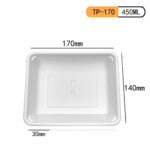
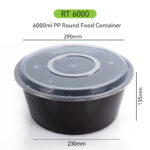
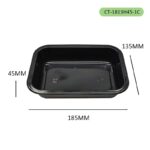
Quick Summary
Plastic packaging is still widely allowed across the Middle East, especially for food contact applications. Rather than imposing blanket bans, governments focus on reducing problematic single-use items while maintaining strict food safety standards. For buyers, understanding material suitability, local enforcement, and compliance documentation is far more important than reacting to headlines. PET, rPET, and PP remain practical, accepted choices when sourced and applied correctly.
Introduction: Why This Question Keeps Coming Up
Over the past few years, global discussions around plastic bans have intensified. Headlines often suggest that plastic packaging is being phased out entirely, especially in regions facing environmental pressure. For buyers sourcing food packaging for Middle Eastern markets, this has created a recurring and very practical question:
Is plastic packaging still allowed in the Middle East—or is it becoming too risky to rely on?
The short answer is yes, plastic packaging is still widely used and legally permitted across the Middle East. However, the longer and more important answer lies in how plastic is regulated, which types are affected, and what buyers should realistically prepare for.
This article is written specifically for importers, brand owners, and food service buyers who want clarity rather than alarmism. Instead of repeating headlines, we will look at how regulations actually work on the ground, which materials remain acceptable, and how experienced buyers manage regulatory risk without overreacting.
The Short Answer: Yes, Plastic Packaging Is Still Allowed

Despite widespread media narratives, there is no blanket ban on plastic packaging in the Middle East. Food-grade plastic packaging remains a core part of the region’s food supply chain, from fresh produce and ready meals to beverages and takeaway food.
What often causes confusion is that governments across the Middle East are addressing specific plastic waste problems, not plastic as a material category. Regulations typically target:
-
Ultra-thin shopping bags
-
Certain single-use accessories (e.g., straws, cutlery)
-
Non-compliant or mislabeled packaging
Food packaging, particularly rigid containers and cups designed for hygiene, transport efficiency, and food safety, is generally treated more cautiously.
For buyers, this distinction is critical. Assuming that “plastic is banned” leads to unnecessary material switching, cost inflation, and even performance failures in real food service environments.
How Plastic Regulations Actually Work in the Middle East
Policy Direction vs. Legal Reality
Most Middle Eastern governments frame their plastic policies around reduction, control, and waste management, rather than elimination. This includes:
-
Encouraging reusable or recyclable formats
-
Limiting unnecessary single-use items
-
Improving labeling and compliance standards
Importantly, policy announcements often sound more aggressive than the final enforcement mechanisms. Buyers who react solely to policy direction, without reviewing implementation details, frequently misjudge actual risk.
National Rules, Local Enforcement
Another defining feature of Middle Eastern regulation is variation in enforcement. Even within the same country, interpretation can differ by city or municipality.
For example:
-
Large urban centers such as Dubai tend to enforce standards more consistently
-
Smaller markets may adopt a more gradual or flexible approach
This does not mean regulations can be ignored—but it does mean buyers should focus on practical compliance, not worst-case assumptions.
Country Snapshot: Key Markets Buyers Should Understand
United Arab Emirates (UAE)
The UAE is often cited in discussions about plastic reduction, especially Dubai. While certain single-use plastic items have been restricted, food packaging remains largely unaffected when it meets food-contact and labeling requirements.
Key points for buyers:
-
Plastic food containers, cups, and trays are still widely used
-
Emphasis is placed on material transparency and compliance documentation
-
Importers are expected to demonstrate food-grade safety
In practice, buyers sourcing PET and PP food packaging for the UAE continue to operate without disruption when documentation is in order.
Saudi Arabia
Saudi Arabia has attracted attention due to SASO standards and discussions around biodegradable plastics. However, enforcement has been far more nuanced than many buyers expect.
While certain plastic products require additional labeling or conformity, food packaging continues to rely heavily on conventional plastics due to scale, cost, and performance requirements.
Experienced buyers operating in Saudi Arabia typically:
-
Confirm product classification carefully
-
Ensure supplier documentation aligns with SASO expectations
-
Avoid unnecessary material changes without clear regulatory triggers
Qatar, Kuwait, and Other GCC Markets
Smaller GCC markets often follow similar policy directions but adopt changes more gradually. For food packaging buyers, this means continuity rather than disruption, provided materials are food-grade and clearly documented.
Which Plastic Materials Are Still Widely Accepted
PET Packaging

PET remains one of the most commonly accepted materials for food packaging across the Middle East. Its advantages include:
-
High transparency
-
Strong barrier properties
-
Established recycling pathways
PET is particularly common in:
-
Cold food packaging
-
Beverage cups and lids
-
Fresh and takeaway containers
rPET Packaging
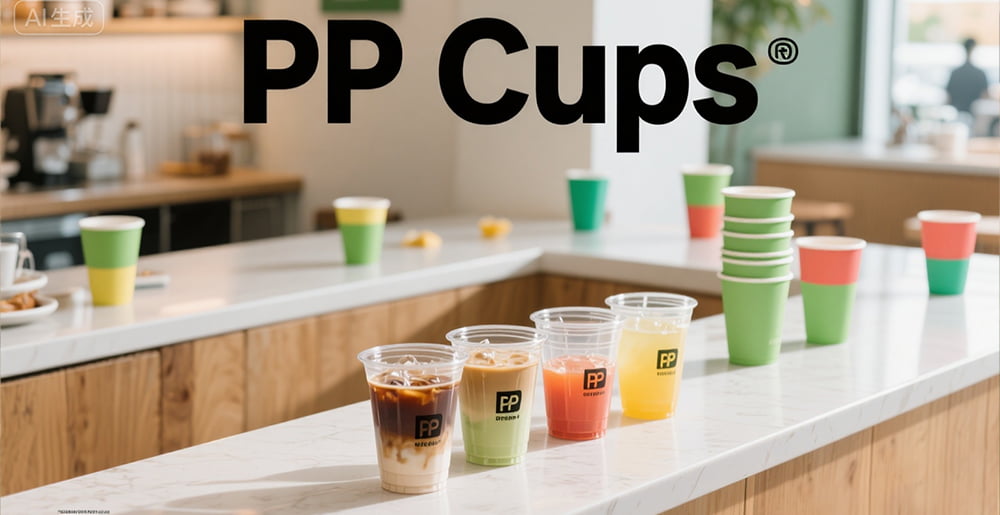
Recycled PET is gaining interest among international brands operating in the Middle East, especially those aligning with global sustainability commitments.
However, buyers should understand that:
-
rPET is valued more for brand positioning than regulatory necessity
-
PCR content expectations vary by buyer, not by law
-
Food safety compliance remains the primary requirement
From DASHAN’s experience supplying rPET solutions to export markets, buyers who adopt rPET strategically—rather than reactively—tend to achieve better cost and supply stability.
PP Packaging
PP plays a particularly important role in hot-climate markets. Its heat resistance and structural stability make it well-suited for:
-
Hot meals
-
Microwave applications
-
Long-distance transportation
In Middle Eastern conditions, PP often outperforms alternative materials that may warp, leak, or degrade under high temperatures.
Common Misunderstandings About “Eco” Requirements
One of the most persistent misconceptions is that Middle Eastern markets require compostable or biodegradable packaging. In reality, this is rarely mandated for food packaging.
Why?
-
Industrial composting infrastructure is limited
-
Mismanaged compostables often behave like conventional waste
-
Performance limitations can create food safety risks
As a result, regulators often prioritize recyclability and waste reduction, not material substitution.
Buyers who switch materials purely for environmental signaling—without considering infrastructure—often face higher costs and operational challenges with little regulatory benefit.
Compliance Basics Buyers Should Always Check
Regardless of material choice, buyers should consistently verify:
-
Food contact safety standards
-
Material identification and labeling
-
Consistency of documentation across shipments
-
Import clearance requirements
In DASHAN’s work with international buyers, many compliance issues arise not from the material itself, but from incomplete or inconsistent paperwork.
How Experienced Buyers Reduce Regulatory Risk
Rather than reacting to headlines, experienced buyers adopt a structured approach:
-
Optimize before replacing
Reduce material weight or redesign packaging before switching materials. -
Maintain material flexibility
Approve PET, rPET, and PP options where possible. -
Work closely with suppliers
Suppliers with export experience often provide early insight into regulatory shifts.
DASHAN’s material development process reflects this mindset—focusing on performance, compliance, and adaptability rather than chasing trends.
Common Buyer Questions Answered
Is biodegradable packaging required in the Middle East?
No. Most food packaging remains plastic-based and compliant.
Is rPET safer from a regulatory perspective?
Not necessarily. Safety and documentation matter more than recycled content.
Should buyers prepare multiple packaging versions?
For regional operations, flexibility can reduce long-term risk.
FAQ
1. Is plastic packaging still allowed in the Middle East?
Yes. Food-grade plastic packaging remains widely permitted across Middle Eastern markets, including the UAE and Saudi Arabia.
2. Are there plastic bans affecting food packaging?
Most restrictions target specific single-use items, not essential food packaging used for safety, hygiene, and transport.
3. Do Middle Eastern countries require biodegradable packaging?
Generally no. Recyclability and compliance are prioritized over compostability due to limited waste infrastructure.
4. Are PET and PP acceptable for food packaging?
Yes. PET and PP are among the most commonly used and accepted materials for food packaging in the region.
5. Is rPET required for regulatory compliance?
No. rPET is optional and usually driven by brand sustainability goals rather than legal requirements.
6. Does enforcement differ by country or city?
Yes. Enforcement can vary by country and municipality, making local understanding essential.
7. How can buyers reduce regulatory risk?
By choosing compliant materials, maintaining clear documentation, and working with experienced suppliers familiar with export markets.
Conclusion: Clarity, Not Panic, Drives Better Decisions
Plastic packaging is still very much allowed—and relied upon—across the Middle East. While regulations continue to evolve, they focus on waste reduction and responsible use, not the elimination of functional food packaging.
Buyers who succeed in this environment are those who understand regulatory nuance, evaluate materials based on real-world performance, and partner with suppliers who understand international markets.
In a region where climate, logistics, and food safety intersect, clear thinking consistently outperforms reactive decisions.
References
-
United Nations Environment Programme – Single-Use Plastics
https://www.unep.org/resources/report/single-use-plastics-roadmap-sustainability -
UAE Ministry of Climate Change and Environment – Plastic Policy Updates
https://www.moccae.gov.ae/en/services/environment/plastics.aspx -
Saudi Standards, Metrology and Quality Organization (SASO)
https://www.saso.gov.sa/en/standards -
Gulf Cooperation Council Standardization Organization (GSO)
https://www.gso.org.sa -
World Bank – Plastic Waste Management in the Middle East
https://www.worldbank.org/en/topic/environment/brief/plastic-waste-management -
Ellen MacArthur Foundation – Plastics and the Circular Economy
https://ellenmacarthurfoundation.org/topics/plastics/overview
Copyright Statement
© 2026 Dashan Packing. All rights reserved.
This article is an original work created by the Dashan Packing editorial team.
All text, data, and images are the result of our independent research, industry experience,
and product development insights. Reproduction or redistribution of any part of this content
without written permission is strictly prohibited.
Dashan Packing is committed to providing accurate, evidence-based information and
to upholding transparency, originality, and compliance with global intellectual property standards.