

Quick Summary
Cornstarch packaging is a biodegradable and compostable alternative to plastic, ideal for light and dry takeaway food. However, its performance may decline with hot, oily, or heavy meals due to moisture and structural sensitivity. For demanding applications, stronger alternatives like bagasse offer better durability while maintaining eco-friendliness.
Introduction
As sustainability becomes a central concern in the foodservice industry, many businesses are exploring alternatives to traditional plastic packaging. Among these options, cornstarch-based packaging has gained attention as an eco-friendly solution. Made from renewable resources and often marketed as biodegradable or compostable, it appears to offer a promising path toward reducing environmental impact.
However, takeaway food packaging is not just about sustainability—it must also perform reliably under real-world conditions. Hot meals, oily dishes, long delivery times, and stacking pressure all place significant demands on packaging materials.
This raises an important question: Is cornstarch packaging strong enough for takeaway food?
The answer depends on how and where it is used. While cornstarch packaging has clear environmental advantages, its performance in takeaway scenarios can vary significantly depending on food type, design, and manufacturing quality.
Understanding Cornstarch Packaging
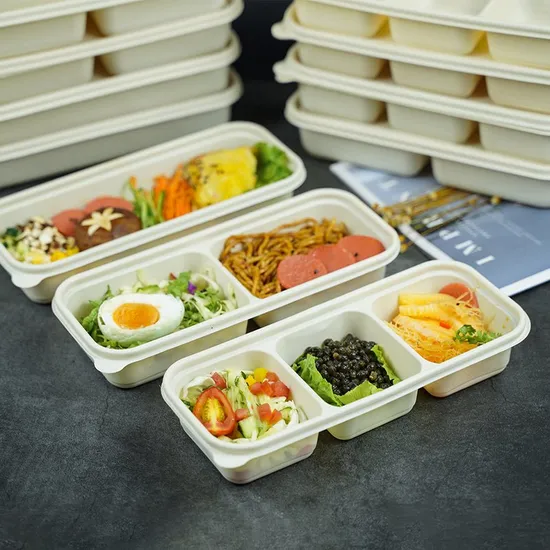
Cornstarch packaging is typically made from starch extracted from corn and processed into a moldable material. In many cases, it is blended with other biodegradable polymers such as PLA (polylactic acid) to improve its structural properties.
Key Advantages
Cornstarch packaging is attractive for several reasons:
-
Made from renewable, plant-based resources
-
Compostable under industrial conditions
-
Lower dependence on fossil fuels
-
Appealing to environmentally conscious consumers
These characteristics make it a popular choice for brands looking to position themselves as sustainable.
Inherent Limitations
Despite these benefits, cornstarch-based materials have some natural limitations:
-
Lower resistance to moisture compared to plastic
-
Reduced strength under high temperatures
-
Sensitivity to oils and liquids
-
Potential brittleness under pressure
These limitations become particularly important in takeaway food applications.
Why Takeaway Food Is Challenging for Packaging
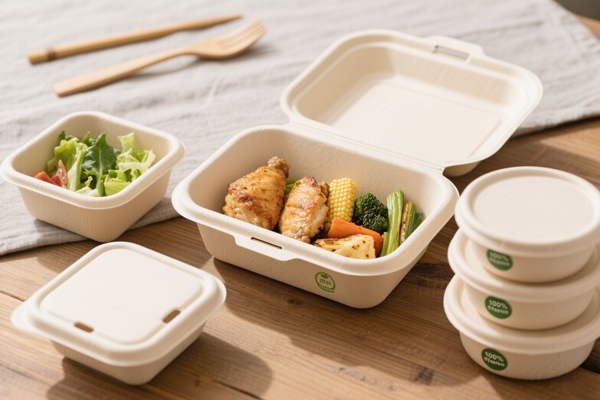
Takeaway food creates one of the most demanding environments for packaging materials. Unlike retail packaging, takeaway containers must perform immediately under dynamic conditions.
Heat Exposure
Many takeaway meals are served hot, often exceeding 70–90°C. Packaging must maintain its structure without softening or deforming.
Moisture and Steam
Foods such as noodles, rice, and vegetables release steam and moisture. This can weaken materials that are not designed for high humidity.
Oil and Grease
Oily foods, sauces, and fried items can penetrate certain materials, leading to leakage or structural degradation.
Transportation Stress
Delivery introduces additional challenges:
-
stacking multiple containers
-
vibration during transport
-
pressure from other items
All of these factors can expose weaknesses in packaging materials.
Real-World Performance of Cornstarch Packaging
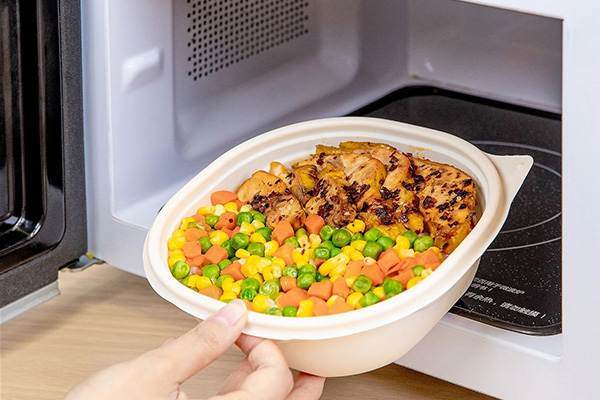
Heat Resistance
Cornstarch packaging can handle moderate temperatures, especially for short durations. However, prolonged exposure to high heat may cause softening or deformation.
This makes it less suitable for:
-
very hot meals
-
long delivery times
-
reheating applications
Moisture Resistance
Moisture is one of the biggest challenges for cornstarch materials. When exposed to steam or liquid, the material may absorb moisture and lose rigidity.
As a result, performance can decline with:
-
soups and broths
-
saucy dishes
-
high-humidity environments
Oil Resistance
Cornstarch packaging is not naturally oil-resistant. Without additional coatings or treatments, oily foods may cause:
-
surface weakening
-
leakage
-
reduced structural stability
Structural Strength
For lightweight meals or dry foods, cornstarch packaging can perform adequately. However, heavier meals or multi-compartment containers may exceed its load-bearing capacity.
In real-world takeaway scenarios, this can lead to:
-
bending or collapsing
-
lid misalignment
-
breakage during handling
How Cornstarch Packaging Can Be Improved
Although cornstarch packaging has limitations, its performance can be enhanced through material engineering and design.
Material Blending
Combining cornstarch with other materials such as PLA or natural fibers can improve:
-
strength
-
heat resistance
-
durability
Surface Coatings
Applying coatings can enhance resistance to:
-
water
-
oil
-
grease
However, coatings may affect compostability depending on the material used.
Structural Design
Design improvements can significantly increase performance:
-
reinforced edges
-
ribbed structures
-
thicker walls in high-stress areas
These changes help distribute weight and improve durability during transport.
Manufacturing Quality
Consistent production processes are critical. Uniform thickness and proper molding ensure that packaging performs reliably under stress.
Cornstarch vs Bagasse: A Practical Comparison
When evaluating takeaway packaging, cornstarch is often compared with bagasse (sugarcane fiber) packaging, another popular eco-friendly option.
Strength and Durability
Bagasse packaging generally offers:
-
higher structural strength
-
better resistance to deformation
-
improved stacking performance
This makes it more suitable for heavy or multi-item meals.
Heat and Moisture Resistance
Bagasse performs better under:
-
high temperatures
-
steam exposure
-
moist food conditions
It maintains its shape more effectively than cornstarch in demanding environments.
Oil Resistance
Bagasse has a natural fiber structure that provides better resistance to grease and oil compared to pure cornstarch materials.
Application Suitability
-
Cornstarch: suitable for light, dry, or low-moisture foods
-
Bagasse: suitable for hot, oily, and heavy takeaway meals
For this reason, many foodservice businesses prefer bagasse for delivery-focused operations.
Manufacturers like DASHAN offer a range of bagasse-based food containers designed specifically for takeaway and delivery scenarios, balancing sustainability with practical performance.
Choosing the Right Packaging for Takeaway Food
Selecting the right packaging material requires evaluating several factors.
Food Type
-
Dry or light foods → cornstarch may be sufficient
-
Hot, oily, or heavy meals → stronger materials recommended
Delivery Conditions
-
Short-distance, quick consumption → lower performance requirements
-
Long-distance delivery → higher durability needed
Customer Expectations
Consumers expect packaging to:
-
prevent leaks
-
maintain food quality
-
remain intact during transport
Failure in any of these areas can negatively impact brand perception.
Sustainability Goals
Businesses should balance:
-
environmental impact
-
cost considerations
-
performance requirements
No single material fits all scenarios, so choosing the right solution depends on the specific use case.
FAQ
1. What is cornstarch packaging?
Packaging made from corn starch, sometimes blended with PLA or fibers, designed as a biodegradable alternative to plastics.
2. Is cornstarch packaging suitable for all takeaway foods?
No. It works for light, dry meals but may fail with hot, oily, or heavy foods.
3. How does cornstarch handle heat and moisture?
It is moderately heat-resistant but can soften or deform with prolonged heat or exposure to steam and sauces.
4. How does cornstarch compare with bagasse packaging?
Bagasse is stronger, more heat and moisture resistant, and better for heavy or oily meals.
5. Can cornstarch packaging be improved?
Yes. Material blending, protective coatings, improved design, and quality control can enhance performance.
6. Is cornstarch packaging eco-friendly?
Yes, it is biodegradable and compostable, but performance limitations should be considered when choosing the right packaging for sustainability goals.
Conclusion
Cornstarch packaging offers clear environmental advantages and is an attractive option for businesses aiming to reduce their reliance on traditional plastics. It works well for certain applications, particularly lightweight or dry food items.
However, when it comes to takeaway food—especially hot, oily, or heavy meals—cornstarch packaging may not always provide the strength and durability required. Its sensitivity to heat, moisture, and pressure can lead to performance issues in real-world conditions.
For more demanding applications, alternatives such as bagasse packaging often provide better reliability while still supporting sustainability goals.
Ultimately, the key to effective food packaging is not choosing the “most eco-friendly” material in theory, but selecting the material that performs best in practice. A balanced approach—combining sustainability with functionality—is essential for meeting both environmental objectives and customer expectations.
References
-
United Nations Environment Programme – Plastic Pollution
https://www.unep.org/plastic-pollution -
Organisation for Economic Co-operation and Development – Plastics
https://www.oecd.org/environment/plastics/ -
Ellen MacArthur Foundation – Plastics and the Circular Economy
https://www.ellenmacarthurfoundation.org/topics/plastics/overview -
United States Environmental Protection Agency – Plastics
https://www.epa.gov/plastics -
National Geographic – Plastic Pollution Explained
https://www.nationalgeographic.com/environment/article/plastic-pollution -
Our World in Data – Plastic Pollution Statistics
https://ourworldindata.org/plastic-pollution -
Packaging Strategies – Sustainable Packaging Trends in Foodservice
https://www.packagingstrategies.com/articles/90869-sustainable-packaging-trends-in-foodservice -
Bagasse Packaging Association – Advantages of Bagasse Packaging
https://www.bagassepackaging.org/advantages-of-bagasse
Copyright Statement
© 2026 Dashan Packing. All rights reserved.
This article is an original work created by the Dashan Packing editorial team.
All text, data, and images are the result of our independent research, industry experience,
and product development insights. Reproduction or redistribution of any part of this content
without written permission is strictly prohibited.
Dashan Packing is committed to providing accurate, evidence-based information and
to upholding transparency, originality, and compliance with global intellectual property standards.