

Quick Summary
Corn starch packaging is often promoted as an eco-friendly alternative, but its real-world performance depends heavily on use conditions. While suitable for short-term, dry, and cold food applications, corn starch struggles with heat, moisture, and long delivery times. Choosing it without understanding these limits can lead to packaging failure, food waste, and higher costs.
Introduction
As sustainability becomes a key concern for brands across the globe, corn starch packaging has emerged as a potential alternative to traditional plastic packaging. Marketed as an eco-friendly option, corn starch is often seen as a great choice for biodegradable packaging. However, the question remains: is it the right material for your food packaging needs?
While corn starch packaging certainly offers benefits, it also has limitations. This article explores when corn starch is a viable option and when other materials might perform better, helping you make an informed decision that aligns with both your operational and sustainability goals.
What is Corn Starch Packaging?
Corn starch packaging is derived from the starch found in corn, which is processed into a biodegradable polymer used for various food packaging applications, including cutlery, plates, and trays. Corn starch is often blended with other additives to improve its performance, but it remains a biodegradable option when compared to conventional plastics like polypropylene (PP) or polyethylene (PE).
The material works by using corn-derived sugars to produce a plastic-like substance that can be molded into different shapes, typically for single-use food packaging. Many businesses use corn starch for takeaway containers and disposable plates, owing to its eco-friendly claims.
Benefits of Corn Starch Packaging
1. Eco-Friendly:
Corn starch is biodegradable and compostable in industrial conditions, offering a more sustainable alternative to traditional petroleum-based plastics. As it is made from renewable resources, it reduces dependence on fossil fuels and contributes less to plastic pollution.
2. Sustainability:
The material’s low carbon footprint compared to plastic alternatives makes it an attractive choice for brands looking to reduce environmental impact. Being biodegradable, it decomposes faster than plastics in the right composting conditions.
3. Compostability:
When properly disposed of, corn starch packaging breaks down naturally, unlike plastic packaging, which can persist in landfills for hundreds of years. This aligns well with the growing demand for packaging solutions that are environmentally responsible.
4. Safe for Food:
Being made from natural corn, corn starch packaging is generally safe for food use. It doesn’t leach harmful chemicals into food, making it a safe option for foodservice applications.
Limitations of Corn Starch Packaging
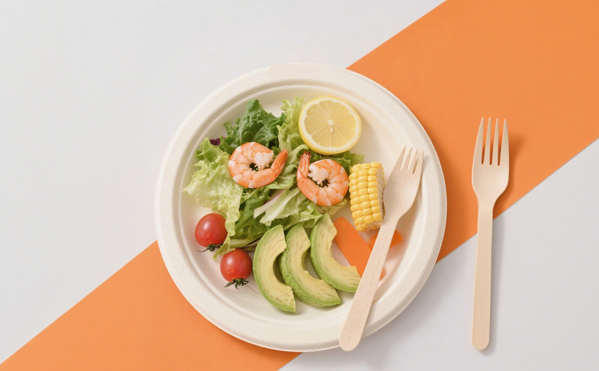
While corn starch offers several benefits, it also has significant limitations that can affect its suitability for food packaging:
1. Heat Sensitivity:
Corn starch is sensitive to heat and can lose its structural integrity when exposed to high temperatures. This makes it unsuitable for packaging hot foods like soups, curries, or anything that requires microwave reheating or oven use. The material may soften or even melt under heat.
2. Moisture Sensitivity:
Corn starch packaging has a tendency to absorb moisture, which can cause it to weaken or disintegrate. This is particularly problematic when packaging foods that are moist or liquidy, such as salads, soups, or juicy sandwiches. Prolonged exposure to moisture can lead to leaks and a reduced shelf life for food products.
3. Strength Issues:
Although corn starch is sturdy enough for some applications, it lacks the durability of stronger materials like PP (Polypropylene) or PLA (Polylactic Acid). Under pressure or during transportation, corn starch packaging is prone to breaking, cracking, or deforming, especially when stacked.
4. Short-Term Use Only:
Due to its tendency to break down quickly, corn starch packaging is generally only suited for short-term use. It cannot handle long-term storage or extended delivery times, limiting its use for hot food delivery or long-distance shipping.
5. Inconsistent Quality:
The manufacturing process of corn starch-based materials can sometimes result in quality control issues. Variability in raw materials or processing methods can lead to inconsistent product quality, such as differences in strength, appearance, or performance.
When to Use Corn Starch for Food Packaging
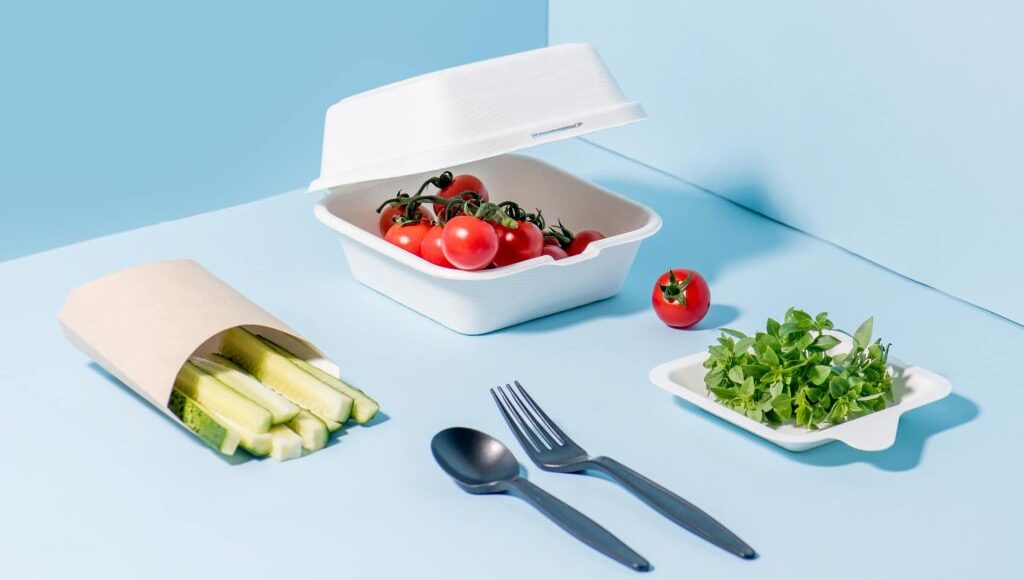
Corn starch packaging is best suited for certain types of foods and foodservice scenarios where its eco-friendly qualities outweigh its performance limitations:
-
Cold or Room Temperature Foods:
It works well for dry foods, pre-packaged snacks, and items that don’t require heat resistance. For example, salads, baked goods, and dried snacks can be packaged in corn starch containers without issue. -
Single-Use and Short Lifespan Products:
Takeaway containers, disposable cutlery, and event packaging that are used once and do not need to be stored for long periods can all benefit from corn starch packaging. -
Eco-Conscious Brands:
Brands that want to align with sustainability goals but are not dealing with high-heat food options may find corn starch a good fit for their takeaway packaging or single-use cutlery. It appeals to eco-conscious consumers who prioritize green packaging options.
When Not to Use Corn Starch Packaging
Corn starch is not ideal for packaging that requires high durability, moisture resistance, or heat resistance. Therefore, it should not be used in the following situations:
-
Hot Foods:
For foods that need to be heated or are served hot, such as microwavable meals, hot soups, or grilled sandwiches, corn starch is unsuitable due to its low heat tolerance. -
Moisture-Laden Foods:
If you are packaging wet foods like soups, stews, or saucy dishes, corn starch will likely absorb moisture, leading to breakage and leakage. This can create a mess for customers and result in product wastage. -
Long Delivery Routes:
Corn starch packaging is not designed for extended transport. Foods that need to be delivered over long distances may find the packaging damaged or compromised in quality.
Comparing Corn Starch with Other Materials
When deciding on the best packaging material for your food, it’s important to compare corn starch with other commonly used options like PLA, PP, and Bagasse.
-
Corn Starch vs. PLA:
PLA (Polylactic Acid) is a biodegradable material derived from plant sugars, often used in similar applications as corn starch. PLA performs better in terms of moisture resistance and heat tolerance, but like corn starch, it requires industrial composting to break down effectively. PLA is a better option for cold foods and short-term packaging, similar to corn starch. -
Corn Starch vs. PP (Polypropylene):
Polypropylene (PP) is a plastic-based material commonly used for hot food packaging. Unlike corn starch, PP is heat-resistant and more durable, making it better suited for packaging hot meals. However, PP is not biodegradable and has a higher environmental impact compared to corn starch. -
Corn Starch vs. Bagasse:
Bagasse, made from sugarcane pulp, is another eco-friendly packaging option. It is more durable and resistant to moisture and heat compared to corn starch. Bagasse packaging works better in scenarios where heat resistance and moisture protection are required, making it suitable for hot foods and long-distance deliveries.
Key Considerations Before Choosing Corn Starch
Before committing to corn starch packaging, consider the following factors to ensure it aligns with your food service requirements:
-
Food Type:
Does your food need to stay hot or cold? Is it moist or dry? These factors will determine if corn starch can maintain its structural integrity or if another material would be better suited. -
Durability vs. Sustainability:
Are you willing to compromise on strength for the sake of being more eco-friendly? Consider the trade-off between durability and sustainability when making your choice. -
Consumer Expectations:
Do your customers prioritize sustainability over performance? Brands focused on green messaging might find corn starch a good fit, but if performance (durability, heat resistance, etc.) is a priority, other materials may be better.
FAQ
1. Is corn starch packaging truly biodegradable?
Corn starch packaging is biodegradable and compostable under industrial composting conditions. However, it does not break down efficiently in landfills or natural environments without proper processing.
2. Can corn starch containers hold hot food?
No. Corn starch materials soften and lose strength under high temperatures, making them unsuitable for hot meals, reheating, or microwave use.
3. Is corn starch packaging suitable for food delivery?
Only for short-distance delivery of dry or cold foods. Long delivery times or moisture-heavy foods increase the risk of leakage, deformation, or breakage.
4. How does corn starch compare to PP and bagasse?
Corn starch offers better sustainability credentials but weaker performance. PP handles heat and durability better, while bagasse provides stronger moisture and heat resistance for hot food applications.
5. When is corn starch the right choice?
Corn starch works best for cold, dry, single-use food packaging where sustainability messaging is a priority and performance demands are low.
Conclusion: Is Corn Starch the Right Choice for Your Packaging Needs?
In conclusion, corn starch packaging offers several eco-friendly benefits that make it an attractive option for certain foodservice needs, particularly in short-term applications and cold food packaging. However, due to its heat sensitivity and moisture absorption, it is not suitable for hot foods or long-distance deliveries.
For brands looking to align with sustainability goals, corn starch can provide an environmentally responsible solution, but it’s essential to match the material to the food’s specific requirements.
If you are unsure about which material is best for your needs, DASHAN offers a wide variety of packaging options, including PP, PLA, Bagasse.
References
-
European Bioplastics – Starch-based Plastics Overview
https://www.european-bioplastics.org/bioplastics/materials/starch-based/ -
U.S. FDA – Food Contact Substances
https://www.fda.gov/food/packaging-food-contact-substances-fcs -
Ellen MacArthur Foundation – Compostable Packaging Considerations
https://ellenmacarthurfoundation.org/what-is-compostable-packaging -
ASTM D6400 Standard Specification for Compostable Plastics
https://www.astm.org/d6400-21.html
Copyright Statement
© 2026 Dashan Packing. All rights reserved.
This article is an original work created by the Dashan Packing editorial team.
All text, data, and images are the result of our independent research, industry experience,
and product development insights. Reproduction or redistribution of any part of this content
without written permission is strictly prohibited.
Dashan Packing is committed to providing accurate, evidence-based information and
to upholding transparency, originality, and compliance with global intellectual property standards.