

Introduction
As the world grapples with mounting environmental challenges, the demand for eco-friendly alternatives to traditional plastic products has surged. Among the alternatives, bagasse, a byproduct of sugarcane, has been increasingly touted as a more sustainable option, particularly for food packaging. However, the question arises: is bagasse always more environmentally friendly than plastic? This article delves into the environmental impacts of bagasse and plastic, analyzing their sourcing, production processes, carbon footprints, and end-of-life scenarios to determine which material is truly more sustainable.
1. Understanding Bagasse and Plastic
1.1 What is ?
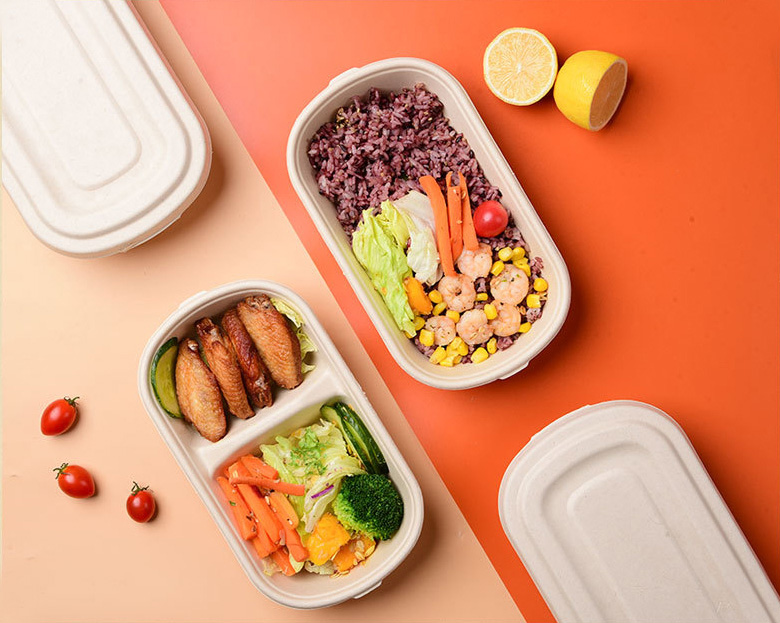
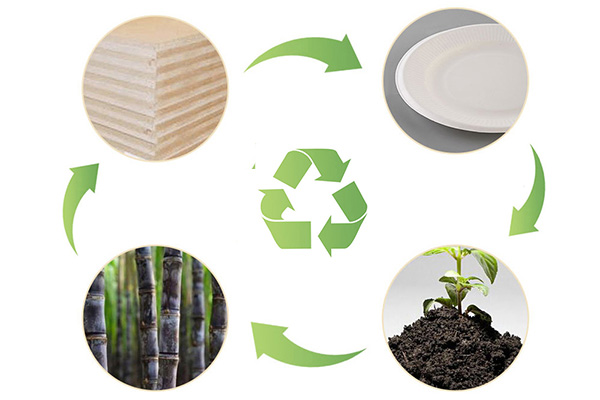
Bagasse is the fibrous residue left after extracting juice from sugarcane. It is a natural byproduct that has found widespread use in food packaging products like plates, bowls, and containers. As an agricultural waste product, it is considered a renewable and biodegradable material, often hailed as an alternative to plastic, particularly in the single-use packaging sector. Bagasse is compostable and, when discarded properly, breaks down naturally, contributing to a circular economy.
-
Raw Material: Bagasse is derived from sugarcane, which is renewable and can be harvested annually.
-
Applications: Bagasse is commonly used in the foodservice industry for takeout containers, plates, bowls, and cups.
-
Environmental Appeal: Bagasse is often promoted for its sustainability since it is made from an agricultural byproduct and is compostable.
1.2 What is Plastic?
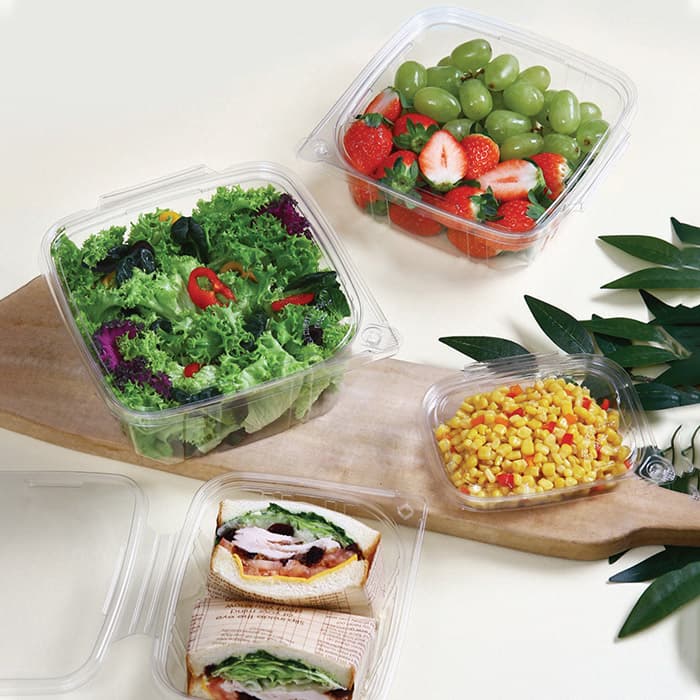
Plastic is a synthetic material made primarily from petroleum-based products, such as crude oil and natural gas. Unlike bagasse, plastic is not a renewable resource. It is manufactured through a process called polymerization, where monomers are combined to create various plastic polymers. Plastics are widely used in industries ranging from packaging to construction and electronics. Due to its durability, plastic has become ubiquitous in our daily lives, but it has serious environmental implications, particularly in terms of its disposal and long-term pollution.
-
Raw Material: Plastic is made from fossil fuels, a non-renewable resource.
-
Applications: Plastics are used in virtually every industry, including food packaging, electronics, construction, and consumer products.
-
Environmental Concerns: Plastics contribute to pollution, particularly in oceans, and take centuries to degrade in landfills.
2. Environmental Impact: Raw Material Sourcing
2.1 Sourcing Bagasse
The production of bagasse begins with sugarcane, a crop that is grown in tropical and subtropical regions. While sugarcane is a renewable resource, the environmental impact of cultivating it depends on factors such as land use, water consumption, and the type of agricultural practices employed.
-
Renewable Resource: Sugarcane is a fast-growing crop that can be harvested annually, making bagasse a renewable material.
-
Land Use: However, large-scale sugarcane farming can contribute to deforestation and soil degradation if not managed sustainably.
-
Water Usage: Sugarcane farming requires significant water resources, which could strain local water supplies in areas already facing water scarcity.
2.2 Sourcing Plastic
Plastic production is heavily reliant on fossil fuels, particularly crude oil and natural gas. The extraction and refining of these resources are energy-intensive processes that contribute to significant carbon emissions and environmental degradation.
-
Non-Renewable Resource: Unlike bagasse, plastic relies on non-renewable resources, which are finite and contribute to the depletion of natural reserves.
-
Environmental Degradation: The extraction of crude oil and natural gas causes habitat destruction, water contamination, and air pollution, further contributing to global environmental issues.
3. Production Processes and Energy Consumption
3.1 Bagasse Production
Bagasse products are generally produced through a relatively simple manufacturing process that involves pulping and molding the sugarcane fibers. The energy required for this process is often derived from the residual heat produced during the sugarcane extraction process, making it relatively energy-efficient.
-
Energy Usage: The energy consumption of bagasse production is comparatively low, especially when utilizing waste heat from sugarcane processing.
-
Sustainability: Additionally, the agricultural nature of bagasse production allows for carbon sequestration in sugarcane plants, mitigating some of the environmental impact.
3.2 Plastic Production
Plastic production is energy-intensive and involves multiple stages, including the extraction of fossil fuels, refining, polymerization, and molding. The entire process consumes large amounts of energy, primarily from non-renewable sources.
-
High Energy Consumption: The production of plastic is associated with significant greenhouse gas emissions, contributing to global warming.
-
Carbon Footprint: The production of plastic releases carbon dioxide, methane, and other harmful gases, significantly contributing to climate change.
4. Carbon Footprint Comparison
4.1 Bagasse’s Carbon Footprint
While bagasse is considered a low-carbon material, it is not entirely free from emissions. The production process, particularly if non-renewable energy sources are used, still contributes to carbon emissions. However, the compostability of bagasse significantly offsets its carbon footprint, as it biodegrades naturally without leaving harmful residues.
-
Lower Carbon Emissions: Compared to plastic, the carbon footprint of bagasse is significantly smaller, primarily due to its renewable nature and biodegradability.
-
Carbon Sequestration: The sugarcane plant from which bagasse is derived sequesters carbon dioxide, helping to reduce the overall environmental impact of its production.
4.2 Plastic’s Carbon Footprint
Plastic, being derived from petroleum, has a significantly higher carbon footprint. The extraction, refining, and production of plastic contribute to massive greenhouse gas emissions, making it one of the most carbon-intensive materials.
-
High Carbon Emissions: Plastic production accounts for a significant portion of global carbon emissions, contributing to climate change.
-
Long-Term Impact: Since plastic is not biodegradable, it persists in the environment, continuing to contribute to pollution for centuries.
5. Waste Management: End-of-Life Impact
5.1 Bagasse Disposal
One of the primary advantages of bagasse is its compostability. Bagasse products decompose quickly in landfills or composting environments, contributing to organic waste and enriching the soil with nutrients.
-
Compostable: Bagasse is biodegradable, and when disposed of properly, it poses no harm to the environment.
-
Reduced Landfill Waste: Proper disposal of bagasse products helps reduce the burden on landfills compared to plastic waste, which can take hundreds of years to degrade.

5.2 Plastic Disposal
In contrast, plastic waste is a major environmental challenge. Since plastics are non-biodegradable, they accumulate in landfills, oceans, and natural ecosystems, causing long-term damage to wildlife and ecosystems.
-
Plastic Pollution: Plastic waste is a significant source of pollution, particularly in oceans, where it harms marine life and ecosystems.
-
Low Recycling Rates: Although plastic can be recycled, the recycling rates remain low due to contamination, lack of infrastructure, and economic challenges.
6. Environmental Benefits of Bagasse
6.1 Reduction in Plastic Pollution
By replacing plastic with bagasse, we can significantly reduce the environmental impact associated with plastic pollution. Bagasse’s biodegradability ensures that it does not contribute to long-term waste buildup in landfills or oceans.
-
Sustainable Packaging: Bagasse-based packaging is a more sustainable alternative to plastic, especially for single-use food packaging.
-
Eco-friendly Option: Bagasse helps reduce the reliance on single-use plastics, which are a major contributor to marine pollution.
6.2 Resource Efficiency
The production of bagasse-based products makes use of agricultural waste, allowing for more resource-efficient manufacturing. Unlike plastic, which requires the extraction of fossil fuels, bagasse is a byproduct of sugarcane processing, reducing waste and improving sustainability.
-
Waste Utilization: Bagasse is produced from the leftover fibers of sugarcane processing, which would otherwise be discarded.
6.3 Decreased Greenhouse Gas Emissions
The use of bagasse can help lower overall greenhouse gas emissions, particularly in the food packaging sector, as it is a renewable material with a lower carbon footprint than plastic.
-
Lower Emissions: Bagasse production is less energy-intensive and results in lower carbon emissions than plastic manufacturing.
7. Limitations of Bagasse
7.1 Production Challenges
Although bagasse is a promising alternative, there are limitations to its widespread adoption. For example, bagasse products are not as water-resistant or durable as plastic products, limiting their use in certain applications.
-
Limited Applications: Bagasse is best suited for food packaging, but may not be effective in more heavy-duty applications such as medical or industrial packaging.
7.2 Composting Infrastructure
The benefits of composting bagasse are realized only when the appropriate composting infrastructure is available. In regions where composting is not feasible, bagasse may still end up in landfills, where it could contribute to landfill gas emissions if not handled properly.
-
Need for Infrastructure: The full environmental benefits of bagasse can only be realized if there is proper composting infrastructure in place.
8. The Role of Innovation in Improving Sustainability
8.1 Bagasse Innovations
Ongoing research and development in the bagasse industry are focused on enhancing its durability and water resistance. Innovations like hybrid materials combining bagasse with other natural fibers could improve its performance in different applications.
8.2 Plastic Innovations
On the other hand, plastic manufacturers are developing bioplastics and exploring recycling technologies to improve the sustainability of plastic products. These innovations, though promising, still have a long way to go to match the environmental advantages of bagasse.
9. Conclusion
While is generally a more environmentally friendly alternative to plastic, it is not a perfect solution. It offers significant benefits, including renewable sourcing, compostability, and a smaller carbon footprint. However, it has limitations in terms of durability, water resistance, and the need for composting infrastructure. Plastic, while versatile, has a far more damaging environmental impact due to its reliance on fossil fuels, high carbon emissions, and persistence in the environment. The future of both materials lies in continued innovation, and the choice between bagasse and plastic depends on the specific application, infrastructure, and environmental goals.

FAQ
Is bagasse biodegradable?
Yes, bagasse is biodegradable and compostable, breaking down naturally in landfills or composting facilities.
Can bagasse be recycled?
Bagasse is not typically recycled like plastics but is composted for its environmental benefits.
Why is plastic harmful to the environment?
Plastic is harmful because it does not biodegrade and can remain in the environment for hundreds of years, contributing to pollution and harming wildlife.
Which material is better for food packaging—bagasse or plastic?
Bagasse is generally a better alternative for single-use food packaging, as it is eco-friendly and compostable, whereas plastic contributes to long-term pollution.
References
-
United Nations Environment Programme (UNEP)
Single-Use Plastics: A Roadmap for Sustainability
https://www.unep.org/resources/report/single-use-plastics-roadmap-sustainability -
World Economic Forum
The New Plastics Economy: Rethinking the Future of Plastics
https://dashanpacking.blogspot.com/2026/01/dubais-perspective-on-sugarcane-bagasse.html -
U.S. Environmental Protection Agency (EPA)
Life Cycle Assessment (LCA) Overview
https://www.epa.gov/lca/life-cycle-assessment-lca
Copyright Statement
© 2026 Dashan Packing. All rights reserved.
This article is an original work created by the Dashan Packing editorial team.
All text, data, and images are the result of our independent research, industry experience,
and product development insights. Reproduction or redistribution of any part of this content
without written permission is strictly prohibited.
Dashan Packing is committed to providing accurate, evidence-based information and
to upholding transparency, originality, and compliance with global intellectual property standards.