
Quick Summary
Custom PET packaging is revolutionizing the food and beverage industry by offering brands the flexibility to create tailored, functional, and visually appealing packaging solutions. PET’s durability, clarity, and recyclability make it a top choice for packaging, while customization options such as personalized graphics, unique sizes, and eco-friendly materials like RPET are driving sustainability. Companies like DaShan are at the forefront, providing innovative, sustainable packaging solutions that meet the growing consumer demand for both convenience and eco-conscious choices. This article explores the benefits and trends in customized PET packaging, highlighting its impact on branding, product protection, and environmental responsibility.
Introduction
In today’s consumer-driven world, packaging is no longer just a protective layer for products; it plays a crucial role in marketing, brand recognition, and customer experience. Polyethylene Terephthalate (PET) has emerged as one of the most widely used materials in the food and beverage packaging industry, thanks to its lightweight, durable, and versatile nature. The versatility of PET, particularly in the form of customized packaging, has enabled businesses to meet the ever-evolving demands of consumers, all while enhancing product appeal and brand identity.
From beverage cups to meal trays, PET is used across various industries due to its superior qualities such as clarity, strength, and recyclability. In recent years, customization in PET packaging has become one of the most significant trends, allowing brands to personalize their packaging solutions to cater to unique consumer preferences. This shift in packaging trends is transforming the entire market and offering a competitive edge to businesses that embrace this approach.
In this article, we will explore how innovative designs in PET packaging and customization are revolutionizing the market, improving sustainability, and helping businesses establish a stronger connection with consumers.
The Rise of PET in Food Packaging: An Overview
Before diving into customization, it’s essential to understand why PET has become a preferred choice in the food packaging market. PET’s popularity can be attributed to several factors, such as:
-
Durability and Strength: PET offers exceptional durability, making it suitable for a wide variety of products. Whether it’s storing beverages, ready-to-eat meals, or perishable items, PET ensures that products remain intact during transit and storage.
-
Clarity and Aesthetic Appeal: PET packaging is incredibly clear, providing a visually appealing presentation that enhances product visibility. This is particularly beneficial for food products, where the visual appeal of the contents can be a deciding factor for consumers.
-
Lightweight: PET is significantly lighter than other materials like glass, reducing transportation costs and carbon emissions. The lightweight nature of PET also allows businesses to reduce packaging material costs, making it a cost-effective solution for manufacturers.
-
Recyclability: One of the standout features of PET is its recyclability. PET is 100% recyclable, which makes it an ideal choice for businesses looking to adopt more sustainable practices. Moreover, RPET (recycled PET) can be used to produce new packaging, minimizing waste and contributing to the circular economy.
-
Cost-Effectiveness: Compared to glass or metal, PET is a more affordable material, which allows manufacturers to produce high-quality packaging solutions without significantly increasing production costs. This makes it especially suitable for large-scale food and beverage production.
Customization in PET Packaging: The Game-Changer
While PET has already proven itself to be an excellent material for packaging, it is the ability to customize PET packaging that has truly set it apart. Customization allows brands to cater to specific needs, enhance their product’s appeal, and differentiate themselves in a competitive market. Here are the ways in which customization is transforming PET packaging:
1. Personalized Branding and Graphics
Branding is a critical element of consumer purchasing decisions, especially in competitive markets like food and beverages. Customized PET packaging provides companies with an opportunity to display their logos, brand names, and unique designs prominently. This personalization is not limited to just labeling but extends to color schemes, graphic designs, and even innovative shapes and textures.
-
Brand Visibility: Custom PET packaging helps businesses create a unique visual identity. By incorporating vibrant colors, attractive logos, and compelling messaging, brands can make a lasting impression on consumers.
-
Graphics and Design Flexibility: The high clarity of PET allows for high-quality printing, which enables brands to feature intricate graphics, high-definition artwork, and personalized illustrations. This helps brands create a premium look and feel for their products.
For example, beverage companies often use custom-printed PET bottles and cups to stand out on the shelf. Customization in these cases not only makes the packaging more aesthetically pleasing but also enhances the consumer’s overall experience, turning the packaging into an advertising medium.
2. Tailored Sizes and Shapes for Unique Product Needs
One of the most significant advantages of customizing PET packaging is the ability to tailor the size and shape of the packaging to meet specific consumer needs. This flexibility is particularly useful in the food and beverage industry, where portion control, product protection, and ease of handling are critical.
-
Size Customization: Custom sizes can be designed to fit products perfectly, reducing excess material waste and improving functionality. For example, snack companies may create smaller single-serving PET packaging, while restaurant chains may opt for larger meal trays or drink cups to cater to varying portion sizes.
-
Shape Customization: Custom shapes allow brands to create distinctive packaging designs that appeal to consumers. Unique shapes can help products stand out on the shelf and grab the attention of potential buyers. For instance, square-shaped trays for sushi or round beverage cups are common custom designs that help products attract attention.
Additionally, custom PET packaging designs often result in packaging that is optimized for storage and transportation. Products with custom shapes can be stacked, nested, or otherwise arranged more efficiently, saving on space and transportation costs.
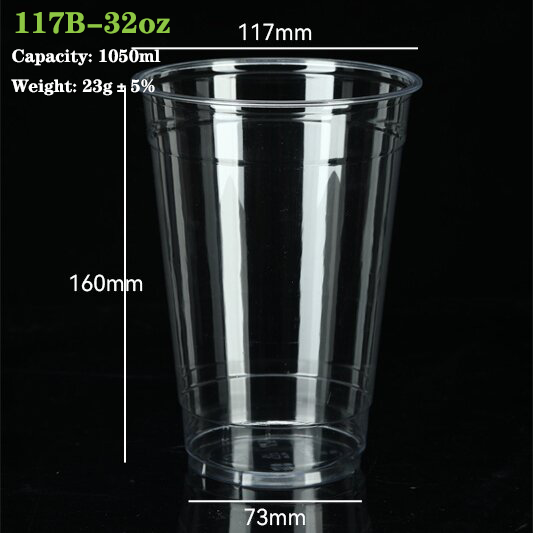
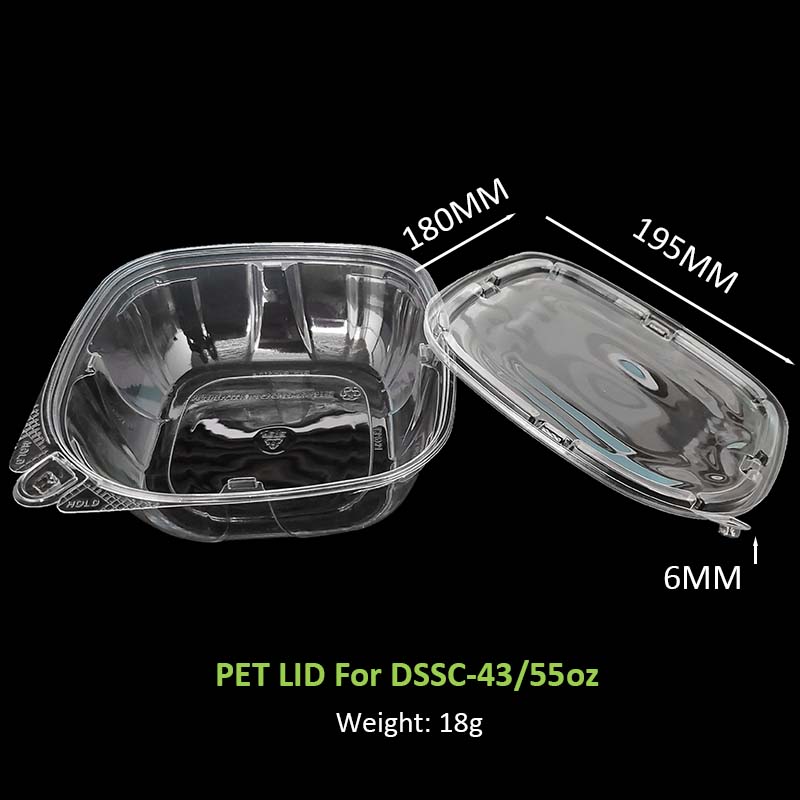
3. Innovative Lids and Closures
Packaging lids and closures play an essential role in product preservation, security, and user convenience. Custom PET packaging allows businesses to design innovative lids and closures that address specific functional requirements.
-
Leak-Proof Solutions: For products such as beverages or sauces, custom PET packaging can include secure, leak-proof seals to ensure product integrity. This helps minimize spillage during handling and transportation, which is particularly important in the foodservice industry.
-
Easy-to-Open Features: Consumer convenience is a key driver of packaging innovation. Custom PET lids can be designed with easy-to-open features, such as pull-tabs, snap-on closures, or tamper-evident seals. These features enhance the user experience, making it easier for consumers to access the product.
-
Eco-Friendly Lids: As sustainability becomes increasingly important to consumers, many brands are opting for eco-friendly lids made from materials like RPET (recycled PET) or biodegradable substances. This not only supports environmental sustainability but also appeals to eco-conscious consumers.
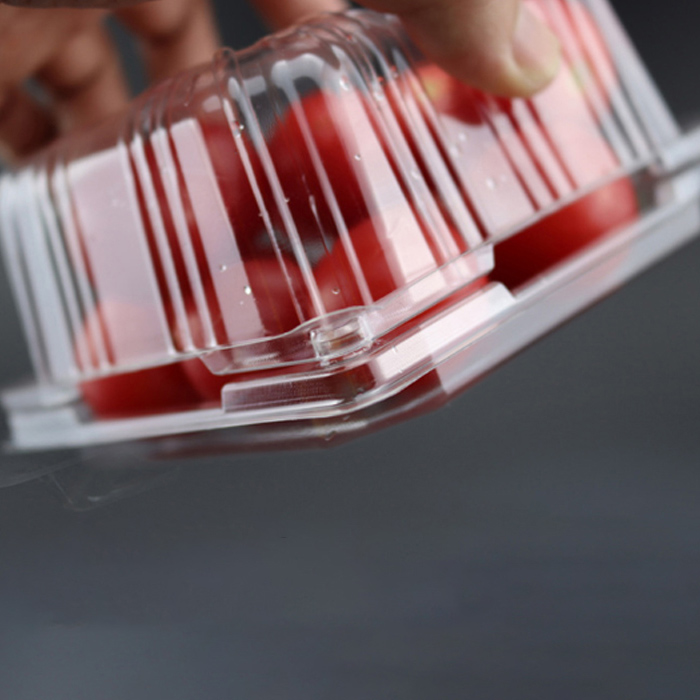
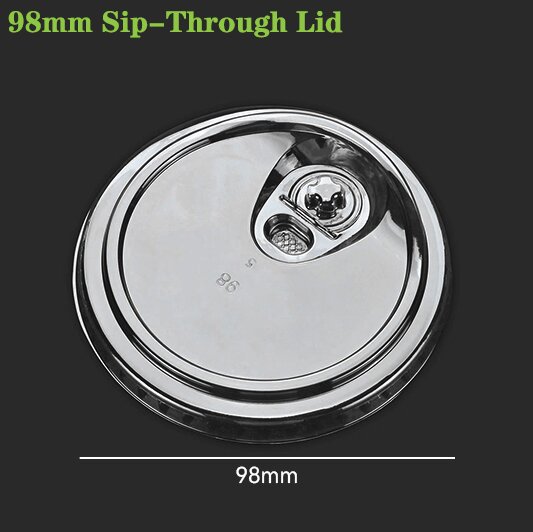
4. Specialized Structural Designs
Customized PET packaging can also include innovative structural designs that enhance functionality, safety, and convenience. For example:
-
Stackable and Nestable Packaging: Custom designs for stacking or nesting packaging make it easier to store and transport products. This is particularly important for products like ready-to-eat meals or takeout containers, where space optimization is key.
-
Thermoformed PET Packaging: Custom thermoforming allows brands to create precise, molded PET packaging that fits the product perfectly. This type of packaging is commonly used in food trays, salad containers, and bakery boxes, where food needs to be securely enclosed and protected.
-
Barrier and Ventilation Features: Some customized PET packaging designs incorporate special barrier films or ventilation holes to extend product shelf life. For example, ventilated trays for fruits or salads can help maintain freshness, while barrier coatings can protect the food from moisture or oxygen, which can lead to spoilage.
About DaShan: Leading the Way in Custom PET Packaging
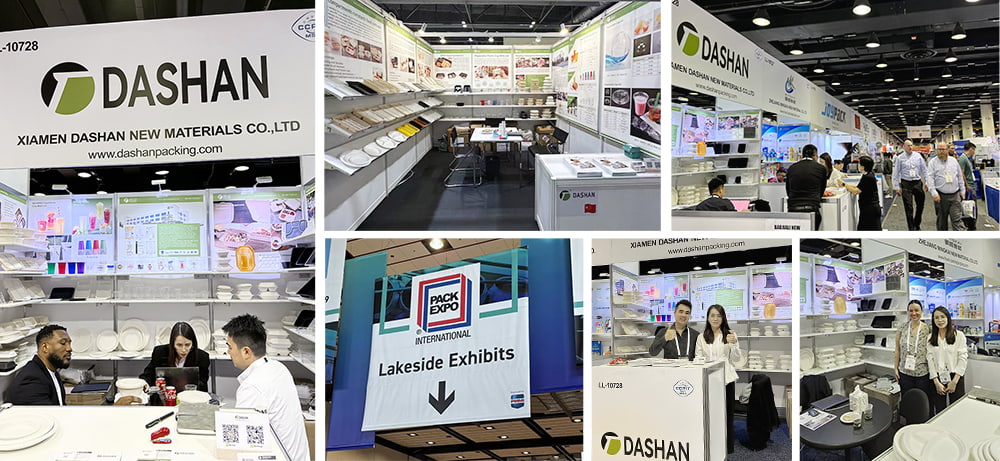
At Xiamen Dashan, we are committed to providing high-quality, sustainable, and customizable packaging solutions for the foodservice and retail sectors worldwide. Specializing in PET, RPET, and CPET materials, we offer a diverse range of products, including food containers, beverage cups, and lids. Our focus on innovation and flexibility enables us to tailor packaging solutions that meet the specific needs of our clients.
By embracing eco-friendly practices, DaShan offers RPET options for clients looking to reduce their environmental footprint, while maintaining the high standards of product safety and durability. With a commitment to quality, customization, and customer satisfaction, DaShan has built long-term partnerships with leading companies across various industries, including airline catering, food retail, and foodservice providers.
Sustainability in Custom PET Packaging
As consumers become more environmentally conscious, sustainability is now at the forefront of packaging innovation. The ability to use RPET (recycled PET) in custom packaging not only supports a circular economy but also reduces the reliance on virgin plastic. Companies are increasingly adopting sustainable PET packaging to align with consumer preferences and regulatory requirements.
-
Reduced Carbon Footprint: Custom PET packaging can be designed to be lighter and more efficient, reducing transportation emissions and energy consumption.
-
Closed-Loop Systems: By using RPET, brands can contribute to the development of a closed-loop recycling system, where used packaging is collected, recycled, and turned into new packaging materials.

Conclusion
The rise of customized PET packaging has revolutionized the food packaging industry by offering brands an innovative way to differentiate themselves in the market while meeting consumer needs for functionality, sustainability, and aesthetics. From personalized branding and tailored sizes to leak-proof lids and eco-friendly materials, custom PET packaging has proven to be a game-changer for businesses seeking to enhance their products’ appeal and functionality.
As sustainability becomes an even greater priority for both businesses and consumers, PET’s recyclability and the growing popularity of RPET ensure that custom PET packaging will remain a key player in the future of food packaging.
FAQ (Frequently Asked Questions)
1. What is PET packaging, and why is it popular in the food industry?
Answer:
PET (Polyethylene Terephthalate) is a widely used plastic in food packaging due to its excellent clarity, strength, and recyclability. It is lightweight, durable, and ideal for a variety of food and beverage applications, offering both protection and a high-quality visual appeal. PET is particularly popular in the beverage and snack packaging sectors because it can preserve the freshness of products while also being cost-effective.
2. What are the benefits of customizing PET packaging?
Answer:
Customization in PET packaging offers numerous benefits, including enhanced brand visibility, unique product presentation, and improved consumer experience. Custom designs allow brands to differentiate themselves on the shelf, cater to specific market needs, and provide practical features like leak-proof seals or stackable structures. Additionally, custom packaging can improve the sustainability of products by incorporating RPET and eco-friendly materials.
3. Is custom PET packaging more expensive than standard options?
Answer:
Yes, custom PET packaging typically costs more than standard, off-the-shelf packaging. This is due to the additional design and production time required for custom molds, special graphics, and tailored features. However, for businesses that rely heavily on branding and consumer appeal, the investment in custom PET packaging can provide long-term value through increased customer loyalty and differentiation.
4. Is PET packaging recyclable?
Answer:
Yes, PET is 100% recyclable, making it a sustainable option for packaging. RPET (recycled PET) is commonly used to produce new packaging materials, which reduces the demand for virgin plastic and contributes to a circular economy. Many brands are increasingly adopting RPET to lower their environmental impact.
5. How does custom PET packaging contribute to sustainability?
Answer:
Custom PET packaging can support sustainability through reduced material waste, the use of RPET, and more efficient design. Brands are opting for lightweight designs to reduce transportation emissions, and custom sizes ensure that packaging fits the product perfectly, minimizing excess material. Additionally, PET’s recyclability ensures that the packaging can be reused, reducing its overall environmental footprint.
6. What industries are using custom PET packaging?
Answer:
Custom PET packaging is used across various industries, including the food and beverage sector (beverage cups, ready-to-eat meals, snack containers), the pet food industry, beauty and personal care packaging, and even pharmaceutical packaging. It is especially popular in the foodservice and retail sectors, where brand visibility and product presentation are critical.
7. Can PET packaging be used for both hot and cold food products?
Answer:
Yes, PET packaging is versatile and can be used for both hot and cold food products. However, for hot foods, it’s important to ensure that the packaging is designed with heat-resistant features. CPET (Crystallized PET) is often used for high-temperature applications, such as microwaving.
References
-
Smith, R., & Jones, A. (2020). The Role of Customization in Modern Packaging Design. Journal of Packaging Innovation, 15(2), 45-59.
This article explores the growing trend of custom packaging and how it shapes brand identity and consumer behavior. -
Williams, P. (2021). Sustainable PET Packaging: Trends and Future Directions. Packaging Sustainability Review, 12(4), 123-138.
Discusses the advantages of PET in food packaging, its recyclability, and its growing use in sustainable packaging solutions. -
National Institute of Packaging and Environmental Studies (2022). Custom Packaging for the Food Industry: A Guide to Design and Materials. Food Packaging Insights, 24(7), 200-212.
A comprehensive guide on how custom packaging in the food industry enhances product differentiation, sustainability, and consumer engagement. -
Sharma, S. (2021). Recycled PET (RPET): A Circular Solution for the Packaging Industry. Environmental Packaging Technology Journal, 8(3), 65-79.
This paper highlights the importance of RPET in reducing packaging waste and promoting a circular economy within the packaging sector. -
Packaging Digest (2022). Innovations in Food Packaging: Custom PET Solutions for the Future. Packaging Digest, 35(9), 110-125.
An in-depth exploration of custom PET packaging, including innovative design techniques and the impact of consumer demands on packaging trends. -
Environmental Protection Agency (EPA). (2020). Plastics: Material-Specific Data. Retrieved from https://www.epa.gov
This official EPA report provides data on the recycling rates of plastics, including PET, and the role of recycling in reducing environmental impact.
Copyright Statement
© 2025 Dashan Packing. All rights reserved.
This article is an original work created by the Dashan Packing editorial team.
All text, data, and images are the result of our independent research, industry experience,
and product development insights. Reproduction or redistribution of any part of this content
without written permission is strictly prohibited.
Dashan Packing is committed to providing accurate, evidence-based information and
to upholding transparency, originality, and compliance with global intellectual property standards.