

Quick Summary:
This article explores how food packaging companies can reduce transportation costs and space wastage by optimizing packaging designs and selecting the right materials. It discusses the benefits of thin-wall technology, stackable packaging, and how materials like PET, CPET, and PLA contribute to reducing logistics costs and improving overall operational efficiency.
Introduction
Transportation costs and space wastage are significant concerns for the food packaging industry, especially for companies that export products globally. With rising freight costs and increasing demand for sustainability, optimizing food packaging designs to reduce inefficiencies has become essential.
Packaging plays a critical role in reducing transportation costs. By optimizing packaging design and selecting the right materials, food packaging companies can improve logistics efficiency, minimize carbon footprints, and enhance their bottom line. This article explores how packaging innovations such as thin-wall technology, stackable designs, and material optimization contribute to cost savings.
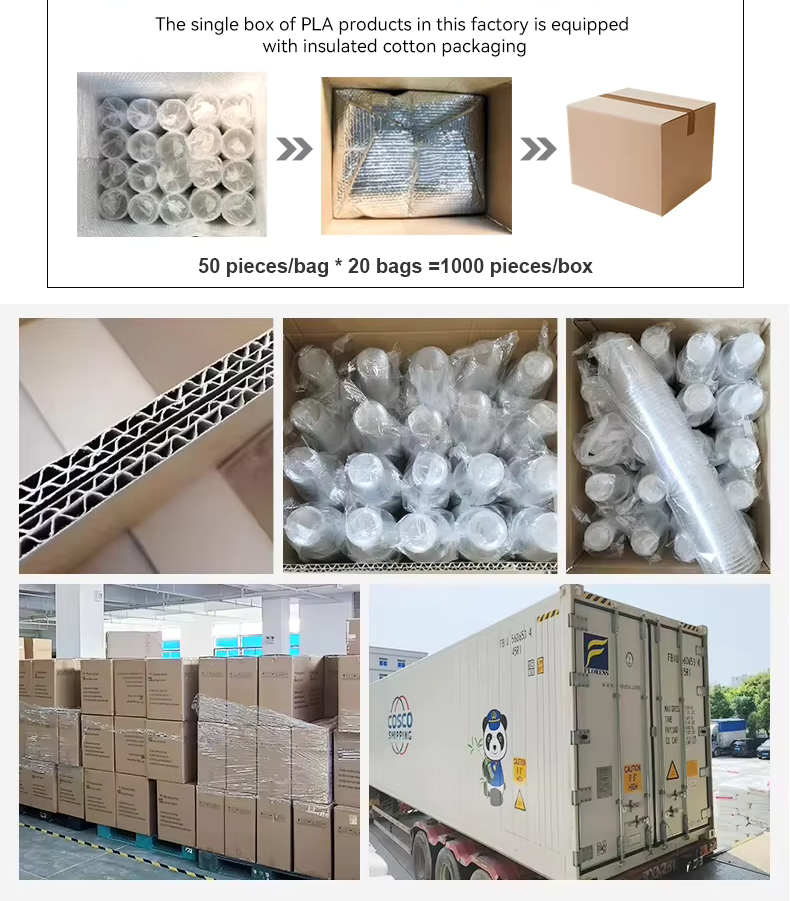
1. Optimizing Packaging Design to Reduce Transportation Costs
Thin-Wall Technology
Overview:
Thin-wall technology is one of the most significant packaging innovations aimed at reducing weight and material usage. By reducing the thickness of the packaging materials without compromising the strength or functionality of the container, food packaging companies can lower both production and transportation costs.
Benefits:
-
Lower Weight: Reducing the packaging’s thickness decreases its weight, resulting in reduced transportation costs. Lightweight packaging means more units can be shipped per container.
-
Space Efficiency: Thin-wall designs make it possible to stack more containers in a smaller space, improving space efficiency during transport.
-
Material Savings: Using less material helps reduce production costs and aligns with sustainability goals by minimizing resource usage.
Example:
Dashan’s PET and CPET materials are ideal for thin-wall designs in food packaging. For instance, our PET salad boxes and CPET meal trays can be manufactured with thinner walls, reducing weight while maintaining strength and durability. This results in fewer resources used in production and a reduction in transportation costs.
Stackable and Nestable Designs
Overview:
Stackable and nestable packaging allows containers to be arranged more efficiently, either stacked one on top of another or nested inside each other. This innovation is crucial for improving transportation efficiency by maximizing container space.
Benefits:
-
Space Efficiency: Stackable or nestable packaging allows containers to be packed tightly together, reducing the overall volume required for transport. This means fewer containers are needed for a larger quantity of products.
-
Lower Freight Costs: Optimized container space leads to fewer shipments, directly reducing freight costs.
-
Protection: Stackable designs also offer better protection for the products, as containers can be designed to reduce the risk of damage during transit.
Example:
Dashan’s PET sushi trays, made from strong and lightweight PET material, are designed for stacking and efficient nesting, significantly reducing transport space. CPET meal trays are similarly designed with stackability in mind, ensuring that each tray fits securely into the one above or below it.
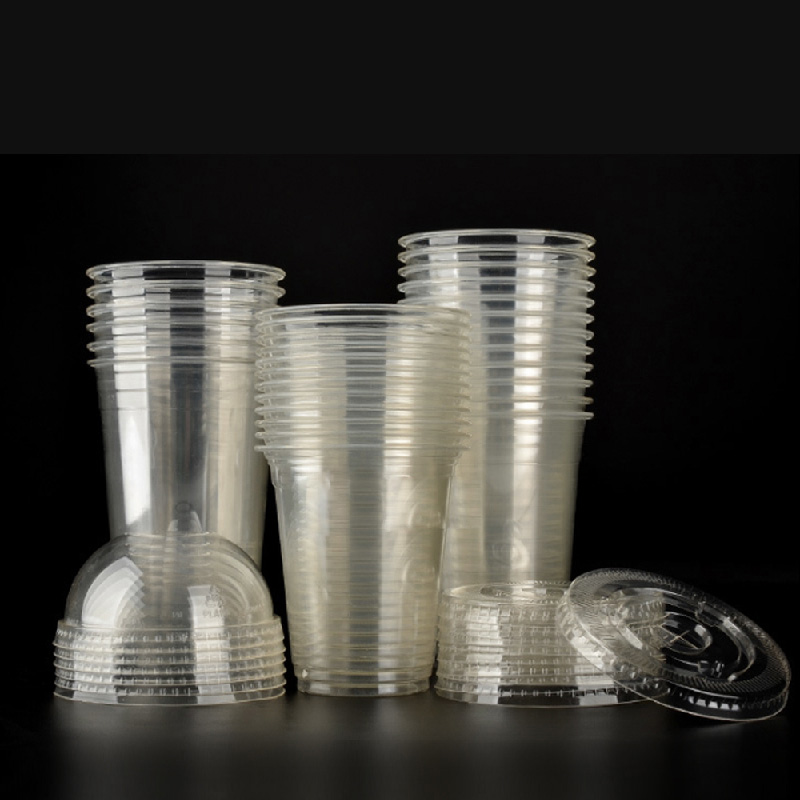
2. Material Selection for Transportation Efficiency
Choosing the right material for food packaging is critical for reducing transportation costs. Different materials offer varying degrees of weight, strength, and durability, all of which affect both space efficiency and freight costs.
PET (Polyethylene Terephthalate)
PET is a widely used material in food packaging due to its strength, clarity, and lightweight nature. PET can be designed to have thin walls, making it an excellent choice for reducing transportation costs.
Benefits of PET in Packaging:
-
Durability: PET is strong, allowing for stacking without compromising the integrity of the packaging.
-
Lightweight: PET’s lightweight nature reduces the overall weight of the product, which is crucial for reducing freight costs.
-
Transparency: PET is transparent, making it ideal for packaging products like salads, fruit, and sushi where visibility is important.
Example:
Dashan’s PET salad boxes are lightweight, transparent, and stackable, reducing shipping costs by allowing for more efficient stacking during transport.
PLA (Polylactic Acid)
PLA is a biodegradable, renewable material often used for cold beverage cups and food containers. Although it is slightly less durable than PET, PLA can still offer weight-saving benefits, especially when used in thin-wall designs.
Benefits of PLA in Packaging:
-
Sustainability: PLA is biodegradable and made from renewable resources, which appeals to eco-conscious consumers.
-
Lightweight: PLA’s lightweight nature helps reduce transportation weight, though it may not be as strong as PET in certain applications.
Example:
Dashan’s PLA cups are used primarily for cold drinks and feature a thin-wall design, making them ideal for reducing transport weight while meeting sustainability goals.
CPET (Crystallized Polyethylene Terephthalate)
CPET is a highly durable material that can withstand higher temperatures than regular PET. It is commonly used in meal trays for airline catering and ready-to-eat meals.
Benefits of CPET in Packaging:
-
Heat Resistance: CPET can handle hot food, making it ideal for ready-to-eat meals that require microwave use.
-
Lightweight and Strong: Like PET, CPET is strong and lightweight, allowing for stacking and efficient transport.
Example:
Dashan’s CPET airline meal trays are lightweight, stackable, and heat-resistant, allowing for efficient packing in containers, reducing transport volume and cost.
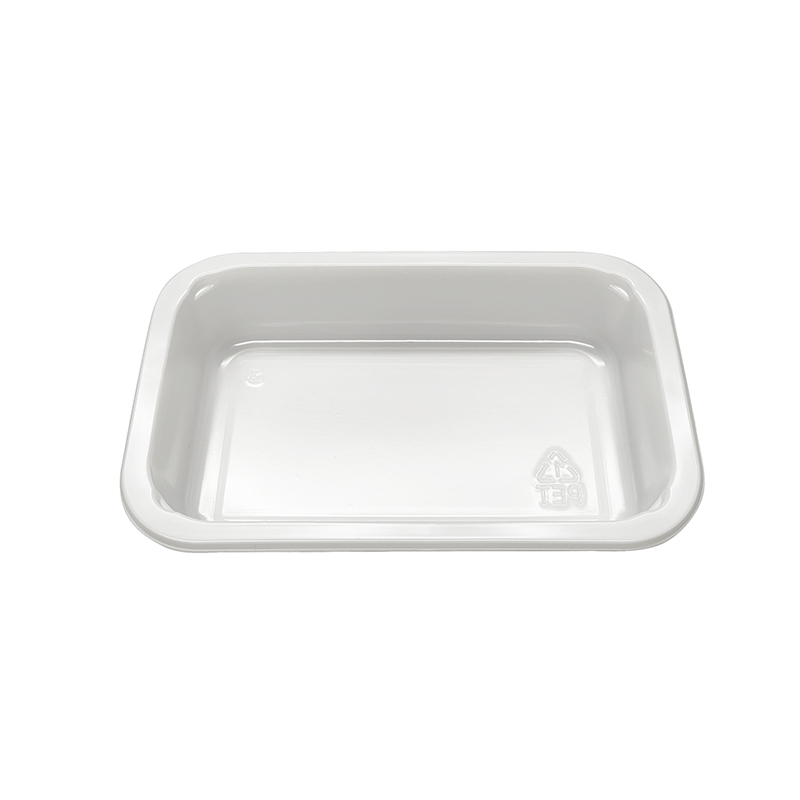
3. Optimizing Packaging Volume and Weight
Reducing Packaging Volume
-
Adjusting Packaging Dimensions: Customizing the packaging dimensions to closely match the size of the product reduces unnecessary space and material usage.
-
Flexible Customization: Packaging solutions that match the specific shape of food products—such as custom-sized sushi trays or fruit containers—help minimize excess packaging material and transport volume.
Example:
Dashan offers customizable sizes for its food packaging, ensuring that products such as sushi trays and salad boxes are tailored to fit their contents perfectly, reducing wasted space.
Weight Reduction Through Material Innovation
The use of lightweight materials like PET, PLA, and CPET significantly reduces the overall weight of packaging, lowering transportation costs. For instance, PLA cups and CPET trays are lightweight, yet strong enough to withstand the demands of food packaging.
Example:
Dashan’s PLA and CPET packaging solutions have been optimized to reduce weight while maintaining durability and functionality.
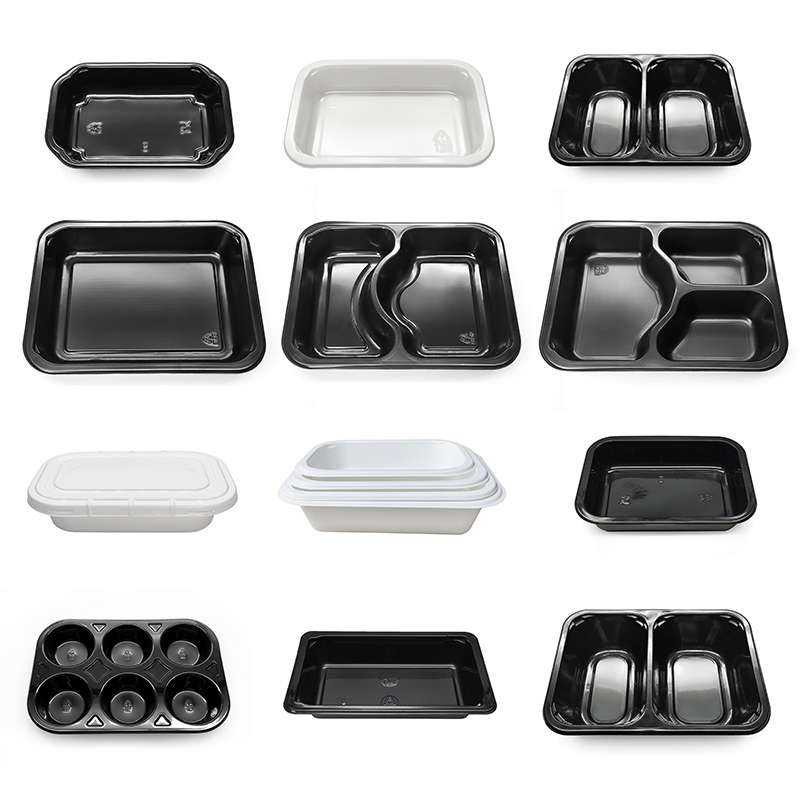
4. Case Study: How Dashan Packaging Optimized Transportation Efficiency
Dashan has successfully optimized transportation efficiency by focusing on material selection, innovative packaging designs, and customizations that reduce space wastage.
Examples of Optimization:
-
PET Sushi Trays: These trays are designed to stack efficiently, allowing for higher packing density, which reduces the number of shipments needed.
-
CPET Airline Meal Trays: CPET trays are ideal for high-temperature foods, and their lightweight, stackable design ensures that fewer containers are required for transportation, cutting freight costs.
-
PLA Cups: Dashan’s PLA cups are designed for cold beverages and feature a thin-wall design that reduces both weight and material usage, optimizing shipping logistics.
Data Table:
-
Comparison of transport costs before and after packaging optimization.
(Example Table: Packaging Material, Initial Volume, Optimized Volume, Initial Weight, Optimized Weight, Transport Cost Savings)
| Packaging Material | Initial Volume (m³) | Optimized Volume (m³) | Initial Weight (kg) | Optimized Weight (kg) | Transport Cost Savings |
|---|---|---|---|---|---|
| PET Sushi Tray | 1.2 | 1.0 | 15 | 12 | 10% |
| CPET Airline Tray | 1.5 | 1.2 | 20 | 18 | 8% |
| PLA Drink Cup | 0.8 | 0.7 | 10 | 8 | 15% |
5. How Optimizing Food Packaging Design and Materials Improves Logistics Efficiency
Reducing Carbon Footprint
By using lightweight and compact packaging, food packaging companies can reduce their carbon footprint. Fewer shipments and optimized container space lead to fewer emissions, aligning with global sustainability initiatives.
Enhanced Supply Chain Management
Packaging optimization streamlines the loading and unloading process, reducing handling time and minimizing packing errors. Improved space utilization in containers means faster and more efficient transport.
6. Conclusion
Reducing transportation costs and space wastage in the food packaging industry requires a combination of innovative packaging designs, smart material selection, and customized solutions. Thin-wall technology, stackable designs, and lightweight materials like PET, PLA, and CPET are key factors in achieving these goals. By optimizing packaging, companies like Dashan can improve logistics efficiency, reduce costs, and contribute to a more sustainable future.
Frequently Asked Questions (FAQ)
-
How does thin-wall technology reduce transportation costs?
Thin-wall technology reduces the weight of packaging, allowing more units to be shipped in a single container, thus lowering transportation costs. -
What materials are best for creating lightweight food packaging?
Materials like PET, PLA, and CPET are excellent choices for creating lightweight, durable food packaging. -
What is the role of stackable packaging in reducing shipping costs?
Stackable packaging allows for more efficient use of space, enabling more units to fit into a container and reducing the number of shipments required. -
How do material choices affect space efficiency in packaging?
Materials like PET and CPET allow for thinner, stronger packaging, reducing the overall volume and maximizing container space during transportation. -
Can PLA packaging be used for hot food applications?
PLA is primarily used for cold food packaging. For hot food applications, CPET is a better choice due to its heat resistance. -
How can businesses optimize their packaging for sustainability?
Businesses can reduce packaging weight, use biodegradable materials, and design packaging that minimizes material waste to enhance sustainability. -
What impact does reducing packaging volume have on freight costs?
Reducing packaging volume allows for more efficient use of container space, which reduces the overall freight costs by minimizing the number of shipments.
References
Copyright Statement
© 2026 Dashan Packing. All rights reserved.
This article is an original work created by the Dashan Packing editorial team.
All text, data, and images are the result of our independent research, industry experience,
and product development insights. Reproduction or redistribution of any part of this content
without written permission is strictly prohibited.
Dashan Packing is committed to providing accurate, evidence-based information and
to upholding transparency, originality, and compliance with global intellectual property standards.