

Quick Summary
Tray thickness plays a critical role in frozen food packaging performance. The right thickness depends on food type, material behavior at low temperatures, stacking conditions, and logistics—not on appearance alone. Optimized thickness improves durability, reduces breakage, and avoids unnecessary material costs.
Frozen food packaging is often evaluated by material type, sealing method, or temperature resistance. However, one critical factor is frequently underestimated: tray thickness. Choosing the wrong thickness can lead to cracking at low temperatures, deformation during stacking, leakage during thawing, or unnecessary cost increases.
This article explains how to select the right tray thickness for frozen food packaging by examining product type, material behavior, logistics conditions, and real-world performance considerations.
1. Why Tray Thickness Matters in Frozen Applications
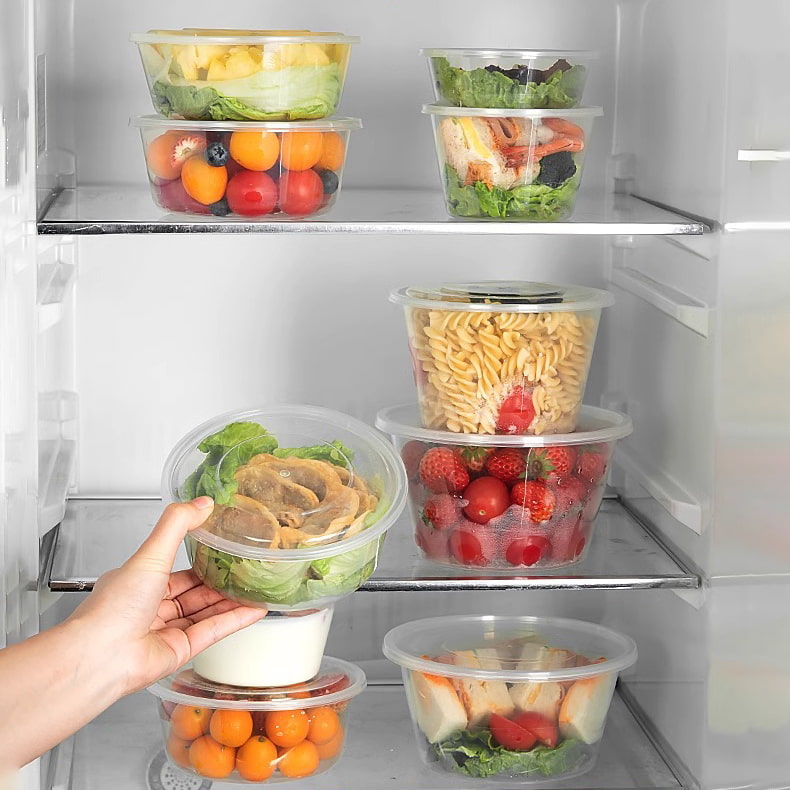
Frozen food trays are exposed to conditions that are significantly more demanding than ambient or chilled packaging:
-
Temperatures typically reach –18°C to –40°C
-
Packaging experiences thermal contraction
-
Products are stacked for long periods in cold storage
-
Trays face impact risks during frozen transport and handling
Tray thickness directly affects:
-
Structural strength at low temperatures
-
Resistance to cracking and brittleness
-
Load-bearing capacity during stacking
-
Packaging waste and cost efficiency
Selecting thickness purely based on visual sturdiness or competitor benchmarks often leads to either over-engineering or failure in real use.
2. Key Challenges in Frozen Food Packaging
2.1 Low-Temperature Brittleness
Many plastics become more brittle as temperature decreases. If tray walls or corners are too thin, micro-cracks may form during freezing or handling, leading to breakage later.
2.2 Thermal Shrinkage
As food freezes, both the product and packaging contract. Insufficient thickness or poor structural design can cause deformation, especially at corners and flanges.
2.3 Stacking Pressure
Frozen trays are commonly stacked in cartons or pallets. Bottom trays may bear substantial weight over weeks or months in cold storage.
2.4 Moisture and Sauce Migration
Condensation during thawing can expose weaknesses in thin tray walls, increasing the risk of leakage.
3. Understanding Tray Thickness: More Than a Single Number
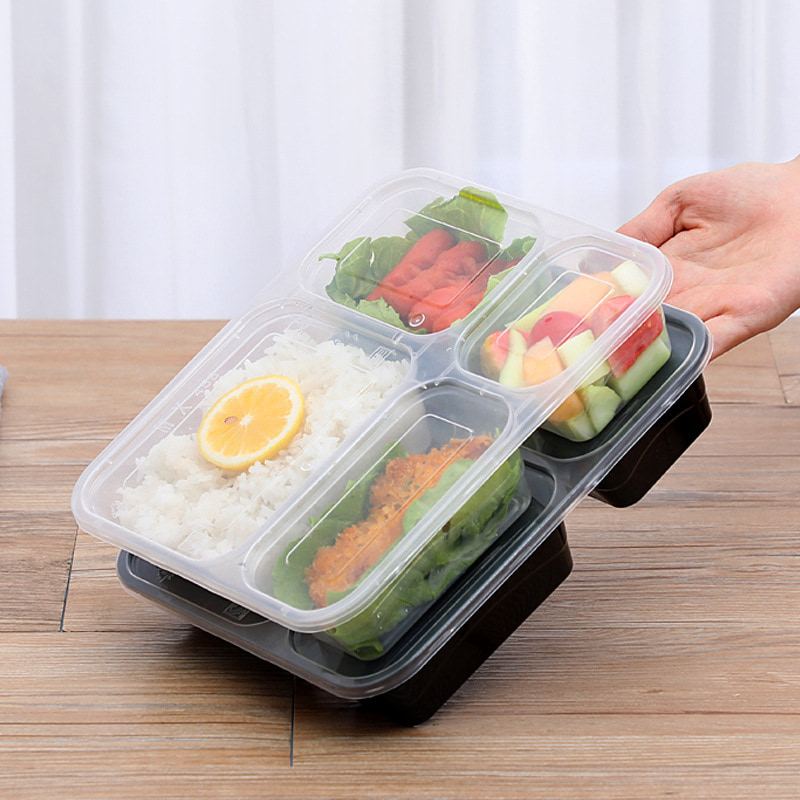
Tray thickness is often confused with weight or rigidity, but they are not the same.
-
Thickness: Wall and base measurement (mm)
-
Weight: Total material usage (grams)
-
Rigidity: Structural resistance, influenced by design and material
A well-designed tray with reinforcing ribs and optimized geometry can outperform a thicker tray with poor structural design.
Experienced manufacturers focus on application-specific thickness, not maximum thickness.
4. Recommended Tray Thickness by Frozen Food Type
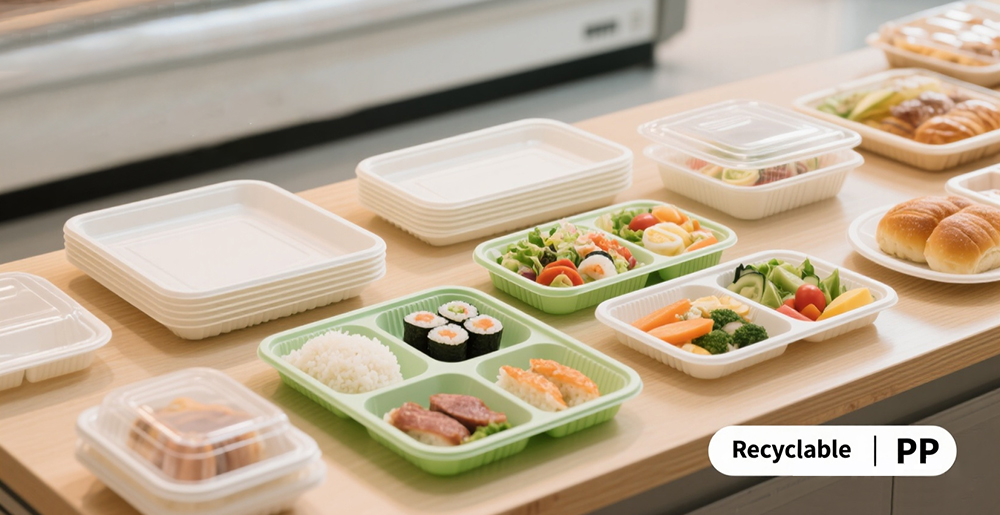
4.1 Frozen Ready Meals & Airline Meals
Typical characteristics:
-
Balanced portion weight
-
Uniform product shape
-
Often reheated after thawing
Key requirements:
-
Good stacking resistance
-
Stable flange for sealing
-
Consistent wall thickness
Thickness guidance: Medium-range thickness with reinforced corners is usually sufficient.
4.2 Frozen Meat, Seafood, and Poultry
Challenges:
-
Sharp edges (bones, shells)
-
Variable weight distribution
-
Drip loss during thawing
Key requirements:
-
Higher puncture resistance
-
Strong base and sidewalls
Thickness guidance: Slightly thicker walls or locally reinforced areas are recommended rather than uniformly increasing thickness.
4.3 Frozen Bakery and Desserts
Challenges:
-
Moisture sensitivity
-
Shape deformation
-
Lid compatibility
Key requirements:
-
Dimensional stability
-
Smooth sealing surfaces
Thickness guidance: Moderate thickness combined with precise mold design to maintain shape integrity.
5. Material-Specific Thickness Considerations
5.1 CPET Trays
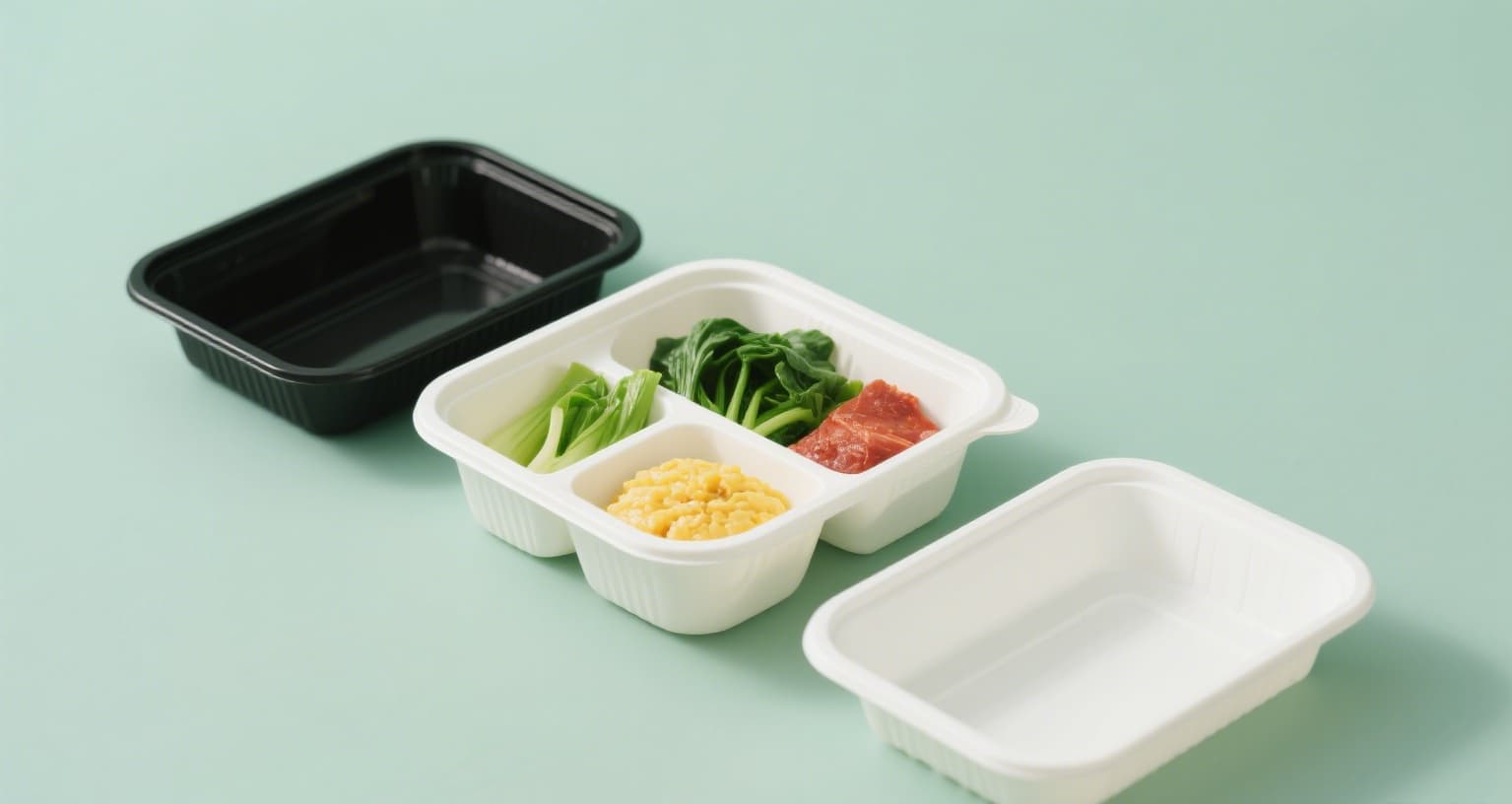
CPET is widely used for frozen and reheatable meals.
Strengths:
-
Excellent low-temperature toughness
-
High heat resistance for oven use
-
Stable dimensional performance
Thickness strategy:
-
CPET does not require excessive thickness
-
Structural design plays a larger role than material mass
5.2 PP Trays
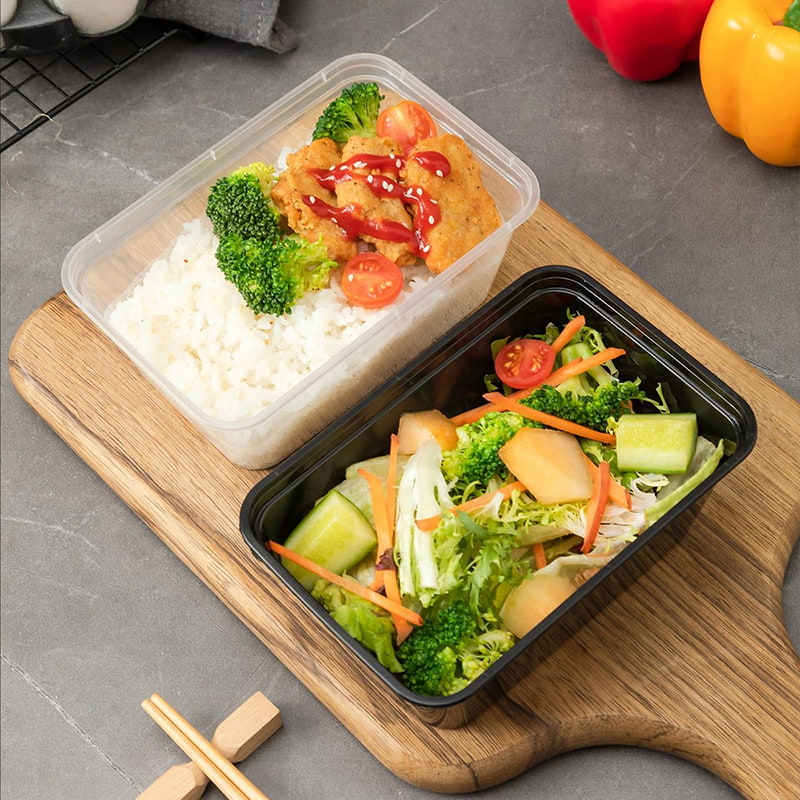
PP remains flexible at low temperatures but has limitations.
Strengths:
-
Good impact resistance
-
Lightweight
Limitations:
-
Lower rigidity compared to CPET
-
May deform under heavy stacking
Thickness strategy:
-
Slightly thicker walls or rib reinforcement is often required for frozen storage.
5.3 RPET / PET Trays
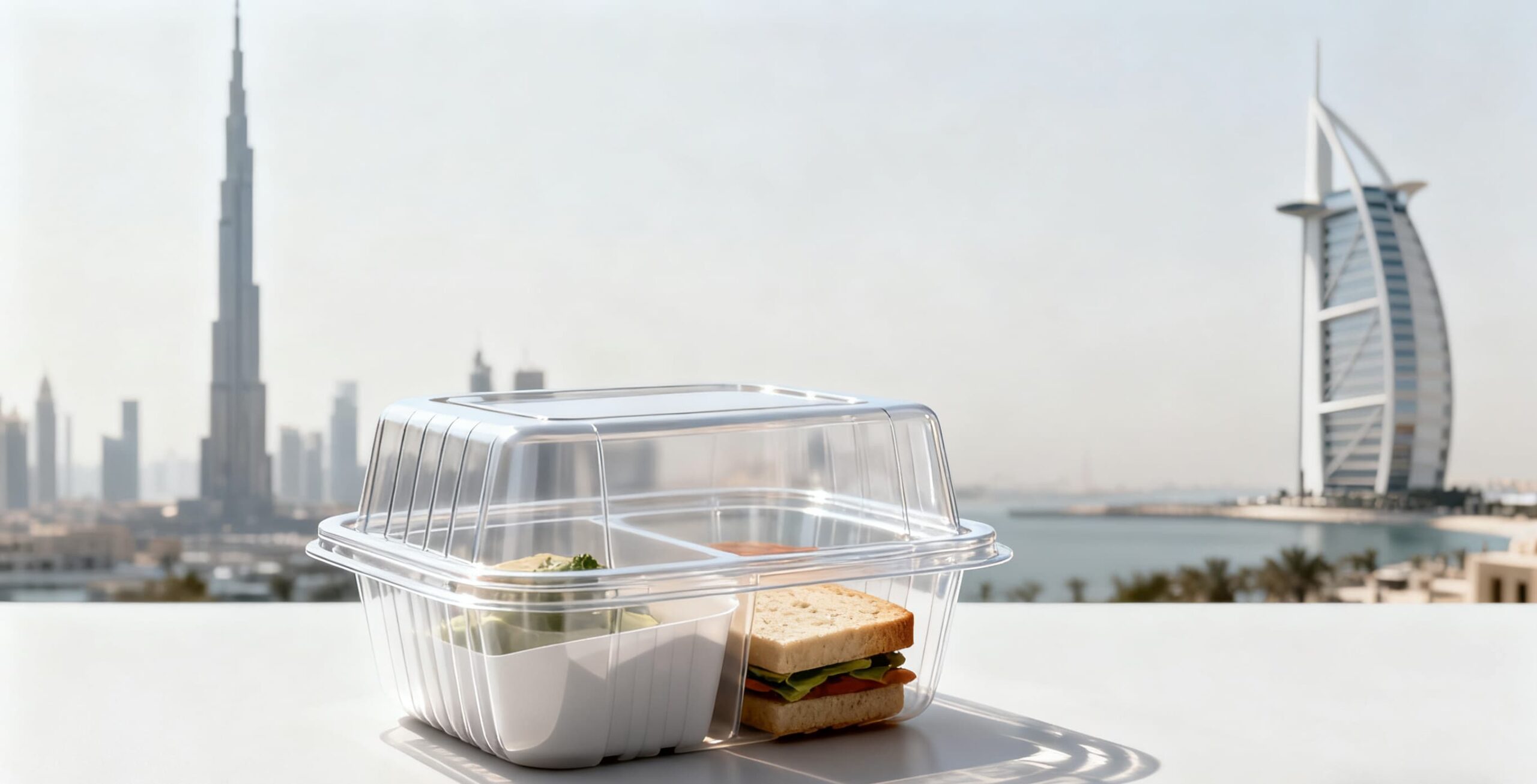
RPET offers sustainability advantages but needs careful thickness control.
Challenges:
-
Increased brittleness at low temperatures
-
Sensitivity to stress concentration
Thickness strategy:
-
Focus on consistent wall thickness
-
Avoid sharp corners
-
Thickness should compensate for recycled material variability
Manufacturers with RPET experience often adjust mold design rather than simply increasing material usage.
5.4 Bagasse and Bio-Based Trays
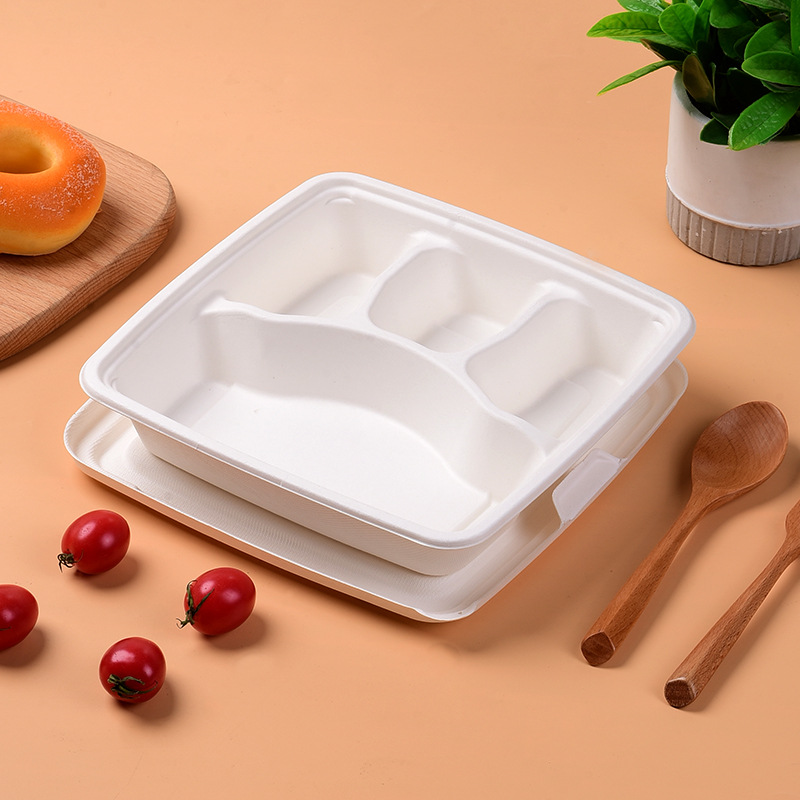
Bagasse trays are increasingly used for frozen foods in specific markets.
Challenges:
-
Moisture absorption
-
Reduced flexibility at freezing temperatures
Thickness strategy:
-
Thicker bases combined with appropriate surface treatment
-
Best suited for short-term frozen storage or controlled logistics
6. How Thickness Impacts Cost and Sustainability
Increasing tray thickness may reduce breakage, but it also:
-
Raises raw material cost
-
Increases transportation weight
-
Adds to packaging waste
Optimized thickness achieves performance without excess material.
Some manufacturers, including DASHAN, focus on balancing thickness with mold optimization to reduce gram weight while maintaining performance across frozen logistics.
7. Testing Methods to Validate Tray Thickness
Before mass production, tray thickness should be validated through:
-
Low-temperature drop tests
-
Compression and stacking tests at –18°C
-
Freeze–thaw cycle testing
-
Leakage tests after thawing
These tests often reveal weaknesses that are not visible at room temperature.
8. Common Buyer Mistakes
-
Selecting thickness based only on appearance
-
Copying competitor specifications without testing
-
Ignoring product weight changes after freezing
-
Over-specifying thickness to avoid risk
-
Focusing solely on unit price instead of total cost
These mistakes often result in higher failure rates or unnecessary costs.
9. Practical Tray Thickness Selection Checklist
Before finalizing tray specifications, consider:
-
Food type and portion weight
-
Storage temperature and duration
-
Stacking height and carton design
-
Transportation conditions
-
Sealing and lidding compatibility
-
Sustainability and material goals
10. How Experienced Manufacturers Approach Thickness Decisions
Instead of offering a “one-size-fits-all” solution, experienced packaging suppliers:
-
Analyze the specific frozen application
-
Adjust thickness selectively rather than uniformly
-
Optimize mold geometry to improve strength
-
Validate performance through real-use testing
DASHAN’s approach across CPET, PP, and RPET trays reflects this application-driven method, helping buyers avoid both under-design and unnecessary material use.
FAQ
1. Is thicker tray packaging always better for frozen food?
No. Thicker trays may increase cost and weight without improving performance. Structural design, material type, and reinforcement often matter more than wall thickness alone.
2. What problems can occur if tray thickness is too thin?
Trays that are too thin may crack at low temperatures, deform under stacking pressure, or leak during thawing, especially in frozen transport and storage.
3. Does tray thickness need to change based on food type?
Yes. Frozen meals, seafood, meat, and bakery products place different stresses on trays. Sharp edges, moisture content, and portion weight all influence thickness requirements.
4. How does material choice affect required thickness?
Materials behave differently at low temperatures. For example, CPET maintains rigidity when frozen, while RPET and PP may require optimized thickness or structural reinforcement to prevent brittleness or deformation.
5. Can tray thickness impact sustainability and cost?
Absolutely. Over-engineered trays increase material usage, transportation emissions, and waste. Proper thickness optimization balances performance, cost control, and sustainability goals.
6. How should buyers validate tray thickness before mass production?
Testing is essential. Common methods include low-temperature drop tests, compression and stacking tests at –18°C, freeze–thaw cycle testing, and leakage tests after thawing.
Conclusion
Choosing the right tray thickness for frozen food packaging is not about maximizing material use. It is about matching thickness, material, and design to real-world conditions. When thickness decisions are guided by testing and application requirements, businesses can achieve better performance, lower costs, and more sustainable packaging outcomes
References
-
European Commission — Food Packaging and Materials
https://food.ec.europa.eu/safety/chemical-safety/food-contact-materials_en -
ASTM International — Standard Guide for Packaging Testing
https://www.astm.org/Standards/packaging-standards.html -
Institute of Packaging Professionals (IoPP) — Packaging Fundamentals
https://www.iopp.org/page/PackagingFundamentals -
PlasticsEurope — Plastics in Food Packaging
https://plasticseurope.org/knowledge-hub/plastics-in-food-packaging/ -
FDA — Food Contact Substances (Packaging Materials)
https://www.fda.gov/food/food-ingredients-packaging/food-contact-substances-fcs
Copyright Statement
© 2026 Dashan Packing. All rights reserved.
This article is an original work created by the Dashan Packing editorial team.
All text, data, and images are the result of our independent research, industry experience,
and product development insights. Reproduction or redistribution of any part of this content
without written permission is strictly prohibited.
Dashan Packing is committed to providing accurate, evidence-based information and
to upholding transparency, originality, and compliance with global intellectual property standards.