

Quick Summary
Selecting the right hot food containers for takeaway is essential to maintain meal quality, prevent spills, and keep food warm. This guide explores insulation, durability, eco-friendly alternatives, and materials like PP, CPET, corn starch, and bagasse—offering restaurants practical solutions to improve food delivery and customer satisfaction.
Why Hot Food Containers Matter for Takeaway
Takeaway meals quickly lose flavor and texture if not kept warm. Proper containers ensure:
-
Temperature retention: Keeps soups, curries, and rice dishes hot.
-
Food safety: Prevents bacterial growth by holding safe ranges.
-
Customer satisfaction: Meals arrive in restaurant-quality condition.
Key Factors to Consider in Hot Food Containers
Temperature Retention and Insulation
-
Insulated walls and tight lids lock in heat.
-
Prevents sogginess and texture loss.
-
Ideal for delivery services with longer transit times.
Durability and Leak Resistance
-
Strong containers resist breaking and warping.
-
Leak-proof lids keep sauces contained and bags clean.
-
Essential for liquid-based dishes like soups or curries.
Eco-Friendliness and Sustainability
-
Compostable and biodegradable trays reduce environmental impact.
-
Starch-based and bagasse containers align with global green trends.
-
Helps attract eco-conscious customers.
Branding and Presentation
-
Customized containers boost brand recognition.
-
Clear compartments keep food looking fresh.
-
Thoughtful design enhances unboxing experience.
Material Options for Hot Food Containers
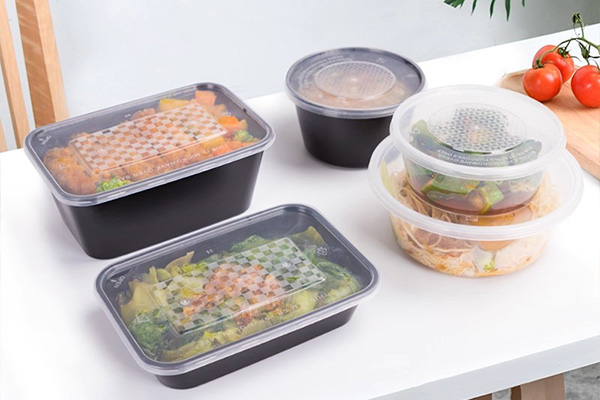
Polypropylene (PP)
-
Heat-resistant up to 248°F (120°C).
-
Microwave-safe and moisture-resistant.
-
Durable, lightweight, and recyclable.
-
Ideal for soups, curries, pasta, and rice dishes.
👉 Explore DASHAN’s PP food containers designed for hot meals here: PP Food Containers
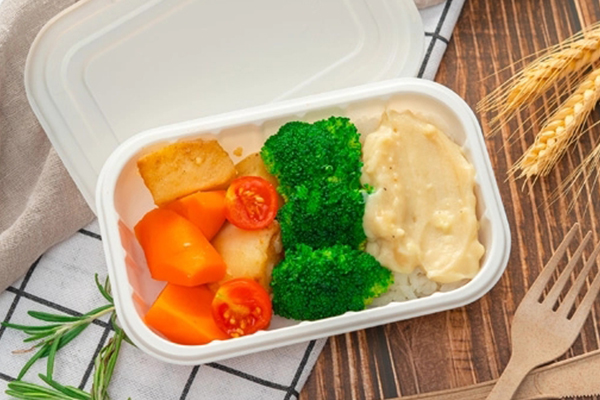
Crystallized Polyethylene Terephthalate (CPET)
-
Withstands both freezing and heating (–40°C to 220°C).
-
Microwave and oven safe, perfect for ready meals.
-
Maintains rigidity with hot and oily foods.
-
Suitable for restaurants needing dual hot–cold performance.
👉 Discover DASHAN’s CPET trays and airline meal solutions here: CPET Food Trays
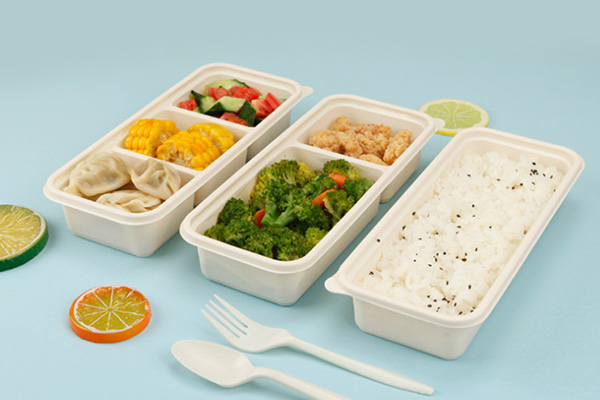
Corn Starch–Based Materials
-
Made from renewable starch resources.
-
Compostable under industrial conditions.
-
Handles moderate heat, suitable for warm but not extremely hot foods.
-
Ideal for eco-focused restaurants offering sustainable packaging.
👉 View DASHAN’s starch-based clamshells and trays here: Corn Starch Packaging
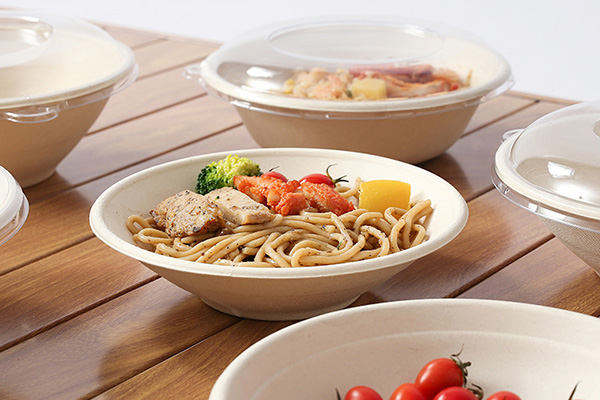
Bagasse (Sugarcane Pulp)
-
A byproduct of sugarcane processing, 100% compostable.
-
Naturally heat-resistant up to 200°F (93°C).
-
Grease- and liquid-resistant with special coatings.
-
Excellent for fried or saucy foods needing eco-friendly containers.
👉 Check DASHAN’s bagasse plates and takeaway boxes here: Bagasse Tableware
Matching Containers to Food Types
Soups, Stews, and Curries
-
Use PP or CPET containers with tight lids.
-
Double-wall insulation keeps food hot.
-
Microwave-safe designs enhance convenience.
Pasta, Rice, and Noodles
-
PP containers preserve structure and resist sauces.
-
CPET works well for oven-to-table reheating.
-
Ventilated lids help prevent condensation.
Breaded and Fried Foods
-
Bagasse trays absorb excess oil and resist grease.
-
Vent holes help maintain crispiness.
-
Compartments separate sauces to keep food crunchy.
Sauces, Sides, and Small Portions
-
Compact PP or starch-based mini containers with secure lids.
-
Leak-proof designs fit neatly into larger delivery boxes.
-
Eco-friendly options improve customer perception.
How to Maximize Container Performance
1. Pre-Heat Containers
-
Pre-warming PP or CPET containers extends temperature retention.
-
Prevents the packaging from absorbing food heat.
2. Use Secure Lids
-
Snap-on or locking lids prevent leaks and retain heat.
-
Essential for soups, curries, and oily dishes.
3. Microwave & Oven-Safe Options
-
CPET allows safe reheating in microwave and conventional ovens.
-
PP works well for microwaving.
-
Enhances customer convenience.
FAQs About Hot Food Containers for Takeaway
1、What material is best for hot food containers?
Answer: PP and CPET are top choices for heat resistance. Bagasse and starch-based containers are great eco-friendly alternatives for moderately hot foods.
2、Are hot food containers microwave or oven safe?
Answer: PP and CPET are microwave-safe, with CPET also oven-safe up to 220°C. Bagasse and starch-based are not suitable for ovens but can hold warm foods.
3、 How do I keep fried food crispy during delivery?
Answer: Use bagasse trays or ventilated designs that release steam. Separate sauces to prevent sogginess.
4、 What are the most eco-friendly hot food container options?
Answer: Corn starch–based containers and bagasse trays are fully compostable, making them top sustainable choices.
5、 How can restaurants improve branding with packaging?
Answer: By adding custom logos, using compartmentalized trays, and choosing premium eco-friendly materials, restaurants can enhance presentation and build customer loyalty.
Conclusion
So, how do you choose the right hot food containers for takeaway?
Select materials based on heat retention, food type, and sustainability goals. PP and CPET provide durability and temperature control, while corn starch and bagasse offer eco-friendly alternatives. Investing in the right containers ensures hot, fresh, and safe meals that boost customer satisfaction and strengthen your brand.
References
-
Wikipedia Contributors. “Polypropylene.” https://en.wikipedia.org/wiki/Polypropylene
-
Wikipedia Contributors. “Polyethylene terephthalate.” https://en.wikipedia.org/wiki/Polyethylene_terephthalate
-
FDA. “Food Packaging & Food Contact Substances.” https://www.fda.gov/food/packaging-food-contact-substances
-
USDA FSIS. “Food Safety for Takeout Meals.” https://www.fsis.usda.gov
-
Han, J. H. Innovations in Food Packaging. Academic Press. https://www.sciencedirect.com/book/9780123946010/innovations-in-food-packaging
-
Robertson, G. L. Food Packaging: Principles and Practice. Routledge. https://www.routledge.com/Food-Packaging/Robertson/p/book/9781439862414