

Quick Summary
Choosing between PET, PP, and CPET depends on temperature exposure, reheating method, product presentation, and cost structure. PET offers superior clarity and is ideal for fresh and retail-display foods. PP provides reliable microwave performance at competitive cost, making it suitable for hot takeaway and ready meals. CPET delivers freezer-to-oven durability and is essential for high-temperature applications such as airline catering and frozen ovenable meals. The correct material is determined by functional requirements—not trends.
Selecting the correct packaging material is not a cosmetic decision—it is a technical and commercial one. Material choice directly affects food safety compliance, thermal performance, shelf life, logistics cost, brand positioning, and end-of-life sustainability outcomes. Among the most widely used polymers in food packaging today are PET (Polyethylene Terephthalate), PP (Polypropylene), and CPET (Crystallized Polyethylene Terephthalate).
Although these materials may appear similar to non-technical buyers, their molecular structure, thermal behavior, clarity, mechanical strength, and processing methods make them suitable for very different food applications.
This article provides a detailed technical framework for evaluating PET, PP, and CPET in real-world food packaging scenarios—ranging from fresh produce and ready meals to frozen foods and airline catering.
1. Understanding the Material Fundamentals
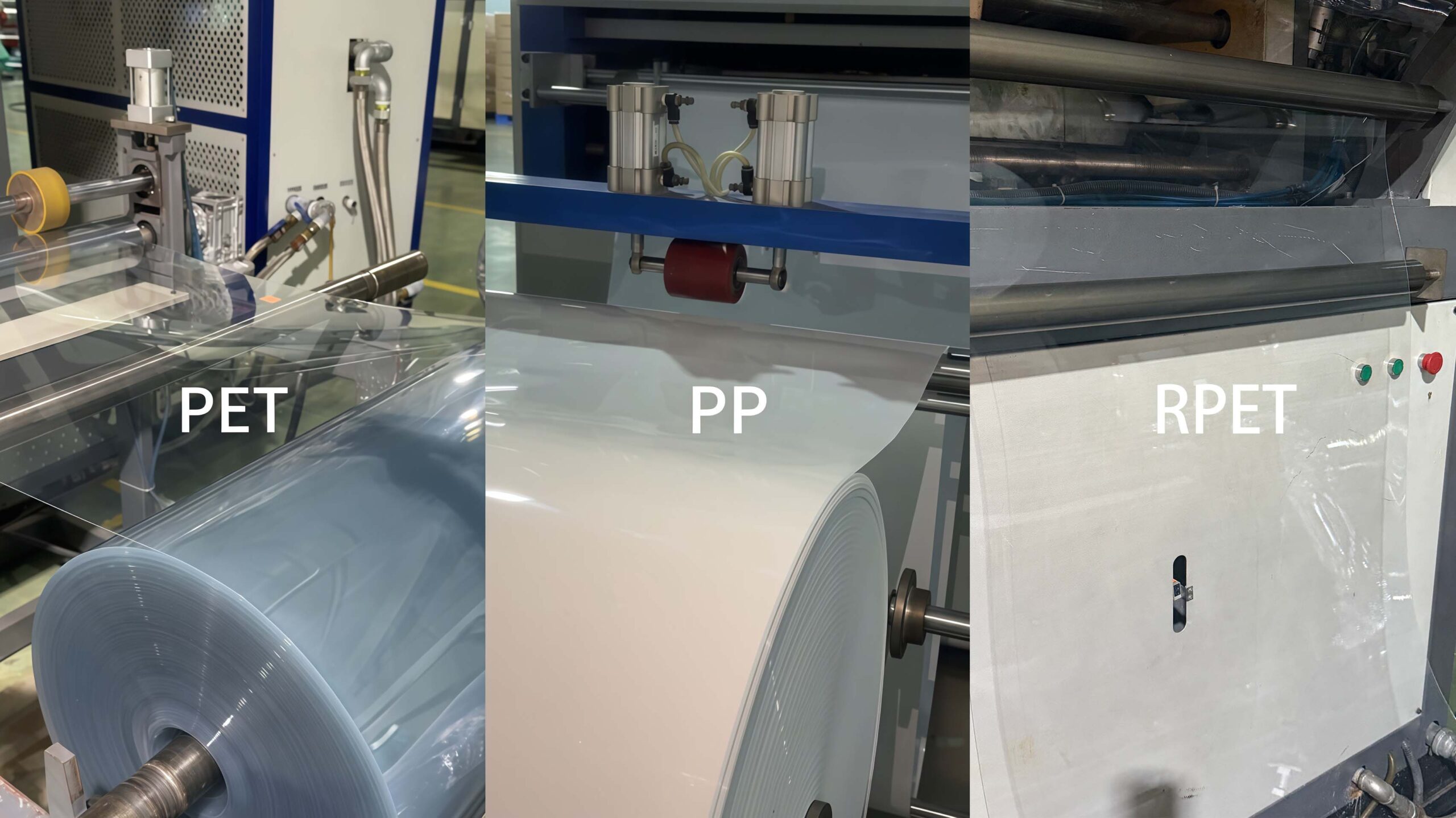
Before comparing applications, it is critical to understand the polymer science behind each material.
PET (Polyethylene Terephthalate)
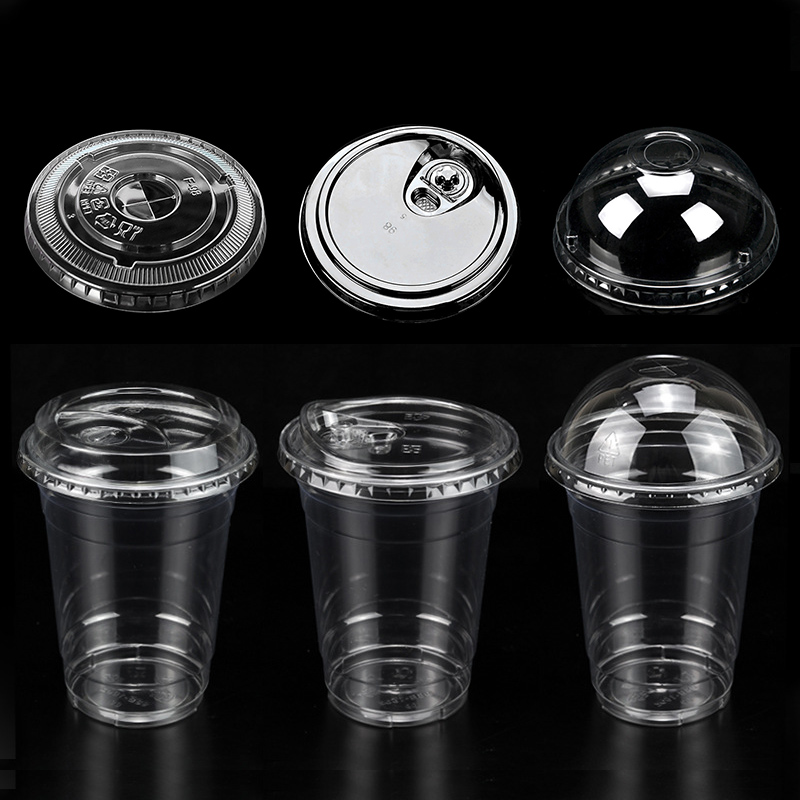
PET is a thermoplastic polyester known for:
-
High clarity and gloss
-
Strong mechanical strength
-
Good oxygen barrier performance
-
Excellent dimensional stability
-
Moderate heat resistance (typically up to ~60–70°C for standard amorphous PET)
PET is commonly used for:
-
Transparent food containers
-
Beverage cups
-
Clamshell packaging
-
Fresh produce boxes
Its strength lies in visibility and presentation, not high-temperature performance.
PP (Polypropylene)
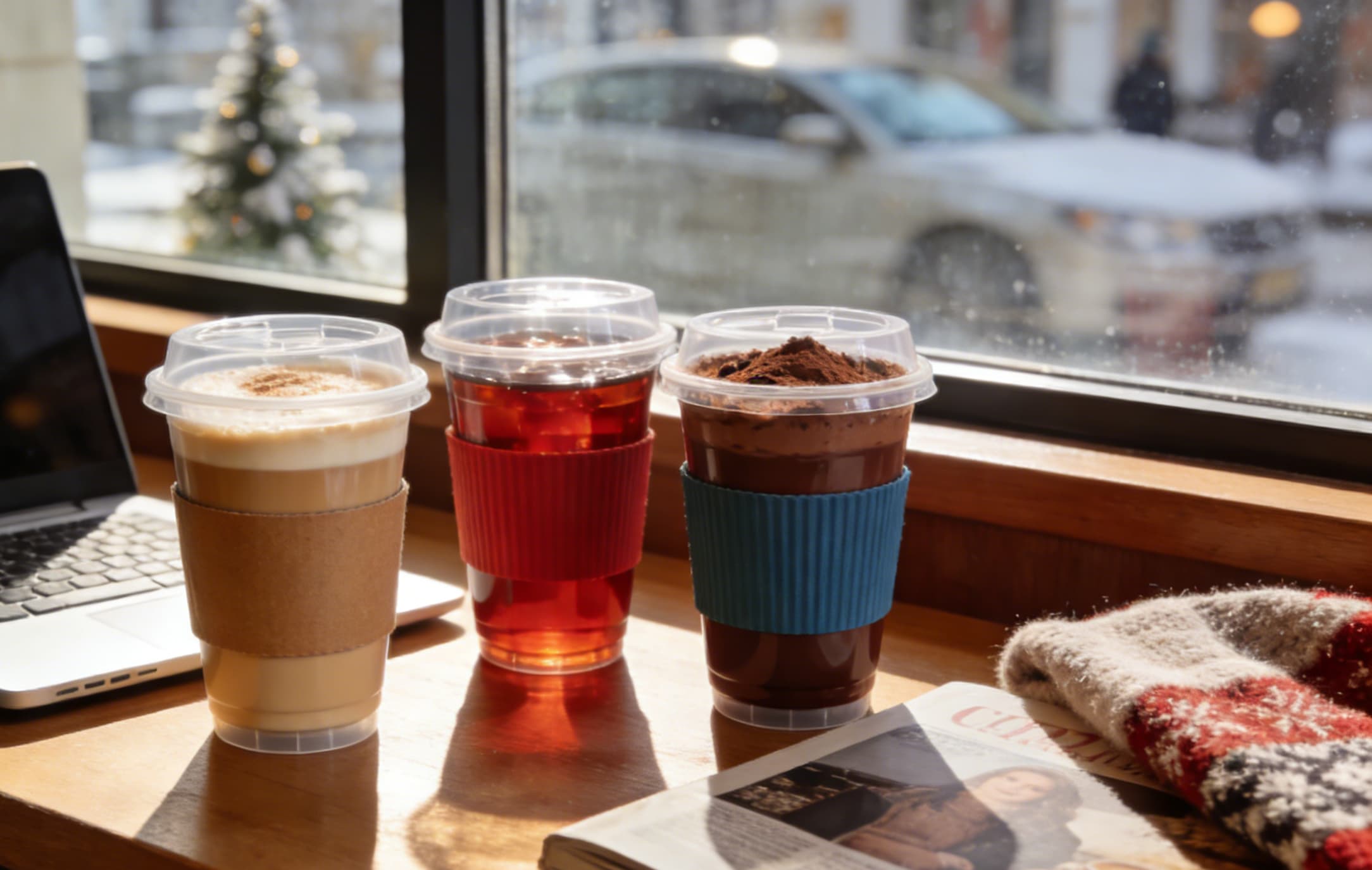
PP is a semi-crystalline thermoplastic characterized by:
-
Good heat resistance (typically up to 100–120°C)
-
Strong fatigue resistance
-
Excellent chemical resistance
-
Lightweight structure
-
Good microwave compatibility
PP is commonly used for:
-
Microwaveable meal trays
-
Deli containers
-
Takeout food containers
-
Yogurt cups
PP provides a balance between cost efficiency and functional heat resistance.
CPET (Crystallized PET)
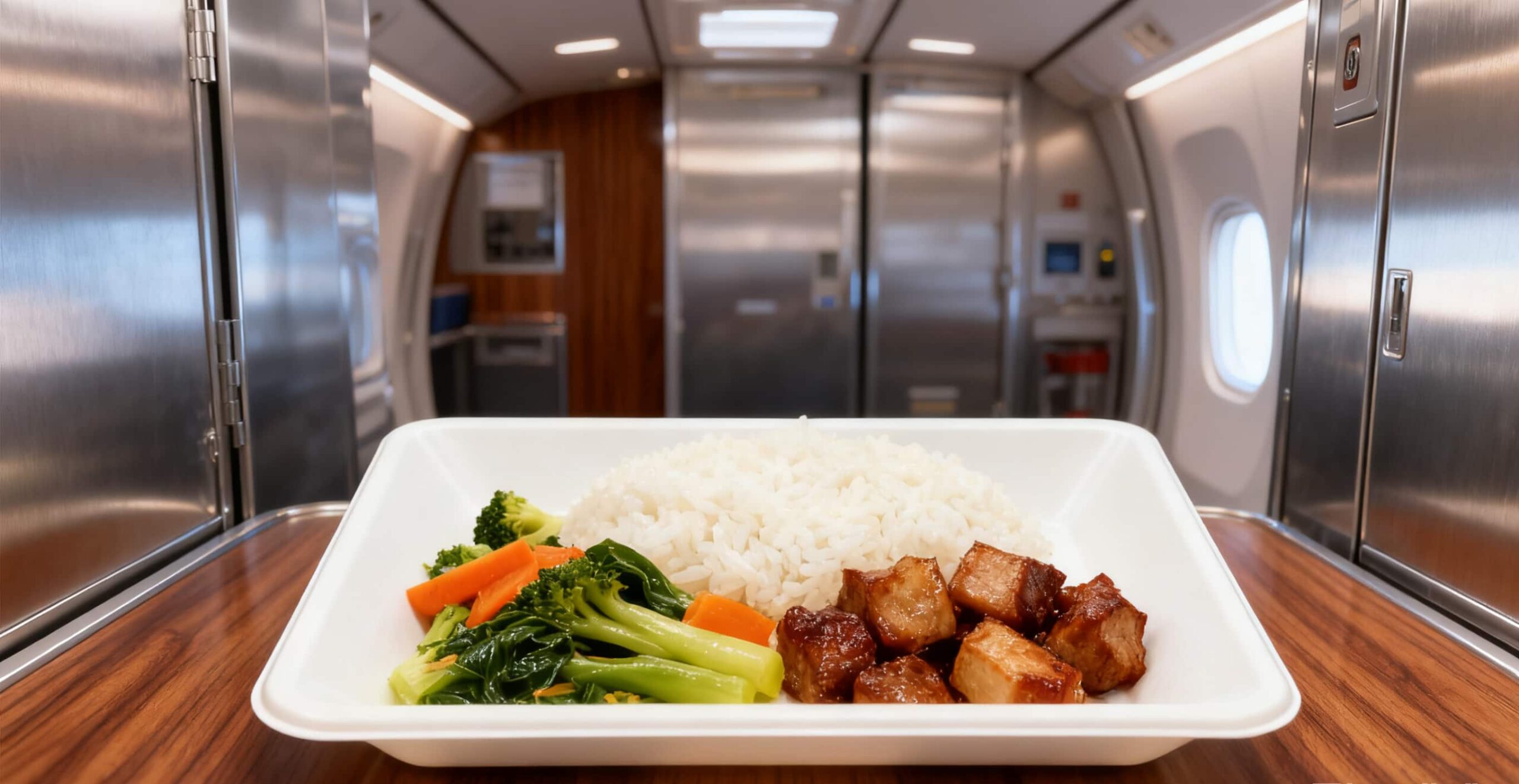
CPET is PET that has undergone crystallization during processing, which significantly enhances its heat tolerance.
Key properties:
-
Heat resistance up to 200–220°C
-
Freezer-to-oven compatibility
-
Strong dimensional stability under thermal shock
-
Good structural rigidity
-
Suitable for dual-oven applications (microwave + conventional oven)
CPET is widely used for:
-
Airline catering trays
-
Frozen ready meals
-
Ovenable meal trays
-
Institutional catering
CPET bridges the gap between plastic convenience and oven-level heat performance.
2. Temperature Performance: The Primary Decision Driver
Temperature exposure is often the most critical variable when selecting packaging material.
Cold Chain & Refrigerated Foods
For chilled foods (0–8°C):
-
PET performs extremely well.
-
PP performs adequately.
-
CPET is often unnecessary unless oven reheating is required.
PET is ideal for:
-
Fresh salads
-
Cut fruit
-
Cold noodles
-
Bakery items
Its clarity enhances product visibility, which is essential for retail environments.
Frozen Foods (-18°C and below)
For frozen storage:
-
CPET performs best due to structural stability.
-
PET can crack under extreme cold if poorly designed.
-
PP performs reasonably well but may become brittle in deep freeze conditions.
CPET is preferred for:
-
Frozen ready meals
-
Airline frozen catering
-
Frozen meat portions
-
Oven-ready frozen dishes
The ability to move directly from freezer to oven makes CPET technically superior in this segment.
Microwave Applications
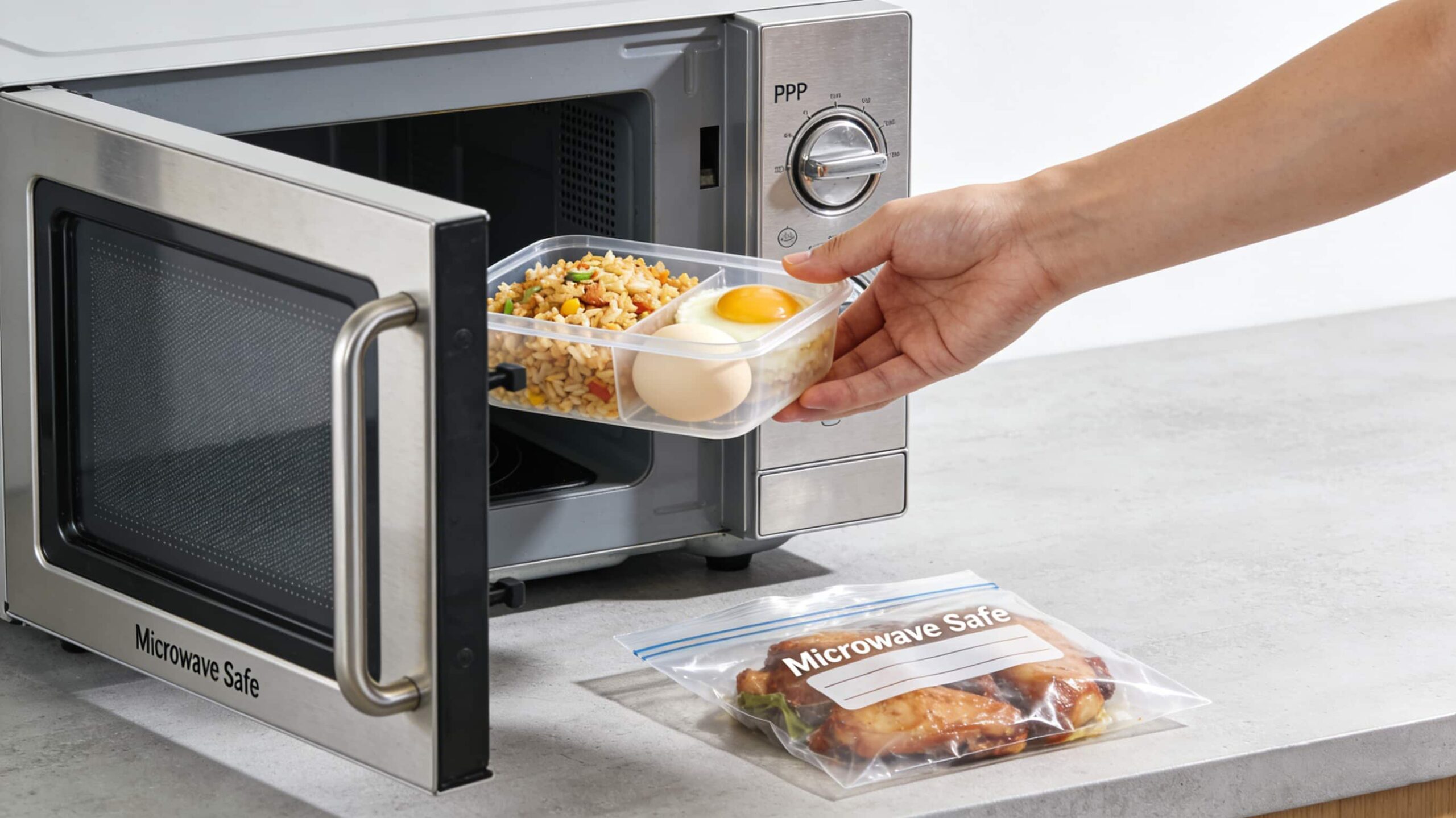
If microwave reheating is required:
-
PP is highly suitable.
-
CPET is excellent for microwave and conventional oven.
-
Standard PET is generally not recommended for microwave use.
For ready-to-eat meals sold in supermarkets, PP trays are often the most cost-effective solution.
For dual-use (microwave + oven), CPET is necessary.
Conventional Oven Use
For temperatures above 180°C:
-
Only CPET is suitable among the three.
-
PET will deform.
-
PP will soften and lose structural integrity.
If the application involves baking, roasting, or reheating in convection ovens, CPET becomes mandatory.
3. Transparency and Shelf Appeal
Visual merchandising is a commercial variable often underestimated by procurement teams.
PET: Maximum Transparency
PET provides:
-
Glass-like clarity
-
High gloss finish
-
Excellent light transmission
-
Premium appearance
It is ideal for:
-
Fresh fruit containers
-
Salad boxes
-
Dessert packaging
-
Premium bakery packaging
If product visibility drives impulse buying, PET is the superior choice.
PP: Semi-Transparent to Opaque
PP typically offers:
-
Lower clarity than PET
-
Matte finish
-
Functional rather than premium aesthetics
It works well for:
-
Hot food takeaway
-
Microwave meals
-
Bulk packaging
PP prioritizes function over display aesthetics.
CPET: Opaque or Dual-Color
CPET is commonly:
-
Black
-
White
-
Dual-color (black outside, white inside)
Clarity is not its strength. It is used where cooking performance matters more than appearance.
4. Mechanical Strength and Structural Integrity
Material stiffness and load-bearing capacity affect stacking, transport, and deformation risk.
PET
-
High tensile strength
-
Good rigidity
-
Excellent resistance to crushing
Best for:
-
Stacked retail displays
-
High-visibility supermarket packaging
-
E-commerce fresh food packaging
PP
-
Flexible
-
Impact-resistant
-
Good fatigue endurance
Better for:
-
Takeaway containers
-
Reusable microwavable containers
-
Lidded meal boxes
CPET
-
Highly rigid
-
Stable under thermal stress
-
Resistant to warping during oven heating
Best for:
-
Airline meal trays
-
Institutional catering
-
High-temperature reheating
5. Barrier Performance and Food Protection
Barrier properties influence shelf life and product freshness.
Oxygen Barrier
PET generally provides better oxygen barrier properties than PP.
This makes PET preferable for:
-
Fresh-cut produce
-
Protein-rich foods
-
Oxygen-sensitive items
Moisture Barrier
PP offers strong moisture resistance, making it suitable for:
-
Sauced meals
-
High-moisture dishes
-
Microwaveable products
CPET maintains structure but is often combined with sealing films to optimize barrier performance.
6. Cost Considerations
Budget constraints influence material selection significantly.
PET
-
Moderate cost
-
Efficient for high-volume retail packaging
-
Cost-effective for transparent containers
PP
-
Generally lower cost
-
Highly economical for mass-produced takeaway packaging
-
Excellent balance of performance and price
CPET
-
Higher cost due to crystallization processing
-
Justified only when oven compatibility is required
-
Premium application segment
Material selection should be based on performance necessity, not preference.
7. Sustainability and Recycling Factors
Environmental performance increasingly influences purchasing decisions.
PET & RPET
PET is widely recyclable.
When recycled PET (RPET) is used:
-
Carbon footprint reduces significantly
-
Circular economy positioning improves
-
Retailers gain sustainability credentials
For transparent food containers, RPET is often the optimal sustainable solution.
PP
PP is recyclable but recycling streams are less developed compared to PET in many regions.
However, its lightweight nature reduces material consumption.
CPET
Recycling streams for CPET are more complex due to crystallization and pigmentation.
Its sustainability advantage lies in:
-
Food waste reduction
-
Thermal durability
-
Long lifecycle performance
8. Application-Specific Recommendations
Fresh Produce & Retail Display
Recommended: PET (or RPET)
Reason: Clarity, shelf appeal, oxygen barrier.
Hot Takeaway & Microwave Meals
Recommended: PP
Reason: Heat resistance, affordability, durability.
Frozen Ready Meals (Freezer-to-Oven)
Recommended: CPET
Reason: Thermal shock resistance, oven compatibility.
Airline Catering
Recommended: CPET trays + PET cold cups
Airline catering requires:
-
Lightweight construction
-
Freezer storage
-
Reheating in convection ovens
-
Structural integrity during turbulence
CPET trays handle oven reheating.
PET cups provide clarity for cold beverages.
Supermarket Ready Meals (Microwave Only)
Recommended: PP trays
Reason: Microwave safe, cost-efficient.
9. Decision Matrix Framework
When choosing between PET, PP, and CPET, procurement teams should evaluate:
-
Maximum temperature exposure
-
Need for oven compatibility
-
Shelf presentation importance
-
Budget constraints
-
Recycling requirements
-
Supply chain conditions
-
Food composition (oil, moisture, acidity)
-
Distribution distance
-
Consumer reheating behavior
Material selection must be application-driven, not trend-driven.
10. Strategic Positioning for Packaging Manufacturers
For manufacturers offering multi-material portfolios (such as PET containers, PP trays, CPET ovenable trays), the strategic advantage lies in providing:
-
Application-based consultation
-
Lifecycle cost analysis
-
Thermal performance testing
-
Custom mold design
-
Barrier optimization solutions
Instead of pushing a single material, successful suppliers guide buyers toward the most technically suitable option.
11. Common Mistakes in Material Selection
-
Choosing PET for microwave use.
-
Using PP for oven applications.
-
Selecting CPET when oven use is unnecessary.
-
Ignoring food oil content in high-fat dishes.
-
Prioritizing cost over thermal safety.
-
Overengineering packaging beyond real requirements.
-
Failing to test under real food load conditions.
Each mistake leads to product failure, consumer dissatisfaction, or compliance risk.
12. Long-Term Market Trends
The market is shifting toward:
-
High-clarity RPET for retail packaging
-
Lightweight PP for cost-sensitive segments
-
Premium CPET for frozen and airline meals
-
Hybrid solutions (e.g., PET base + PP lid)
-
Design optimization to reduce resin usage
Material innovation is not about replacing one polymer entirely—it is about optimizing each for its strongest application domain.
FAQ
1. What is the main difference between PET, PP, and CPET?
PET is best known for clarity and retail display. PP offers microwave-safe performance with good cost efficiency. CPET withstands both freezer and oven temperatures, making it suitable for high-heat applications.
2. Can PET containers be used in the microwave?
Standard amorphous PET is not recommended for microwave heating because it may deform under elevated temperatures. For microwave applications, PP is the safer and more stable option.
3. Which material is best for frozen ready meals?
CPET is the preferred choice because it tolerates freezing conditions and can move directly from freezer to conventional oven without structural failure.
4. Is PP oven-safe?
PP performs well in microwaves but is generally not suitable for conventional ovens above 180°C. For oven heating, CPET is required.
5. Which material provides the best product visibility?
PET offers the highest clarity and gloss, making it ideal for fresh produce, desserts, and retail food display.
6. Are PET and PP recyclable?
Both PET and PP are recyclable in many regions. PET recycling streams are typically more developed globally, and RPET is widely used in food packaging where regulations allow.
7. When should CPET be selected despite higher cost?
CPET should be chosen when oven compatibility, thermal shock resistance, and structural rigidity under high temperatures are essential—such as airline catering or frozen ovenable meals.
Conclusion
There is no universal “best” material between PET, PP, and CPET. Each polymer is engineered for specific performance envelopes.
-
Choose PET when clarity and shelf appeal drive sales.
-
Choose PP when microwave performance and cost efficiency matter.
-
Choose CPET when oven compatibility and thermal durability are essential.
The correct decision requires understanding food type, heating method, logistics conditions, sustainability targets, and cost parameters.
In food packaging, material selection is not a branding decision—it is a performance engineering decision.
When evaluated systematically, PET, PP, and CPET each deliver optimal results within their intended functional domains.
References
-
U.S. Food and Drug Administration – Recycled Plastics in Food Packaging
Guidance on the considerations for food-contact use of recycled plastics including PET materials. Recycled Plastics in Food Packaging – FDA -
European Food Safety Authority – Safety Guidance for Post-Consumer PET Recycling
Updated EFSA scientific guidance on criteria for recycling processes used to manufacture food-contact PET materials. Scientific Guidance on PET Recycling & Food Safety – EFSA Journal -
European Food Safety Authority – Safety Evaluation of PET Recycling Processes
EFSA panel opinion on recycled PET processes showing safety for use in food-contact materials. Safety Assessment of PET Recycling Processes for Food Contact Materials – EFSA Journal -
European Food Safety Authority – Topic: Recycled Plastic Materials for Food Contact
Overview of EFSA’s work and assessments on recycled plastic materials used in food packaging. Recycled Plastic Materials – EFSA -
Food Packaging Forum – EFSA Evaluations of PP and PET Recycling Processes
Scientific opinions on recycling processes for polypropylene (PP) and PET showing food-contact safety. EFSA Evaluates New Recycling Processes for PP and PET – Food Packaging Forum
Copyright Statement
© 2026 Dashan Packing. All rights reserved.
This article is an original work created by the Dashan Packing editorial team.
All text, data, and images are the result of our independent research, industry experience,
and product development insights. Reproduction or redistribution of any part of this content
without written permission is strictly prohibited.
Dashan Packing is committed to providing accurate, evidence-based information and
to upholding transparency, originality, and compliance with global intellectual property standards.