

Quick Summary
Steam, oil, and time are the three most overlooked factors in food packaging failure. Containers often pass heat tests but fail in real use because materials behave differently once hot food is sealed and held. Choosing packaging based on real usage conditions—not just material names—helps reduce leaks, deformation, and customer complaints.
Why Real-World Conditions Break Packaging Faster Than You Expect
Most food containers perform well when they are empty.
Many still look fine during short lab tests.
But once hot food is packed, sealed, delivered, and left sitting for real-world periods, failures begin to appear.
Cracked lids.
Softened bases.
Leaking oil.
Fogged-up containers that make food look unappetizing.
These problems are rarely caused by “low quality.”
They are caused by steam, oil, and time—three forces that most buyers underestimate when selecting food packaging.
This article explains how these factors actually affect containers in daily foodservice operations, and how smarter material choices reduce complaints, returns, and hidden costs.
Why Containers Fail After Filling, Not Before
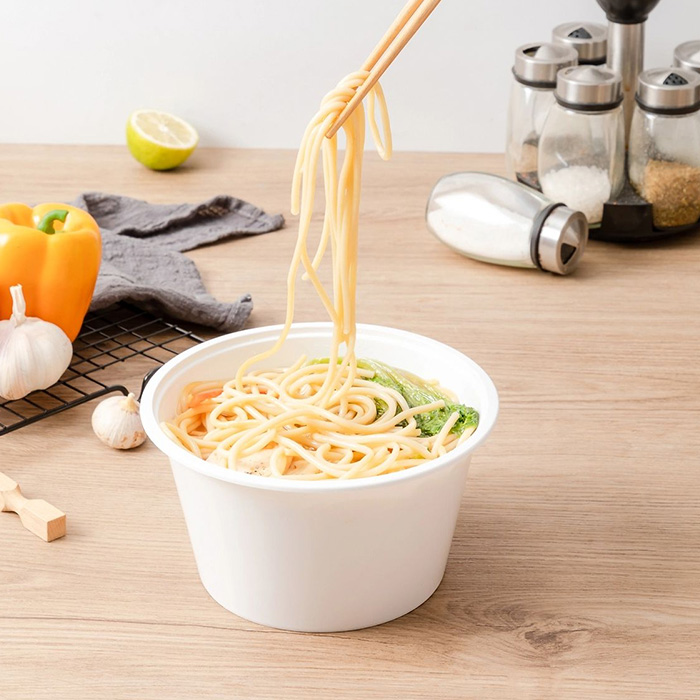
When buyers evaluate food packaging, they usually focus on specifications:
-
Maximum temperature
-
Thickness or gram weight
-
Material name (PP, PET, bagasse, etc.)
What often gets overlooked is what happens after the food goes inside.
Hot food creates an enclosed environment where heat, moisture, fat, and pressure interact continuously. Unlike a brief heat test, real usage involves minutes or hours of exposure, not seconds.
In practice, containers fail because materials behave differently over time under combined stress, not because they fail a single metric.
Steam: The Invisible Stress That Never Stops
Steam is the most aggressive and least visible enemy of food packaging.
When hot food is sealed:
-
Steam rises and condenses on the lid
-
Condensation drips back onto the food
-
The cycle repeats until the container cools
This continuous moisture exposure causes:
-
Warping of thin plastic containers
-
Lid deformation that breaks seals
-
Loss of rigidity in fiber-based materials
-
Fogging that reduces food appeal
Transparent containers often look perfect when dry, but once steam accumulates, clarity drops and structure weakens.
This is why many “heat-resistant” containers still fail in delivery or takeaway scenarios—they were tested for temperature, not steam behavior.
Oil and Fat: More Than a Leak Risk
Oil is not just a surface problem.
Hot fats can:
-
Penetrate porous materials
-
Soften plastic over time
-
Weaken structural stiffness at the base
-
Increase the risk of deformation when stacked
Foods like fried rice, pasta, curries, or grilled meats create long-term oil exposure, especially during delivery or hot display.
A container that holds oil for 10 minutes may fail after 40 minutes.
A container that looks solid on the shelf may soften once oil and heat combine.
This is why buyers often experience unexpected leakage or collapse only after scaling up orders.
Time: The Factor Most Buyers Forget to Test
Time amplifies every other stress.
Consider three real-world scenarios:
-
A meal packed and eaten in 15 minutes
-
A delivery that takes 45 minutes
-
A hot food display that lasts 2 hours
The same container behaves very differently in each case.
Over time:
-
Steam continuously attacks the lid and seal
-
Oil migrates deeper into the material
-
Heat softens structure gradually, not instantly
Many complaints occur not because containers are “bad,” but because they are used longer than they were designed for.
When Steam, Oil, and Time Work Together
Most failures don’t have a single cause.
They happen when steam, oil, and time act together:
-
Steam softens the lid
-
Oil weakens the base
-
Time allows deformation to accumulate
The result is familiar to many importers and food brands:
-
Lids popping open during delivery
-
Containers collapsing when stacked
-
Leaks appearing after transport, not immediately
This is why focusing on one property—such as heat resistance alone—leads to costly mistakes.
How Common Materials Behave in Real Conditions
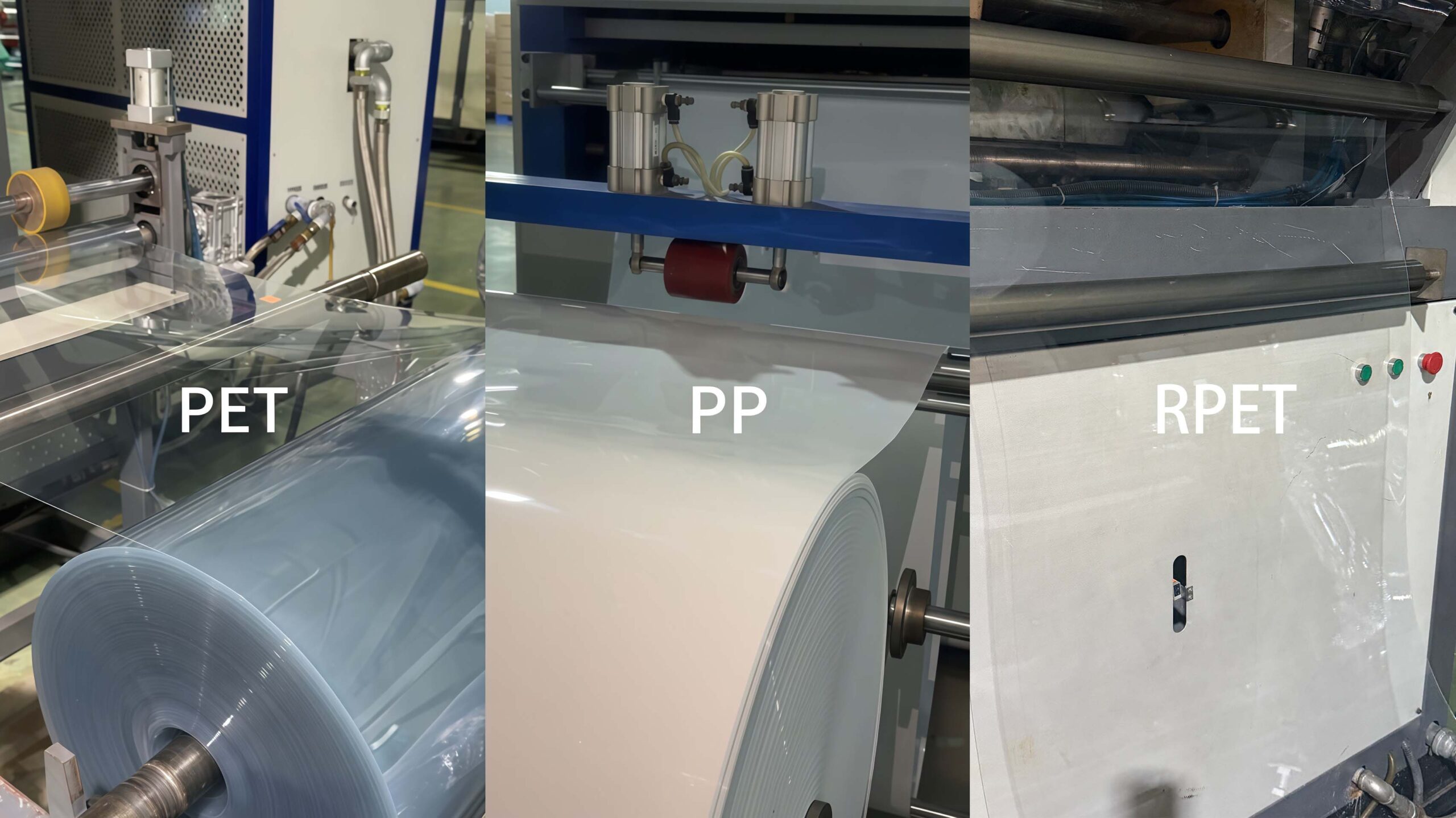
Different materials respond differently under combined stress.
PP (Polypropylene)
PP maintains flexibility under steam and oil exposure. It softens gradually rather than cracking, which helps preserve seals during delivery and extended holding times.
CPET
CPET offers excellent heat stability and resists deformation, making it suitable for oven and airline applications. However, it is less flexible and often over-specified for standard takeaway.
PET / RPET
PET provides excellent clarity but struggles with hot steam. RPET behaves similarly, with sustainability advantages but the same moisture limitations.
Bagasse / Fiber
Fiber containers perform well with dry foods but lose strength under prolonged steam and oil exposure, especially in closed environments.
This is why no single material works for every food type or usage scenario.
What Buyers Should Evaluate Before Choosing Containers
Instead of asking only “What material is this?”, buyers should ask:
-
How hot is the food when packed?
-
How long will it stay sealed?
-
How oily or moist is the food?
-
Will it be delivered, stacked, or displayed?
Packaging should be selected based on use conditions, not marketing labels.
What We See After Orders Scale Up
This is where experience matters.
At DASHAN, one consistent pattern appears:
containers that perform well in small tests sometimes fail after real-world rollout.
Why?
Because large-scale use exposes:
-
Longer holding times
-
Rougher handling
-
More variation in food temperature and moisture
By evaluating packaging based on combined stress behavior, not isolated specs, many of these issues can be prevented before they reach customers.
The Real Cost of Choosing the Wrong Container
Packaging failure doesn’t just cause leaks.
It leads to:
-
Customer complaints
-
Refunds and replacements
-
Poor food presentation
-
Damage to brand perception
The cost of correcting packaging mistakes after launch is far higher than selecting the right material upfront.
FAQ
1. Why do food containers fail even if they are heat resistant?
Because heat resistance alone does not account for steam buildup, oil exposure, and long holding times, which gradually weaken structure and seals.
2. How does steam damage food containers?
Steam repeatedly condenses and evaporates inside sealed containers, causing warping, lid deformation, fogging, and loss of rigidity over time.
3. Is oil a bigger risk than heat for food packaging?
In many cases, yes. Hot oil can penetrate or soften materials, especially during extended holding or delivery, leading to leaks or collapse.
4. Why does packaging perform worse during delivery than in-store use?
Delivery involves longer sealed times, stacking pressure, and movement, which amplify the combined effects of steam, oil, and heat.
5. Is there one material that works for all hot foods?
No. Each material—PP, CPET, PET, RPET, or fiber—behaves differently under real conditions, making application-based selection essential.
Conclusion: Packaging Performance Is About Behavior Over Time
Food containers don’t fail because of one flaw.
They fail because materials behave differently under steam, oil, and time.
Understanding these forces allows brands, importers, and foodservice operators to:
-
Reduce complaints
-
Improve delivery performance
-
Protect food quality
-
Choose packaging with confidence
The best packaging decisions are not based on trends or labels—but on how materials perform in the real world.
References
-
FDA – Food Contact Substances
https://www.fda.gov/food/food-ingredients-packaging/food-contact-substances -
European Commission – Food Contact Materials
https://food.ec.europa.eu/safety/chemical-safety/food-contact-materials_en -
Packaging Europe – Hot Food Packaging Performance
https://packagingeurope.com -
Smithers – Foodservice Packaging Market Insights
https://www.smithers.com/industries/packaging
Copyright Statement
© 2026 Dashan Packing. All rights reserved.
This article is an original work created by the Dashan Packing editorial team.
All text, data, and images are the result of our independent research, industry experience,
and product development insights. Reproduction or redistribution of any part of this content
without written permission is strictly prohibited.
Dashan Packing is committed to providing accurate, evidence-based information and
to upholding transparency, originality, and compliance with global intellectual property standards.