
Introduction: The Challenges and Opportunities for Small Food Manufacturers
In today’s competitive food industry, small food manufacturers face significant challenges in standing out against larger, more established brands. These challenges include limited marketing budgets, restricted distribution networks, and a lack of recognition in a crowded marketplace. However, one area where small food companies can gain a competitive edge is in their packaging. Through innovative packaging designs and customizable options, small food manufacturers can create a unique brand identity, connect with consumers, and differentiate themselves from industry giants.
This article explores how small food manufacturers can leverage packaging to enhance brand recognition, attract consumers, and carve out a distinctive space in the market. From creative designs to eco-friendly materials, packaging plays a pivotal role in establishing a brand’s value and identity.
The Importance of Packaging Innovation in Market Differentiation
Packaging has evolved from being a mere protective layer to becoming a critical element of marketing. For small food brands, packaging is a key tool for differentiation. Unlike large companies with massive budgets, smaller manufacturers can use innovative packaging to compete on a level playing field. Packaging influences consumer decision-making, with factors such as visual appeal, tactile experience, and convenience all playing significant roles in a purchase decision.
Packaging and Consumer Psychology
Understanding consumer psychology is crucial when designing packaging for food products. Packaging is the first point of contact with a potential customer, and it can convey a great deal of information about the product’s quality, value, and brand philosophy. Small brands can capitalize on this by creating eye-catching packaging that resonates with their target audience.
Consumers often equate unique, aesthetically pleasing packaging with higher-quality products. Therefore, small manufacturers can create a luxury feel with minimalist designs, vibrant colors, or bold typography that stand out on the shelf. This makes the product more appealing and sets it apart from mass-market competitors.
Customizable Packaging: Enhancing Consumer Engagement
The demand for personalized experiences has surged in recent years, and customized packaging plays a pivotal role in catering to this shift. By offering personalized packaging, small food brands can foster a deeper emotional connection with their consumers.
Consumer Interaction through Customization
Personalized packaging options allow consumers to feel more connected to the brand. For example, small food manufacturers can offer customized labels, special edition designs, or personalized packaging for events such as birthdays, holidays, or special promotions. This can significantly increase the emotional appeal of the product, especially for consumers looking for unique gift ideas or personalized experiences.
Additionally, customizable packaging can extend beyond design to functionality. For instance, offering packaging in different sizes or formats to cater to specific needs (e.g., single-serving portions, family packs) can create a sense of exclusivity and offer a tailored solution to customers.
Case Study: Customization in Small Food Brands
Take, for example, a small artisanal chocolate brand that offers customers the ability to customize the packaging for special occasions. This can range from adding the recipient’s name to selecting a special greeting card or choosing colors that reflect personal preferences. By providing these personalized options, the small brand can elevate its perceived value, creating a more memorable experience for the consumer.
Eco-friendly Packaging: Aligning with Consumer Values
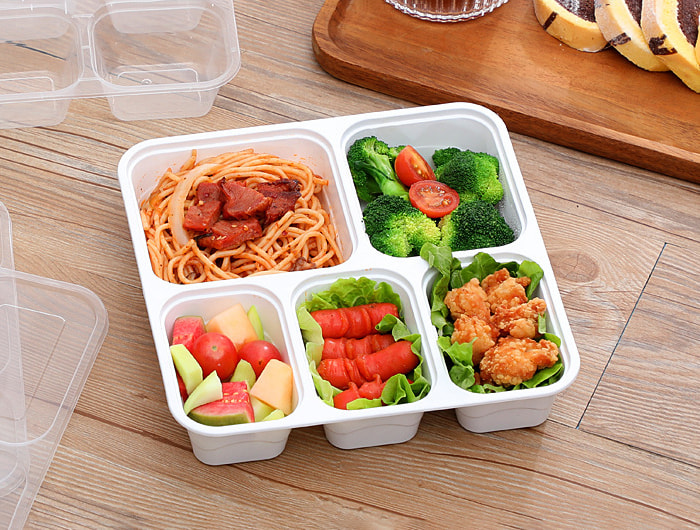
In recent years, consumers have become more conscious of the environmental impact of their purchases. This trend is particularly significant in the food industry, where there is a growing preference for eco-friendly packaging materials. Small food manufacturers have a unique opportunity to appeal to this demand by using sustainable packaging options that align with the values of environmentally conscious consumers.
The Shift Toward Sustainability
Many small food companies are adopting biodegradable packaging, recyclable materials, and compostable options to reduce their environmental footprint. Not only does this align with consumer values, but it also helps position the brand as responsible and forward-thinking.
For example, PLA (Polylactic Acid) packaging, made from renewable plant-based resources, is gaining popularity as an alternative to traditional plastic. Similarly, recycled PET (rPET) is being used in packaging to reduce the reliance on virgin plastic materials. These materials are not only better for the environment but also resonate strongly with today’s sustainability-driven consumer.
Case Study: Sustainability in Packaging
A great example of this shift can be seen with a small organic food manufacturer that switches to biodegradable packaging. By using plant-based packaging materials, this brand communicates its commitment to sustainability and attracts consumers who prioritize eco-conscious choices. This can also open the door for additional marketing opportunities, such as joining eco-certification programs, or collaborating with environmental organizations to further the brand’s mission.
Packaging as a Brand Storyteller
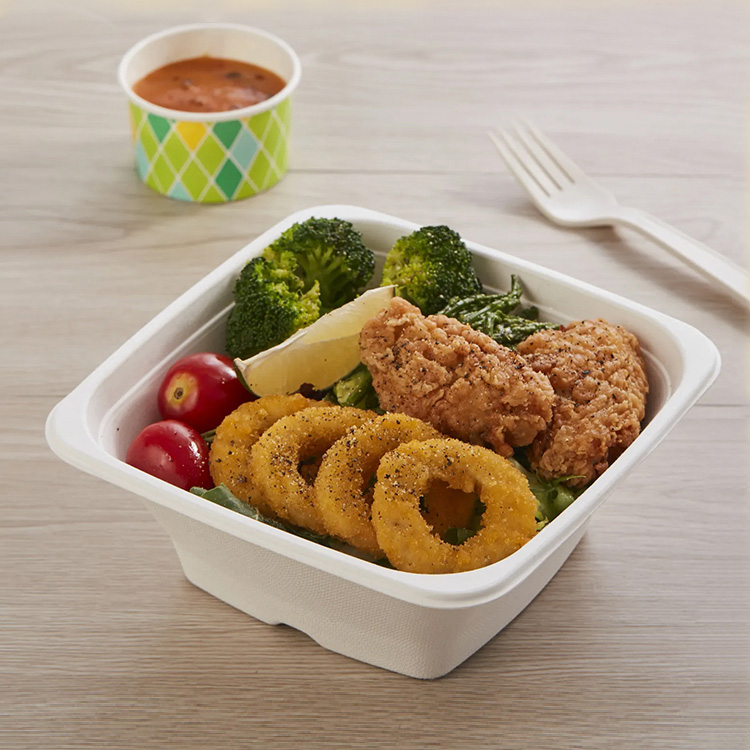
Packaging is not just about aesthetics or functionality; it can also tell the story of a brand. Brand storytelling is a powerful tool for small food manufacturers to create an emotional connection with consumers. By integrating brand narratives into packaging design, small brands can communicate their values, history, and unique selling propositions.
Building Brand Identity Through Packaging
Small food manufacturers can use packaging to tell the story of how the brand was founded, the sourcing of ingredients, or the sustainability efforts they are implementing. For example, a brand that focuses on locally sourced ingredients might highlight this on its packaging, or a brand that is family-owned can include a short history of the company’s origins.
The goal is to use packaging as a vehicle for storytelling, thereby fostering a deeper connection with consumers. Packaging that reflects the brand’s ethos, values, and vision can increase consumer loyalty and lead to long-term success.
Case Study: Storytelling Through Packaging
An example is a small brand that produces organic jams, which uses its packaging to tell the story of the farm where the fruits are grown. The packaging includes images of the farm and personal messages from the owners, creating a more authentic and personalized experience for consumers. This type of packaging not only attracts consumers who value authenticity but also reinforces the brand’s commitment to quality and sustainability.
Functional Packaging: Enhancing User Experience
Packaging must not only look good but also function well. The growing trend toward convenience has made it essential for food packaging to meet the practical needs of consumers. Whether it’s ensuring the packaging is easy to open, resealable, or microwave-safe, small food manufacturers must consider functionality as a key element of their packaging design.
Convenience and Portability
Many consumers are looking for packaging that suits their on-the-go lifestyle. Small food manufacturers can design packaging that is not only visually appealing but also easy to use. Examples include reusable containers, single-serve packs, or easy-to-carry pouches that fit conveniently in a bag or purse.
Additionally, resealable packaging is a highly desirable feature for products that require long shelf lives or are intended to be consumed over multiple occasions. Offering these features can significantly enhance the user experience and create lasting customer loyalty.
Case Study: Convenience in Packaging
For instance, a snack brand that offers healthy, portion-controlled packs with resealable zippers caters to busy professionals and health-conscious individuals. The ability to open and reseal the packaging multiple times adds a layer of practicality that elevates the brand’s appeal.
Conclusion: Standing Out Through Innovation
Packaging is an invaluable tool for small food manufacturers looking to differentiate themselves in an increasingly competitive market. By embracing innovative packaging, adopting sustainable materials, offering customization options, and integrating functional designs, small brands can create a strong and memorable presence on store shelves. These packaging innovations not only help attract customers but also foster brand loyalty and establish a distinctive identity.
In the face of competition from larger brands, small food manufacturers must focus on what they do best: creating high-quality, unique products. Packaging can amplify these qualities, turning a simple food item into a meaningful consumer experience.
By leveraging packaging as a tool for differentiation, small brands can carve out their space in the market, build deeper connections with consumers, and ultimately thrive in an ever-evolving industry.
FAQ (Frequently Asked Questions)
1. Why is packaging so important for small food manufacturers?
Packaging plays a crucial role in differentiating a product in a crowded market. For small food manufacturers, packaging is not just about protecting the product; it’s about telling the brand story, appealing to consumers emotionally, and providing functionality. Innovative packaging can help small brands stand out against larger competitors by offering unique, sustainable, and personalized options.
2. How can small food manufacturers use packaging to build their brand identity?
Small food brands can build their identity through packaging by incorporating their brand’s core values, mission, and story into the design. For example, packaging can reflect the company’s commitment to sustainability, local sourcing, or artisanal methods. This can resonate with consumers looking for authentic and meaningful connections with the brands they support.
3. What role does eco-friendly packaging play in attracting consumers?
As consumers become more environmentally conscious, many are seeking out brands that prioritize sustainability. Using eco-friendly packaging materials like biodegradable plastics, recycled PET, and plant-based materials can not only reduce a brand’s environmental impact but also enhance its appeal to a growing demographic of eco-conscious consumers.
4. How important is customization in packaging for small food brands?
Customization in packaging allows small brands to stand out by offering unique and personalized products. Offering customized packaging options, such as personalized labels or limited-edition designs, can create an emotional connection with consumers, especially for special occasions like birthdays or holidays. This adds exclusivity and value to the product, helping it attract a niche market.
5. Can packaging functionality enhance the consumer experience?
Yes, packaging functionality is vital for improving user experience. Features such as resealable closures, easy-to-open designs, and microwave-safe containers add convenience and enhance the practicality of the packaging. When consumers find packaging that makes their lives easier, they are more likely to choose that brand again.
6. What are some examples of small food brands successfully using packaging innovation?
A great example is a small organic snack brand that uses sustainable packaging made from recycled materials while incorporating vibrant and distinctive graphics to catch the consumer’s eye. Additionally, a local jam producer might offer personalized labels or gift-ready packaging that tells the story of the farm where the fruits are grown, building a deeper connection with the consumer.
7. How can small brands make their packaging cost-effective while still being innovative?
While packaging innovation can seem expensive, there are ways to keep costs manageable. For example, brands can use lightweight packaging to reduce shipping costs, choose sustainable but affordable materials like PLA or cardboard, or use minimalist designs that require less printing or decoration. Balancing innovation with efficiency is key to staying competitive.
References
-
Cengage Learning (Retailing textbook)
https://www.cengage.com
Cengage offers access to textbooks and academic resources, including “Retailing” by Dunne and Lusch. -
Springer (Packaging and Consumer Protection in the Food Industry)
https://link.springer.com
This is the homepage for Springer, where you can search for publications related to food packaging and consumer protection. -
Journal of Business Research (Bhaduri & Ha-Brookshire, 2011)
https://www.journals.elsevier.com/journal-of-business-research
The Journal of Business Research publishes articles on the impact of sustainability on consumer behavior and brand loyalty.
Copyright Statement
© 2025 Dashan Packing. All rights reserved.
This article is an original work created by the Dashan Packing editorial team.
All text, data, and images are the result of our independent research, industry experience,
and product development insights. Reproduction or redistribution of any part of this content
without written permission is strictly prohibited.
Dashan Packing is committed to providing accurate, evidence-based information and
to upholding transparency, originality, and compliance with global intellectual property standards.