

Introduction
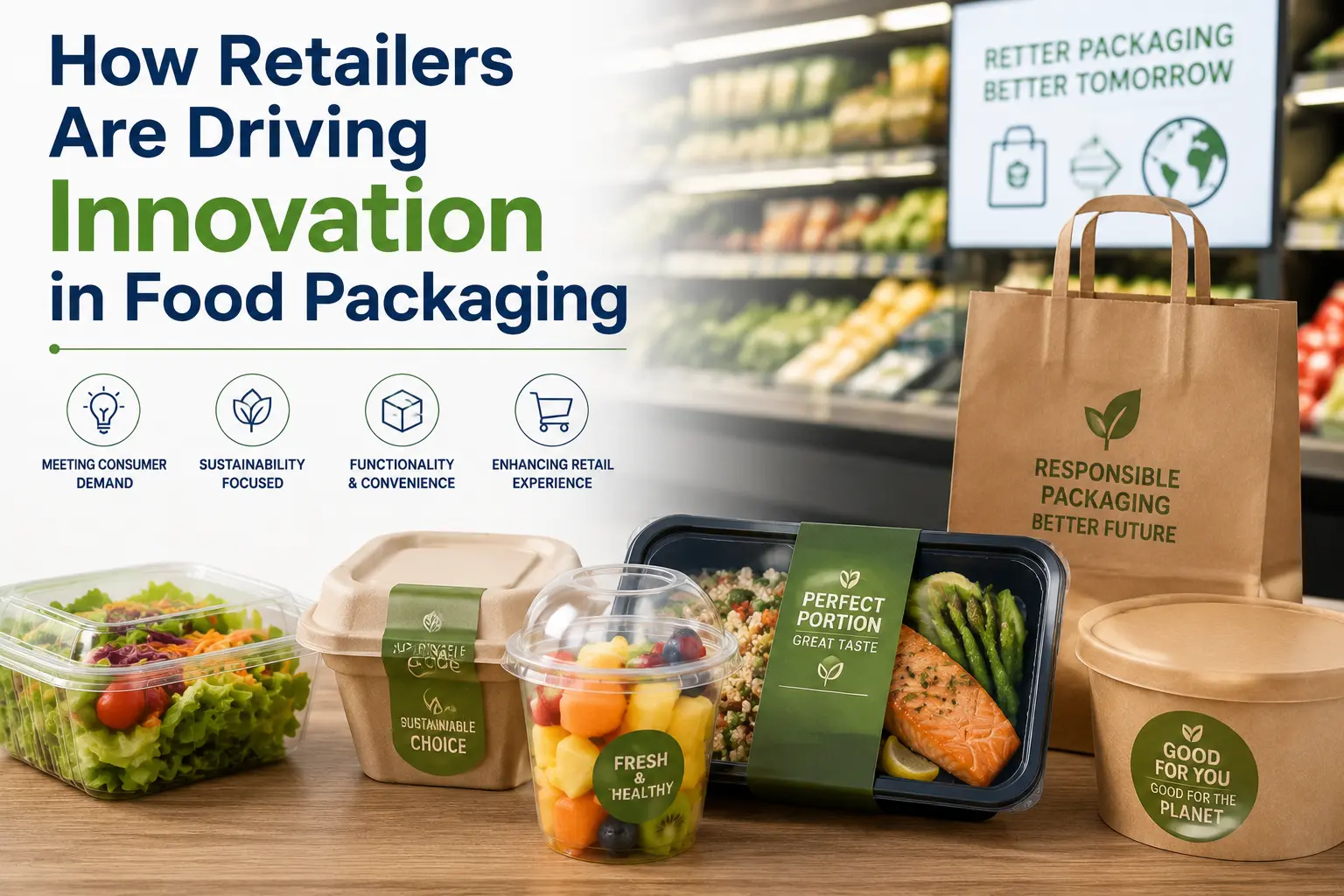
The role of food packaging has changed significantly over the past decade. Traditionally, packaging was mainly designed to protect food products during transportation, storage, and distribution. However, as retail competition increases and consumer expectations continue to evolve, packaging has become a critical factor influencing purchasing decisions, brand perception, and operational efficiency.
Today, retailers are no longer simply purchasing finished food products. Supermarkets, convenience stores, online grocery platforms, and foodservice retailers are actively influencing how products are designed, packaged, displayed, and delivered to consumers.
Several major market trends are accelerating this transformation:
- Growing demand for convenient ready-to-eat meals
- Increasing consumer expectations for product visibility and freshness
- Rising sustainability requirements from retailers and governments
- The expansion of private-label food products
- Greater focus on reducing food waste throughout the supply chain
For retailers, packaging is no longer just a protective layer around food. It has become a tool for improving shelf performance, enhancing customer experience, extending product value, and achieving sustainability goals.
This shift has created new opportunities and challenges for packaging manufacturers. Suppliers must now provide solutions that combine material performance, attractive design, regulatory compliance, and customization capabilities.
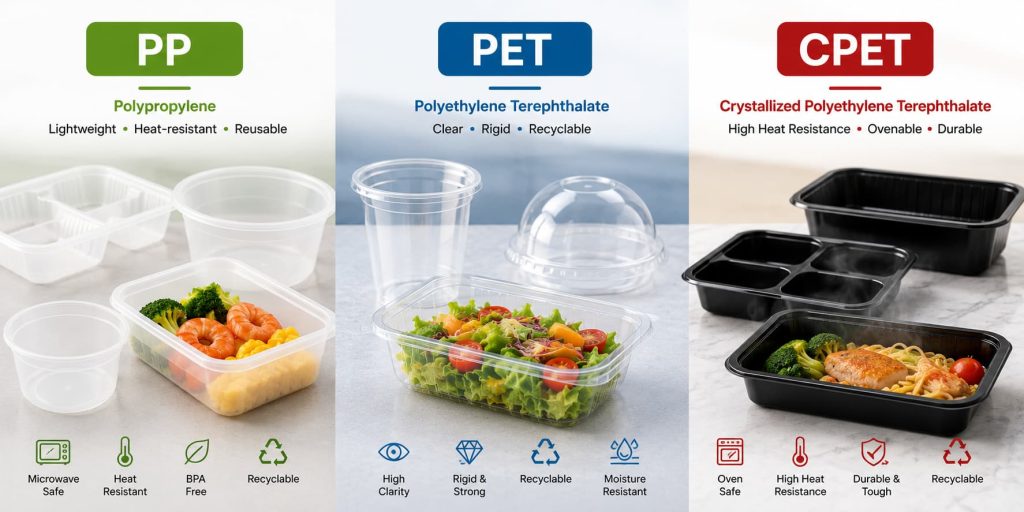
From transparent PET containers for fresh produce to heat-resistant PP packaging for ready meals, innovative food packaging is helping retailers respond to changing consumer lifestyles while improving efficiency across the supply chain.
This article explores how retailers are driving food packaging innovation and how packaging manufacturers can support the next generation of retail food solutions.
The Changing Role of Retailers in Food Packaging Development
From Product Protection to Consumer Experience
In the past, packaging decisions were mainly driven by manufacturers and logistics requirements. The primary goals were simple:
- Protect the food
- Prevent damage
- Reduce transportation losses
- Extend shelf life
While these functions remain essential, modern retailers are looking beyond basic protection. Packaging has become an important part of the overall shopping experience.
When consumers compare similar products on a supermarket shelf, packaging often influences their decision within seconds. The appearance, transparency, convenience, and usability of packaging can directly affect whether a product attracts attention or is overlooked.
For example, clear PET packaging allows customers to see the freshness and quality of fruits, salads, and desserts before purchase. This visual connection creates trust and helps retailers communicate product value without additional explanation.
Similarly, well-designed PP meal containers provide convenience for consumers purchasing ready-to-eat meals. Features such as secure lids, microwave compatibility, and easy handling improve the overall user experience.
As a result, retailers increasingly work with packaging suppliers earlier in product development to create packaging that supports both business goals and consumer expectations.
Retailers Are Influencing Packaging Design Decisions
Modern retailers collect extensive information about consumer behavior, sales performance, and product preferences. This data allows them to identify which packaging formats perform better in real market conditions.
Packaging decisions are increasingly influenced by factors such as:
- Consumer purchasing habits
- Shelf visibility
- Product category performance
- Convenience requirements
- Sustainability targets
- Transportation efficiency
For example, supermarkets selling fresh food products often prefer transparent packaging because customers can evaluate product quality before buying. Convenience stores require packaging that supports quick consumption, easy storage, and reheating. Online food retailers prioritize leak resistance and durability because products must survive delivery processes.
Different retail channels therefore create different packaging requirements.
| Retail Channel | Packaging Requirements |
|---|---|
| Supermarkets | High visibility, freshness presentation, shelf appeal |
| Convenience stores | Portable, convenient, microwave-friendly |
| Online food delivery | Leak-resistant, durable, secure sealing |
| Meal preparation brands | Portion control, stackability, consistent sizing |
| Fresh food retailers | Transparency, protection, freshness preservation |
Packaging manufacturers that understand these differences can provide more valuable solutions instead of simply supplying standard containers.
Convenience Retail Is Changing Food Packaging Design
The Growth of Ready-to-Eat and Grab-and-Go Foods
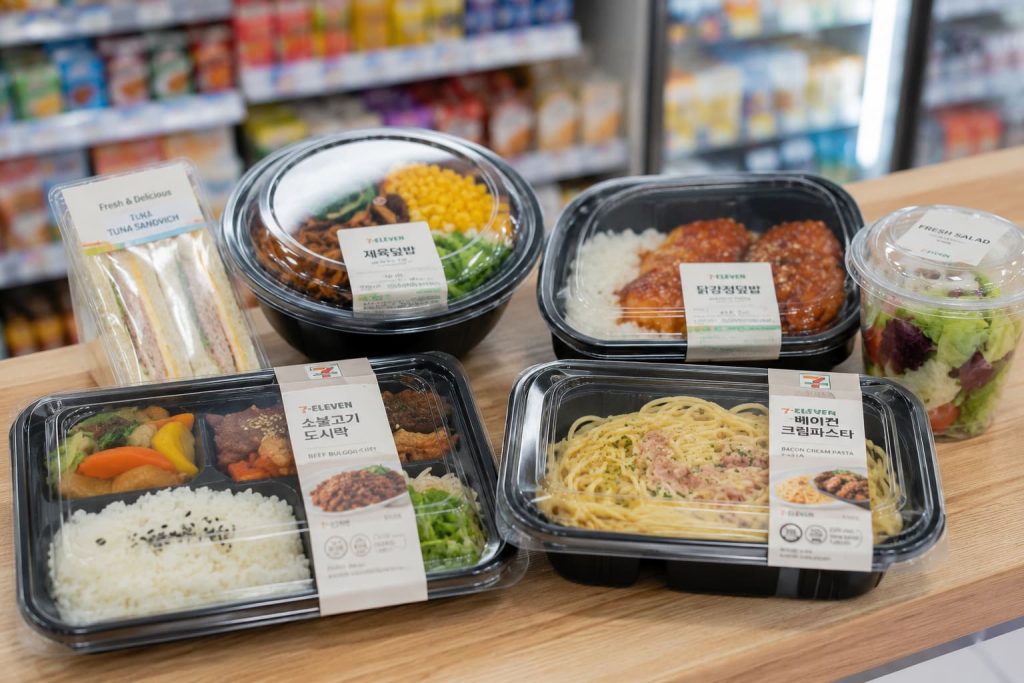
One of the biggest drivers of packaging innovation is the rapid growth of convenience foods.
Urban lifestyles, busy working schedules, and changing eating habits have increased demand for:
- Ready meals
- Prepared salads
- Fresh-cut fruits
- Takeaway meals
- Microwaveable foods
- Single-serving products
Retailers are responding by expanding their prepared food sections, especially in supermarkets and convenience stores.
This trend requires packaging that can support the entire consumer journey:
Production → Transportation → Retail Display → Purchase → Heating → Consumption
Each stage creates different packaging requirements.
For example, a ready meal sold in a convenience store may need:
- Heat resistance for microwave reheating
- Strong structure for transportation
- Secure sealing to prevent leakage
- Suitable dimensions for retail shelves
PP packaging has become a popular solution for these applications because it combines durability, lightweight design, and excellent temperature resistance.
Portion Control Is Becoming More Important
Retailers are also influencing packaging through the growing demand for smaller, individual portions.
Several factors contribute to this trend:
- Smaller household sizes
- Increased demand for personal convenience
- Growth of meal-prep businesses
- Consumer interest in controlled portions
Instead of selling only large family-sized products, retailers increasingly offer:
- Single-serving salads
- Individual desserts
- Small fruit portions
- Personal meal boxes
This change requires packaging suppliers to provide a wider range of capacities and formats.
For example:
- Small PP containers are suitable for side dishes and individual meals.
- Medium containers support standard lunch portions.
- Larger PET containers are ideal for family-size salads and fresh produce.
The ability to provide multiple sizes allows retailers to create flexible product ranges while maintaining consistent packaging design.
Transparency and Visual Presentation Are Becoming More Important
Why Clear Packaging Influences Consumer Purchasing Decisions
In fresh food retail, appearance plays a major role in purchasing decisions.
Consumers often want to evaluate:
- Color
- Freshness
- Quantity
- Product quality
before making a purchase.
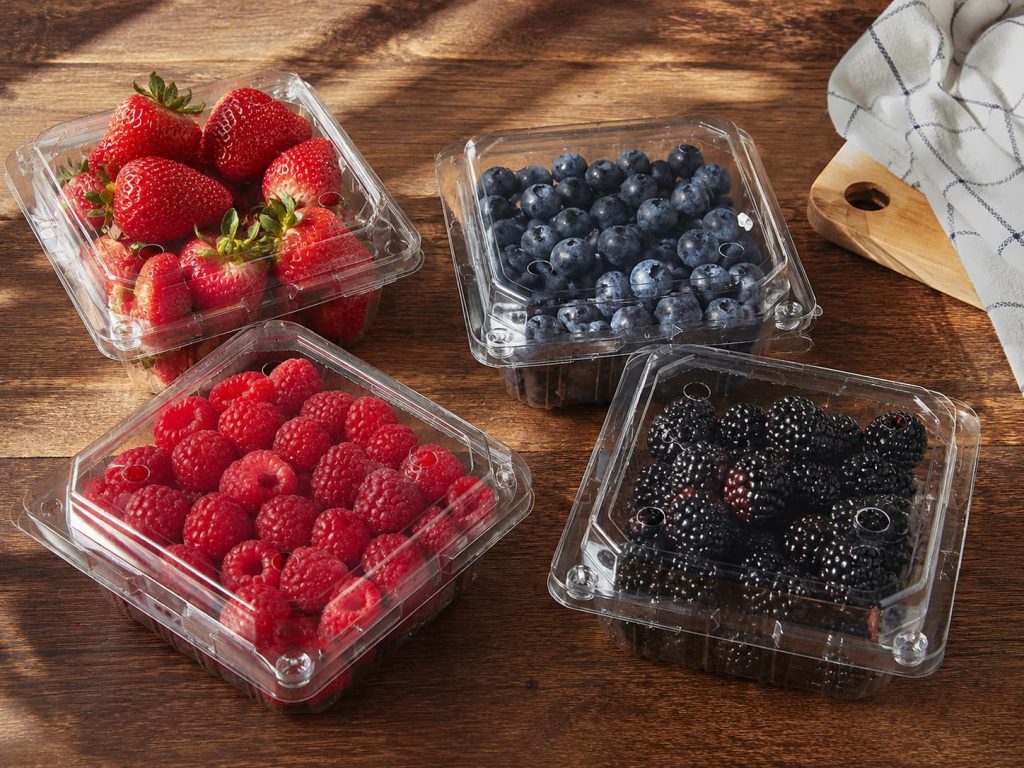
This is why transparent packaging has become increasingly popular in categories such as:
- Fresh fruits
- Vegetables
- Salads
- Bakery products
- Desserts
- Ready-to-eat foods
PET packaging is particularly valuable in these applications because it provides excellent clarity while maintaining structural strength.
For retailers, transparent packaging creates several advantages:
- Improves product visibility
- Builds consumer confidence
- Enhances shelf presentation
- Supports premium positioning
A well-designed clear container can turn packaging into a marketing tool, allowing the product itself to become the main visual attraction.
Anti-Fog Technology Improves Fresh Food Display
One challenge with fresh food packaging is condensation.
When refrigerated products experience temperature changes, moisture can form inside the package, reducing visibility and making products appear less fresh.
This is particularly common with:
- Fresh salads
- Cut fruits
- Vegetables
- Refrigerated prepared foods
Anti-fog packaging solutions help maintain clear visibility by reducing condensation on the lid surface.
For retailers, this provides important benefits:
- Better shelf appearance
- Improved consumer confidence
- Reduced product rejection caused by poor presentation
As supermarkets continue to expand fresh food categories, packaging technologies such as anti-fog lids and improved ventilation designs are becoming increasingly important.
Sustainability Requirements Are Reshaping Retail Packaging
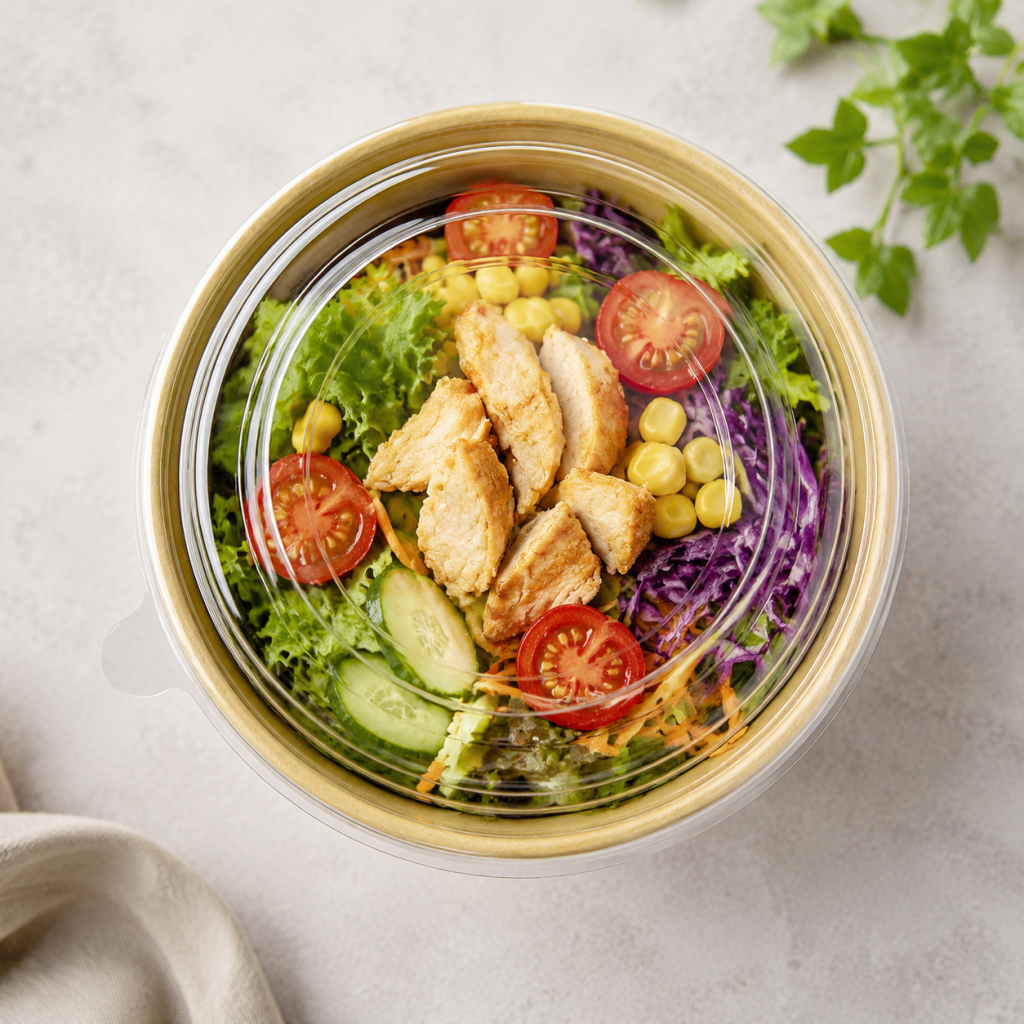
Sustainability has become one of the most important forces influencing food packaging innovation. Retailers around the world are under increasing pressure from consumers, governments, and regulatory organizations to reduce packaging waste and improve environmental performance.
Large supermarket groups and food retailers are setting new expectations for their suppliers, including:
- Increased use of recyclable materials
- Reduction of unnecessary packaging
- Higher recycled content requirements
- Improved packaging design efficiency
- Support for circular economy systems
As a result, packaging decisions are no longer based only on cost and performance. Retailers are increasingly evaluating packaging based on its entire lifecycle, from raw material selection to recycling possibilities after use.
However, sustainable packaging does not simply mean replacing plastic with another material. The most effective solutions must balance environmental responsibility with food safety, product protection, and supply chain efficiency.
For example, fresh produce requires packaging that prevents damage and extends shelf life. If packaging is removed without considering food protection, product waste may increase, creating a larger environmental impact.
Therefore, modern retail packaging innovation focuses on finding the right balance between:
- Material efficiency
- Product protection
- Recyclability
- Consumer convenience
- Regulatory compliance
The Rise of Recyclable and Alternative Packaging Materials
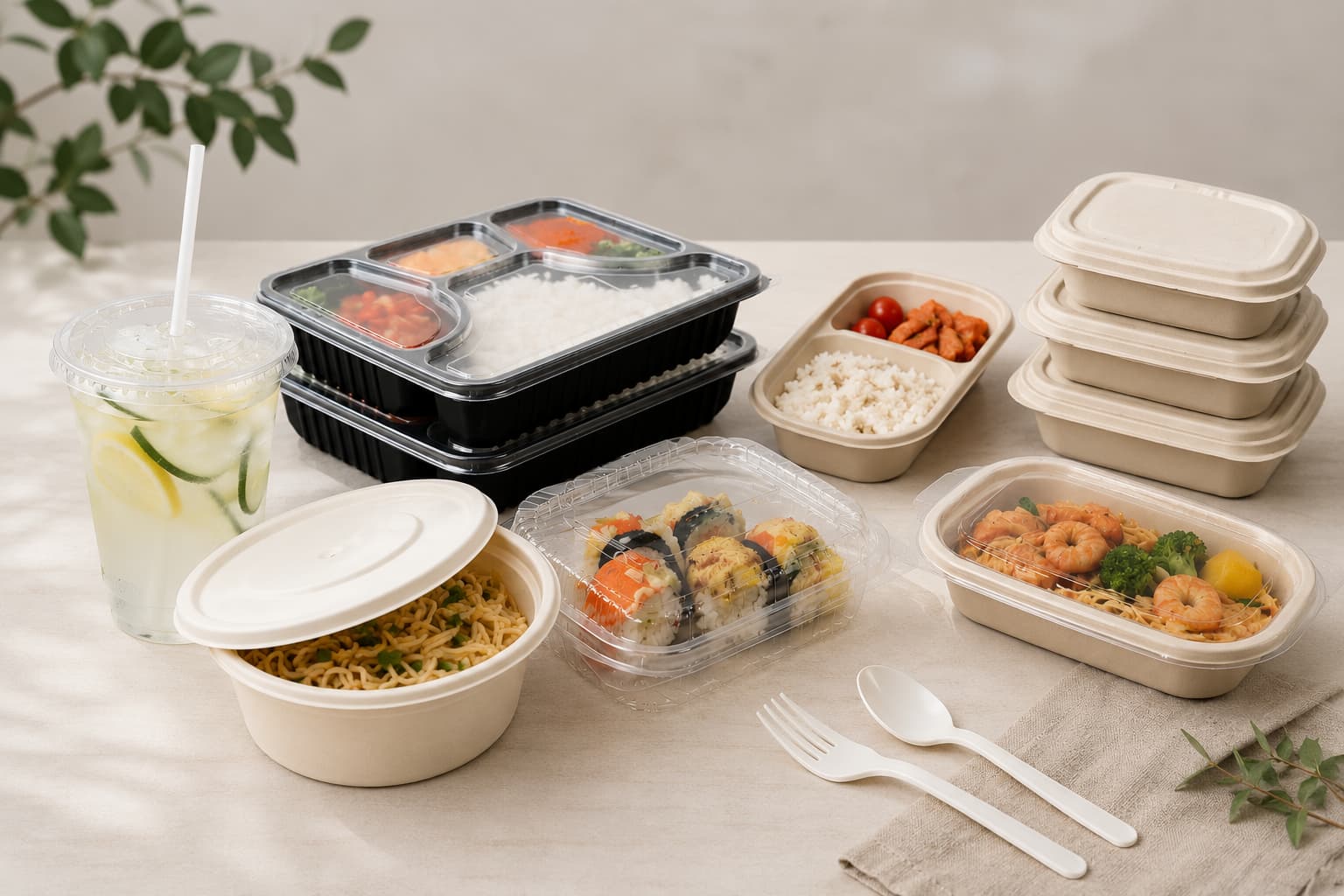
Retailers are increasingly exploring different packaging materials to meet sustainability targets while maintaining product performance.
RPET: Supporting Circular Packaging Solutions
Recycled PET (RPET) has gained attention in retail food packaging because it combines recycled content with the visual advantages of traditional PET.
RPET is commonly used for:
- Fresh produce containers
- Salad packaging
- Bakery packaging
- Cold food containers
Its advantages include:
- High transparency
- Good rigidity
- Compatibility with recycling systems
- Reduced dependence on virgin plastic materials
For retailers, RPET packaging provides a way to improve sustainability performance while maintaining the clear product presentation consumers expect.
PP: Lightweight and Highly Versatile
Polypropylene (PP) remains one of the most widely used food packaging materials because of its balance of performance and recyclability.
Retail applications include:
- Ready meals
- Microwaveable food containers
- Takeaway packaging
- Soup bowls
- Meal preparation products
PP offers several advantages:
- Excellent heat resistance
- Lightweight structure
- Strong durability
- Good sealing performance
For convenience foods, PP allows retailers to provide packaging that supports both consumer convenience and operational efficiency.
Compostable Packaging for Specific Applications
Some retailers are also exploring compostable packaging solutions, particularly in markets where regulations or consumer demand encourage alternatives to traditional plastics.
Materials such as:
- Bagasse
- PLA
- Cornstarch-based materials
are being used in selected applications, including:
- Takeaway containers
- Disposable tableware
- Foodservice packaging
However, compostable packaging requires careful consideration. The material must match the actual disposal infrastructure and intended use conditions. A sustainable solution is not only about the material itself but also about whether the complete waste management system can support it.
How Retailers Are Reducing Food Waste Through Packaging Innovation
While sustainability discussions often focus on reducing packaging waste, retailers are also paying more attention to another environmental challenge: food waste.
According to industry research, a significant amount of food waste occurs because products lose freshness, become damaged, or fail to meet consumer expectations before purchase.
Well-designed packaging can help reduce these losses.
Extending Product Shelf Appeal
Packaging plays an important role in maintaining food quality during storage and display.
For fresh foods such as salads, fruits, and vegetables, packaging helps:
- Protect products from physical damage
- Maintain freshness
- Reduce contamination risks
- Improve display quality
Transparent PET packaging allows retailers to showcase product quality while protecting the food throughout distribution.
Better Packaging Design Reduces Product Damage
Retail products often experience multiple handling stages:
Manufacturing → Transportation → Warehouse → Store Shelf → Consumer
During this process, packaging must protect products from:
- Compression
- Impact
- Leakage
- Temperature changes
A container with the right structure and size reduces movement inside the package and lowers the risk of damage.
For example:
- Fresh berries require rigid PET containers to prevent crushing.
- Ready meals require strong PP containers to maintain shape during transportation.
- Delicate bakery products require packaging with sufficient height and protection.
Right-Sized Packaging Improves Efficiency
Packaging size is another area where retailers are driving innovation.
Oversized packaging creates problems:
- Higher material consumption
- Increased transportation costs
- More storage space required
Packaging that is too small can cause:
- Product damage
- Leakage
- Poor presentation
Retailers increasingly prefer packaging solutions designed around the actual product portion.
This has encouraged suppliers to develop more precise packaging ranges with multiple sizes for different food categories.
How Packaging Suppliers Support Retail Innovation
The relationship between retailers and packaging suppliers has become more collaborative.
Modern packaging suppliers are no longer only manufacturers. They are solution providers that help brands and retailers develop products that perform better in real market conditions.
A professional packaging supplier should provide support in several areas.
Material Selection Expertise
Different foods require different packaging solutions.
A knowledgeable supplier can recommend:
- PET for transparent fresh food display
- PP for hot meals and ready-to-eat products
- CPET for oven-ready applications
- RPET for sustainability-focused projects
Choosing the correct material improves both product performance and customer satisfaction.
Customization and Product Development
Retailers often need packaging that matches their specific product categories.
Customization may include:
- Container dimensions
- Shape design
- Lid structure
- Capacity options
- Branding requirements
OEM and ODM capabilities allow retailers and food brands to create packaging solutions that better match their market positioning.
Compliance and Technical Support
As food packaging regulations become stricter worldwide, retailers increasingly require suppliers to provide technical documentation.
Important documents may include:
- Food contact compliance reports
- Migration testing results
- Material specifications
- Product data sheets
- Certifications
Suppliers with strong compliance systems can help retailers reduce approval time and improve supply chain reliability.
How DASHAN Supports Retail Food Packaging Innovation
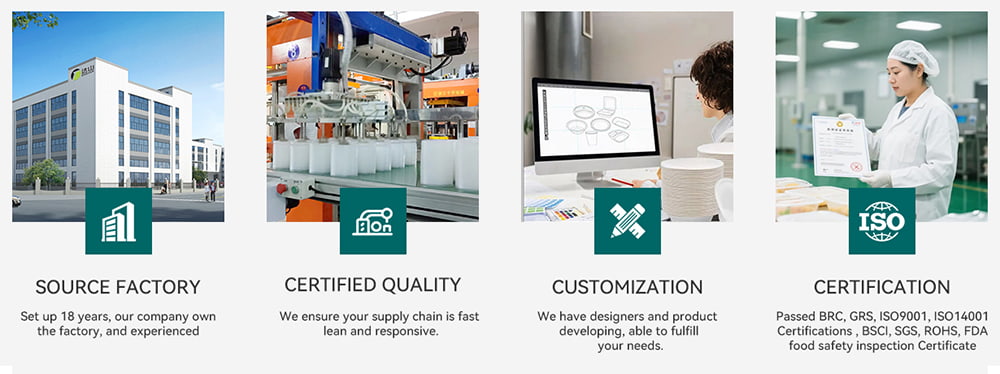
With experience in international food packaging markets, DASHAN provides packaging solutions designed for modern retail applications.
Our product range includes:
PET Packaging Solutions
Suitable for:
- Fresh fruits
- Salads
- Bakery products
- Desserts
- Chilled foods
Advantages:
- Excellent transparency
- Attractive product presentation
- Strong protection during transportation
PP Packaging Solutions
Suitable for:
- Ready meals
- Convenience foods
- Microwaveable products
- Takeaway applications
Advantages:
- Heat resistance
- Durability
- Lightweight design
- Reliable performance
Sustainable Packaging Options
DASHAN also develops packaging solutions using recyclable and environmentally focused materials to support customers’ sustainability goals.
Through OEM and ODM capabilities, we work with customers to develop packaging based on:
- Food type
- Portion size
- Retail environment
- Transportation requirements
- Export market regulations
By combining manufacturing expertise with application knowledge, DASHAN helps retailers and food brands create packaging solutions that improve efficiency, product presentation, and consumer experience.
FAQ
1. Why are retailers influencing food packaging innovation?
Retailers understand consumer behavior and market trends, allowing them to influence packaging designs that improve sales, convenience, and sustainability.
2. What packaging materials are commonly used in retail food applications?
PET is widely used for fresh foods and transparent packaging, while PP is commonly used for ready meals and hot food applications.
3. How does packaging help reduce food waste?
Proper packaging protects food during transportation, extends shelf appeal, and reduces damage before products reach consumers.
4. Why is transparent packaging popular in supermarkets?
Transparent packaging allows consumers to see product quality and freshness, increasing purchase confidence.
5. How can DASHAN support retail packaging projects?
DASHAN provides PET, PP, RPET, and customized OEM/ODM packaging solutions for supermarkets, food brands, and retail food applications.
Conclusion
Retailers are becoming one of the strongest forces driving innovation in food packaging. As consumer expectations change and sustainability requirements increase, packaging has evolved from a simple protective layer into a strategic tool that supports product value, operational efficiency, and brand differentiation.
From transparent PET packaging that improves fresh food presentation to durable PP containers that support ready-meal growth, different materials are helping retailers respond to changing market demands.
Future food packaging innovation will continue to focus on three key areas:
- Better consumer convenience
- Improved sustainability
- More efficient food protection
For packaging manufacturers, success will depend on understanding not only how to produce containers, but also how those containers support retailers, brands, and consumers throughout the entire food supply chain.
References
- European Commission – Circular Economy and Packaging Regulations
https://environment.ec.europa.eu/topics/waste-and-recycling_en - European Commission – Food Contact Materials
https://food.ec.europa.eu/plants-and-pesticides/food-contact-materials_en - U.S. Food & Drug Administration (FDA) – Food Contact Materials
https://www.fda.gov/food/packaging-food-contact-substances-fcs - Food Packaging Forum
https://www.foodpackagingforum.org - World Packaging Organisation (WPO)
https://www.worldpackaging.org - DASHAN Food Packing
https://www.dashanpacking.com
Copyright Statement
© 2026 Dashan Packing. All rights reserved.
This article is an original publication by the Dashan Packing team based on industry research, market analysis, and packaging expertise. Unauthorized reproduction, distribution, or copying of this content is prohibited without prior written permission.
Dashan Packing is committed to delivering reliable, original, and professional information for the global food packaging industry.