

Introduction
In the food industry, ensuring the safety and freshness of food products is of utmost importance. With growing consumer concerns about food quality, packaging plays a critical role in preserving food during storage, transportation, and display. PP (Polypropylene) food packaging has become an industry favorite for its ability to maintain food safety and extend shelf life. This article discusses how PP packaging helps prevent contamination, preserves food quality, and enhances freshness.
The Role of PP Packaging in Food Safety and Freshness
Protecting Food from Contamination
One of the primary benefits of PP food packaging is its protective barrier. The material creates a robust shield around food that prevents external contaminants—such as dirt, moisture, and bacteria—from entering. By creating a seal that is resistant to moisture and air, PP packaging helps prevent food spoilage and preserves its hygiene during transportation and storage.
-
BPA-Free and Non-Toxic: PP food packaging is free of harmful chemicals, ensuring it doesn’t leach toxins into food. This makes it one of the safest materials for packaging food.
-
Safe for Hot and Cold Foods: PP is ideal for packaging both hot and cold foods without compromising food safety, as it can withstand high temperatures without releasing harmful substances.
Preventing Cross-Contamination
In food production, especially in bulk packaging, the risk of cross-contamination is high. PP packaging plays a crucial role in isolating different food items, especially when using containers like PP compartments food containers or clamshell boxes. These containers keep food separate and prevent cross-contact with allergens or other harmful substances, which is crucial for both safety and quality control.
How PP Packaging Helps Extend Food Shelf Life
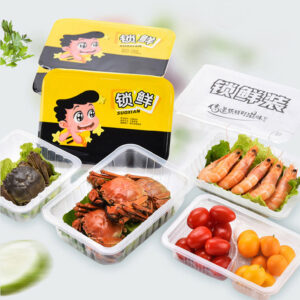
Barrier Properties of PP Packaging
The sealing capabilities of PP packaging are particularly beneficial in extending the shelf life of food products. By keeping food sealed and protected from exposure to air, moisture, and light, PP packaging helps slow down the processes that lead to food spoilage, such as oxidation and microbial growth.
-
Oxygen Barrier: PP packaging can be used to create airtight seals that reduce oxygen exposure, which is a key factor in preventing oxidation of foods like meat, dairy, and fruits.
-
Moisture Resistance: PP food containers and wraps help maintain the ideal moisture level inside the packaging, preventing foods like bread or vegetables from becoming soggy or dry.
Extended Freshness with PP Packaging
For fresh produce, such as fruits and vegetables, maintaining optimal humidity and temperature is crucial to ensuring prolonged freshness. PP food packaging offers excellent temperature control and moisture regulation, ensuring that fresh foods remain crisp and flavorful for a longer period.
-
Insulating Properties: PP packaging with insulation layers can help preserve the texture and taste of food, especially during transport. This feature is particularly useful for packaged salads, sandwiches, and frozen goods.
The Sealing and Isolation Capabilities of PP Packaging
PP’s Superior Sealing Capabilities
PP containers, especially PP clamshell boxes and compartmentalized food containers, are designed to seal in freshness and prevent air or contaminants from affecting the contents. This sealing helps prevent the growth of bacteria and mold, which can occur when food is exposed to the environment.
-
Leak-Proof Design: Many PP packaging solutions come with leak-proof seals, which make them ideal for packaging liquids and moist foods. These seals ensure that food stays fresh and safe during storage and transportation.
Isolation of Different Food Types
In the case of PP compartments food containers, food is effectively isolated into individual sections, preventing cross-contamination between different food types. This is particularly beneficial for ready-to-eat meals or takeout, where it is important to keep ingredients fresh and separate.
Why Choose PP Packaging for Food Safety and Freshness?
Durability and Reliability
PP food packaging is highly durable and resistant to wear and tear. It is strong enough to endure the rigors of shipping, storage, and handling, which makes it an ideal choice for food packaging, whether it’s for grocery stores, restaurants, or food manufacturers.
-
Lightweight and Cost-Effective: Despite its durability, PP packaging is lightweight and cost-effective, which makes it a popular choice for large-scale food manufacturers and retailers.
Sustainable and Recyclable
In addition to its protective and preservative qualities, PP is recyclable, making it a more sustainable option compared to other packaging materials. With the increasing consumer preference for eco-friendly packaging, PP offers a viable solution for businesses looking to reduce their environmental impact while maintaining food safety and freshness.
-
Recycling Benefits: By using recyclable PP packaging, businesses contribute to the circular economy, where materials are reused, helping to reduce waste and conserve resources.
Frequently Asked Questions (FAQ)
Q1: How does PP packaging help maintain food safety?
A1: PP packaging provides a protective barrier that shields food from contaminants like dirt, moisture, and bacteria. It also ensures that harmful substances are not released into the food.
Q2: Can PP packaging be used for both hot and cold food?
A2: Yes, PP packaging is heat-resistant and safe for both hot and cold foods, making it a versatile option for various types of food packaging.
Q3: How does PP packaging help extend shelf life?
A3: PP packaging seals in freshness by preventing exposure to oxygen and moisture, which helps slow down spoilage and preserves the quality of food for longer periods.
Q4: Is PP packaging eco-friendly?
A4: Yes, PP packaging is recyclable, making it an environmentally friendly option for businesses looking to reduce their carbon footprint.
Q5: How does PP food packaging prevent contamination?
A5: PP packaging isolates food from external contaminants by creating an airtight, moisture-resistant seal. It also helps prevent cross-contamination between different food items, ensuring food safety.
Conclusion
PP food packaging offers numerous benefits when it comes to maintaining food safety and freshness. Its excellent sealing properties, moisture resistance, and durability make it an ideal solution for keeping food fresh and safe during transportation, storage, and display. Additionally, its eco-friendly and recyclable nature ensures that businesses can maintain high-quality food packaging standards while also promoting sustainability. Whether you’re a food manufacturer, restaurant owner, or catering service, PP packaging is the perfect choice for enhancing food safety and extending freshness.
References:
-
“Polypropylene Packaging for Food Safety,” PackagingScience.org
-
“The Role of Food Packaging in Freshness,” FreshFoodPackaging.com
-
“Sustainable Food Packaging Solutions,” EcoPackaging.org