

Quick Summary
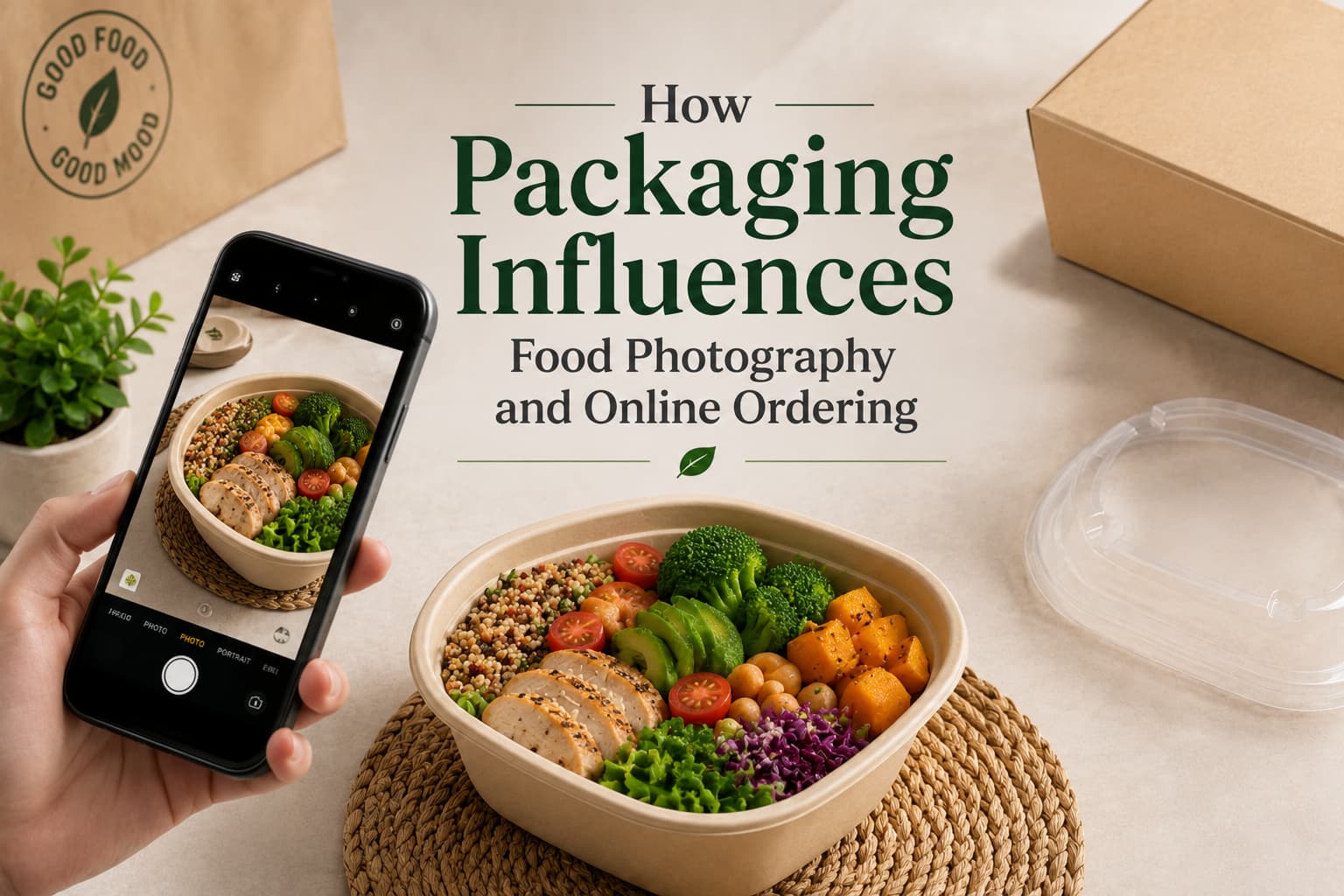
As food purchasing increasingly moves online, packaging has become a critical factor in how products are photographed, marketed, and perceived by consumers. Elements such as transparency, container shape, material selection, and structural design influence food presentation in delivery apps, e-commerce platforms, and social media. Effective packaging not only protects food during transportation but also enhances visual appeal, builds consumer trust, and helps brands stand out in a highly competitive digital marketplace.
Introduction
The way consumers buy food has changed dramatically over the past decade. In many cases, customers now encounter a meal on a smartphone screen before they ever see it in person. Whether ordering through food delivery platforms, browsing supermarket websites, or discovering products on social media, purchasing decisions are increasingly influenced by digital images.
This shift has created new challenges for food brands, restaurants, retailers, and packaging suppliers. Food quality remains essential, but visual presentation has become a critical factor in attracting attention and driving sales.
As a result, packaging is no longer viewed solely as a tool for protecting food during transportation. It has become part of the product’s visual identity and an important contributor to food photography, online merchandising, and customer perception.
In today’s digital marketplace, packaging often helps determine how appealing a product looks before a consumer takes the first bite.
Why Visual Appeal Matters More Than Ever
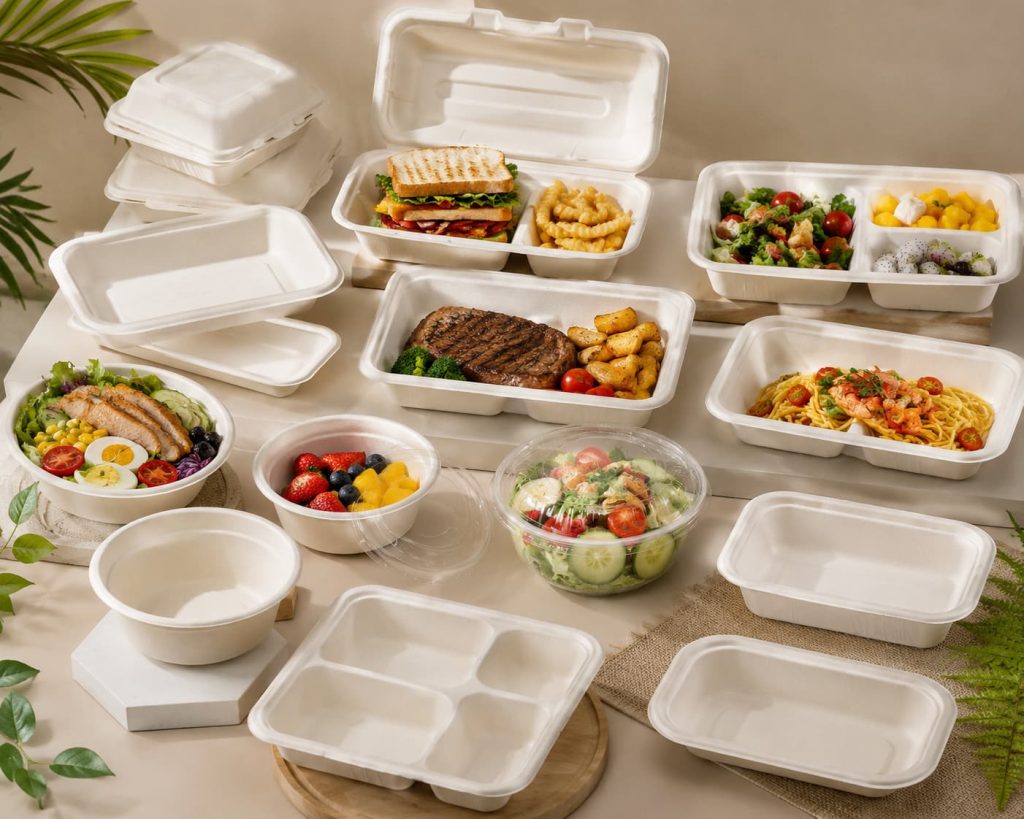
Consumers purchasing food online rely heavily on visual information.
Unlike in physical stores, online shoppers cannot:
- Smell the food
- Touch the packaging
- Examine product texture
- Assess freshness directly
Instead, they make decisions based on product descriptions, reviews, and most importantly, images.
Food delivery platforms, grocery apps, and restaurant websites typically display dozens or even hundreds of food options simultaneously. In such competitive environments, visual presentation often becomes the first factor influencing consumer attention.
Research in food marketing has consistently shown that attractive food imagery can improve:
- Click-through rates
- Purchase intent
- Perceived product quality
- Brand trust
- Customer engagement
For this reason, businesses increasingly invest in food photography, styling, and packaging design as part of their overall marketing strategy.
Packaging Has Become Part of the Product Image
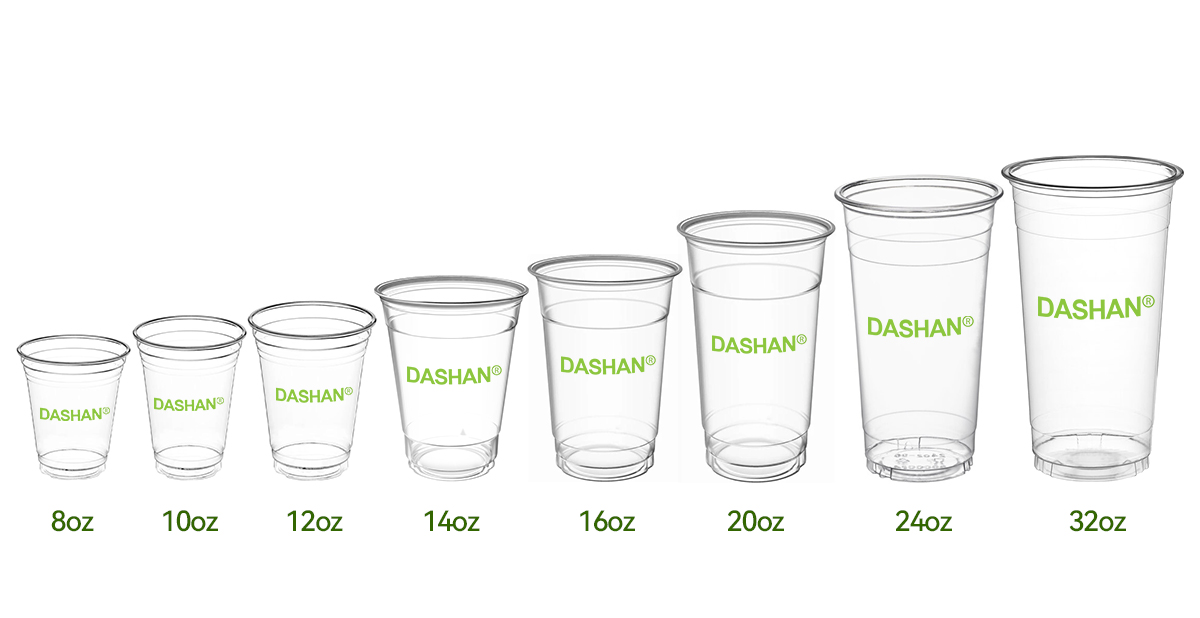
Traditionally, food packaging was designed primarily for storage, transportation, and protection.
Today, packaging frequently appears in:
- Product listing photos
- Delivery platform menus
- Social media content
- Online advertisements
- Retail promotional materials
As a result, consumers no longer evaluate food separately from its packaging.
A well-designed package can help communicate:
- Freshness
- Cleanliness
- Product quality
- Brand professionalism
- Sustainability values
Conversely, poorly designed packaging may reduce perceived value even when the food itself is excellent.
In digital environments, packaging often serves as a visual extension of the product.
Transparency Builds Consumer Confidence
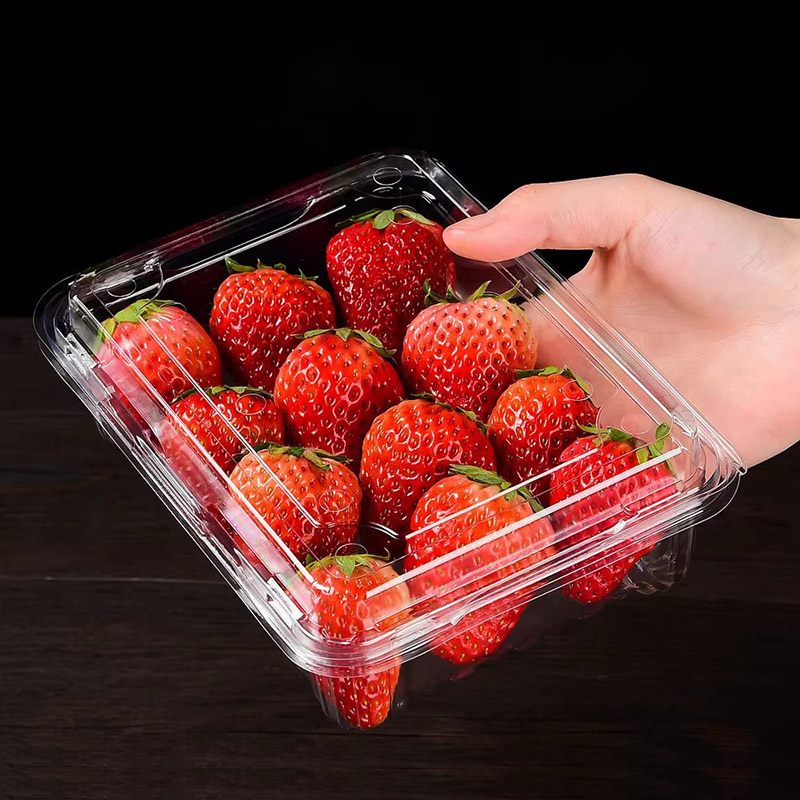
One of the most effective ways to improve food presentation online is to allow consumers to see the product itself.
This explains why transparent packaging remains highly popular for many food categories.
Visible Food Creates Trust
Consumers generally feel more confident when they can view the actual contents before purchase.
Transparency helps communicate:
- Ingredient quality
- Freshness
- Portion size
- Product consistency
This is particularly important for foods where appearance strongly influences purchasing decisions.
Examples include:
- Fresh fruit
- Salads
- Desserts
- Bakery products
- Prepared snacks
Why PET Packaging Performs Well in Food Photography
PET packaging is widely used for products that benefit from maximum visibility.
Its high clarity allows photographers and marketers to showcase:
- Vibrant fruit colors
- Fresh vegetables
- Layered ingredients
- Decorative toppings
For online food sales, this visibility can help create stronger visual appeal and improve consumer confidence.
Shape and Structure Directly Affect Food Photography
Food photography is not influenced solely by ingredients. The shape of the packaging also affects how food appears on camera.
Certain packaging formats naturally create more attractive visual compositions.
Bowl Packaging Creates Depth
Bowl-shaped containers have become increasingly popular because they provide visual depth.
Foods commonly packaged in bowls include:
- Poke bowls
- Salad bowls
- Grain bowls
- Rice bowls
- Fruit bowls
The curved shape allows ingredients to be layered rather than spread flat.
This creates a more abundant and visually appealing presentation.
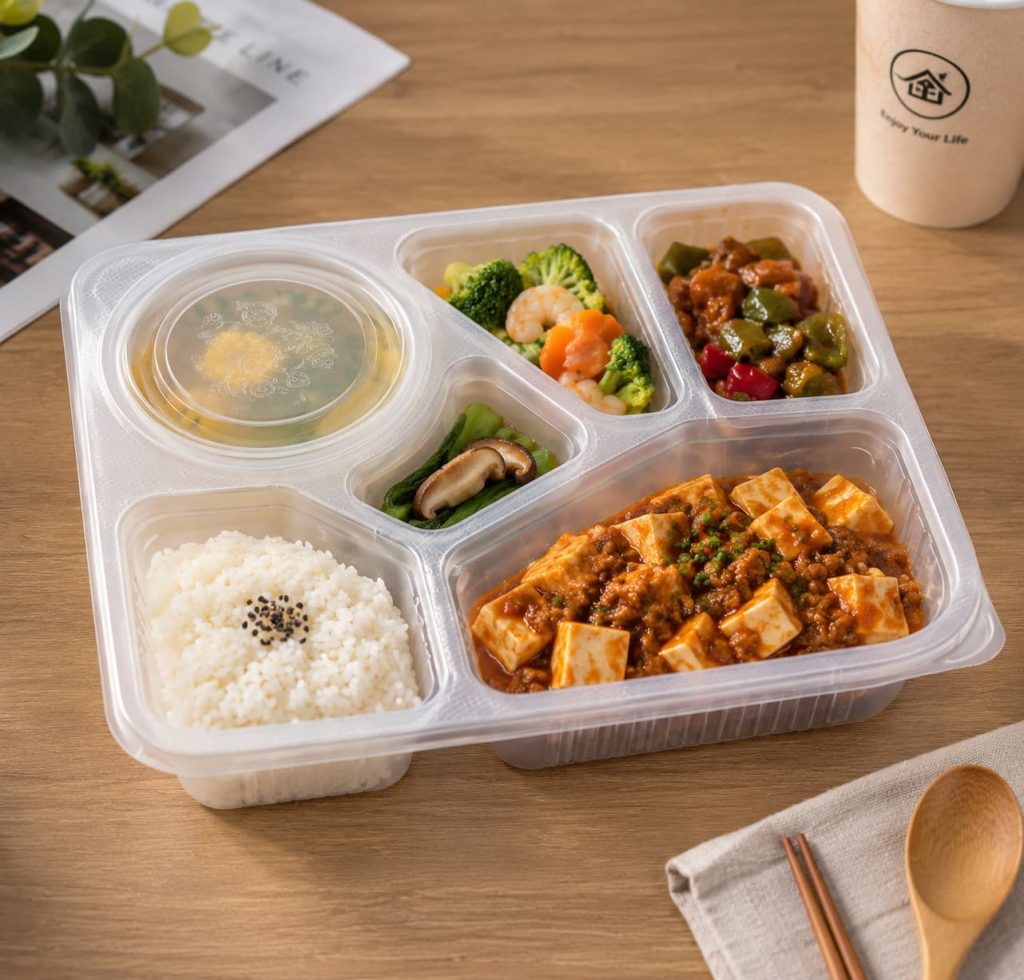
Compartment Containers Improve Organization
Ready meals often contain multiple ingredients that need to remain separated.
Compartment containers help organize:
- Proteins
- Vegetables
- Rice
- Side dishes
- Sauces
In photographs, organized ingredients typically appear cleaner and more appealing than mixed or crowded food arrangements.
Height and Layering Enhance Visual Interest
Food photography often benefits from height variation.
Packaging that supports ingredient layering can create:
- Better texture contrast
- Greater color visibility
- Improved visual balance
As a result, packaging structure plays a significant role in how food is perceived online.
Packaging Color Influences How Food Is Perceived
Packaging color can either enhance or distract from food presentation.
The most effective packaging designs often allow food to remain the visual focal point.
Neutral Colors Help Food Stand Out
Colors commonly used in food packaging include:
- White
- Natural fiber tones
- Transparent materials
- Light neutral shades
These colors provide a clean background that emphasizes food appearance.
Bagasse packaging, for example, often uses natural fiber coloring that supports organic and eco-conscious brand positioning without overwhelming the product itself.
Overly Complex Designs Can Reduce Food Visibility
While branding remains important, excessive graphics or dark packaging colors may compete with the food for attention.
In online product photography, simplicity often produces stronger results.
The goal is typically to showcase the food rather than the package.
Online Ordering Requires Packaging That Looks Good After Delivery
Attractive food photography is important, but presentation must also survive transportation.
Consumers expect the delivered product to resemble the image they viewed during ordering.
If the meal arrives damaged, mixed together, or leaking, customer satisfaction may decline regardless of food quality.
Packaging Helps Preserve Food Presentation
Effective packaging helps maintain:
- Ingredient separation
- Structural integrity
- Product cleanliness
- Visual appearance
This is particularly important for:
- Salad meals
- Rice bowls
- Noodle dishes
- Meal-prep programs
- Catering orders
Leakage and Compression Affect Customer Perception
Even minor packaging failures can negatively impact online reviews.
Common issues include:
| Packaging Problem | Customer Impact |
|---|---|
| Leakage | Reduced satisfaction |
| Lid failure | Product contamination concerns |
| Ingredient mixing | Poor presentation |
| Container deformation | Lower perceived quality |
| Condensation issues | Reduced visual appeal |
Successful online food brands increasingly evaluate packaging based on both photography performance and delivery performance.
Different Packaging Materials Support Different Marketing Goals
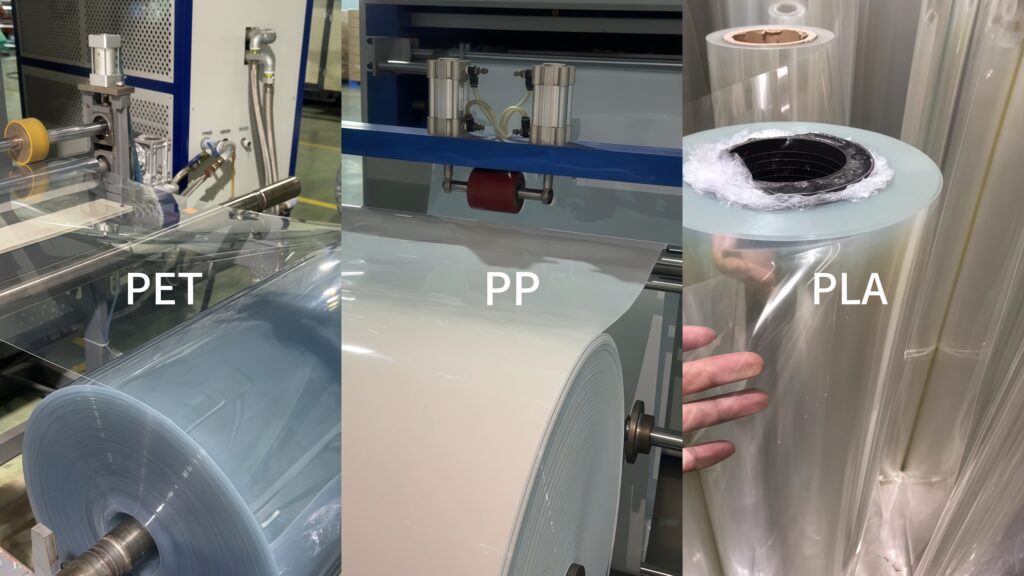
Different materials can support different visual and branding objectives.
| Material | Visual Advantage |
|---|---|
| PET | Maximum product visibility |
| PP | Clean, professional appearance |
| Bagasse | Natural and sustainable image |
| Paper | Premium and artisanal positioning |
The best material choice often depends on the food category, brand identity, and target consumer expectations.
Packaging should support both operational requirements and marketing objectives.
How DASHAN Supports Food Brands in the Digital Marketplace
As digital food sales continue to grow, businesses need packaging solutions that perform well both online and offline.
DASHAN provides a range of packaging formats designed to support food presentation, transportation, and consumer experience.
PET Packaging for High-Visibility Foods
PET solutions are commonly used for:
- Fresh fruits
- Salads
- Desserts
- Cold prepared foods
The material’s clarity helps maximize ingredient visibility in both retail displays and product photography.
PP Bowls and Meal Containers
PP packaging is suitable for:
- Rice meals
- Noodle dishes
- Ready meals
- Microwaveable foods
Its durability and heat resistance make it practical for delivery and reheating applications.
Bagasse Packaging for Sustainable Branding
As sustainability becomes a stronger purchasing factor, many brands are incorporating bagasse packaging into their product lines.
Bagasse bowls, trays, and clamshells help communicate environmental responsibility while maintaining a clean and natural appearance.
Custom Packaging Solutions
Food businesses often require packaging tailored to their products and brand positioning.
DASHAN supports customization options including:
- Size variations
- Lid compatibility
- Custom branding
- OEM manufacturing
- Large-scale production support
These solutions help businesses align packaging performance with marketing goals.
The Future of Food Packaging Is Also About Screen Appeal
Historically, packaging was evaluated primarily on its ability to protect food.
Today, packaging must also perform in digital environments.
Consumers increasingly encounter food through:
- Delivery apps
- E-commerce platforms
- Social media
- Digital advertising
As a result, packaging design is becoming closely connected to online merchandising strategies.
Future packaging development will likely place greater emphasis on:
- Product visibility
- Food presentation
- Brand storytelling
- Consumer engagement
- Social-media-friendly design
The package is no longer just a container. It has become part of the product’s digital identity.
FAQ
1. Why does packaging matter for food photography?
Packaging influences how food appears in photos by affecting visibility, structure, color contrast, and overall presentation. Well-designed packaging can make food look fresher, more organized, and more appealing, which may improve consumer engagement and purchase intent.
2. Which packaging material is best for showcasing food online?
The best material depends on the product. PET packaging is often preferred for salads, fruits, and desserts because its high transparency allows consumers to clearly see the food. PP and bagasse packaging can also support strong visual presentation depending on the brand and food category.
3. How does bowl packaging improve online food presentation?
Bowl packaging creates depth and allows ingredients to be layered naturally. This helps highlight colors, textures, and portion variety, making meals such as salads, poke bowls, grain bowls, and rice dishes more attractive in product photography.
4. Why is packaging important for food delivery platforms?
Consumers expect delivered meals to resemble the images shown online. Packaging helps maintain food appearance during transportation by reducing leakage, ingredient mixing, and container deformation, which can improve customer satisfaction and online reviews.
5. Can sustainable packaging support food marketing?
Yes. Materials such as bagasse can help communicate environmental responsibility while providing a clean, natural appearance. Many brands use sustainable packaging as part of their visual identity and overall marketing strategy.
Conclusion
As food purchasing continues to shift toward online platforms, packaging plays a larger role than ever in influencing consumer decisions.
Packaging affects how food is photographed, displayed, marketed, and ultimately perceived by potential customers. Factors such as transparency, structure, material selection, color, and delivery performance all contribute to the effectiveness of food presentation in digital environments.
For food brands, restaurants, and retailers, successful packaging must now serve two equally important purposes: protecting the product and enhancing its visual appeal. In a marketplace where consumers often make decisions based on images alone, packaging has become a powerful tool for attracting attention, building trust, and increasing sales.
References
Food Marketing & Consumer Behavior
- Institute of Food Technologists (IFT) – Food Marketing and Consumer Trends
- Food and Agriculture Organization (FAO) – Food Systems and Consumer Behavior Resources
Food Packaging & Food Contact Materials
- U.S. FDA – Food Packaging and Food Contact Substances
- European Food Safety Authority (EFSA) – Food Contact Materials
Sustainable Packaging & Brand Communication
- Sustainable Packaging Coalition (SPC)
- Ellen MacArthur Foundation – Packaging and Circular Economy
Packaging Industry Research
- World Packaging Organisation (WPO)
- PMMI – Packaging Industry Insights and Research
Copyright Statement
© 2026 Dashan Packing. All rights reserved.
This article is an original publication by the Dashan Packing team based on industry research, market analysis, and packaging expertise. Unauthorized reproduction, distribution, or copying of this content is prohibited without prior written permission.
Dashan Packing is committed to delivering reliable, original, and professional information for the global food packaging industry.